Thomas Peace - Böcker
Visar alla böcker från författaren Thomas Peace. Handla med fri frakt och snabb leverans.
6 produkter
6 produkter
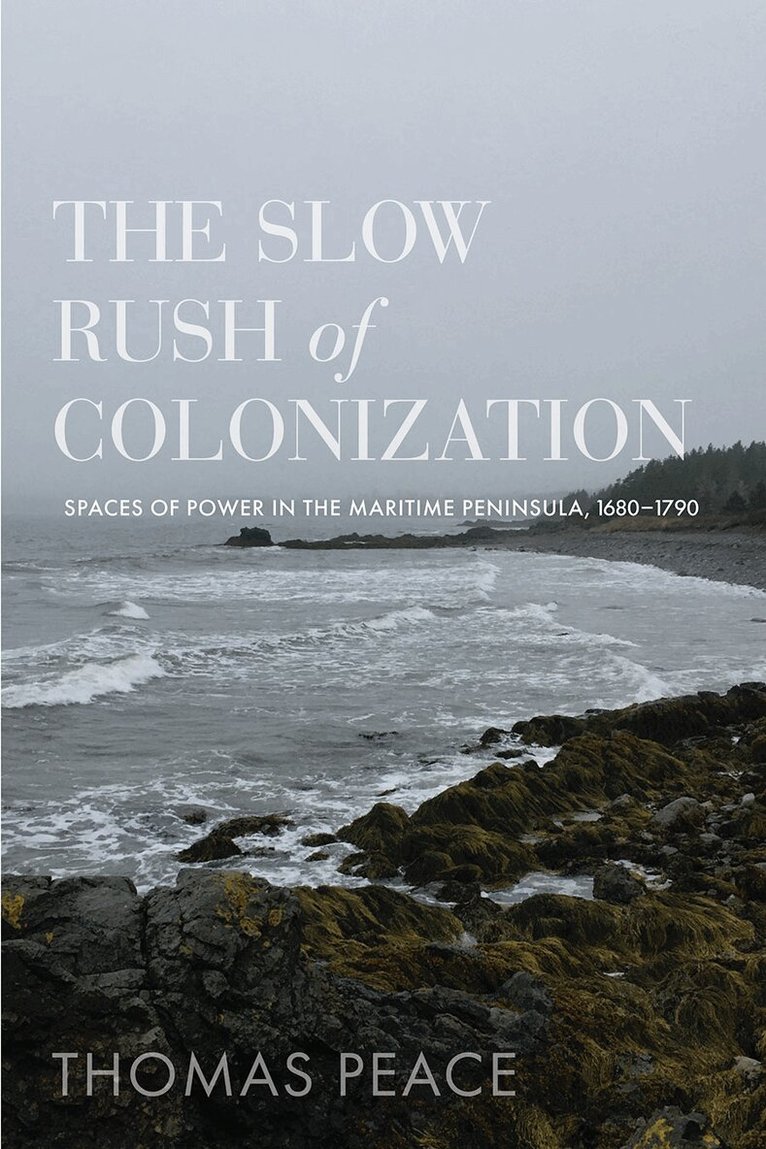
Slow Rush of Colonization
Spaces of Power in the Maritime Peninsula, 1680–1790
Inbunden, Engelska, 2023
467 kr
Skickas inom 7-10 vardagar
In 1760, after Montcalm's defeat at the Plains of Abraham, the French Empire was definitively expelled from the Saint Lawrence Valley. This history is well known. Less well known is that this decisive victory had its roots almost a hundred years earlier, when settler colonial systems of power first took root on the peripheries of the Maritime Peninsula (the places known today as Quebec, Maritime Canada, and New England). Drawing on the concept of spaces of power, historian Thomas Peace demonstrates that despite imperial changes of power and settler colonial incursions on their Lands, local Mi'kmaw, Wabanaki, Peskotomuhkati, Wolastoqiyik, and Wendat nations continued to experience the contested Peninsula as a cohesive whole, rather than one defined by subsequent colonial borders. This engaging history shows how overlapping concepts of space and power – shaped deeply by Indigenous agency and diplomacy – defined relationships in the eighteenth-century Maritime Peninsula and how, following the Seven Years' War, this history was brushed aside as settlers flooded into the Peninsula, laying the groundwork from which Canada and the United States would develop.
426 kr
Skickas inom 7-10 vardagar
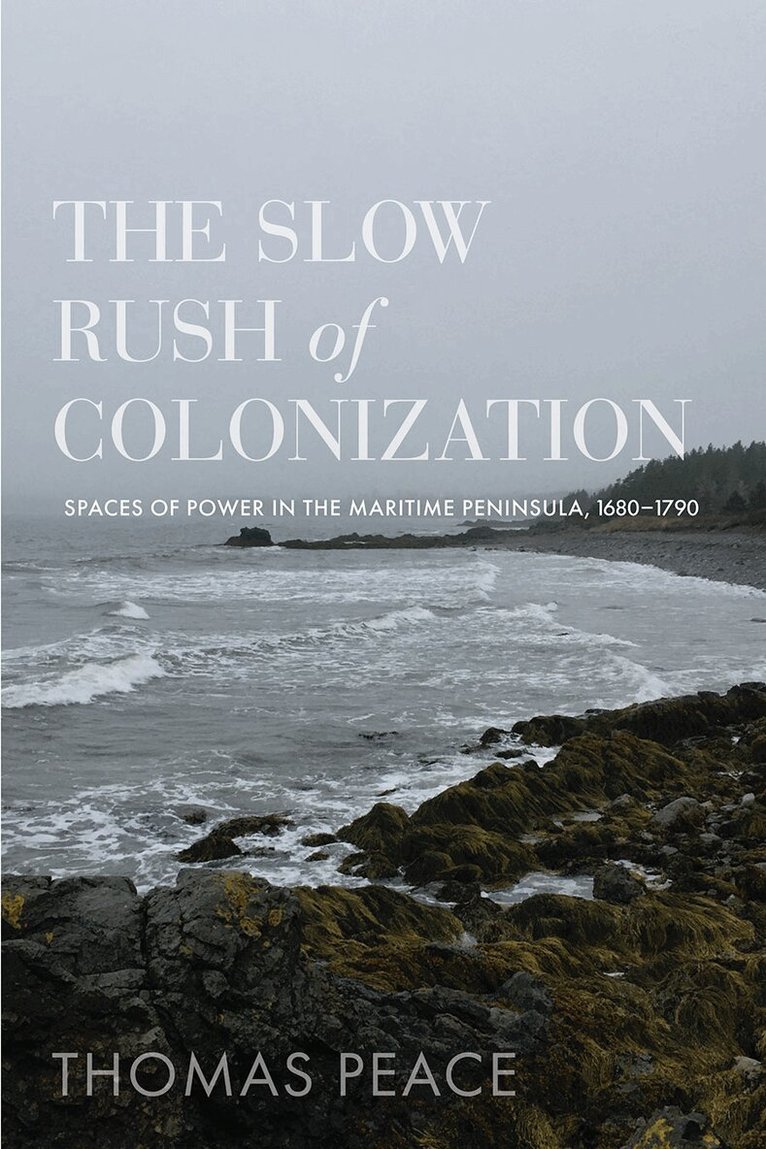
In 1760, after Montcalm's defeat at the Plains of Abraham, the French Empire was definitively expelled from the Saint Lawrence Valley. This history is well known. Less well known is that this decisive victory had its roots almost a hundred years earlier, when settler colonial systems of power first took root on the peripheries of the Maritime Peninsula (the places known today as Quebec, Maritime Canada, and New England). Drawing on the concept of spaces of power, historian Thomas Peace demonstrates that despite imperial changes of power and settler colonial incursions on their Lands, local Mi'kmaw, Wabanaki, Peskotomuhkati, Wolastoqiyik, and Wendat nations continued to experience the contested Peninsula as a cohesive whole, rather than one defined by subsequent colonial borders. This engaging history shows how overlapping concepts of space and power – shaped deeply by Indigenous agency and diplomacy – defined relationships in the eighteenth-century Maritime Peninsula and how, following the Seven Years' War, this history was brushed aside as settlers flooded into the Peninsula, laying the groundwork from which Canada and the United States would develop.
322 kr
Skickas inom 5-8 vardagar
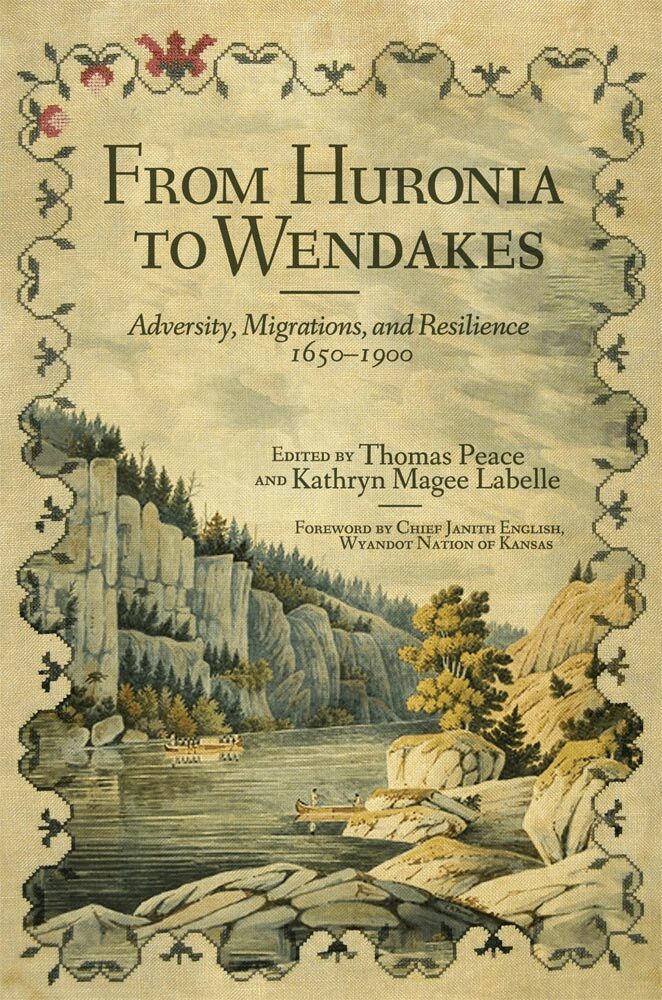
From the first contact with Europeans to the French and Indian War, the American Revolution, and the War of 1812, the Wendat peoples have been an intrinsic part of North American history. Although the story of these peoples - also known as Wyandot or Wyandotte - has been woven into the narratives of European-Native encounters, colonialism, and conquest, the Wendats' later experiences remain largely missing from history. From Huronia to Wendakes seeks to fill this gap, countering the common impression that these peoples disappeared after 1650, when they were driven from their homeland Wendake Ehen, also known as Huronia, in modern-day southern Ontario.This collection of essays brings together lesser-known historical accounts of the Wendats from their mid-seventeenth-century dispersal through their establishment of new homelands, called Wendakes, in Quebec, Michigan, Ontario, Kansas, and Oklahoma. What emerges from these varied perspectives is a complex picture that encapsulates both the cultural resilience and the diversity of these peoples. Together, the essays reveal that while the Wendats, like all people, are ever-changing, their nations have developed adaptive strategies to maintain their predispersal culture in the face of such pressures as Christianity and colonial economies.Just as the Wendats have linked multiple Wendakes through migrations forced and voluntary, the various perspectives of these emerging scholars are knitted together by the shared purpose of filling in Wendat history beyond the seventeenth century. This approach, along with the authors' collaboration with modern Wendat communities, has resulted in a rich and coherent narrative that in turn enriches our understanding of North American history.
268 kr
Skickas inom 10-15 vardagar
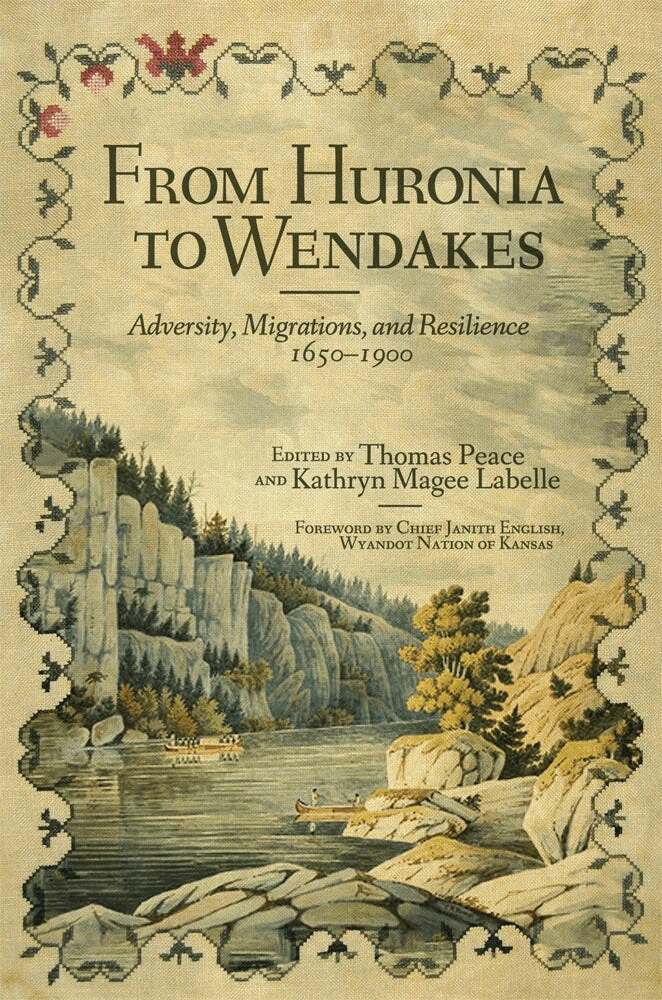
From the first contact with Europeans to the French and Indian War, the American Revolution, and the War of 1812, the Wendat peoples have been an intrinsic part of North American history. Although the story of these peoples—also known as Wyandot or Wyandotte—has been woven into the narratives of European-Native encounters, colonialism, and conquest, the Wendats’ later experiences remain largely missing from history. From Huronia to Wendakes seeks to fill this gap, countering the common impression that these peoples disappeared after 1650, when they were driven from their homeland Wendake Ehen, also known as Huronia, in modern-day southern Ontario.This collection of essays brings together lesser-known historical accounts of the Wendats from their mid-seventeenth-century dispersal through their establishment of new homelands, called Wendakes, in Quebec, Michigan, Ontario, Kansas, and Oklahoma. What emerges from these varied perspectives is a complex picture that encapsulates both the cultural resilience and the diversity of these peoples. Together, the essays reveal that while the Wendats, like all people, are ever-changing, their nations have developed adaptive strategies to maintain their predispersal culture in the face of such pressures as Christianity and colonial economies.Just as the Wendats have linked multiple Wendakes through migrations forced and voluntary, the various perspectives of these emerging scholars are knitted together by the shared purpose of filling in Wendat history beyond the seventeenth century. This approach, along with the authors’ collaboration with modern Wendat communities, has resulted in a rich and coherent narrative that in turn enriches our understanding of North American history.
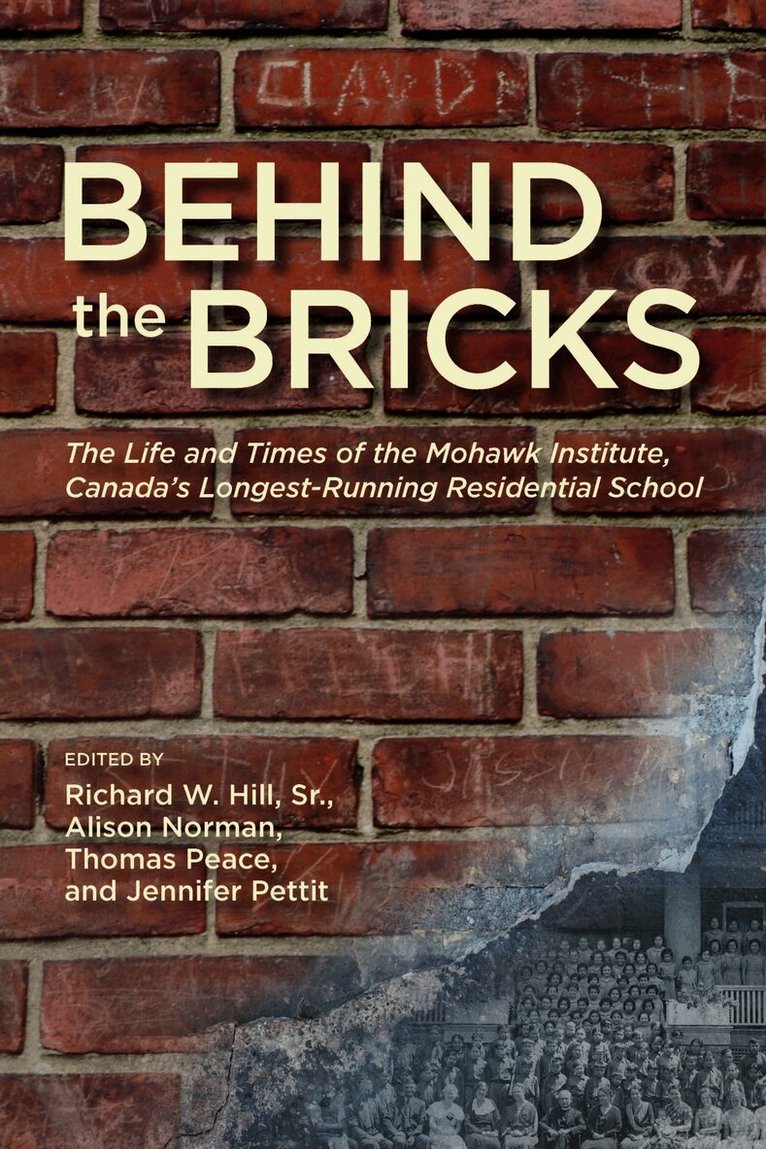
Behind the Bricks
The Life and Times of the Mohawk Institute, Canada's Longest-Running Residential School
Inbunden, Engelska, 2025
927 kr
Skickas inom 7-10 vardagar
From the outside, the Mohawk Institute looks like a large and welcoming school building. When one looks behind the bricks of the school, however, a much different story becomes apparent. Conceived and overseen by Six Nations community member Richard W. Hill Sr., Behind the Bricks is an important work that provides deep insight into the Mohawk Institute, Canada's first, and longest-running, residential school, operating from 1828 to 1970 in Brantford, Ontario. Many see the Mohawk Institute as a model for the residential school system.Behind the Bricks brings together Indigenous and non-Indigenous experts. The book begins with an overview that traces the history and context of the school, and the remainder of Behind the Bricks touches on a broad array of topics from the experiences of students, to archaeology and architecture, to the role of religion, and beyond, drawing on a wide variety of sources including government documents, church records, and oral history.Behind the Bricks examines the policies and motivations that shaped the experiences of all three parties involved with the school—the government, the church, and the students and their communities.A thorough and thoughtful history that provides deep insight into over a century of institutional operation, Behind the Bricks is an essential work that tells us not only about the Mohawk Institute, but the entire residential school system, providing a window into the past with the goal of working towards a future of truth and reconciliation.
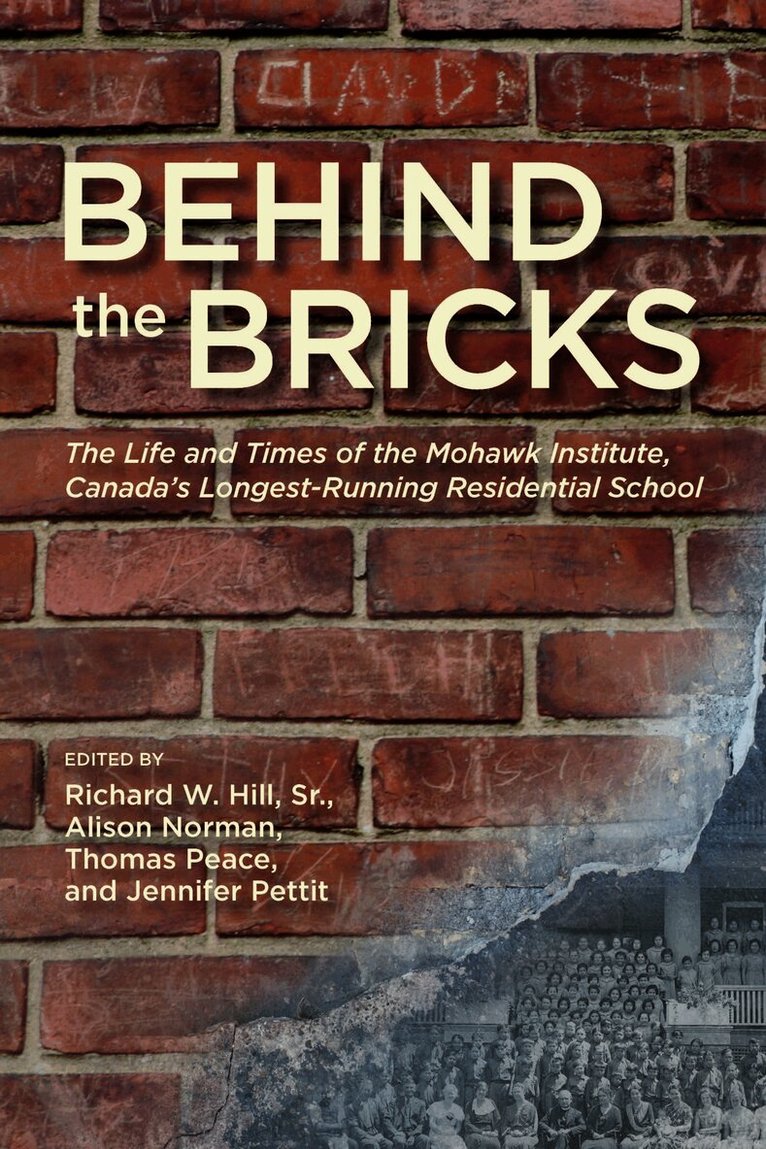
Behind the Bricks
The Life and Times of the Mohawk Institute, Canada's Longest-Running Residential School
Häftad, Engelska, 2025
453 kr
Skickas inom 7-10 vardagar
From the outside, the Mohawk Institute looks like a large and welcoming school building. When one looks behind the bricks of the school, however, a much different story becomes apparent. Conceived and overseen by Six Nations community member Richard W. Hill Sr., Behind the Bricks is an important work that provides deep insight into the Mohawk Institute, Canada's first, and longest-running, residential school, operating from 1828 to 1970 in Brantford, Ontario. Many see the Mohawk Institute as a model for the residential school system.Behind the Bricks brings together Indigenous and non-Indigenous experts. The book begins with an overview that traces the history and context of the school, and the remainder of Behind the Bricks touches on a broad array of topics from the experiences of students, to archaeology and architecture, to the role of religion, and beyond, drawing on a wide variety of sources including government documents, church records, and oral history.Behind the Bricks examines the policies and motivations that shaped the experiences of all three parties involved with the school—the government, the church, and the students and their communities.A thorough and thoughtful history that provides deep insight into over a century of institutional operation, Behind the Bricks is an essential work that tells us not only about the Mohawk Institute, but the entire residential school system, providing a window into the past with the goal of working towards a future of truth and reconciliation.