Tiffany A. Sippial - Böcker
Visar alla böcker från författaren Tiffany A. Sippial. Handla med fri frakt och snabb leverans.
3 produkter
3 produkter
433 kr
Skickas inom 10-15 vardagar
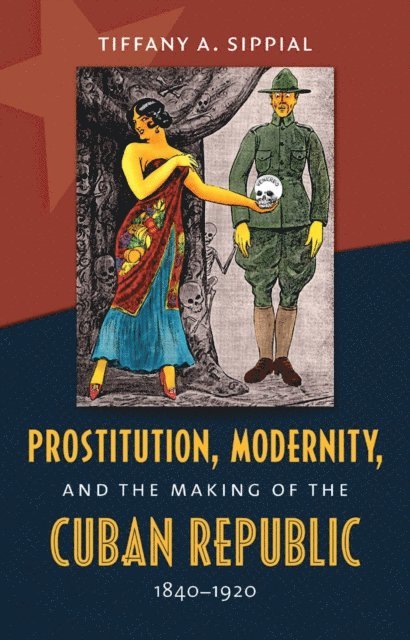
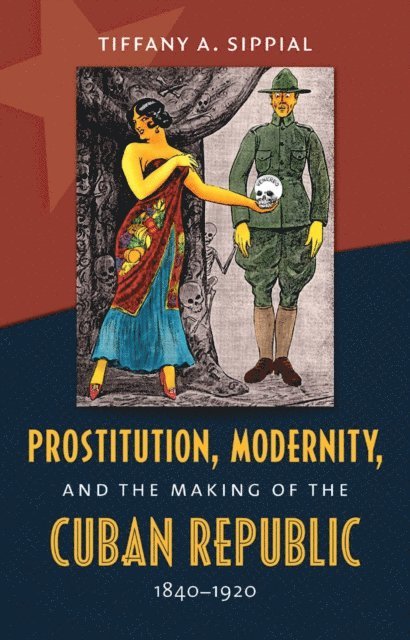
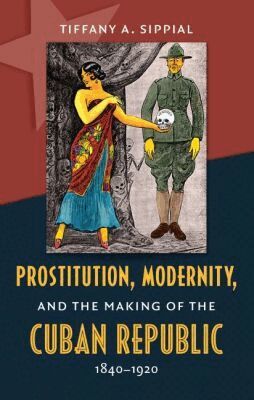
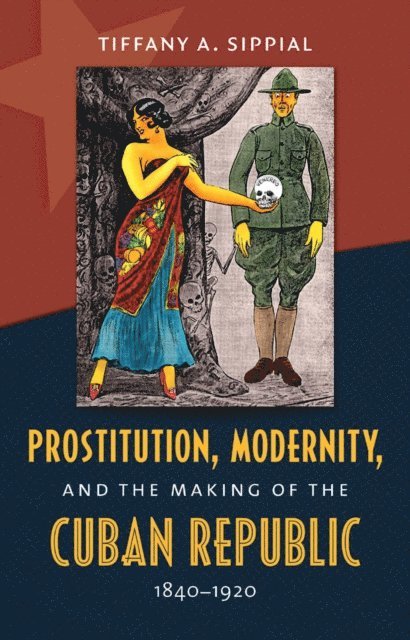
Between 1840 and 1920, Cuba abolished slavery, fought two wars of independence, and was occupied by the United States before finally becoming an independent republic. Tiffany A. Sippial argues that during this tumultuous era, Cuba's struggle to define itself as a modern nation found focus in the social and sexual anxieties surrounding prostitution and its regulation. Sippial shows how prostitution became a prism through which Cuba's hopes and fears were refracted. Widespread debate about prostitution created a forum in which issues of public morality, urbanity, modernity, and national identity were discussed with consequences not only for the capital city of Havana but also for the entire Cuban nation. Republican social reformers ultimately recast Cuban prostitutes--and the island as a whole--as victims of colonial exploitation who could be saved only by a government committed to progressive reforms in line with other modernizing nations of the world. By 1913, Cuba had abolished the official regulation of prostitution, embracing a public health program that targeted the entire population, not just prostitutes. Sippial thus demonstrates the central role the debate about prostitution played in defining republican ideals in independent Cuba. |Between 1840 and 1920, Cuba abolished slavery, fought two wars of independence, and was occupied by the United States before finally becoming an independent republic. Tiffany A. Sippial argues that during this tumultuous era, Cuba's struggle to define itself as a modern nation found focus in the social and sexual anxieties surrounding prostitution and its regulation. Sippial shows how prostitution became a prism through which Cuba's hopes and fears were refracted. Widespread debate about prostitution created a forum in which issues of public morality, urbanity, modernity, and national identity were discussed with consequences not only for the capital city of Havana but also for the entire Cuban nation.
1 092 kr
Skickas inom 10-15 vardagar
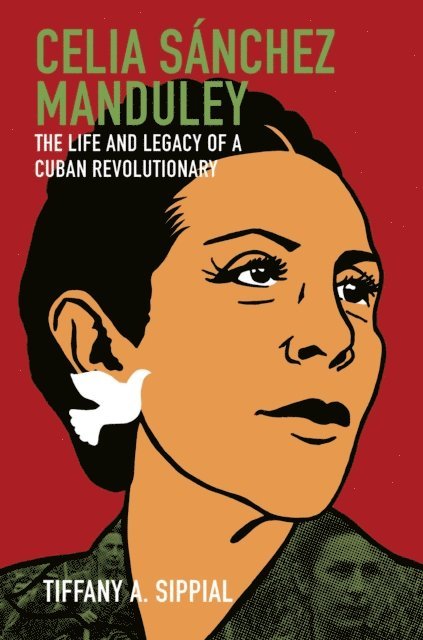
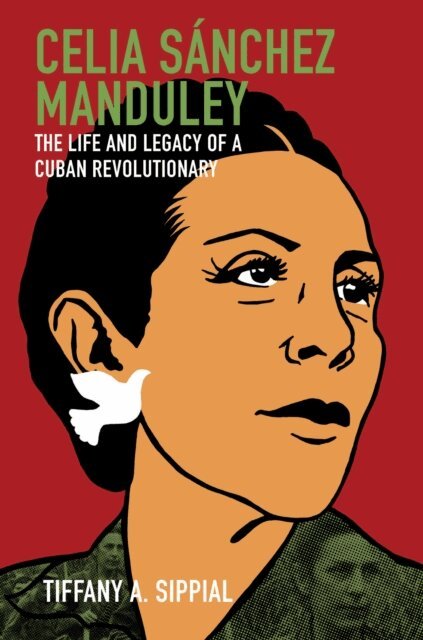
Celia Sanchez Manduley (1920–1980) is famous for her role in the Cuban revolution. Clad in her military fatigues, this "first female guerrilla of the Sierra Maestra" is seen in many photographs alongside Fidel Castro. Sanchez joined the movement in her early thirties, initially as an arms runner and later as a combatant. She was one of Castro's closest confidants, perhaps lover, and went on to serve as a high-ranking government official and international ambassador. Since her death, Sanchez has been revered as a national icon, cultivated and guarded by the Cuban government. With almost unprecedented access to Sanchez's papers, including a personal diary, and firsthand interviews with family members, Tiffany A. Sippial presents the first critical study of a notoriously private and self-abnegating woman who yet exists as an enduring symbol of revolutionary ideals.Using the tools of feminist biography, cultural history, and the politics of memory, Sippial reveals the scope and depth of Sanchez's power and influence within the Cuban revolution, as well as her struggles with violence, her political development, and the sacrifices required by her status as a leader and "New Woman." Sippial reveals how Sanchez strategically crafted her own legacy within a history still dominated by bearded men in fatigues.
378 kr
Skickas inom 10-15 vardagar
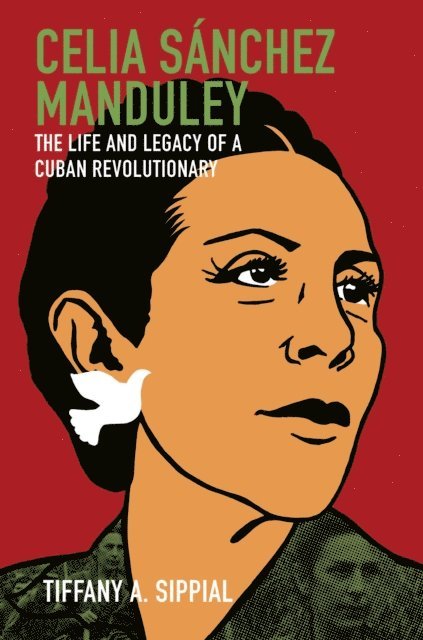
Celia Sanchez Manduley (1920–1980) is famous for her role in the Cuban revolution. Clad in her military fatigues, this "first female guerrilla of the Sierra Maestra" is seen in many photographs alongside Fidel Castro. Sanchez joined the movement in her early thirties, initially as an arms runner and later as a combatant. She was one of Castro's closest confidants, perhaps lover, and went on to serve as a high-ranking government official and international ambassador. Since her death, Sanchez has been revered as a national icon, cultivated and guarded by the Cuban government. With almost unprecedented access to Sanchez's papers, including a personal diary, and firsthand interviews with family members, Tiffany A. Sippial presents the first critical study of a notoriously private and self-abnegating woman who yet exists as an enduring symbol of revolutionary ideals.Using the tools of feminist biography, cultural history, and the politics of memory, Sippial reveals the scope and depth of Sanchez's power and influence within the Cuban revolution, as well as her struggles with violence, her political development, and the sacrifices required by her status as a leader and "New Woman." Sippial reveals how Sanchez strategically crafted her own legacy within a history still dominated by bearded men in fatigues.