Tim Choy - Böcker
Visar alla böcker från författaren Tim Choy. Handla med fri frakt och snabb leverans.
4 produkter
4 produkter
1 190 kr
Skickas inom 7-10 vardagar
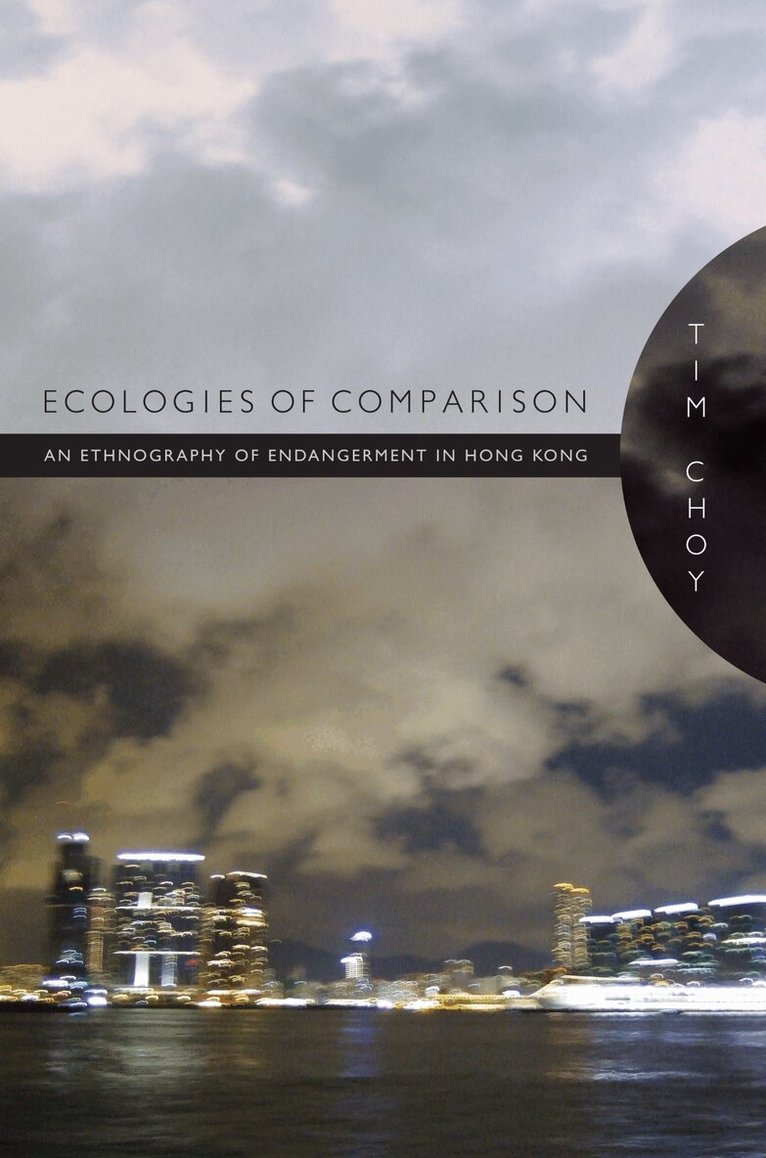
A rich ethnography of ecopolitics in Hong Kong in the late 1990s, as the region shifted to Chinese sovereignty, Ecologies of Comparison describes how ecological concepts of uniqueness and scale resonated among environmentalists, including those seeking to preserve a species of white dolphin, to protect an aging fishing village from redevelopment, and to legitimize air quality as an object of political and medical concern. During his research, Tim Choy became increasingly interested in the power of the notion of specificity. While documenting the expert and lay production of Hong Kong’s biological, cultural, and political specificities, he began comparing the logics and narrative forms that made different types of specificity-such as species, culture, locality, and state autonomy-possible and meaningful. He came to understand these logics and forms as “ecologies of comparison,” conceptual practices through which an event or form of life comes to matter in environmentalist and other political terms. Choy’s ethnography is about environmentalism, Hong Kong, and the ways that we think about environmentalism in Hong Kong and other places. It is also about how politics, freedom, culture, expertise, and other concepts figure in comparison-based knowledge practices.
322 kr
Skickas inom 7-10 vardagar
A rich ethnography of ecopolitics in Hong Kong in the late 1990s, as the region shifted to Chinese sovereignty, Ecologies of Comparison describes how ecological concepts of uniqueness and scale resonated among environmentalists, including those seeking to preserve a species of white dolphin, to protect an aging fishing village from redevelopment, and to legitimize air quality as an object of political and medical concern. During his research, Tim Choy became increasingly interested in the power of the notion of specificity. While documenting the expert and lay production of Hong Kong’s biological, cultural, and political specificities, he began comparing the logics and narrative forms that made different types of specificity-such as species, culture, locality, and state autonomy-possible and meaningful. He came to understand these logics and forms as “ecologies of comparison,” conceptual practices through which an event or form of life comes to matter in environmentalist and other political terms. Choy’s ethnography is about environmentalism, Hong Kong, and the ways that we think about environmentalism in Hong Kong and other places. It is also about how politics, freedom, culture, expertise, and other concepts figure in comparison-based knowledge practices.
1 098 kr
Skickas inom 7-10 vardagar
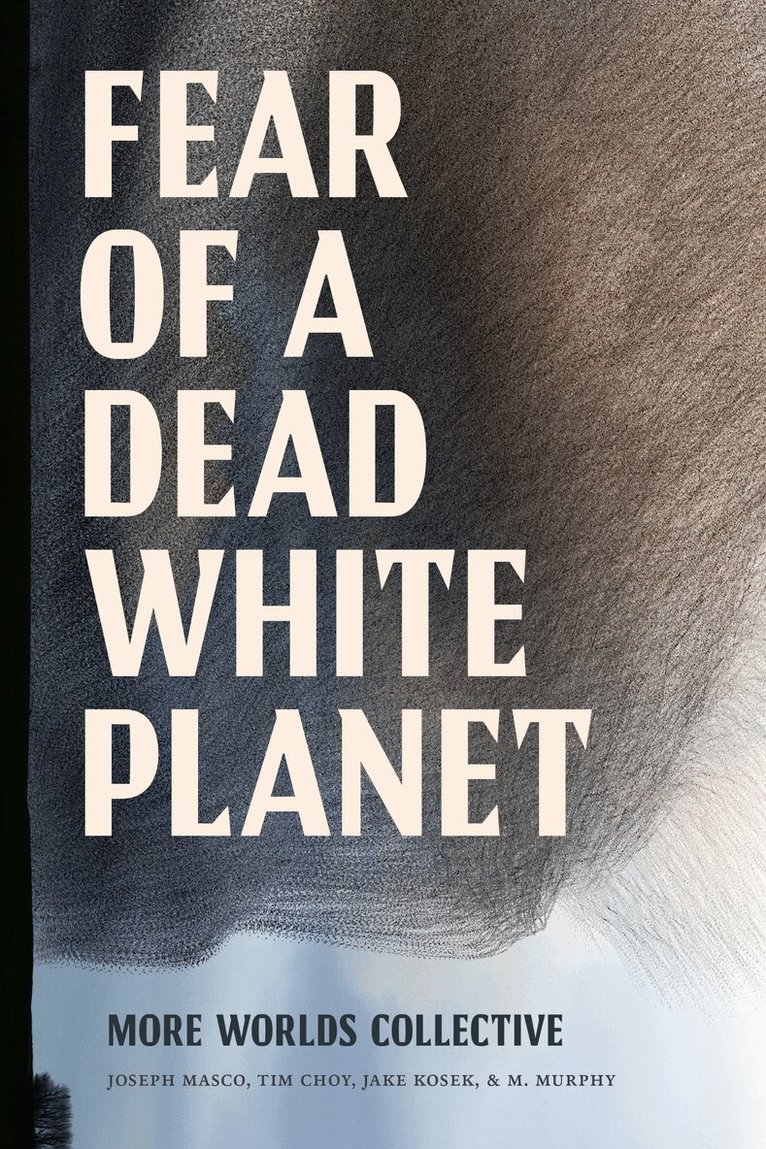
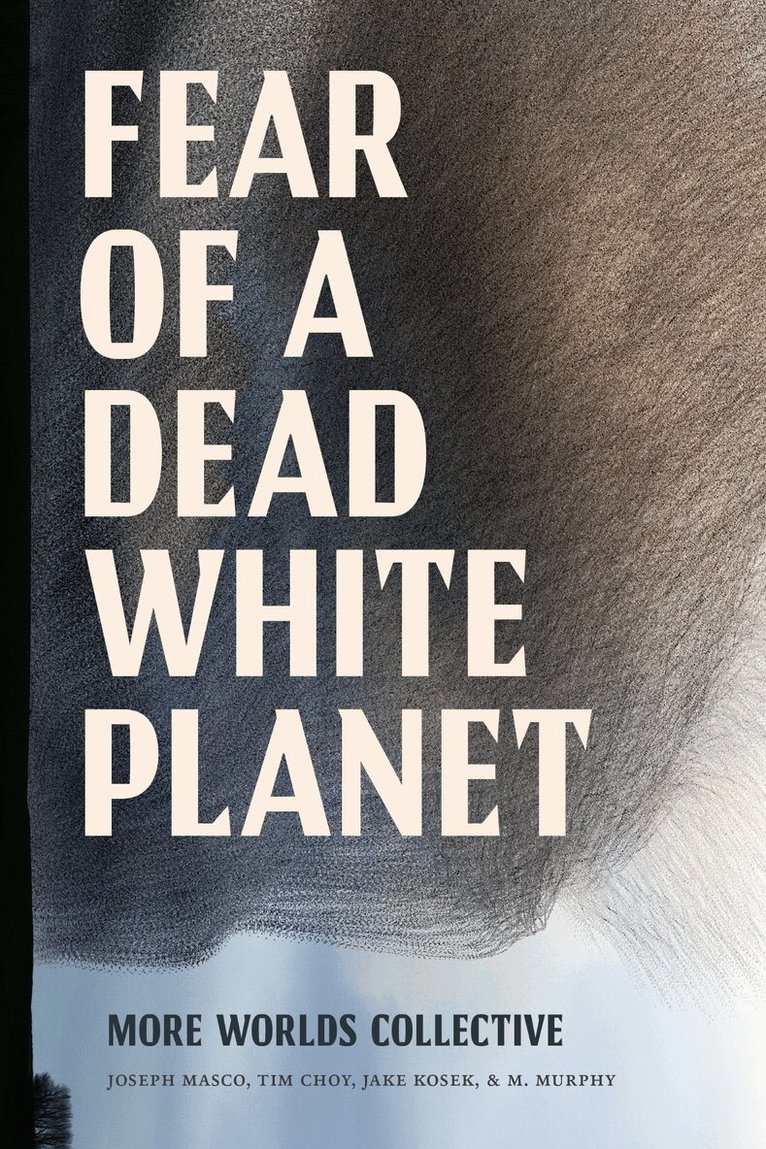
Fear of a Dead White Planet asks: how does one study when the planet is on fire? The More Worlds Collective challenges the contemporary rush to planetary technofixes for environmental emergency. Instead they track how such planetary science frames are enmeshed in the longstanding projects of white supremacy, settler colonialism, and epistemological violence. Calling for unlearning and joined-up study, the collective reclaims terraforming from off-earth engineering schemes to instead think through how our more modest efforts to study differently are also world-making and world-breaking. In orienting toward terra and formation, the collective commits to a place-based, non-universal study scaled at levels both intimate and massive. Through its serious but unruly methods, Fear of a Dead White Planet invites readers to recognize and conjure alternate worlds in and around the university.
244 kr
Skickas inom 7-10 vardagar
Fear of a Dead White Planet asks: how does one study when the planet is on fire? The More Worlds Collective challenges the contemporary rush to planetary technofixes for environmental emergency. Instead they track how such planetary science frames are enmeshed in the longstanding projects of white supremacy, settler colonialism, and epistemological violence. Calling for unlearning and joined-up study, the collective reclaims terraforming from off-earth engineering schemes to instead think through how our more modest efforts to study differently are also world-making and world-breaking. In orienting toward terra and formation, the collective commits to a place-based, non-universal study scaled at levels both intimate and massive. Through its serious but unruly methods, Fear of a Dead White Planet invites readers to recognize and conjure alternate worlds in and around the university.