Tim Forssman – författare
Visar alla böcker från författaren Tim Forssman. Handla med fri frakt och snabb leverans.
6 produkter
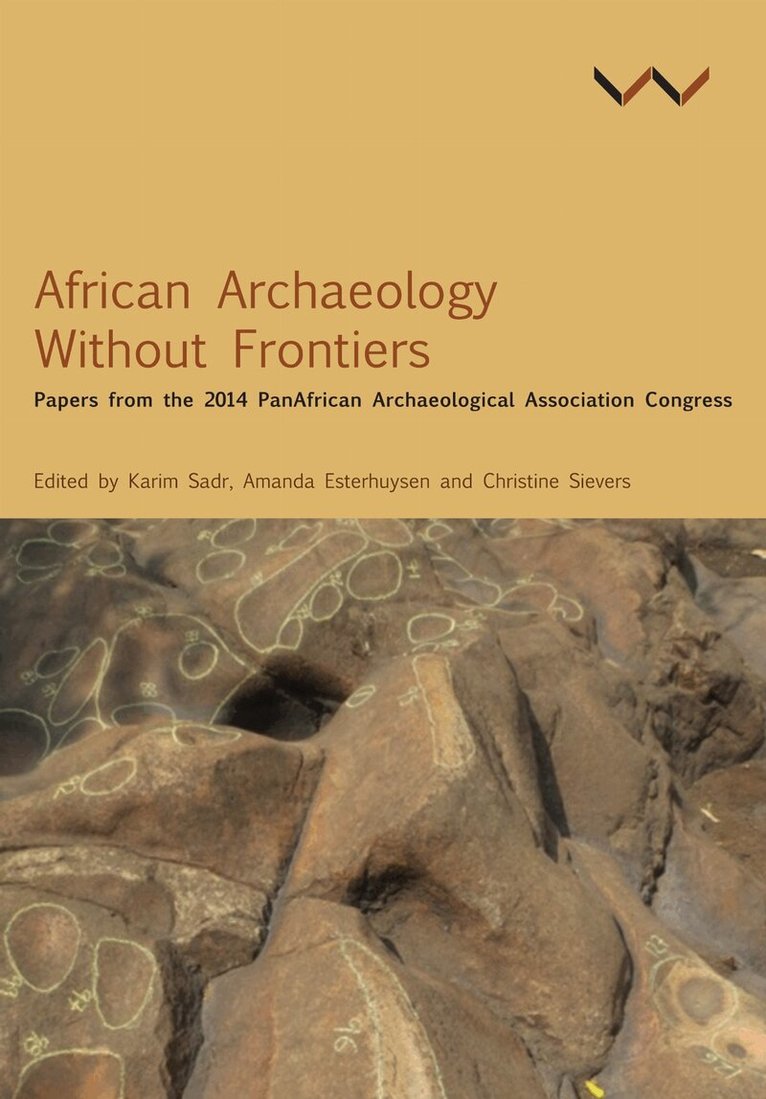
African Archaeology Without Frontiers
Papers from the 2014 PanAfrican Archaeological Association Congress
Av Chapurukha M Kusimba, Santores Tchandeu m. fl.
Häftad, 2016
511 kr
Lägg i varukorg
Confronting national, linguistic and disciplinary boundaries, contributors to African Archaeology Without Frontiers argue against artificial limits and divisions created through the study of 'ages' that in reality overlap and cannot and should not be understood in isolation. Papers are drawn from …
African Archaeology Without Frontiers
Papers from the 2014 PanAfrican Archaeological Association Congress
Av Narcisse, Gabriella Lucidi m. fl.
E-bok, 2016
472 kr
Lägg i varukorg
Confronting national, linguistic and disciplinary boundaries, contributors to African Archaeology Without Frontiers argue against artificial limits and divisions created through the study of ‘ages’ that in reality overlap and cannot and should not be understood in isolation. Papers are drawn from …
African Archaeology Without Frontiers
Papers from the 2014 PanAfrican Archaeological Association Congress
Av Narcisse, Gabriella Lucidi m. fl.
E-bok, 2016
462 kr
Lägg i varukorg
Confronting national, linguistic and disciplinary boundaries, contributors to African Archaeology Without Frontiers argue against artificial limits and divisions created through the study of ‘ages’ that in reality overlap and cannot and should not be understood in isolation. Papers are drawn from …
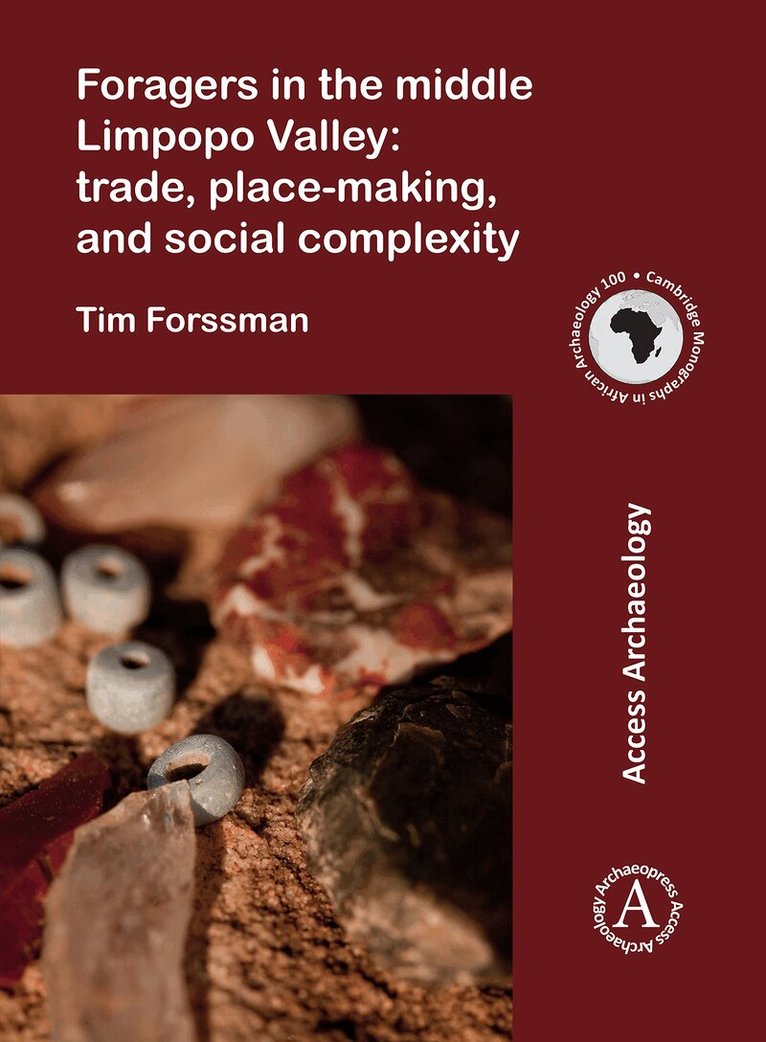
Foragers in the middle Limpopo Valley: Trade, Place-making, and Social Complexity
Av Tim Forssman
Häftad, 2020
558 kr
Lägg i varukorg
Between the last centuries BC and the early second millennium AD, central southern Africa witnessed massive social change. Several landscapes hosted a variety of socio-political developments that led to the establishment of state-level society at Mapungubwe, c. 1220 AD in the middle Limpopo Valley. …
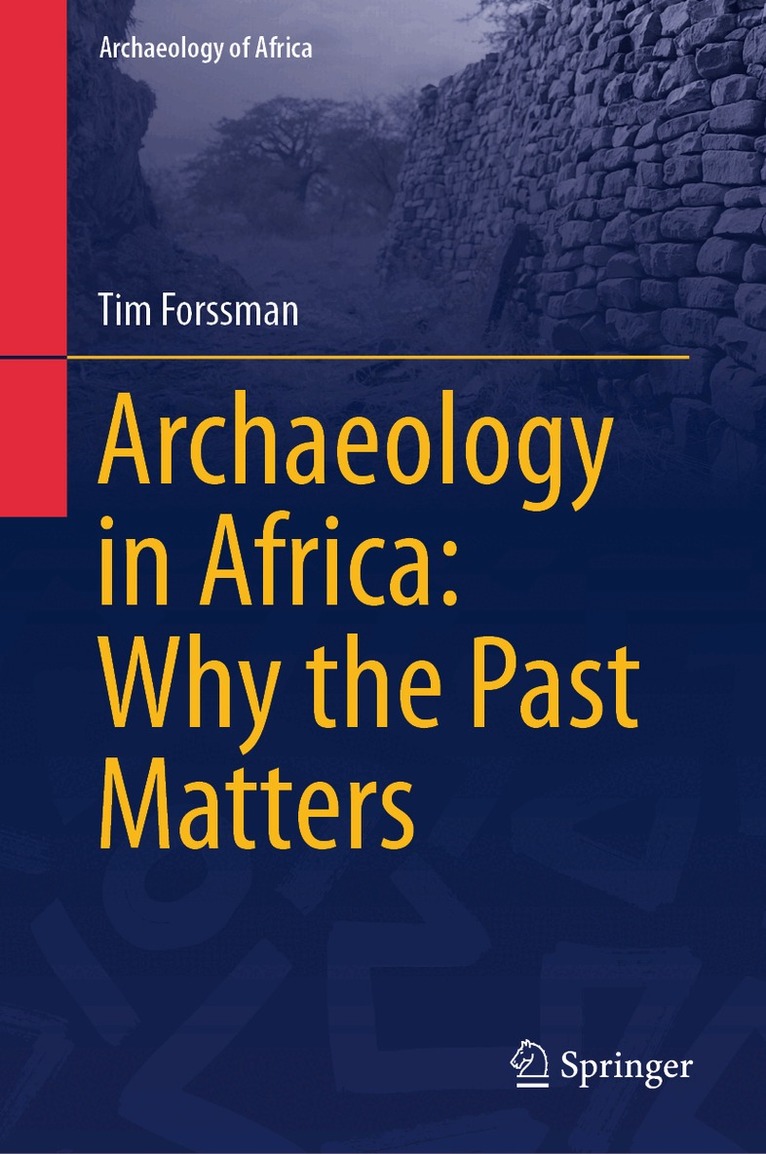
Archaeology in Africa: Why the Past Matters
Av Tim Forssman
Inbunden, 2026
1463 kr
Lägg i varukorg
This book presents a comprehensive account of how archaeology in Africa evolved, was challenged, and reimagined. Moving from nineteenth-century antiquarianism through independence to today, the book dismantles “dark continent” myths, foregrounds African ways of knowing, and argues for a praxis of …
Archaeology in Africa: Why the Past Matters
Av Tim Forssman
E-bok, 2026
1798 kr
Lägg i varukorg
This book presents a comprehensive account of how archaeology in Africa evolved, was challenged, and reimagined. Moving from nineteenth-century antiquarianism through independence to today, the book dismantles “dark continent” myths, foregrounds African ways of knowing, and argues for a praxis of …