Tim Gale – författare
Visar alla böcker från författaren Tim Gale. Handla med fri frakt och snabb leverans.
8 produkter
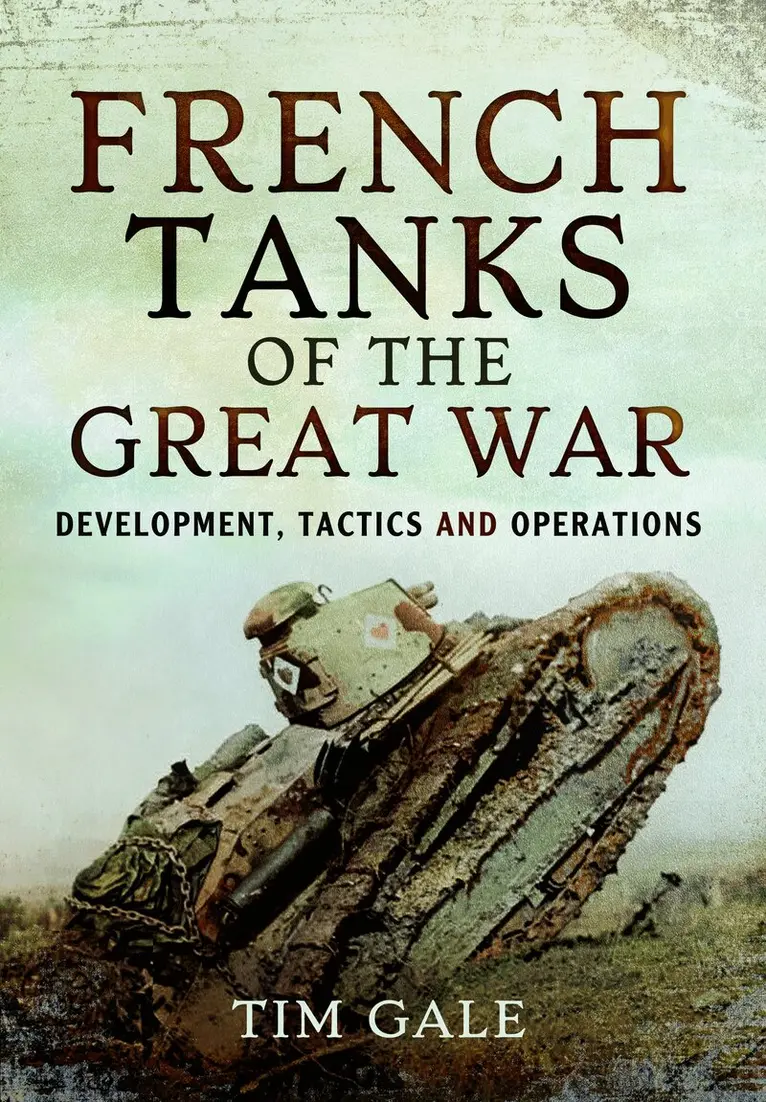
French Tanks of the Great War
Development, Tactics and Operations
Av Tim Gale
Häftad, 2026
171 kr
Lägg i varukorg
The French tank corps was an essential part of the French army from 1917 onwards, yet its history has been strangely neglected in English accounts of the Western Front and that is why Tim Gales meticulously researched history is such a timely addition to the literature on the First World War. Using …
Ecotourism and Environmental Sustainability
Principles and Practice
Inbunden, 2009
2515 kr
Lägg i varukorg
This book offers conceptual and practical insights into the complex interactions between ecotourism and the natural environment, with consideration given to government policy, marketing by suppliers, consumer behaviour and visitor/environmental management. Illustrated by international case studies …
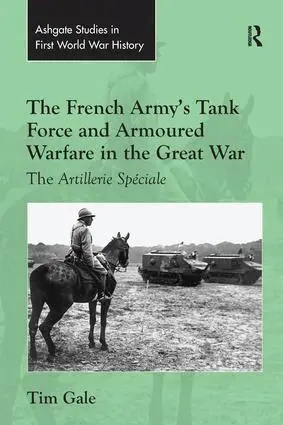
French Army's Tank Force and Armoured Warfare in the Great War
The Artillerie Spéciale
Av Tim Gale
Häftad, 2016
953 kr
Lägg i varukorg
Recent scholarship has challenged the assumption that military commanders during the First World War were inflexible, backward-looking and unwilling to exploit new technologies. Instead a very different picture is now emerging of armies desperately looking to a wide range of often untested and …
French Army's Tank Force and Armoured Warfare in the Great War
The Artillerie Spéciale
Av Tim Gale
E-bok, 2016
1124 kr
Lägg i varukorg
Recent scholarship has challenged the assumption that military commanders during the First World War were inflexible, backward-looking and unwilling to exploit new technologies. Instead a very different picture is now emerging of armies desperately looking to a wide range of often untested and …
French Army's Tank Force and Armoured Warfare in the Great War
The Artillerie Spéciale
Av Tim Gale
E-bok, 2016
1124 kr
Lägg i varukorg
Recent scholarship has challenged the assumption that military commanders during the First World War were inflexible, backward-looking and unwilling to exploit new technologies. Instead a very different picture is now emerging of armies desperately looking to a wide range of often untested and …
Ecotourism and Environmental Sustainability
Principles and Practice
E-bok, 2016
807 kr
Lägg i varukorg
This book offers conceptual and practical insights into the complex interactions between ecotourism and the natural environment, with consideration given to government policy, marketing by suppliers, consumer behaviour and visitor/environmental management. Illustrated by international case studies …
French Army's Tank Force and Armoured Warfare in the Great War
The Artillerie Spéciale
Av Tim Gale
Inbunden, 2013
2590 kr
Lägg i varukorg
Recent scholarship has challenged the assumption that military commanders during the First World War were inflexible, backward-looking and unwilling to exploit new technologies. Instead a very different picture is now emerging of armies desperately looking to a wide range of often untested and …
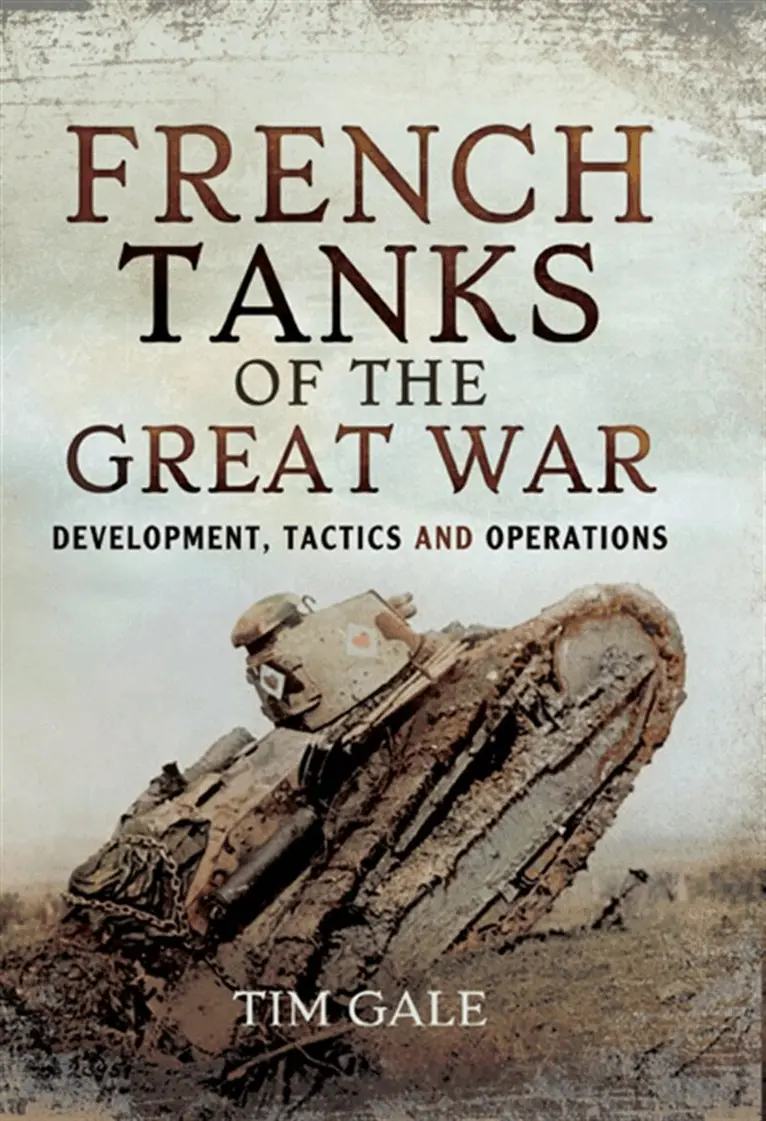
French Tanks of the Great War
Development, Tactics and Operations
Av Tim Gale
E-bok, 2021
122 kr
Lägg i varukorg
The French tank corps was an essential part of the French army from 1917 onwards, yet its history has been strangely neglected in English accounts of the Western Front – and that is why Tim Gale's meticulously researched history is such a timely addition to the literature on the First World War. …