Tim Stretton - Böcker
Visar alla böcker från författaren Tim Stretton. Handla med fri frakt och snabb leverans.
5 produkter
5 produkter
1 291 kr
Skickas inom 7-10 vardagar
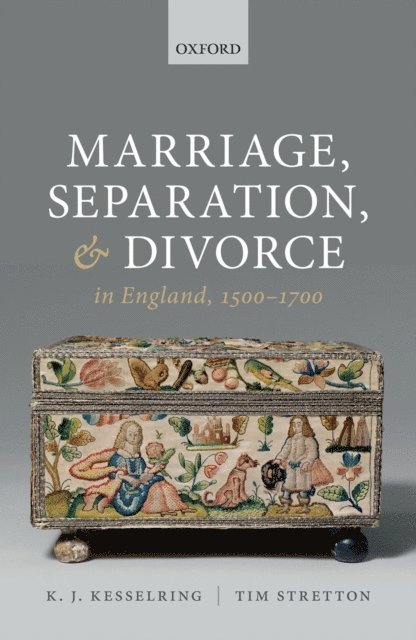
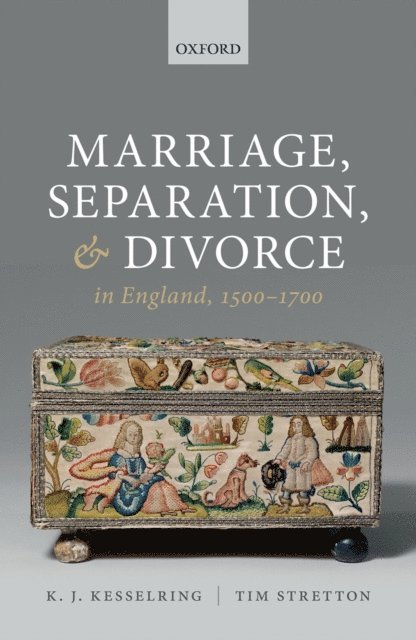
England is well known as the only Protestant state not to introduce divorce in the sixteenth-century Reformation. Only at the end of the seventeenth century did divorce by private act of parliament become available for a select few men and only in 1857 did the Divorce Act and its creation of judicial divorces extend the possibility more broadly. Aspects of the history of divorce are well known from studies which typically privilege the records of the church courts that claimed a monopoly on marriage. But why did England alone of all Protestant jurisdictions not allow divorce with remarriage in the era of the Reformation, and how did people in failed marriages cope with this absence? One part of the answer to the first question, Kesselring and Stretton argue, and a factor that shaped people's responses to the second, lay in another distinctive aspect of English law: its common-law formulation of coverture, the umbrella term for married women's legal status and property rights. The bonds of marriage stayed tightly tied in post-Reformation England in part because marriage was as much about wealth as it was about salvation or sexuality, and English society had deeply invested in a system that subordinated a wife's identity and property to those of the man she married. To understand this dimension of divorce's history, this study looks beyond the church courts to the records of other judicial bodies, the secular courts of common law and equity, to bring fresh perspective to a history that remains relevant today.
441 kr
Skickas inom 7-10 vardagar
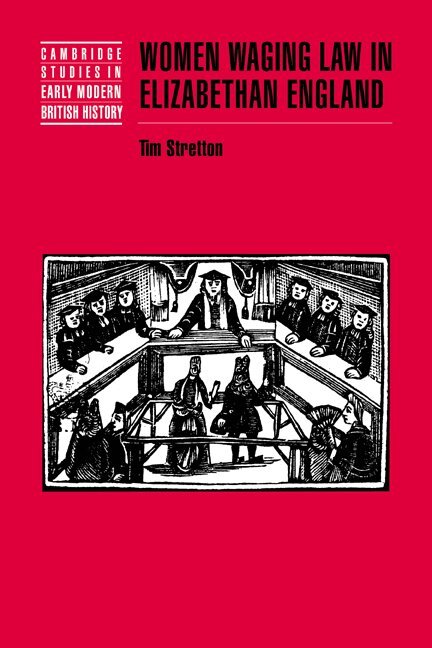
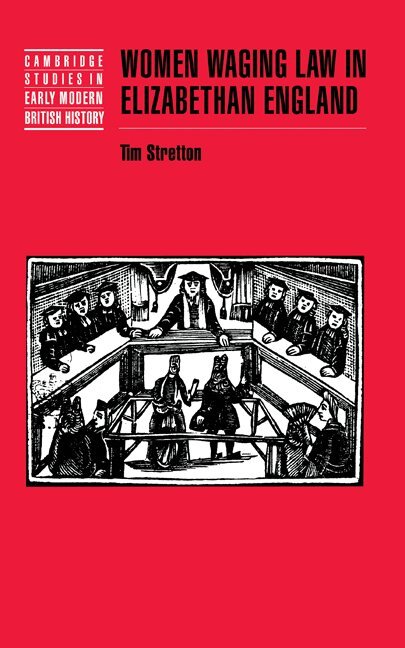
This book investigates the surprisingly large number of women who participated in the vast expansion of litigation in sixteenth- and seventeenth-century England. Making use of legal sources, literary texts, and the neglected records of the Court of Requests, it describes women's rights under different jurisdictions, considers attitudes to women going to court, and reveals how female litigants used the law, as well as fell victim to it. In the central courts of Westminster, maidservants sued their masters, widows sued their creditors, and in defiance of a barrage of theoretical prohibitions, wives sued their husbands. The law was undoubtedly discriminatory, but certain women pursued actively such rights as they possessed. Some appeared as angry plaintiffs, while others played upon their poverty and vulnerability. A special feature of this study is the attention it pays to the different language and tactics that distinguish women's pleadings from men's pleadings within a national equity court.
1 553 kr
Skickas inom 7-10 vardagar
This book investigates the surprisingly large number of women who participated in the vast expansion of litigation in sixteenth- and seventeenth-century England. Making use of legal sources, literary texts, and the neglected records of the Court of Requests, it describes women's rights under different jurisdictions, considers attitudes to women going to court, and reveals how female litigants used the law, as well as fell victim to it. In the central courts of Westminster, maidservants sued their masters, widows sued their creditors, and in defiance of a barrage of theoretical prohibitions, wives sued their husbands. The law was undoubtedly discriminatory, but certain women pursued actively such rights as they possessed. Some appeared as angry plaintiffs, while others played upon their poverty and vulnerability. A special feature of this study is the attention it pays to the different language and tactics that distinguish women's pleadings from men's pleadings within a national equity court.
360 kr
Skickas inom 7-10 vardagar
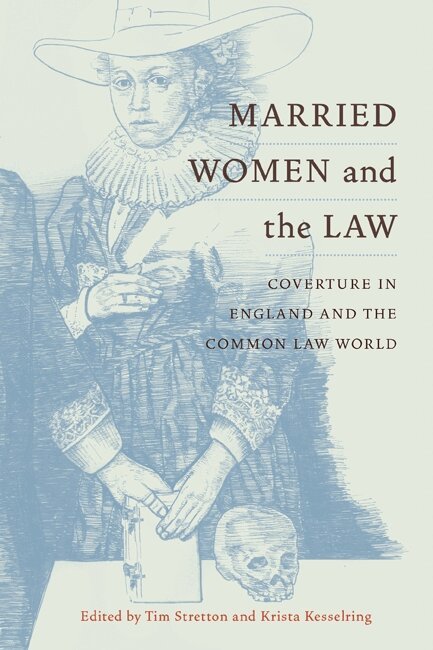
Explaining the curious legal doctrine of "coverture," William Blackstone famously declared that "by marriage, husband and wife are one person at law." This "covering" of a wife's legal identity by her husband meant that the greatest subordination of women to men developed within marriage. In England and its colonies, generations of judges, legislators, and husbands invoked coverture to limit married women's rights and property, but there was no monolithic concept of coverture and their justifications shifted to fit changing times: Were husband and wife lord and subject? Master and servant? Guardian and ward? Or one person at law? The essays in Married Women and the Law offer new insights into the legal effects of marriage for women from medieval to modern times. Focusing on the years prior to the passage of the Divorce Acts and Married Women's Property Acts in the late nineteenth century, contributors examine a variety of jurisdictions in the common law world, from civil courts to ecclesiastical and criminal courts. By bringing together studies of several common law jurisdictions over a span of centuries, they show how similar legal rules persisted and developed in different environments. This volume reveals not only legal changes and the women who creatively used or subverted coverture, but also astonishing continuities. Accessibly written and coherently presented, Married Women and the Law is an important look at the persistence of one of the longest lived ideas in British legal history. Contributors include Sara M. Butler (Loyola), Marisha Caswell (Queen's), Mary Beth Combs (Fordham), Angela Fernandez (Toronto), Margaret Hunt (Amherst), Kim Kippen (Toronto), Natasha Korda (Wesleyan), Lindsay Moore (Boston), Barbara J. Todd (Toronto), and Danaya C. Wright (Florida).
209 kr
Skickas inom 5-8 vardagar