Tímea Drinóczi – författare
Visar alla böcker från författaren Tímea Drinóczi. Handla med fri frakt och snabb leverans.
13 produkter
Rule of Law, Common Values, and Illiberal Constitutionalism
Poland and Hungary within the European Union
Av Tímea Drinóczi, Agnieszka Bień-Kacała
Inbunden, 2020
2317 kr
Lägg i varukorg
This book challenges the idea that the Rule of Law is still a universal European value given its relatively rapid deterioration in Hungary and Poland, and the apparent inability of the European institutions to adequately address the illiberalization of these Member States. The book begins from the …
Rule of Law, Common Values, and Illiberal Constitutionalism
Poland and Hungary within the European Union
Av Tímea Drinóczi, Agnieszka Bień-Kacała
Häftad, 2022
638 kr
Lägg i varukorg
This book challenges the idea that the Rule of Law is still a universal European value given its relatively rapid deterioration in Hungary and Poland, and the apparent inability of the European institutions to adequately address the illiberalization of these Member States. The book begins from the …
Rule of Law, Common Values, and Illiberal Constitutionalism
Poland and Hungary within the European Union
Av Agnieszka Bien-Kacala, Timea Drinoczi
E-bok, 2020
814 kr
Lägg i varukorg
This book challenges the idea that the Rule of Law is still a universal European value given its relatively rapid deterioration in Hungary and Poland, and the apparent inability of the European institutions to adequately address the illiberalization of these Member States. The book begins from the …
Rule of Law, Common Values, and Illiberal Constitutionalism
Poland and Hungary within the European Union
Av Agnieszka Bien-Kacala, Timea Drinoczi
E-bok, 2020
814 kr
Lägg i varukorg
This book challenges the idea that the Rule of Law is still a universal European value given its relatively rapid deterioration in Hungary and Poland, and the apparent inability of the European institutions to adequately address the illiberalization of these Member States. The book begins from the …
Illiberal Constitutionalism in Poland and Hungary
The Deterioration of Democracy, Misuse of Human Rights and Abuse of the Rule of Law
Av Agnieszka Bien-Kacala, Timea Drinoczi
E-bok, 2021
749 kr
Lägg i varukorg
This book theorizes illiberal constitutionalism by interrogation of the Rule of Law, democratic deterioration, and the misuse of the language and relativization of human rights protection, and its widespread emotional and value-oriented effect on the population. The work consists of seven Parts. …
Illiberal Constitutionalism in Poland and Hungary
The Deterioration of Democracy, Misuse of Human Rights and Abuse of the Rule of Law
Av Agnieszka Bien-Kacala, Timea Drinoczi
E-bok, 2021
733 kr
Lägg i varukorg
This book theorizes illiberal constitutionalism by interrogation of the Rule of Law, democratic deterioration, and the misuse of the language and relativization of human rights protection, and its widespread emotional and value-oriented effect on the population. The work consists of seven Parts. …
Illiberal Constitutionalism in Poland and Hungary
The Deterioration of Democracy, Misuse of Human Rights and Abuse of the Rule of Law
Av Tímea Drinóczi, Agnieszka Bień-Kacała
Inbunden, 2021
2317 kr
Lägg i varukorg
This book theorizes illiberal constitutionalism by interrogation of the Rule of Law, democratic deterioration, and the misuse of the language and relativization of human rights protection, and its widespread emotional and value-oriented effect on the population. The work consists of seven Parts. …
Illiberal Constitutionalism in Poland and Hungary
The Deterioration of Democracy, Misuse of Human Rights and Abuse of the Rule of Law
Av Tímea Drinóczi, Agnieszka Bień-Kacała
Häftad, 2023
638 kr
Lägg i varukorg
This book theorizes illiberal constitutionalism by interrogation of the Rule of Law, democratic deterioration, and the misuse of the language and relativization of human rights protection, and its widespread emotional and value-oriented effect on the population. The work consists of seven Parts. …
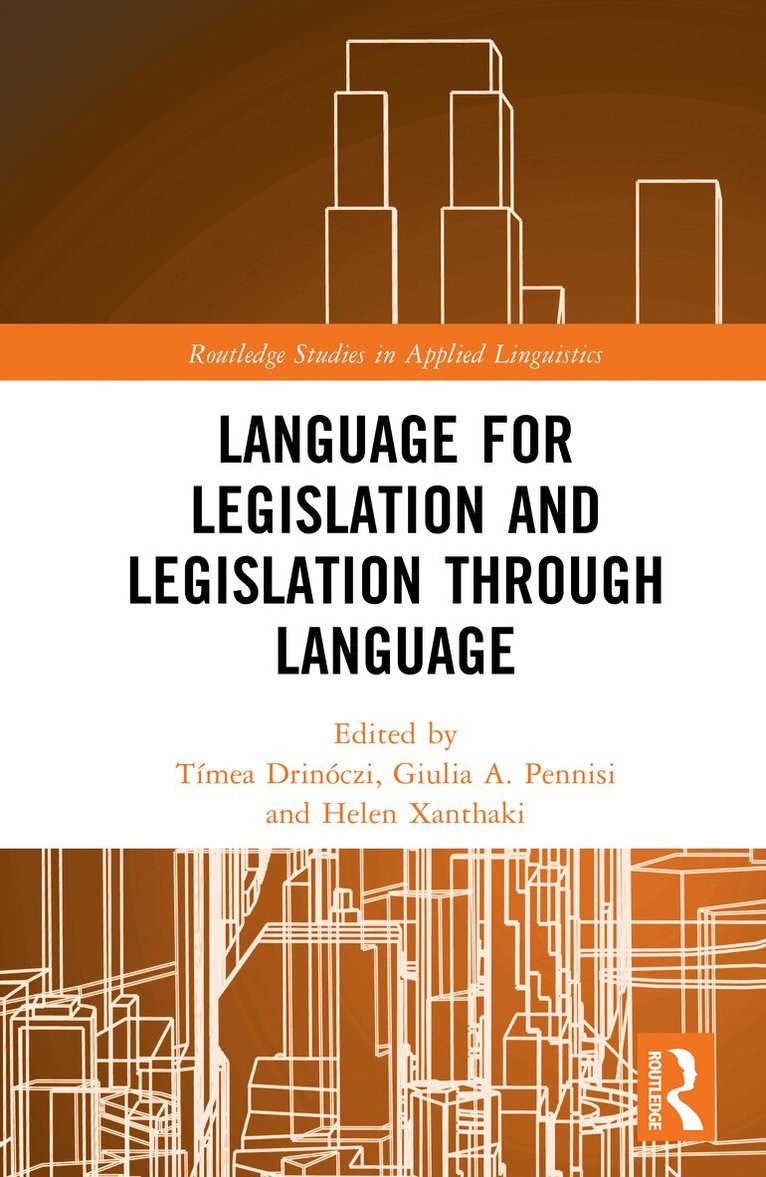
Language for Legislation and Legislation through Language
Av Tímea Drinóczi, Giulia A. Pennisi m. fl.
Inbunden, 2025
2317 kr
Lägg i varukorg
This collection teaches us how language and legislation interact to produce effective laws. It brings linguistics, lawyers, theory, and practices together to show how linguistic tools, concepts, and methodologies can be applied to improve the law’s clarity, transparency, and efficiency, thus …
Language for Legislation and Legislation through Language
Av Helen Xanthaki, Giulia A. Pennisi m. fl.
E-bok, 2025
765 kr
Lägg i varukorg
This collection teaches us how language and legislation interact to produce effective laws. It brings linguistics, lawyers, theory, and practices together to show how linguistic tools, concepts, and methodologies can be applied to improve the law's clarity, transparency, and efficiency, thus …
Language for Legislation and Legislation through Language
Av Helen Xanthaki, Giulia A. Pennisi m. fl.
E-bok, 2025
765 kr
Lägg i varukorg
This collection teaches us how language and legislation interact to produce effective laws. It brings linguistics, lawyers, theory, and practices together to show how linguistic tools, concepts, and methodologies can be applied to improve the law's clarity, transparency, and efficiency, thus …
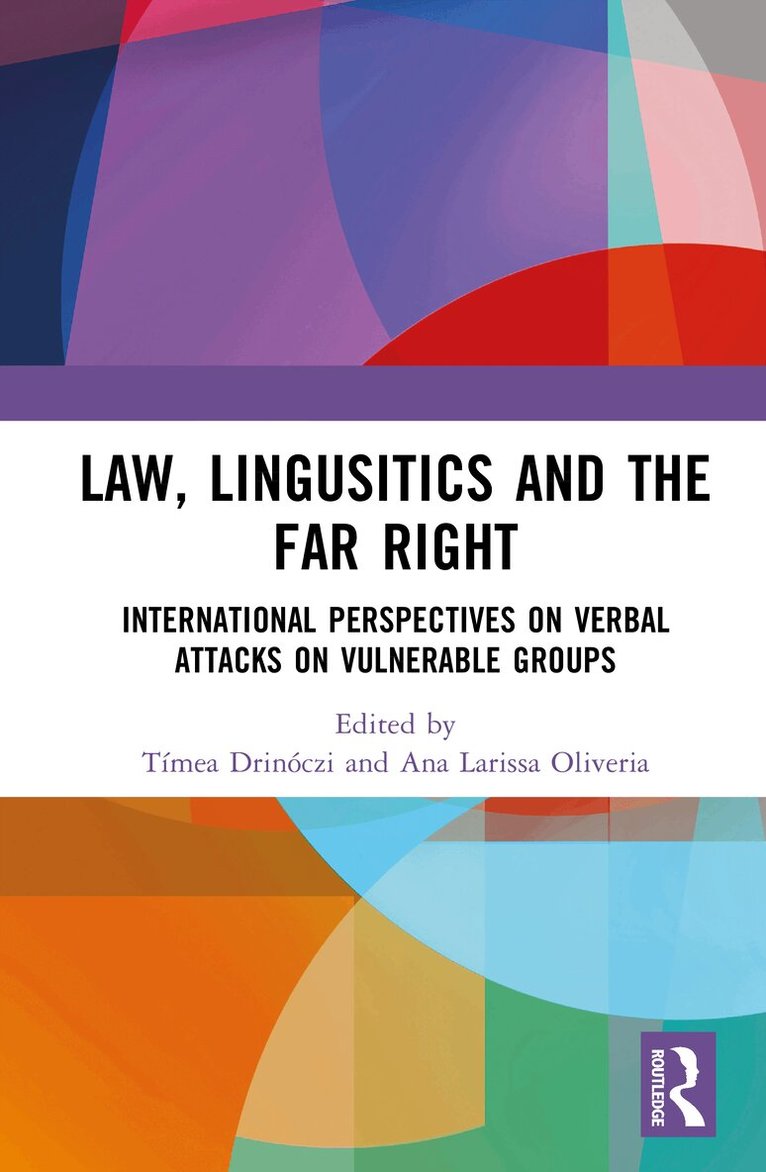
Law, Linguistics and the Far Right
International Perspectives on Verbal Attacks on Vulnerable Groups
Av Tímea Drinóczi, Ana Larissa Oliveira
Inbunden, 2026
2317 kr
Lägg i varukorg
This book examines how verbal and symbolic aggression and hostility directed at women and LGBT+ people operate across linguistic, multimodal, legal, and institutional domains, and how these practices contribute to discursive, democratic, and constitutional erosion. Bringing together …
European Perspectives on the Procedural Review of Parliamentary Lawmaking
Av Viktor Kazai, Tímea Drinóczi
Inbunden, 2027
1427 kr
Kommande
This book is a comparative study of how courts and oversight bodies review lawmaking processes, exposing democratic deficits and advocating for transparent, participatory legislative reform across Europe.In an era of fast-track legislation and executive overreach, the democratic legitimacy of …