Agnieszka Bień-Kacała – författare
Visar alla böcker från författaren Agnieszka Bień-Kacała. Handla med fri frakt och snabb leverans.
11 produkter
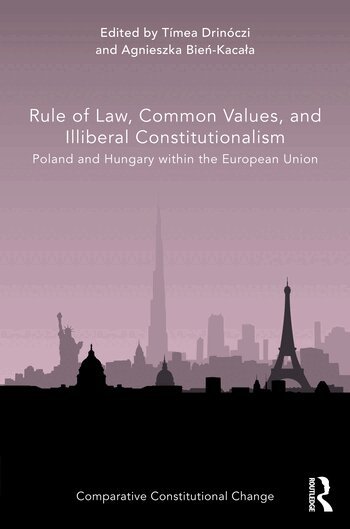
Rule of Law, Common Values, and Illiberal Constitutionalism
Poland and Hungary within the European Union
Av Tímea Drinóczi, Agnieszka Bień-Kacała
Inbunden, 2020
2317 kr
Lägg i varukorg
This book challenges the idea that the Rule of Law is still a universal European value given its relatively rapid deterioration in Hungary and Poland, and the apparent inability of the European institutions to adequately address the illiberalization of these Member States. The book begins from the …
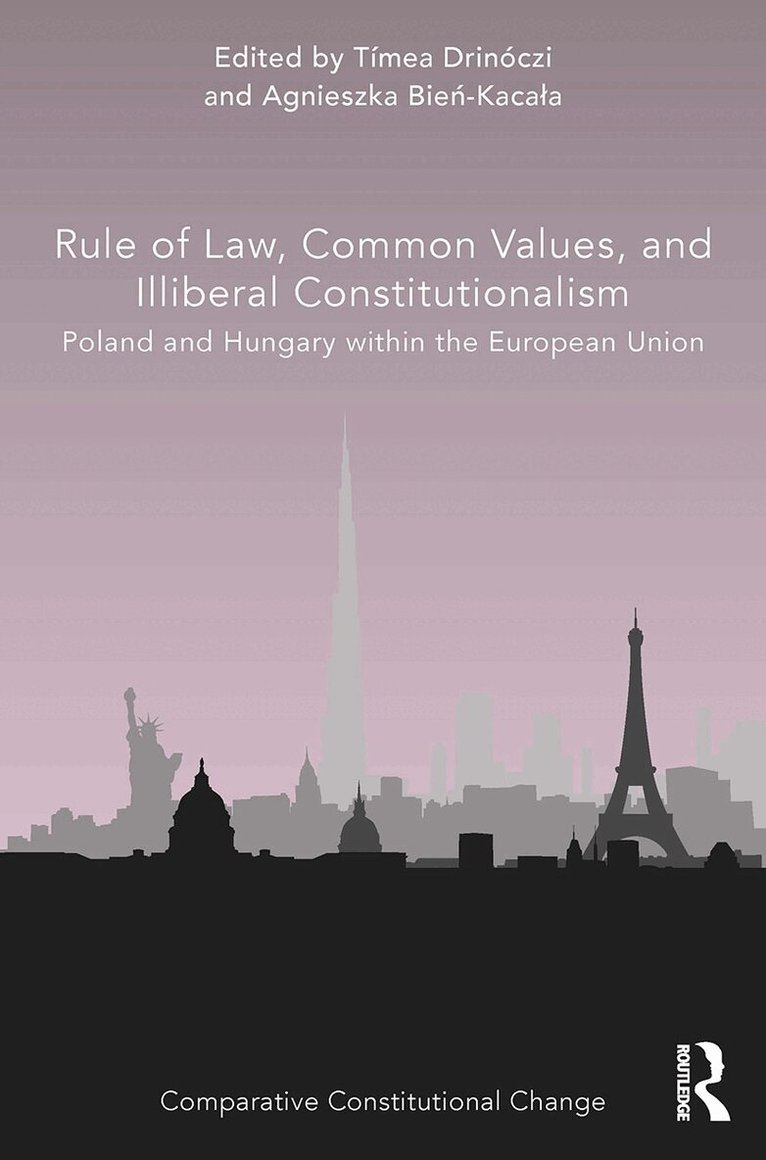
Rule of Law, Common Values, and Illiberal Constitutionalism
Poland and Hungary within the European Union
Av Tímea Drinóczi, Agnieszka Bień-Kacała
Häftad, 2022
638 kr
Lägg i varukorg
This book challenges the idea that the Rule of Law is still a universal European value given its relatively rapid deterioration in Hungary and Poland, and the apparent inability of the European institutions to adequately address the illiberalization of these Member States. The book begins from the …
Rule of Law, Common Values, and Illiberal Constitutionalism
Poland and Hungary within the European Union
Av Agnieszka Bien-Kacala, Timea Drinoczi
E-bok, 2020
814 kr
Lägg i varukorg
This book challenges the idea that the Rule of Law is still a universal European value given its relatively rapid deterioration in Hungary and Poland, and the apparent inability of the European institutions to adequately address the illiberalization of these Member States. The book begins from the …
Rule of Law, Common Values, and Illiberal Constitutionalism
Poland and Hungary within the European Union
Av Agnieszka Bien-Kacala, Timea Drinoczi
E-bok, 2020
814 kr
Lägg i varukorg
This book challenges the idea that the Rule of Law is still a universal European value given its relatively rapid deterioration in Hungary and Poland, and the apparent inability of the European institutions to adequately address the illiberalization of these Member States. The book begins from the …
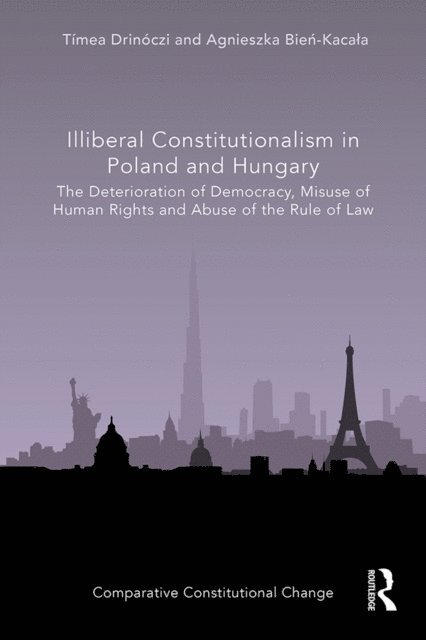
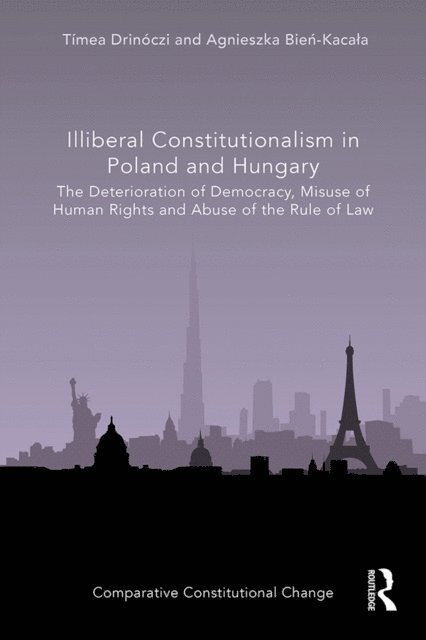
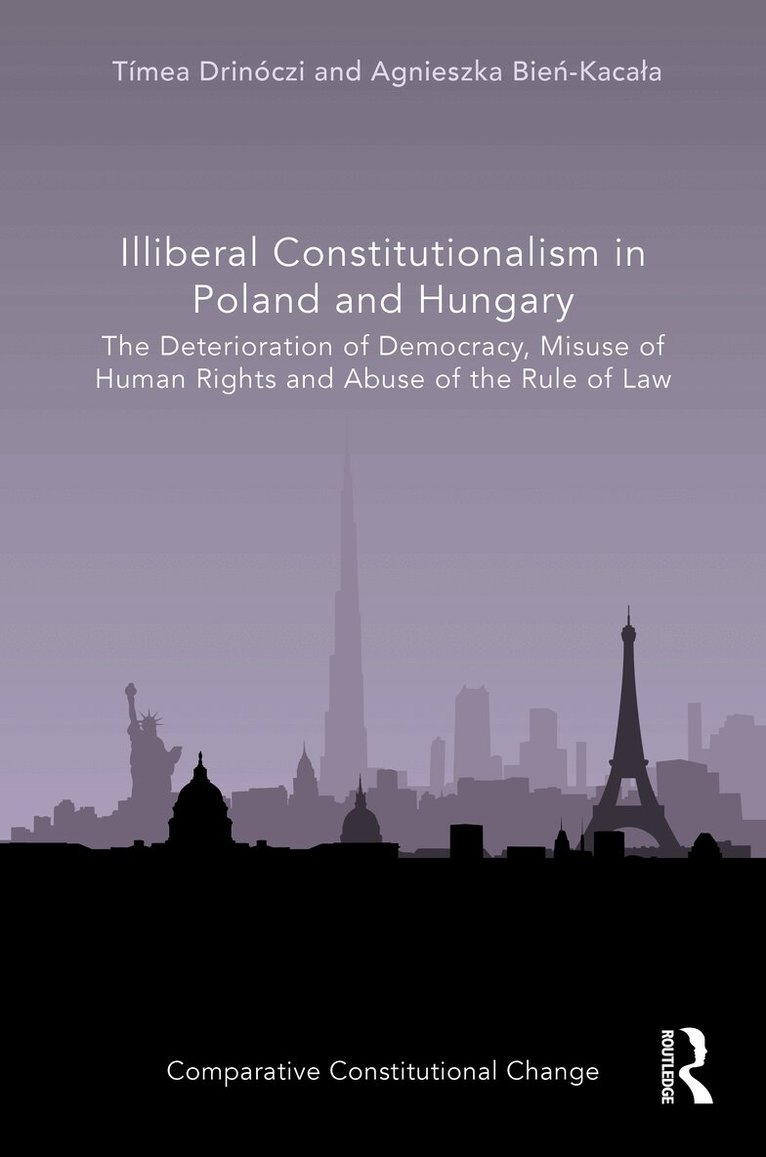
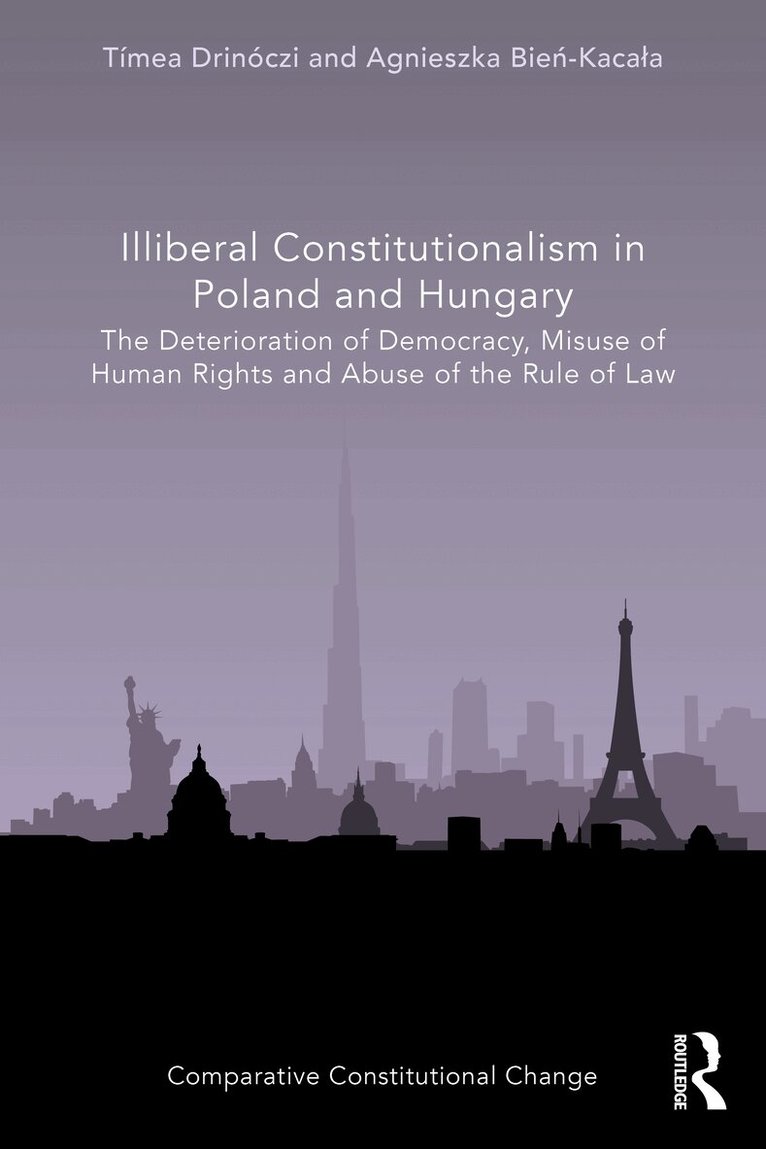
Illiberal Constitutionalism in Poland and Hungary
The Deterioration of Democracy, Misuse of Human Rights and Abuse of the Rule of Law
Av Agnieszka Bien-Kacala, Timea Drinoczi
E-bok, 2021
749 kr
Lägg i varukorg
This book theorizes illiberal constitutionalism by interrogation of the Rule of Law, democratic deterioration, and the misuse of the language and relativization of human rights protection, and its widespread emotional and value-oriented effect on the population. The work consists of seven Parts. …
Illiberal Constitutionalism in Poland and Hungary
The Deterioration of Democracy, Misuse of Human Rights and Abuse of the Rule of Law
Av Agnieszka Bien-Kacala, Timea Drinoczi
E-bok, 2021
733 kr
Lägg i varukorg
This book theorizes illiberal constitutionalism by interrogation of the Rule of Law, democratic deterioration, and the misuse of the language and relativization of human rights protection, and its widespread emotional and value-oriented effect on the population. The work consists of seven Parts. …
Illiberal Constitutionalism in Poland and Hungary
The Deterioration of Democracy, Misuse of Human Rights and Abuse of the Rule of Law
Av Tímea Drinóczi, Agnieszka Bień-Kacała
Inbunden, 2021
2317 kr
Lägg i varukorg
This book theorizes illiberal constitutionalism by interrogation of the Rule of Law, democratic deterioration, and the misuse of the language and relativization of human rights protection, and its widespread emotional and value-oriented effect on the population. The work consists of seven Parts. …
Illiberal Constitutionalism in Poland and Hungary
The Deterioration of Democracy, Misuse of Human Rights and Abuse of the Rule of Law
Av Tímea Drinóczi, Agnieszka Bień-Kacała
Häftad, 2023
638 kr
Lägg i varukorg
This book theorizes illiberal constitutionalism by interrogation of the Rule of Law, democratic deterioration, and the misuse of the language and relativization of human rights protection, and its widespread emotional and value-oriented effect on the population. The work consists of seven Parts. …
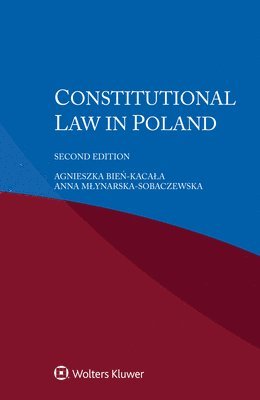
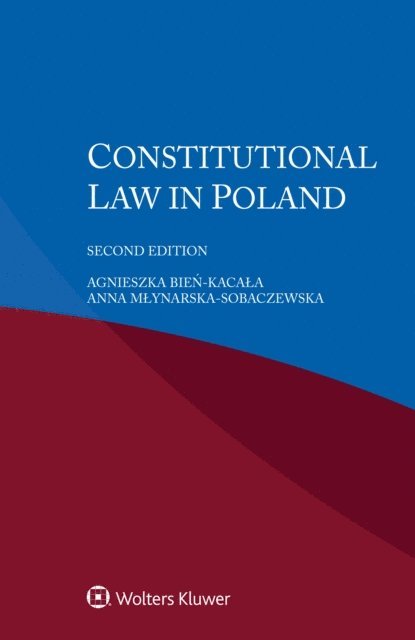
Constitutional Law in Poland
Av Agnieszka Bień-Kacała, Anna Młynarska-Sobaczewska
Häftad, 2021
1026 kr
Lägg i varukorg
Constitutional Law in Poland
Av Anna Mlynarska-Sobaczewska, Agnieszka Bien-Kacala
E-bok, 2021
866 kr
Lägg i varukorg
Derived from the renowned multi-volume International Encyclopaedia of Law s, this very useful analysis of constitutional law in Poland provides essential information on the country’s sources of constitutional law, its form of government, and its administrative structure. Lawyers who handle …
Constitutional Law in Poland
Av Anna Mlynarska-Sobaczewska, Agnieszka Bien-Kacala
E-bok, 2021
866 kr
Lägg i varukorg
Derived from the renowned multi-volume International Encyclopaedia of Law s, this very useful analysis of constitutional law in Poland provides essential information on the country’s sources of constitutional law, its form of government, and its administrative structure. Lawyers who handle …