Timothy H. Parsons - Böcker
Visar alla böcker från författaren Timothy H. Parsons. Handla med fri frakt och snabb leverans.
13 produkter
13 produkter
The Rule of Empires
Those Who Built Them, Those Who Endured Them, and Why They Always Fall
Häftad, Engelska, 2012
209 kr
Skickas inom 5-8 vardagar
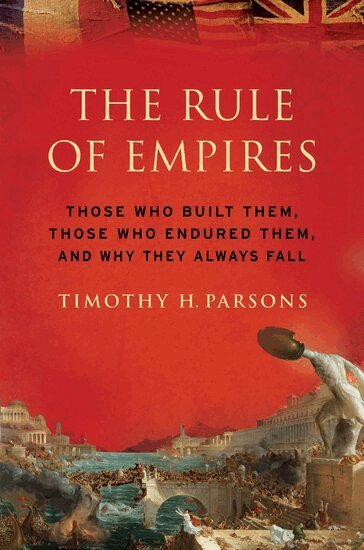
In The Rule of Empires, Timothy Parsons gives a sweeping account of the evolution of empire from its origins in ancient Rome to its most recent twentieth-century embodiment. He explains what constitutes an empire and offers suggestions about what empires of the past can tell us about our own historical moment.Using imperial examples that stretch from ancient Rome to Britain's "new" imperialism in Kenya to the Third Reich, Parsons considers the features common to all empires, their evolutions and self-justifying myths, and the reasons for their inevitable decline. Parsons argues that far from confirming a Darwinian hierarchy of advanced and primitive societies, conquests were simply the products of a temporary advantage in military technology, wealth, and political will. Beneath the self-justifying rhetoric of benevolent paternalism and cultural superiority lay economic exploitation and the desire for power. Yet imperial ambitions still appear viable in the twenty-first century, Parsons shows, because their defenders and detractors alike employ abstract and romanticized perspectives that fail to grasp the historical reality of subjugation. Writing from the perspective of the common subject rather than that of the imperial conquerors, Parsons offers a historically grounded cautionary tale rich with accounts of subjugated peoples throwing off the yoke of empire time and time again. In providing an accurate picture of what it is like to live as a subject, The Rule of Empires lays bare the rationalizations of imperial conquerors and their apologists and exposes the true limits of hard power.
1 177 kr
Skickas inom 10-15 vardagar
1 009 kr
Tillfälligt slut
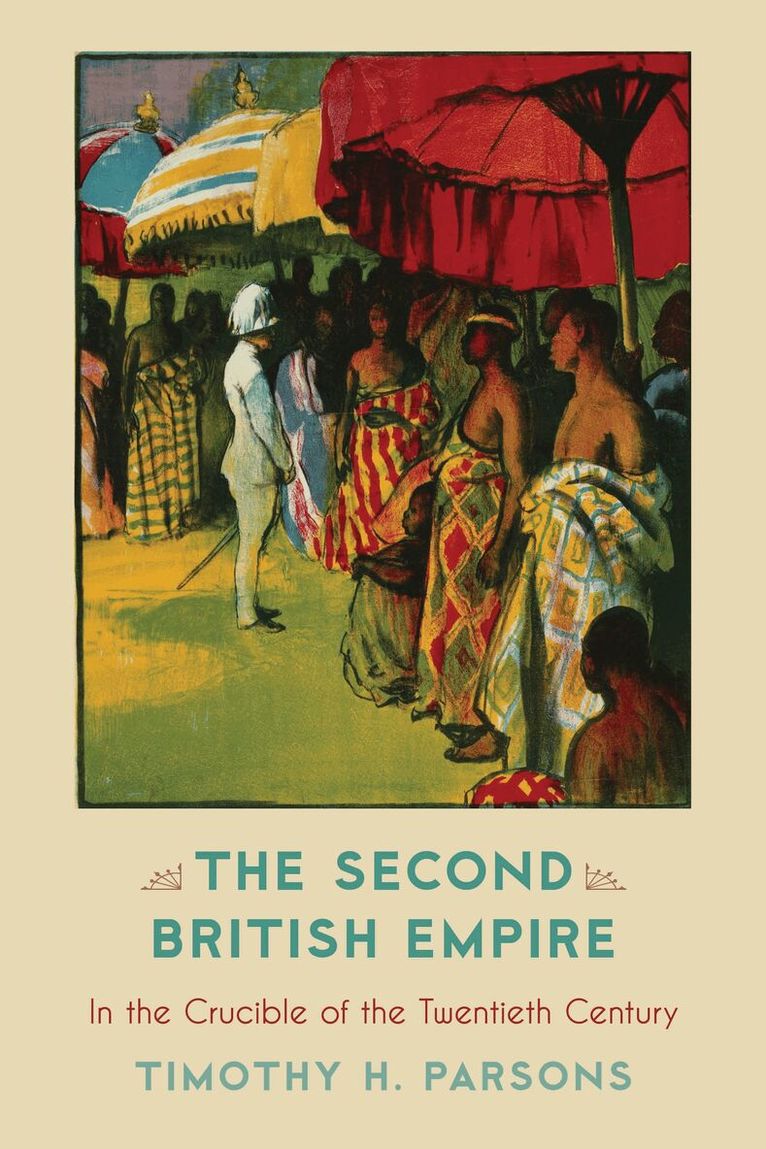
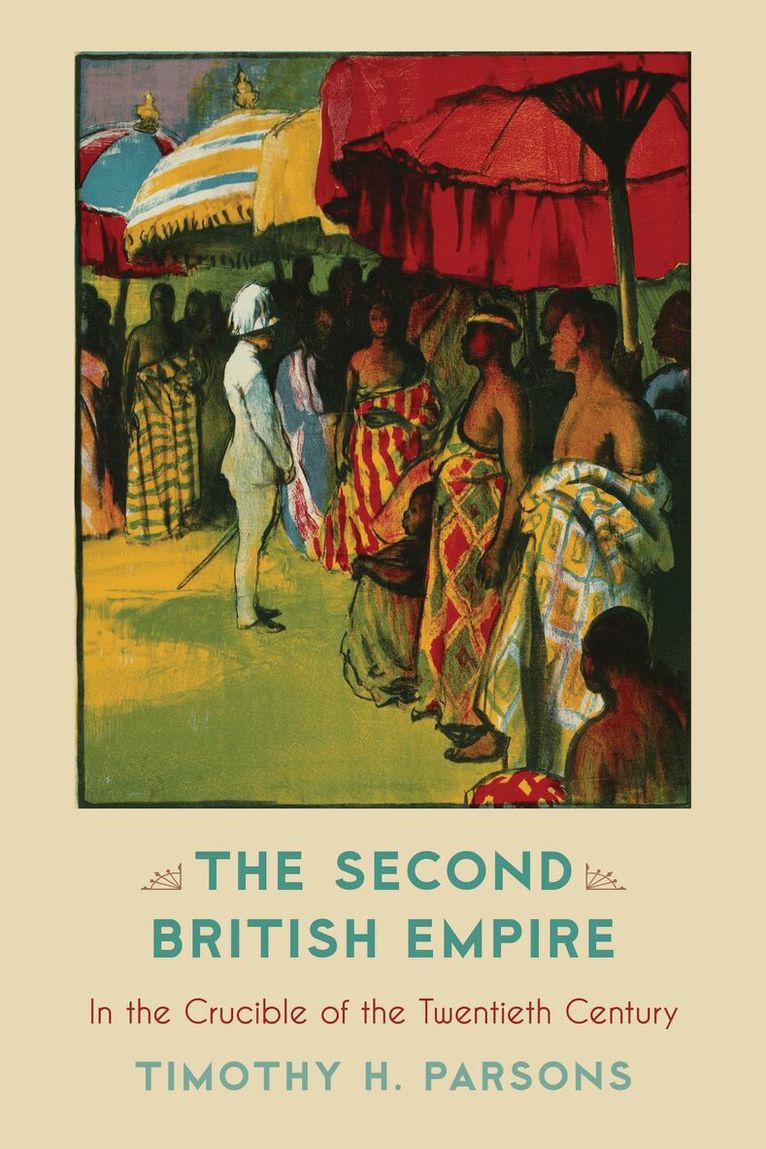
At its peak, the British Empire spanned the world and linked diverse populations in a vast network of exchange that spread people, wealth, commodities, cultures, and ideas around the globe. By the turn of the twentieth century, this empire, which made Britain one of the premier global superpowers, appeared invincible and eternal. This compelling book reveals, however, that it was actually remarkably fragile. Reconciling the humanitarian ideals of liberal British democracy with the inherent authoritarianism of imperial rule required the men and women who ran the empire to portray their non-Western subjects as backward and in need of the civilizing benefits of British rule. However, their lack of administrative manpower and financial resources meant that they had to recruit cooperative local allies to actually govern their colonies. Timothy H. Parsons provides vivid detail of the experiences of subject peoples to explain how this became increasingly difficult and finally impossible after World War II as Africans, Asians, Arabs, and West Indians rejected the imperial notion that they were inferior and refused to be ruled by foreigners. Yet he also shows that the transformation of the British colonies into nation-states was not just a transfer of political power. The new postcolonial societies blended British political, economic, and social institutions with local norms and values in the new nations, while mass migration to Britain from the non-Western parts of the Commonwealth created a much more diverse and plural metropolitan society. This book tells the dramatic story of how the British Empire and its demise accelerated and strengthened globalization by creating webs of commerce, migration, and cultural exchange that linked Britons and their former subjects in new ways and produced blended transnational cultures that were British in origin but no longer British in character or style.
447 kr
Skickas inom 10-15 vardagar
At its peak, the British Empire spanned the world and linked diverse populations in a vast network of exchange that spread people, wealth, commodities, cultures, and ideas around the globe. By the turn of the twentieth century, this empire, which made Britain one of the premier global superpowers, appeared invincible and eternal. This compelling book reveals, however, that it was actually remarkably fragile. Reconciling the humanitarian ideals of liberal British democracy with the inherent authoritarianism of imperial rule required the men and women who ran the empire to portray their non-Western subjects as backward and in need of the civilizing benefits of British rule. However, their lack of administrative manpower and financial resources meant that they had to recruit cooperative local allies to actually govern their colonies. Timothy H. Parsons provides vivid detail of the experiences of subject peoples to explain how this became increasingly difficult and finally impossible after World War II as Africans, Asians, Arabs, and West Indians rejected the imperial notion that they were inferior and refused to be ruled by foreigners. Yet he also shows that the transformation of the British colonies into nation-states was not just a transfer of political power. The new postcolonial societies blended British political, economic, and social institutions with local norms and values in the new nations, while mass migration to Britain from the non-Western parts of the Commonwealth created a much more diverse and plural metropolitan society. This book tells the dramatic story of how the British Empire and its demise accelerated and strengthened globalization by creating webs of commerce, migration, and cultural exchange that linked Britons and their former subjects in new ways and produced blended transnational cultures that were British in origin but no longer British in character or style.
346 kr
Skickas inom 7-10 vardagar
Conceived by General Sir Robert Baden-Powell as a way to reduce class tensions in Edwardian Britain, scouting evolved into an international youth movement. It offered a vision of romantic outdoor life as a cure for disruption caused by industrialization and urbanization. Scouting's global spread was due to its success in attaching itself to institutions of authority. As a result, scouting has become embroiled in controversies in the civil rights struggle in the American South, in nationalist resistance movements in India, and in the contemporary American debate over gay rights.In Race, Resistance, and the Boy Scout Movement in British Colonial Africa, Timothy Parsons uses scouting as an analytical tool to explore the tensions in colonial society. Introduced by British officials to strengthen their rule, the movement targeted the students, juvenile delinquents, and urban migrants who threatened the social stability of the regime. Yet Africans themselves used scouting to claim the rights of full imperial citizenship. They invoked the Fourth Scout Law, which declared that a scout was a brother to every other scout, to challenge racial discrimination.Parsons shows that African scouting was both an instrument of colonial authority and a subversive challenge to the legitimacy of the British Empire. His study of African scouting demonstrates the implications and far-reaching consequences of colonial authority in all its guises.
2 150 kr
Skickas inom 10-15 vardagar
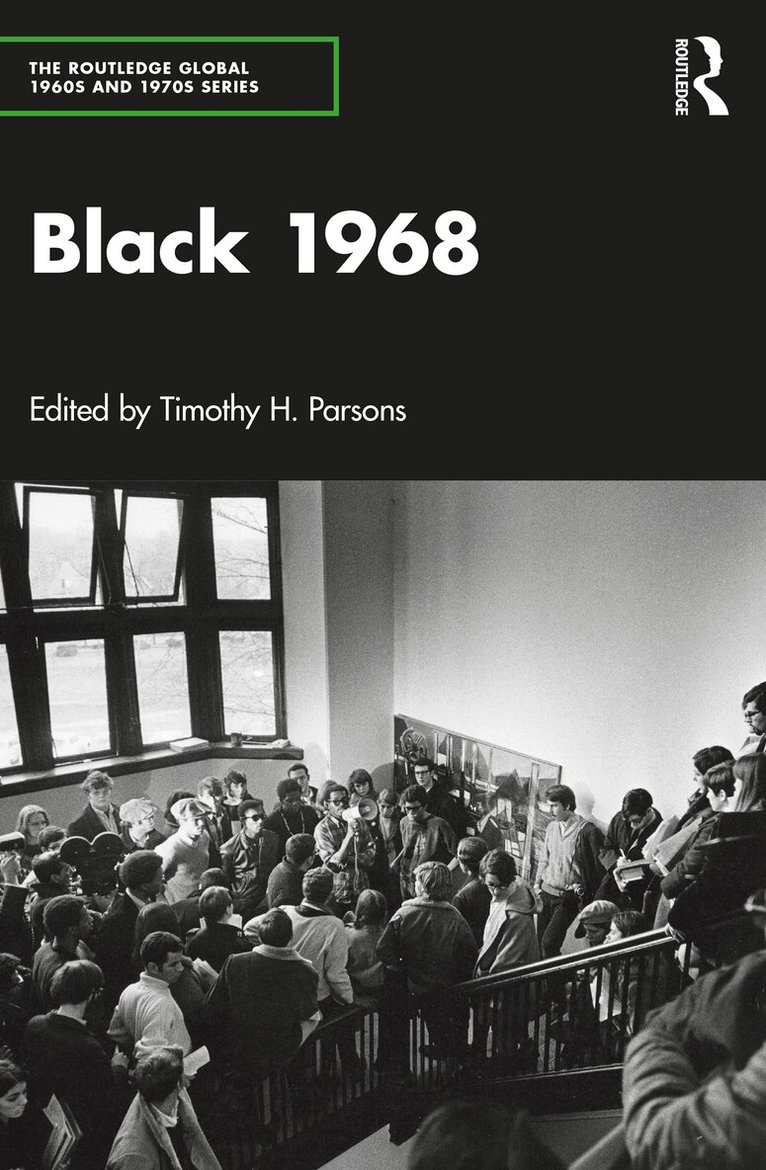
Initially, the 1960s was a time of understandable optimism. The civil rights movement and the legislation it inspired suggested an end to institutionalized racism in the United States, while in the Global South, the emergence of independent states anticipated political liberation and increased prosperity. So, when racial discrimination, entrenched privilege, cold war politics, and fiscal reality dashed these hopes later in the decade, the world experienced a wave of protests. Conventional narratives of 1968 focus on student strikes, revolutions and coups, assassinations, and the reactionary backlash that they inspired.The chapters of Black 1968 reveal the imperfectly documented and heretofore unrecognized bonds that led peoples of African descent around the world to articulate new global conceptions of Blackness as a way to mount local challenges to racism, segregation, colonialism, economic exploitation, generational authority, and cultural chauvinism.This book will be of interest to general readers interested in the global 1968 as well as scholars of Blackness and global history.
593 kr
Skickas inom 10-15 vardagar
Initially, the 1960s was a time of understandable optimism. The civil rights movement and the legislation it inspired suggested an end to institutionalized racism in the United States, while in the Global South, the emergence of independent states anticipated political liberation and increased prosperity. So, when racial discrimination, entrenched privilege, cold war politics, and fiscal reality dashed these hopes later in the decade, the world experienced a wave of protests. Conventional narratives of 1968 focus on student strikes, revolutions and coups, assassinations, and the reactionary backlash that they inspired.The chapters of Black 1968 reveal the imperfectly documented and heretofore unrecognized bonds that led peoples of African descent around the world to articulate new global conceptions of Blackness as a way to mount local challenges to racism, segregation, colonialism, economic exploitation, generational authority, and cultural chauvinism.This book will be of interest to general readers interested in the global 1968 as well as scholars of Blackness and global history.
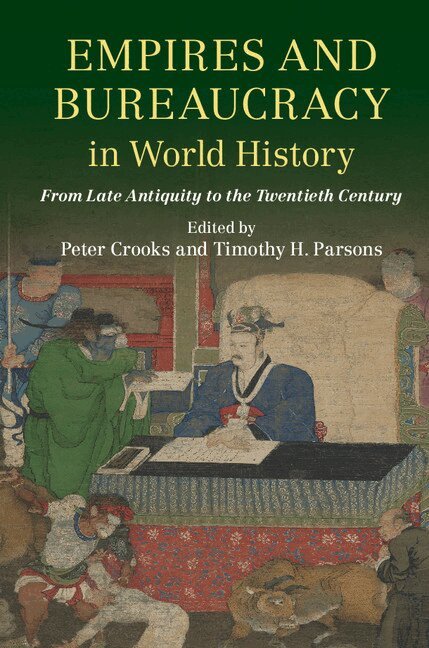
Empires and Bureaucracy in World History
From Late Antiquity to the Twentieth Century
Inbunden, Engelska, 2016
1 390 kr
Skickas inom 7-10 vardagar
How did empires rule different peoples across vast expanses of space and time? And how did small numbers of imperial bureaucrats govern large numbers of subordinated peoples? Empires and Bureaucracy in World History seeks answers to these fundamental problems in imperial studies by exploring the power and limits of bureaucracy. The book is pioneering in bringing together historians of antiquity and the Middle Ages with scholars of post-medieval European empires, while a genuinely world-historical perspective is provided by chapters on China, the Incas and the Ottomans. The editors identify a paradox in how bureaucracy operated on the scale of empires and so help explain why some empires endured for centuries while, in the contemporary world, empires fail almost before they begin. By adopting a cross-chronological and world-historical approach, the book challenges the abiding association of bureaucratic rationality with 'modernity' and the so-called 'Rise of the West'.
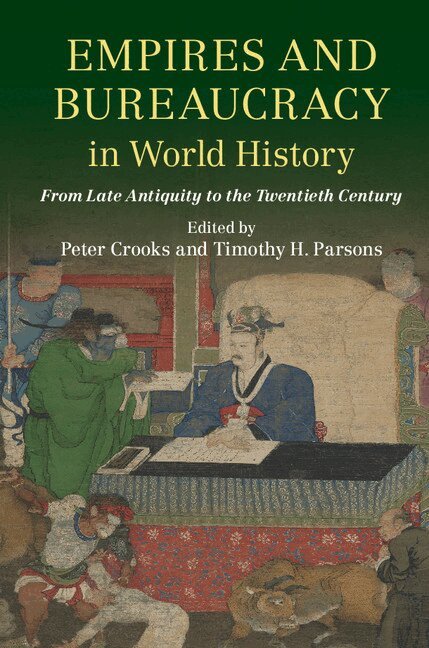
Empires and Bureaucracy in World History
From Late Antiquity to the Twentieth Century
Häftad, Engelska, 2016
422 kr
Skickas inom 7-10 vardagar
How did empires rule different peoples across vast expanses of space and time? And how did small numbers of imperial bureaucrats govern large numbers of subordinated peoples? Empires and Bureaucracy in World History seeks answers to these fundamental problems in imperial studies by exploring the power and limits of bureaucracy. The book is pioneering in bringing together historians of antiquity and the Middle Ages with scholars of post-medieval European empires, while a genuinely world-historical perspective is provided by chapters on China, the Incas and the Ottomans. The editors identify a paradox in how bureaucracy operated on the scale of empires and so help explain why some empires endured for centuries while, in the contemporary world, empires fail almost before they begin. By adopting a cross-chronological and world-historical approach, the book challenges the abiding association of bureaucratic rationality with 'modernity' and the so-called 'Rise of the West'.
901 kr
Skickas inom 10-15 vardagar
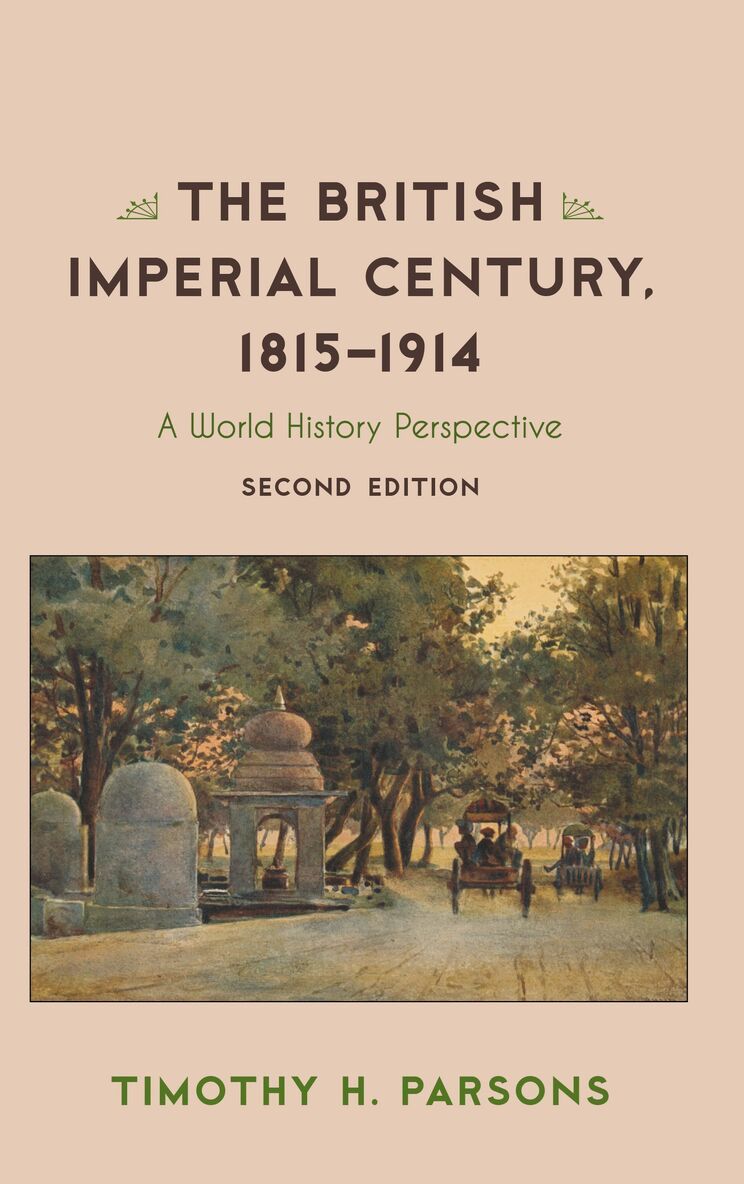
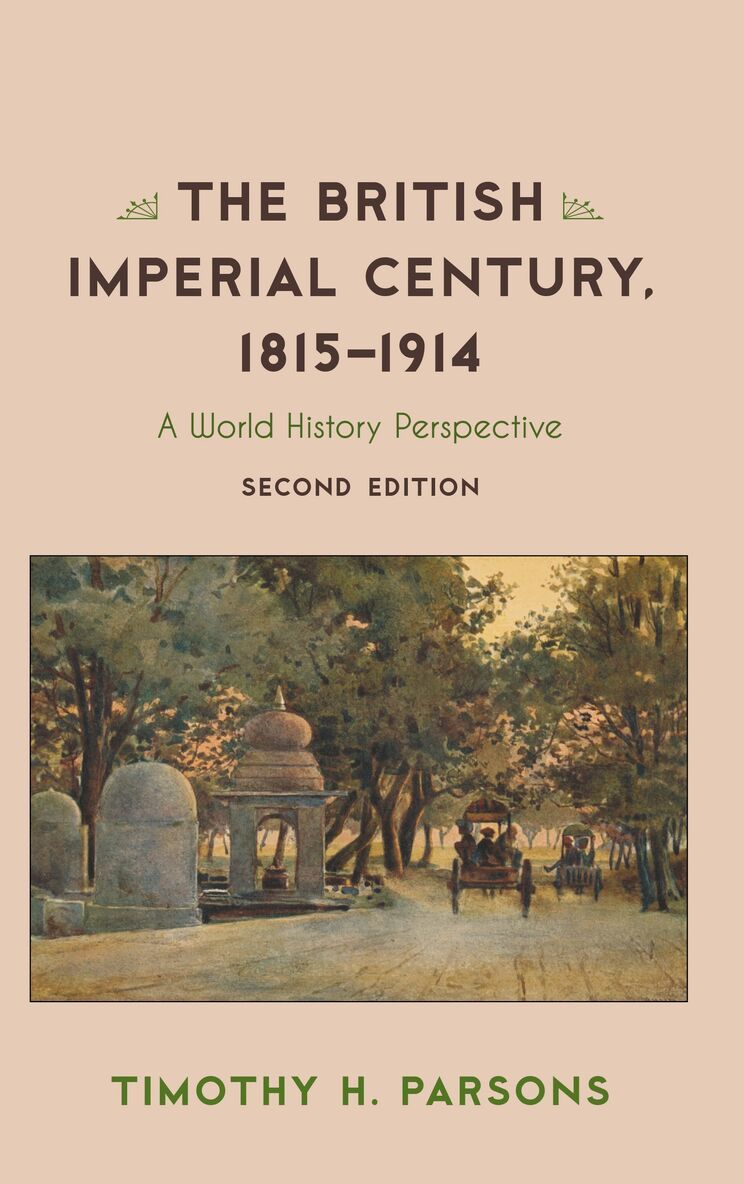
The British Imperial Century provides a concise but comprehensive overview of the formation and administration of the empire from its origins in the early nineteenth century, to its climax at mid-century and ultimate denouement on the eve of the First World War.Considering the impact of British imperial rule and influence on subject peoples, Timothy H. Parsons explores the themes of cross-cultural social and environmental interaction from a world history perspective. He traces the transition from informal to formal empire, which broadened and intensified Britain's relations with Asia, Africa, and the western hemisphere. The establishment of extensive colonies and protectorates in Africa, the occupation of Egypt, the declaration of the Raj in India, and increased economic and political intervention in Latin America and in the Chinese and Ottoman empires brought ever-larger numbers of non-European peoples and cultures under either the influence or direct authority of the British Crown.By considering British imperialism through the lens of world history, Parsons moves beyond questions of Britain's motives in acquiring more territory to ask how it was able to acquire such an empire. As a global network of exchanges, the British Empire linked disparate regions in a series of distinct but overlapping exchanges. By co-opting and adapting the values and customs of their subjects imperial rulers strengthened their authority and legitimacy, but in doing so produced a hybrid culture that was largely British in style but not entirely British in substance. An ambitious and thoughtful contribution, The British Imperial Century will be invaluable for courses on world history and European history and as a supplement for courses on African, Asian, British, and Middle Eastern history.
447 kr
Skickas inom 10-15 vardagar
The British Imperial Century provides a concise but comprehensive overview of the formation and administration of the empire from its origins in the early nineteenth century, to its climax at mid-century and ultimate denouement on the eve of the First World War.Considering the impact of British imperial rule and influence on subject peoples, Timothy H. Parsons explores the themes of cross-cultural social and environmental interaction from a world history perspective. He traces the transition from informal to formal empire, which broadened and intensified Britain's relations with Asia, Africa, and the western hemisphere. The establishment of extensive colonies and protectorates in Africa, the occupation of Egypt, the declaration of the Raj in India, and increased economic and political intervention in Latin America and in the Chinese and Ottoman empires brought ever-larger numbers of non-European peoples and cultures under either the influence or direct authority of the British Crown.By considering British imperialism through the lens of world history, Parsons moves beyond questions of Britain's motives in acquiring more territory to ask how it was able to acquire such an empire. As a global network of exchanges, the British Empire linked disparate regions in a series of distinct but overlapping exchanges. By co-opting and adapting the values and customs of their subjects imperial rulers strengthened their authority and legitimacy, but in doing so produced a hybrid culture that was largely British in style but not entirely British in substance. An ambitious and thoughtful contribution, The British Imperial Century will be invaluable for courses on world history and European history and as a supplement for courses on African, Asian, British, and Middle Eastern history.
1 578 kr
Skickas inom 10-15 vardagar
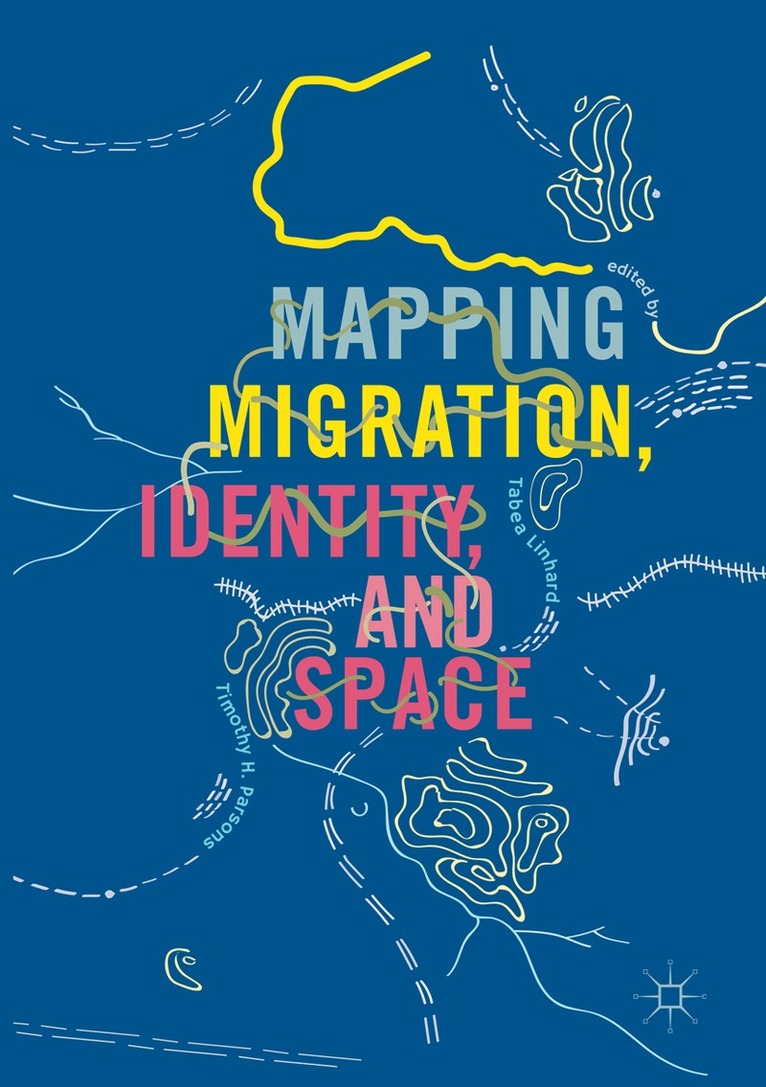
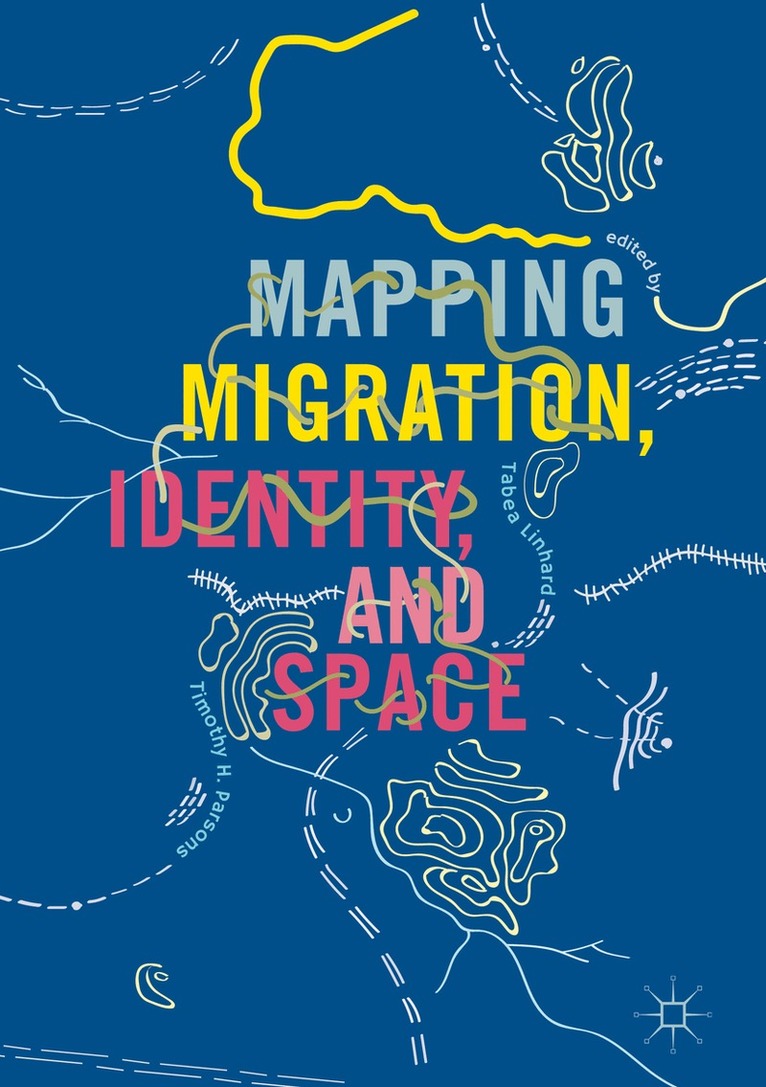
This interdisciplinary collection of essays focuses on the ways in which movements of people across natural, political, and cultural boundaries shape identities that are inexorably linked to the geographical space that individuals on the move cross, inhabit, and leave behind.
1 578 kr
Skickas inom 10-15 vardagar
This interdisciplinary collection of essays focuses on the ways in which movements of people across natural, political, and cultural boundaries shape identities that are inexorably linked to the geographical space that individuals on the move cross, inhabit, and leave behind.