Tinsley E. Yarbrough – författare
Visar alla böcker från författaren Tinsley E. Yarbrough. Handla med fri frakt och snabb leverans.
17 produkter
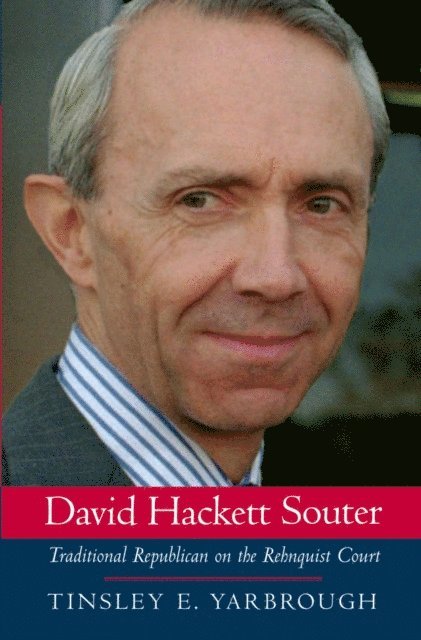
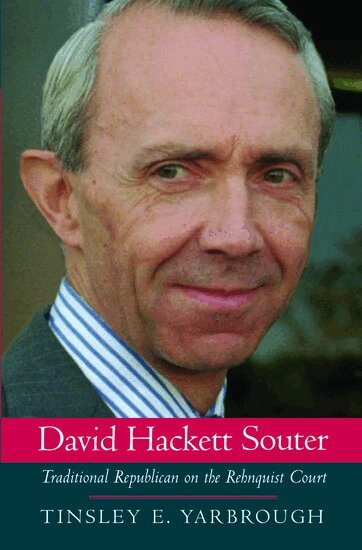
David Hackett Souter
Traditional Republican on the Rehnquist Court
E-bok, 2005
740 kr
Lägg i varukorg
When the first President Bush chose David Hackett Souter for the Supreme Court in 1990, the slender New Englander with the shy demeanor and ambiguous past was quickly dubbed a "stealth candidate". Since his appointment, Souter has embraced a flexible, evolving, and highly pragmatic judicial style …
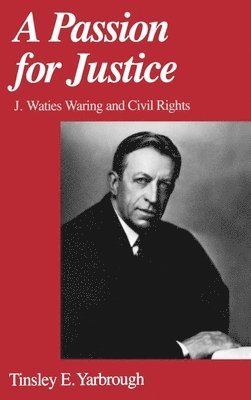
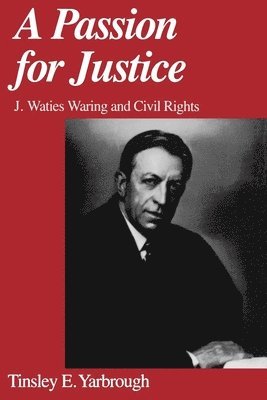
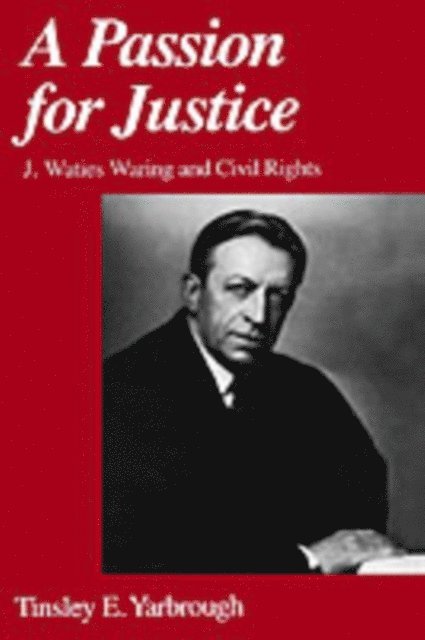
A Passion for Justice
J. Waties Waring and Civil Rights
Inbunden, 1988
1548 kr
Lägg i varukorg
This book tells the story of a brave man in troubled times. Judge J. Waties Waring, a member of the old South Carolina family, served on the United States district court in Charleston, South Carolina from 1942 to 1952. Little in his background and early judicial tenure suggested one willing to risk …
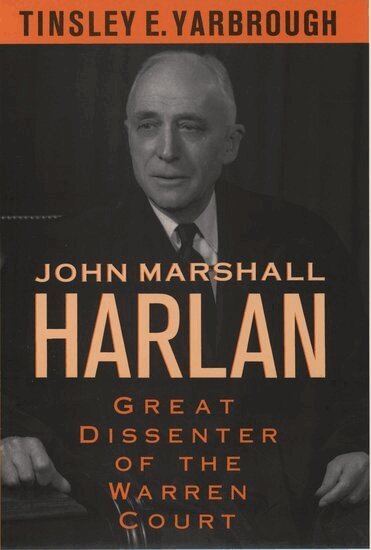
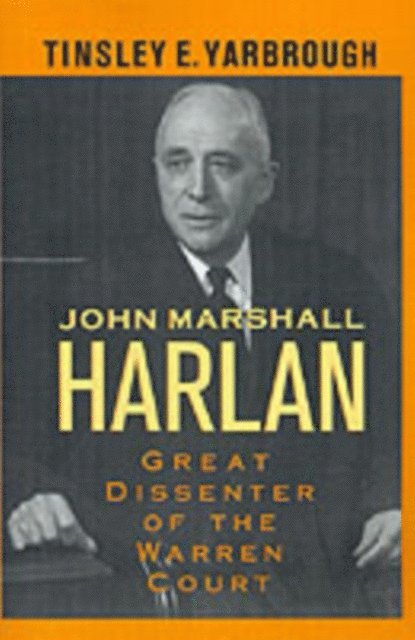
John Marshall Harlan
Great Dissenter of the Warren Court
Inbunden, 1992
948 kr
Lägg i varukorg
John Marshall Harlan served on the Supreme Court from 1955 until his retirement and death in 1971. An articulate and forceful critic of the expansive civil liberties doctrines and constitutional trends of the period, Harlan is considered one of the most scholarly jurists ever to have served on the …
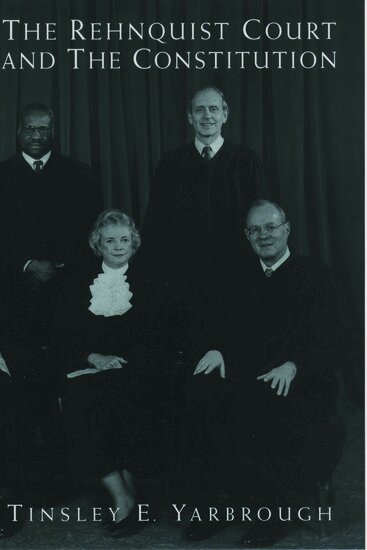
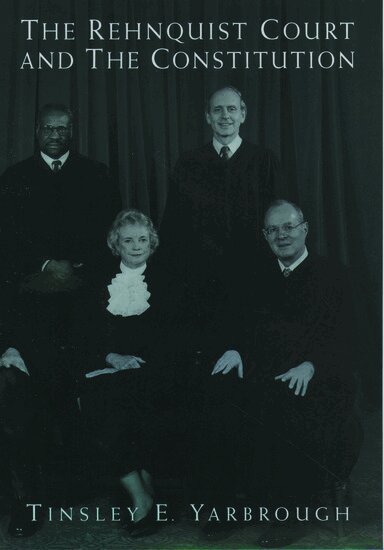
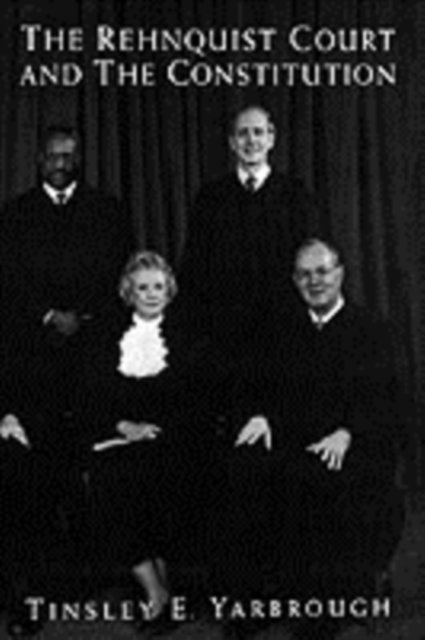
The Rehnquist Court and the Constitution
Inbunden, 2000
583 kr
Lägg i varukorg
In The Rehnquist Court and the Constitution, Tinsley Yarbrough provides a comprehensive look at today's Supreme Court Justices and their record--a study all the more valuable for the Court's mixed decisions and hard-to-categorize course. An accomplished biographer, Yarbrough offers incisive …
The Rehnquist Court and the Constitution
Häftad, 2001
418 kr
Lägg i varukorg
In The Rehnquist Court and the Constitution, Tinsley Yarbrough provides a comprehensive look at today's Supreme Court Justices and their record--a study all the more valuable for the Court's mixed decisions and hard-to-categorize course. An accomplished biographer, Yarbrough offers incisive …
A Passion for Justice
J. Waties Waring and Civil Rights
Häftad, 2001
872 kr
Lägg i varukorg
An eighth-generation Charlestonian with a prestigious address, impeccable social credentials, and years of intimate association with segregationist politicians, U.S. District Court Judge Julius Waties Waring shocked family, friends, and an entire state in 1945 when, at age sixty-five, he divorced …
David Hackett Souter
Traditional Republican on the Rehnquist Court
Inbunden, 2005
1067 kr
Lägg i varukorg
When the first President Bush chose David Hackett Souter for the Supreme Court in 1990, the slender New Englander with the shy demeanor and ambiguous past was quickly dubbed a "stealth candidate". Determined to avoid a repeat of the firestorm surrounding President Reagan's nomination of the …
David Hackett Souter
Traditional Republican on the Rehnquist Court
E-bok, 2005
534 kr
Lägg i varukorg
When the first President Bush chose David Hackett Souter for the Supreme Court in 1990, the slender New Englander with the shy demeanor and ambiguous past was quickly dubbed a "stealth candidate". Since his appointment, Souter has embraced a flexible, evolving, and highly pragmatic judicial style …
Rehnquist Court and the Constitution
E-bok, 2000
171 kr
Lägg i varukorg
In The Rehnquist Court and the Constitution , Tinsley Yarbrough provides a comprehensive look at today''s Supreme Court Justices and their record--a study all the more valuable for the Court''s mixed decisions and hard-to-categorize course. An accomplished biographer, Yarbrough offers incisive …
John Marshall Harlan
Great Dissenter of the Warren Court
E-bok, 1992
478 kr
Lägg i varukorg
When David Souter was nominated by President Bush to the Supreme Court, he cited John Marshall Harlan as his model. It was an interesting choice. Admired by conservatives and deeply respected by his liberal brethren, Harlan was a man, as Justice William Brennan lamented, whose "massive scholarship" …
Passion for Justice
J. Waties Waring and Civil Rights
E-bok, 1987
428 kr
Lägg i varukorg
An eighth-generation Charlestonian with a prestigious address, impeccable social credentials, and years of intimate association with segregationist politicians, U.S. District Court Judge Julius Waties Waring shocked family, friends, and an entire state in 1945 when, at age sixty-five, he divorced …
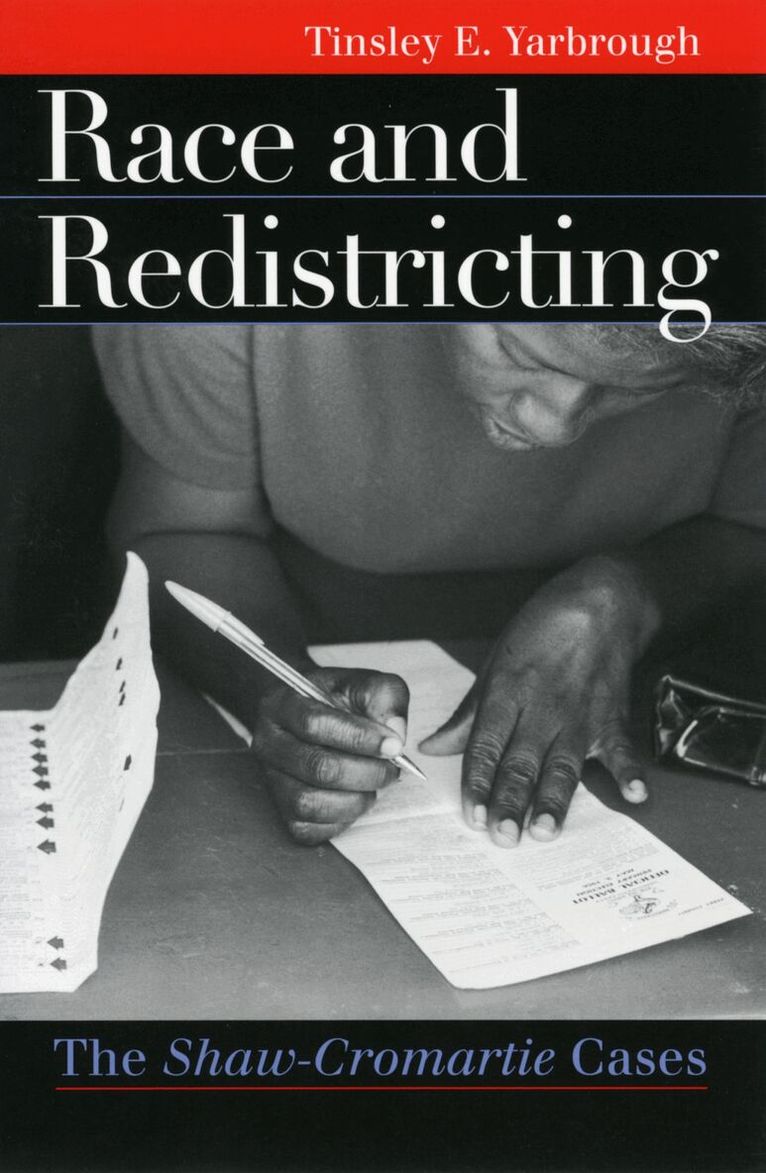
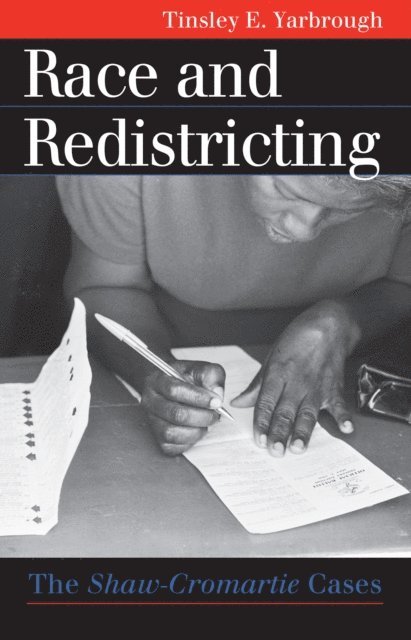
Race and Redistricting
The Shaw-Cromartie Cases
Häftad, 2002
305 kr
Lägg i varukorg
In 1993-2001, three cases in North Carolina went before the Supreme Court to decide how far a state could establish voting districts along racial lines. This text explores how the Court addressed the constitutionality of redistricting within the contexts of civil rights and partisan politics.
Race and Redistricting
The Shaw-Cromartie Cases
E-bok, 2024
410 kr
Lägg i varukorg
Through much of the 1990s, a newly hatched snake wreaked political havoc in the South. When North Carolina gained a seat in Congress following the 1990 census, it sought to rectify a long-standing failure to represent African American voters by creating, under federal pressure, two …
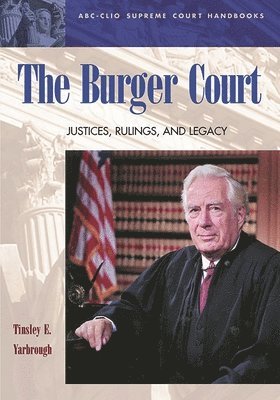
Burger Court
Justices, Rulings, and Legacy
Inbunden, 2000
786 kr
Lägg i varukorg
A valuable analysis of the political environment, judicial records, and implications of rulings during the era of the Burger Court.The Burger Court delivered significant decisions in cases involving the separation of powers, equal protection, free speech, and civil liberties. The Burger Court …
Race and Redistricting
The Shaw-Cromartie Cases
Inbunden, 2002
1036 kr
Tillfälligt slut
In 1993-2001, three cases in North Carolina went before the Supreme Court to decide how far a state could establish voting districts along racial lines. This text explores how the Court addressed the constitutionality of redistricting within the contexts of civil rights and partisan politics.
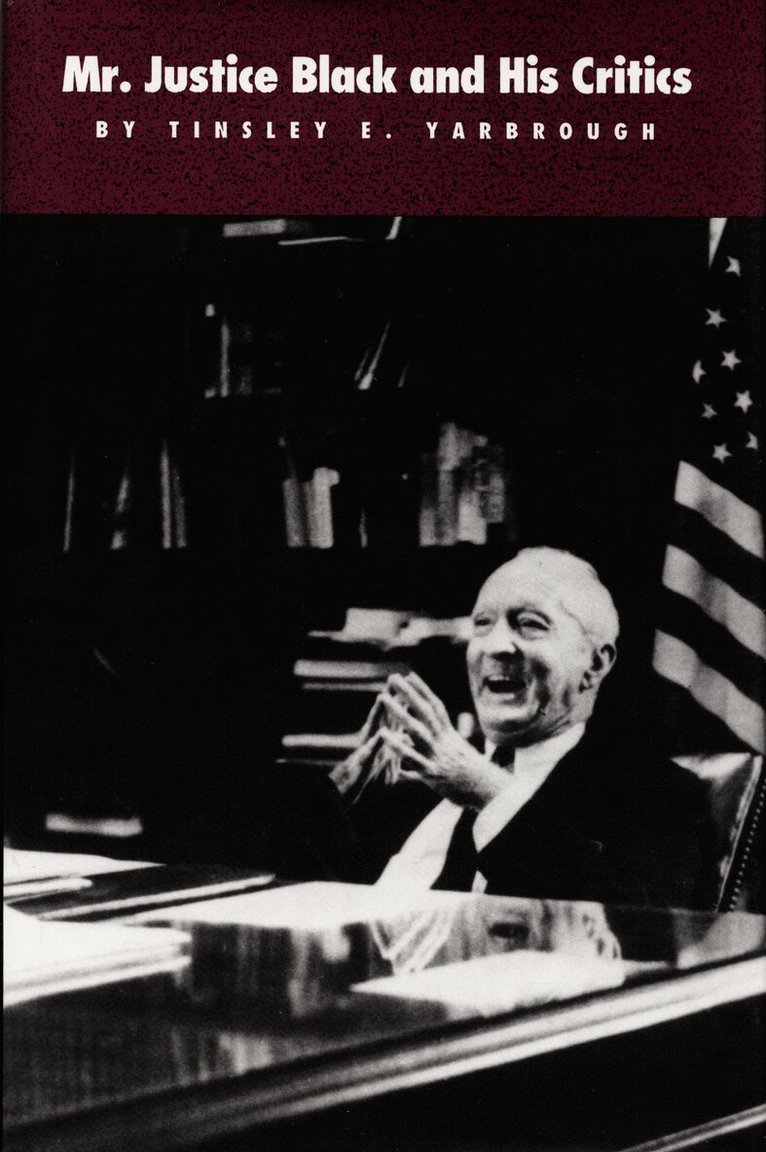
Mr. Justice Black and His Critics
Inbunden, 1988
1350 kr
Tillfälligt slut
Many jurists give lip service to the idea that judicial interpretation of constitutional provisions should be based on the intent of the framers. Few, if any, have been as faithful to that conception as Hugo Black. As U.S. senator from Alabama, Black was a vigorous critic of the Supreme Court's use …