Titas Chakraborty – författare
Visar alla böcker från författaren Titas Chakraborty. Handla med fri frakt och snabb leverans.
6 produkter
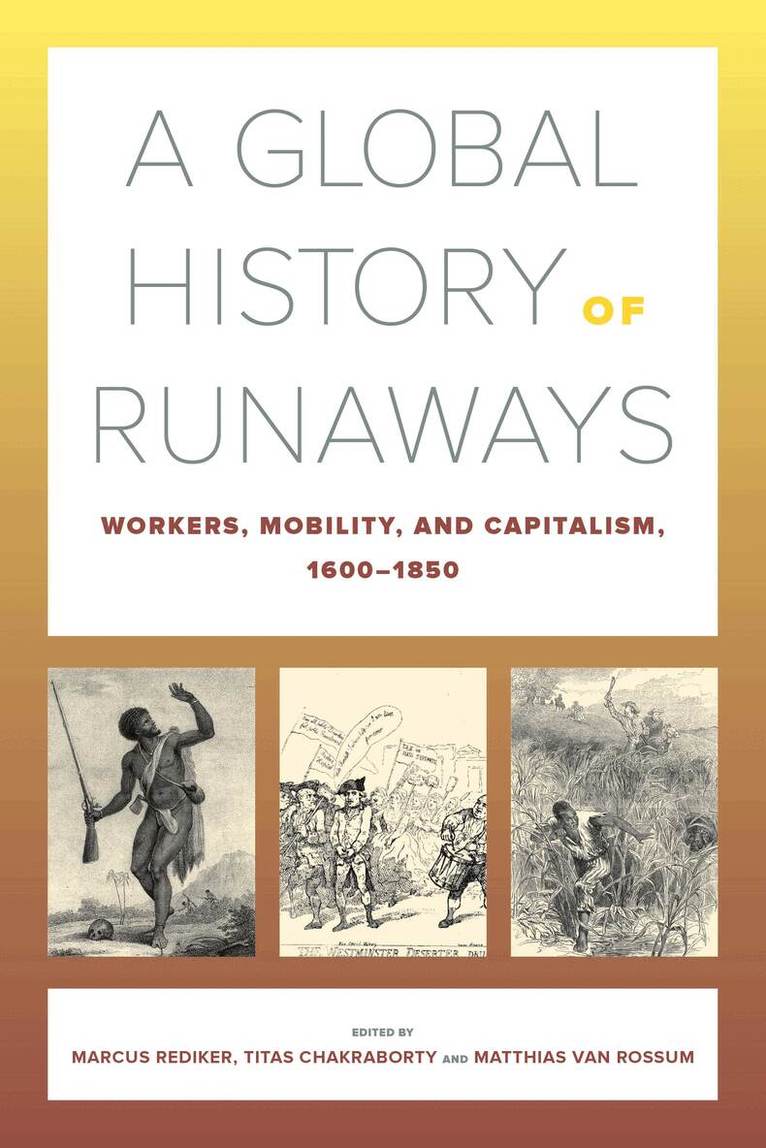
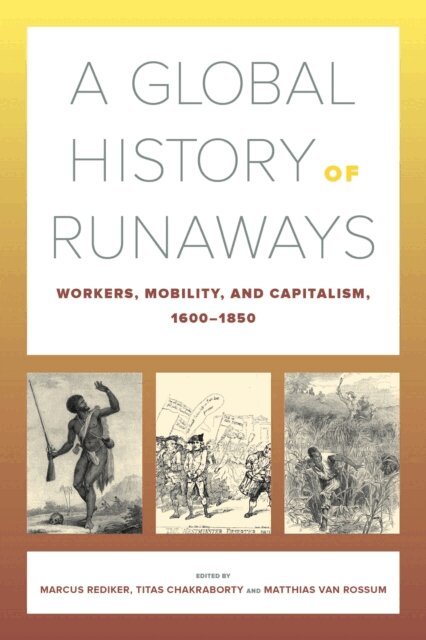
Global History of Runaways
Workers, Mobility, and Capitalism, 1600–1850
Av Marcus Rediker, Titas Chakraborty m. fl.
Inbunden, 2019
1190 kr
Lägg i varukorg
During global capitalism's long ascent from 1600–1850, workers of all kinds—slaves, indentured servants, convicts, domestic workers, soldiers, and sailors—repeatedly ran away from their masters and bosses, with profound effects. A Global History of Runaways, edited by Marcus Rediker, Titas …
Global History of Runaways
Workers, Mobility, and Capitalism, 1600–1850
Av Marcus Rediker, Titas Chakraborty m. fl.
Häftad, 2019
316 kr
Lägg i varukorg
During global capitalism's long ascent from 1600–1850, workers of all kinds—slaves, indentured servants, convicts, domestic workers, soldiers, and sailors—repeatedly ran away from their masters and bosses, with profound effects. A Global History of Runaways, edited by Marcus Rediker, Titas …
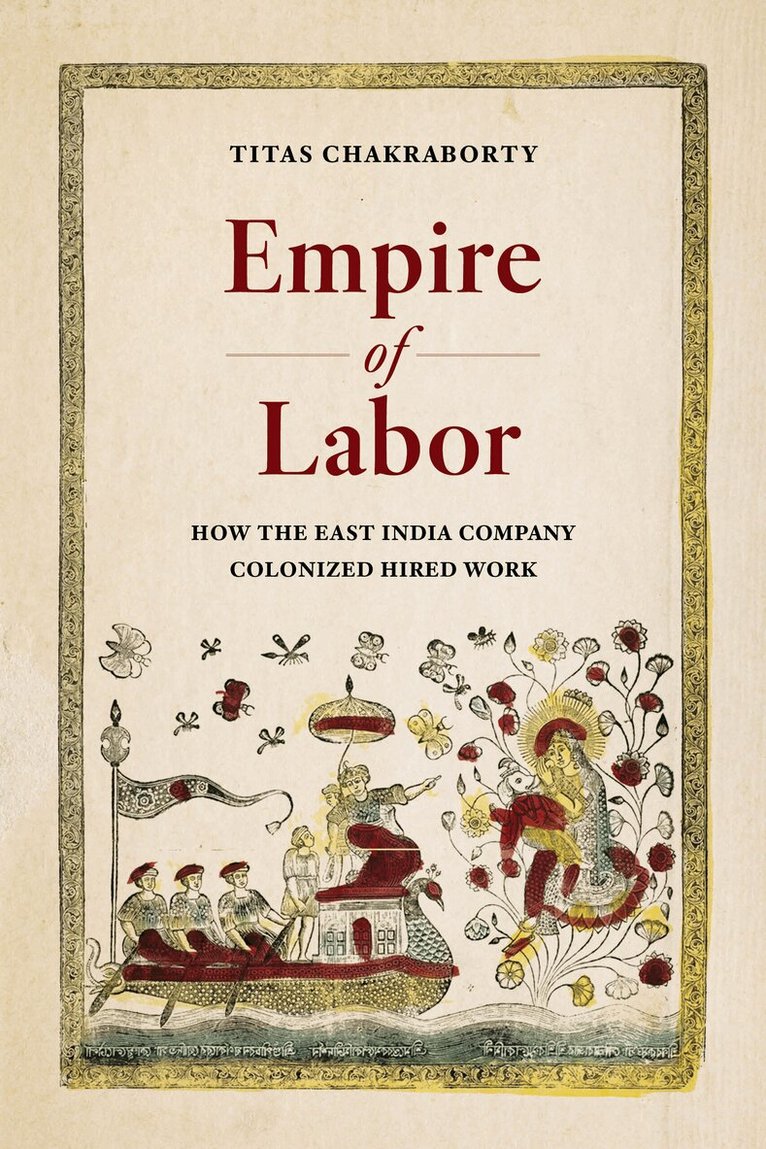
Empire of Labor
How the East India Company Colonized Hired Work
Inbunden, 2025
847 kr
Lägg i varukorg
Empire of Labor tells the story of how hired workers experienced and responded to the rise to power over the long eighteenth century of the English East India Company (EIC), which perennially hired thousands of people in and around its settlements in Bengal. Focusing on boatmen and silk reelers as …
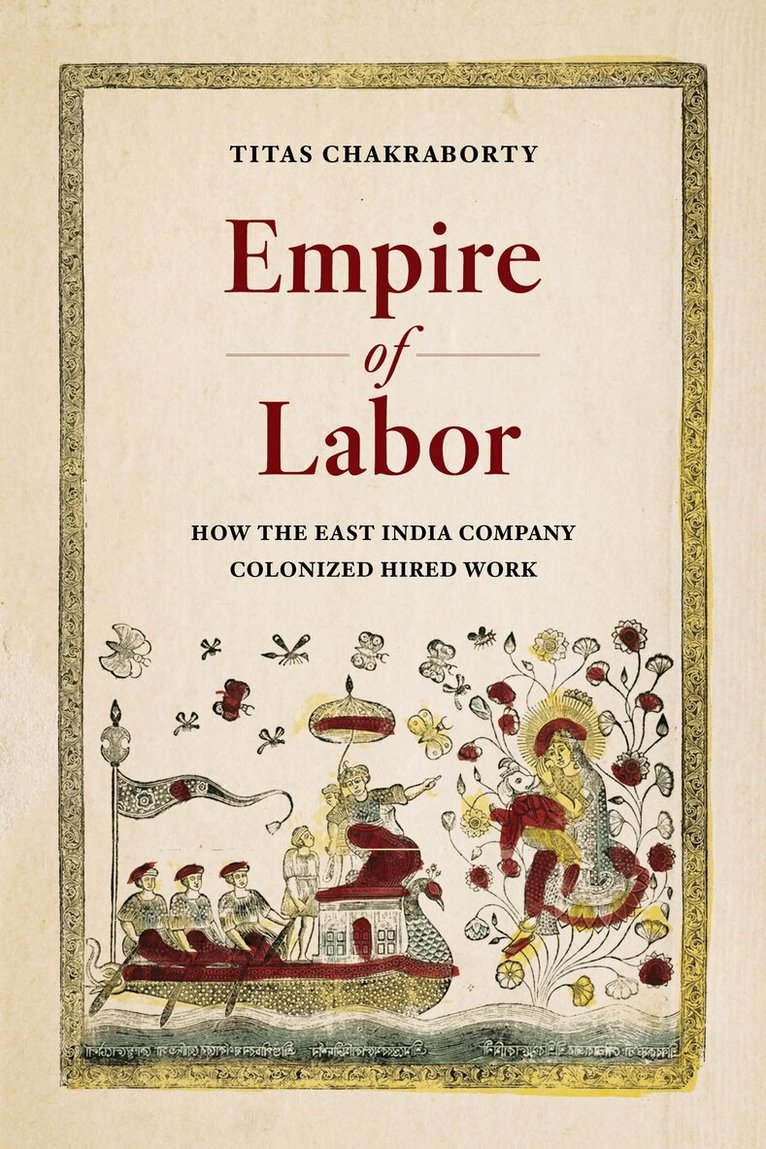
Empire of Labor
How the East India Company Colonized Hired Work
Häftad, 2025
272 kr
Lägg i varukorg
Empire of Labor tells the story of how hired workers experienced and responded to the rise to power over the long eighteenth century of the English East India Company (EIC), which perennially hired thousands of people in and around its settlements in Bengal. Focusing on boatmen and silk reelers as …
Empire of Labor
How the East India Company Colonized Hired Work
E-bok, 2025
446 kr
Lägg i varukorg
Empire of Labor tells the story of how hired workers experienced and responded to the rise to power over the long eighteenth century of the English East India Company (EIC), which perennially hired thousands of people in and around its settlements in Bengal. Focusing on boatmen and silk reelers as …
Global History of Runaways
Workers, Mobility, and Capitalism, 1600–1850
Av Matthias van Rossum, Titas Chakraborty m. fl.
E-bok, 2019
524 kr
Lägg i varukorg
During global capitalism's long ascent from 1600–1850, workers of all kinds—slaves, indentured servants, convicts, domestic workers, soldiers, and sailors—repeatedly ran away from their masters and bosses, with profound effects. A G l oba l H ist o ry o f Runaways , edited by Marcus Rediker, Titas …