
Tom de Bruin – författare
Visar alla böcker från författaren Tom de Bruin. Handla med fri frakt och snabb leverans.
5 produkter
5 produkter
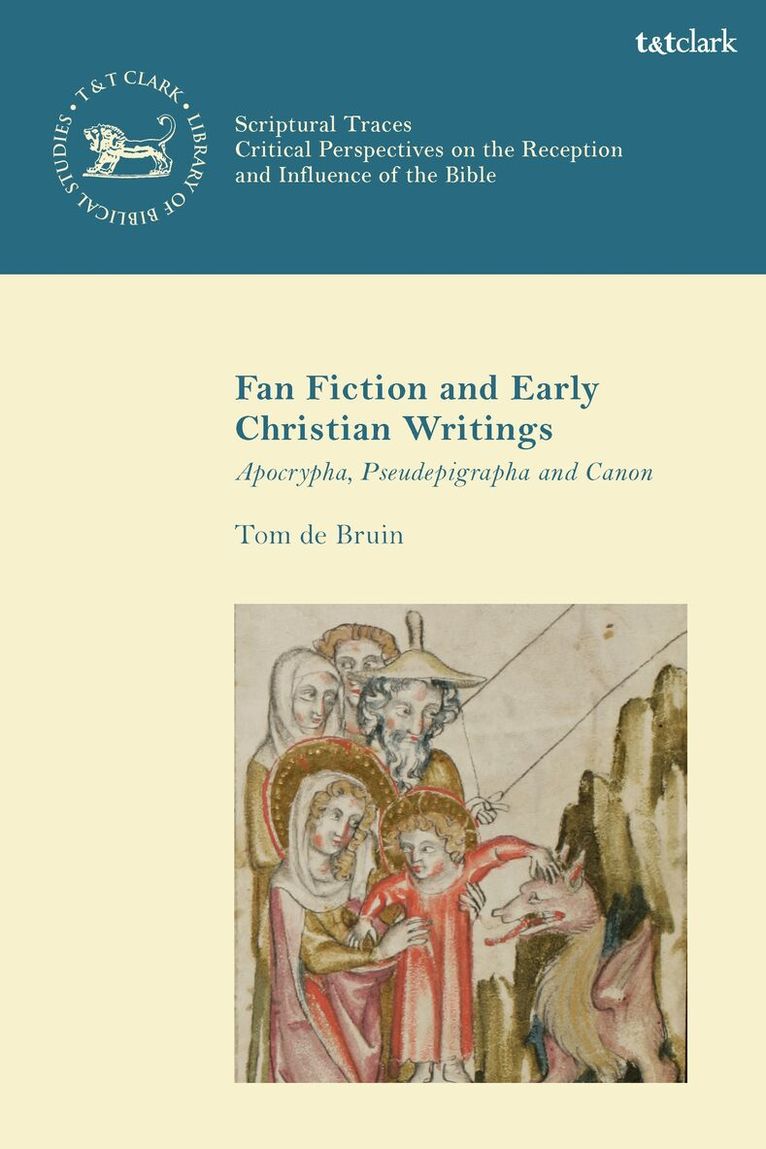
Inbunden, Engelska, 2024
1 224 kr
Skickas inom 10-15 vardagar
What can contemporary media fandoms, like Anne Rice, Star Wars, Batman, or Sherlock Holmes, tell us about ancient Christianity? Tom de Bruin demonstrates how fandom and fan fiction are both analogous and incongruous with Christian derivative works. The often-disparaging terms applied to Christian apocrypha and pseudepigrapha, such as fakes, forgeries or corruptions, are not sufficient to capture the production, consumption, and value of these writings. De Bruin reimagines a range of early Christian works as fan practices. Exploring these ancient texts in new ways, he takes the reader on a journey from the ‘fix-it fic’ endings of the Gospel of Mark to the subversive fan fictions of the Testaments of the Twelve Patriarchs, and from the densely populated storyworld of early Christian art to the gatekeeping of Christian orthodoxy.Using theory developed in fan studies, De Bruin revisits fundamental questions about ancient derivative texts: Why where they written? How do they interact with more established texts? In what ways does the consumption of derivative works influence the reception of existing traditions? And how does the community react to these works? This book sheds exciting and new light on ancient Christian literary production, consumption and transmission.
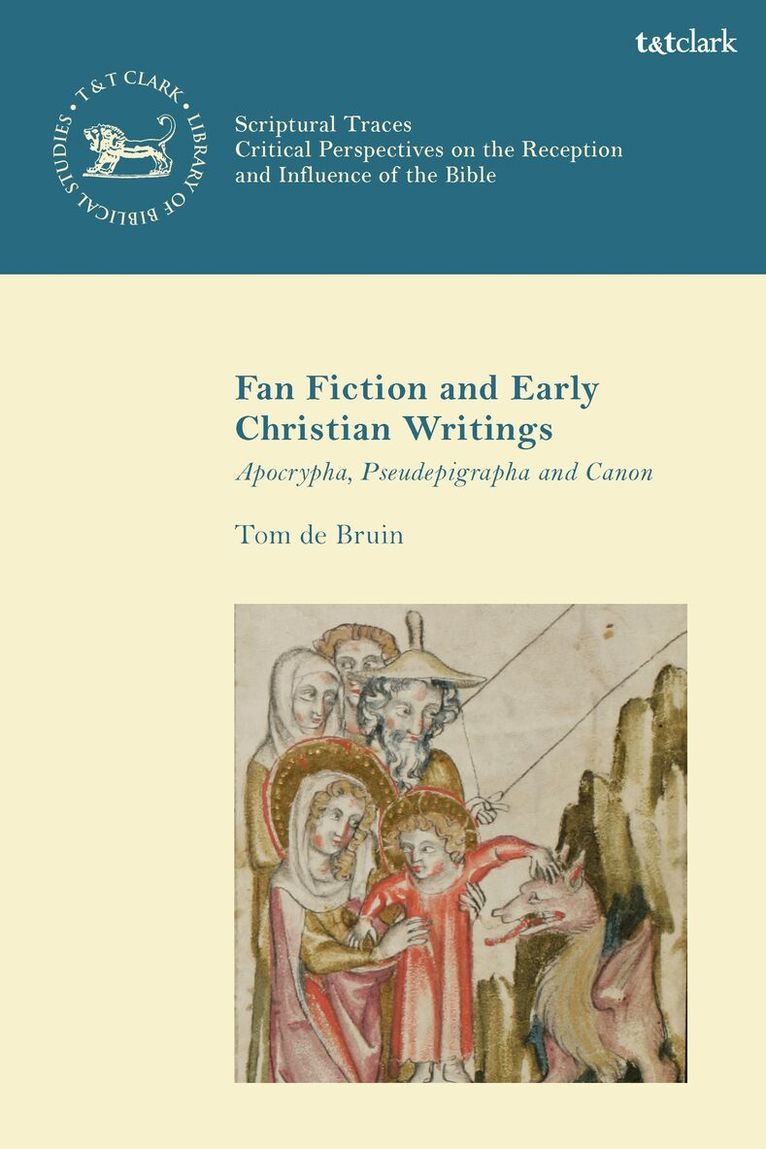
Häftad, Engelska, 2025
399 kr
Skickas inom 10-15 vardagar
What can contemporary media fandoms, like Anne Rice, Star Wars, Batman, or Sherlock Holmes, tell us about ancient Christianity? Tom de Bruin demonstrates how fandom and fan fiction are both analogous and incongruous with Christian derivative works. The often-disparaging terms applied to Christian apocrypha and pseudepigrapha, such as fakes, forgeries or corruptions, are not sufficient to capture the production, consumption, and value of these writings. De Bruin reimagines a range of early Christian works as fan practices. Exploring these ancient texts in new ways, he takes the reader on a journey from the ‘fix-it fic’ endings of the Gospel of Mark to the subversive fan fictions of the Testaments of the Twelve Patriarchs, and from the densely populated storyworld of early Christian art to the gatekeeping of Christian orthodoxy.Using theory developed in fan studies, De Bruin revisits fundamental questions about ancient derivative texts: Why where they written? How do they interact with more established texts? In what ways does the consumption of derivative works influence the reception of existing traditions? And how does the community react to these works? This book sheds exciting and new light on ancient Christian literary production, consumption and transmission.
Häftad, Engelska, 2018
211 kr
Skickas inom 5-8 vardagar
Inbunden, Engelska, 2018
385 kr
Skickas inom 5-8 vardagar

Inbunden, Engelska, 2014
1 523 kr
Skickas inom 11-20 vardagar
The Testaments of the Twelve Patriarchs (T12P), one of the longest texts of the so-called Old Testament Pseudepigrapha, presents the fictitious farewell speeches that the twelve sons of Jacob held on their respective deathbeds. Tom de Bruin examines these twelve monologues as literary products in order to understand the function of the text for the setting in which it was composed. He approaches T12P from three directions: an analysis of the paraenetic parts, a discussion of the anthropology, and a comparative examination of other contemporaneous works documenting a world-view similar to T12P.These three approaches merge into a detailed discussion about the reasoning behind the admonition in T12P, and identifies the fundamental message of the text, namely that each person stands between the forces of good and evil and that this person is called to constantly decide which way to follow. Though T12P is still familiar with the apocalyptic origin and plays with the cosmological implications of this 'great controversy', the text clearly puts the emphasis on the battle inside each individual. It is thereby an important witness for reinterpreting and reapplying apocalyptic traditions through ethicizing them and focusing on the individual. Such an individualistic application of the 'great controversy' theme can be found in a number of other (mostly Christian) works, revealing a similar understanding of mankinds existence and development as in T12P. The analysis of the ethical reappropriation of apocalyptic traditions in T12P provides important insights into the foundations of early Christian ethics, ancient anthropology, and the Jewish and Christian understanding of the struggle between good and evil. The Testaments of the Twelve Patriarchs (T12P), one of the longest texts of the so-called Old Testament Pseudepigrapha, presents the fictitious farewell speeches that the twelve sons of Jacob held on their respective deathbeds. Tom de Bruin examines these twelve monologues as literary products in order to understand the function of the text for the setting in which it was composed. He approaches T12P from three directions: an analysis of the paraenetic parts, a discussion of the anthropology, and a comparative examination of other contemporaneous works documenting a world-view similar to T12P.These three approaches merge into a detailed discussion about the reasoning behind the admonition in T12P, and identifies the fundamental message of the text, namely that each person stands between the forces of good and evil and that this person is called to constantly decide which way to follow. Though T12P is still familiar with the apocalyptic origin and plays with the cosmological implications of this 'great controversy', the text clearly puts the emphasis on the battle inside each individual. It is thereby an important witness for reinterpreting and reapplying apocalyptic traditions through ethicizing them and focusing on the individual. Such an individualistic application of the 'great controversy' theme can be found in a number of other (mostly Christian) works, revealing a similar understanding of mankinds existence and development as in T12P. The analysis of the ethical reappropriation of apocalyptic traditions in T12P provides important insights into the foundations of early Christian ethics, ancient anthropology, and the Jewish and Christian understanding of the struggle between good and evil.