Tom Sparrow - Böcker
Visar alla böcker från författaren Tom Sparrow. Handla med fri frakt och snabb leverans.
10 produkter
10 produkter
249 kr
Skickas inom 5-8 vardagar
1 276 kr
Skickas inom 10-15 vardagar
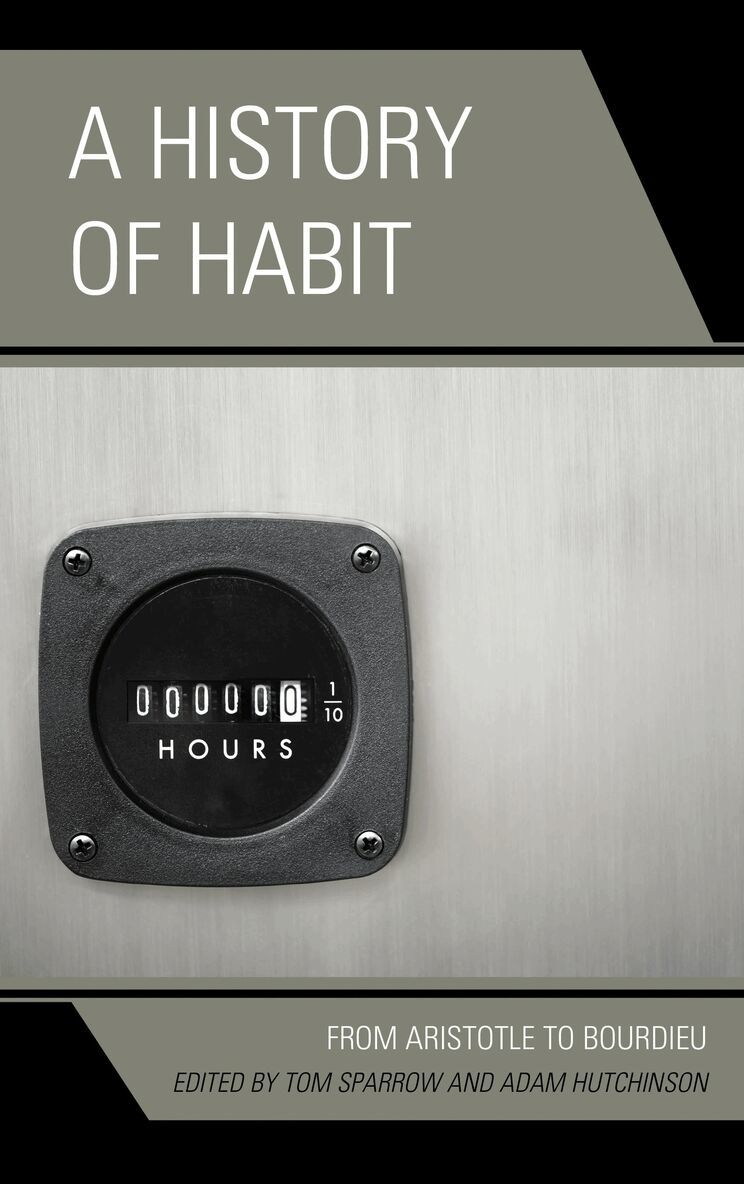
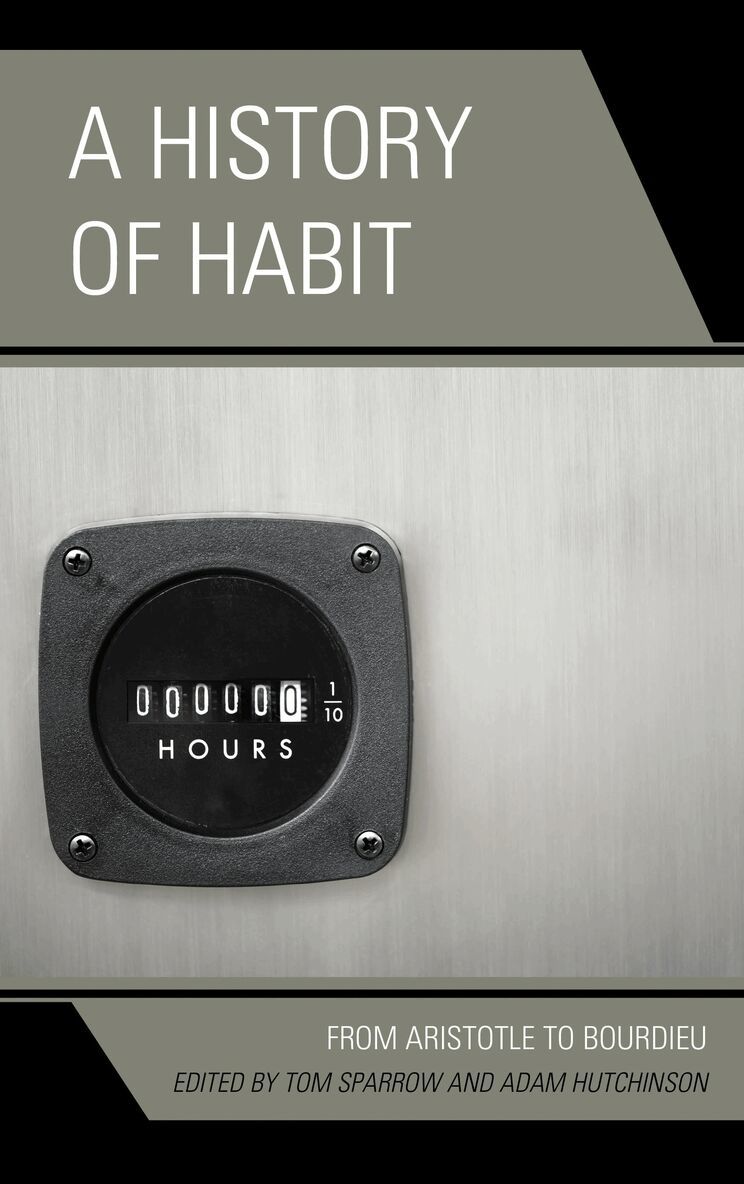
From bookshelves overflowing with self-help books to scholarly treatises on neurobiology to late-night infomercials that promise to make you happier, healthier, and smarter with the acquisition of just a few simple practices, the discourse of habit is a staple of contemporary culture high and low. Discussion of habit, however, tends to neglect the most fundamental questions: What is habit? Habits, we say, are hard to break. But what does it mean to break a habit? Where and how do habits take root in us? Do only humans acquire habits? What accounts for the strength or weakness of a habit? Are habits something possessed or something that possesses? We spend a lot of time thinking about our habits, but rarely do we think deeply about the nature of habit itself.Aristotle and the ancient Greeks recognized the importance of habit for the constitution of character, while readers of David Hume or American pragmatists like C.S. Peirce, William James, and John Dewey know that habit is a central component in the conceptual framework of many key figures in the history of philosophy. Less familiar are the disparate discussions of habit found in the Roman Stoics, Thomas Aquinas, Michel de Montaigne, René Descartes, Gilles Deleuze, French phenomenology, and contemporary Anglo-American philosophies of embodiment, race, and gender, among many others.The essays gathered in this book demonstrate that the philosophy of habit is not confined to the work of just a handful of thinkers, but traverses the entire history of Western philosophy and continues to thrive in contemporary theory. A History of Habit: From Aristotle to Bourdieu is the first of its kind to document the richness and diversity of this history. It demonstrates the breadth, flexibility, and explanatory power of the concept of habit as well as its enduring significance. It makes the case for habit’s perennial attraction for philosophers, psychologists, and sociologists.
428 kr
Skickas inom 3-6 vardagar
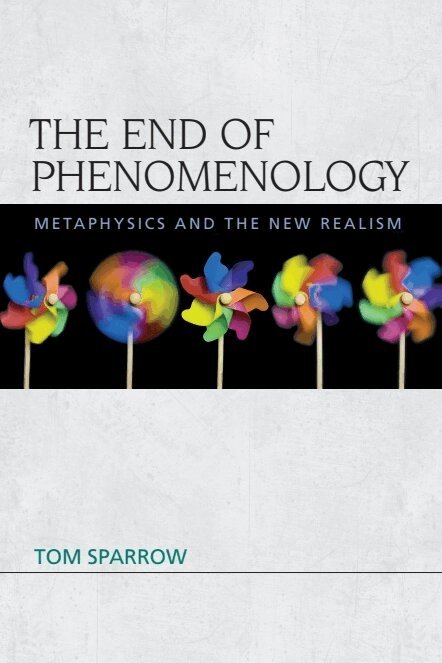
In the 20th century, phenomenology promised a method that would get philosophy 'back to the things themselves'. But phenomenology has always been haunted by the spectre of an anthropocentric antirealism. Tom Sparrow shows how, in the 21st century, speculative realism aims to do what phenomenology could not: provide a philosophical method that disengages the human-centred approach to metaphysics in order to chronicle the complex realm of nonhuman reality. Through a focused reading of the methodological statements and metaphysical commitments of key phenomenologists and speculative realists, Sparrow shows how speculative realism is replacing phenomenology as the beacon of realism in contemporary Continental philosophy. He draws on phenomenologists including Husserl, Heidegger, Merleau-Ponty and Levinas, speculative realism's original creators Graham Harman, Quentin Meillassoux, Ray Brassier and Iain Hamilton Grant and key figures in speculative realism's second wave, including Ian Bogost and Timothy Morton.
Complexity at the Frontier
Integrating Systems Thinking, AI, and Quantum Computing
Inbunden, Engelska, 2025
720 kr
Skickas inom 5-8 vardagar
504 kr
Skickas inom 5-8 vardagar
126 kr
Skickas inom 7-10 vardagar
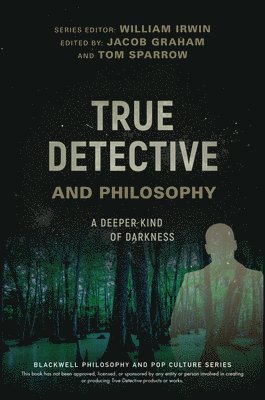
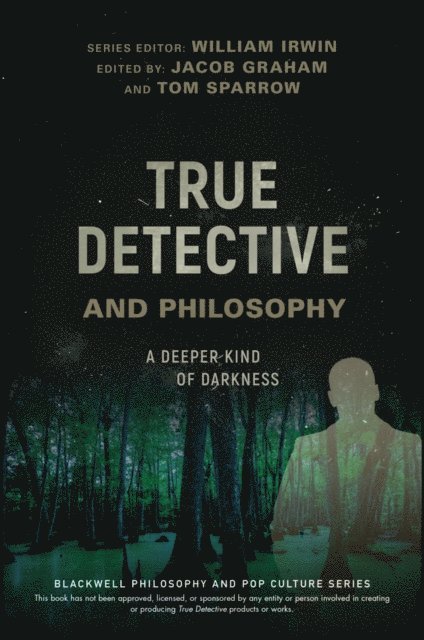
Investigating the trail of philosophical leads in HBO’s chilling True Detective series, an elite team of philosophers examine far-reaching riddles including human pessimism, Rust’s anti-natalism, the problem of evil, and the ‘flat circle’. The first book dedicated to exploring the far-reaching philosophical questions behind the darkly complex and Emmy-nominated HBO True Detective seriesExplores in a fun but insightful way the rich philosophical and existential experiences that arise from this gripping showGives new perspectives on the characters in the series, its storylines, and its themes by investigating core questions such as: Why Life Rather Than Death? Cosmic Horror and Hopeful Pessimism, the Illusion of Self, Noir, Tragedy, Philosopher-Detectives, and much, much moreDraws together an elite team of philosophers to shine new light on why this genre-expanding show has inspired such a fervently questioning fan-base
675 kr
Skickas inom 10-15 vardagar
From bookshelves overflowing with self-help books to scholarly treatises on neurobiology to late-night infomercials that promise to make you happier, healthier, and smarter with the acquisition of just a few simple practices, the discourse of habit is a staple of contemporary culture high and low. Discussion of habit, however, tends to neglect the most fundamental questions: What is habit? Habits, we say, are hard to break. But what does it mean to break a habit? Where and how do habits take root in us? Do only humans acquire habits? What accounts for the strength or weakness of a habit? Are habits something possessed or something that possesses? We spend a lot of time thinking about our habits, but rarely do we think deeply about the nature of habit itself.Aristotle and the ancient Greeks recognized the importance of habit for the constitution of character, while readers of David Hume or American pragmatists like C.S. Peirce, William James, and John Dewey know that habit is a central component in the conceptual framework of many key figures in the history of philosophy. Less familiar are the disparate discussions of habit found in the Roman Stoics, Thomas Aquinas, Michel de Montaigne, René Descartes, Gilles Deleuze, French phenomenology, and contemporary Anglo-American philosophies of embodiment, race, and gender, among many others.The essays gathered in this book demonstrate that the philosophy of habit is not confined to the work of just a handful of thinkers, but traverses the entire history of Western philosophy and continues to thrive in contemporary theory. A History of Habit: From Aristotle to Bourdieu is the first of its kind to document the richness and diversity of this history. It demonstrates the breadth, flexibility, and explanatory power of the concept of habit as well as its enduring significance. It makes the case for habit’s perennial attraction for philosophers, psychologists, and sociologists.
1 106 kr
Skickas inom 7-10 vardagar
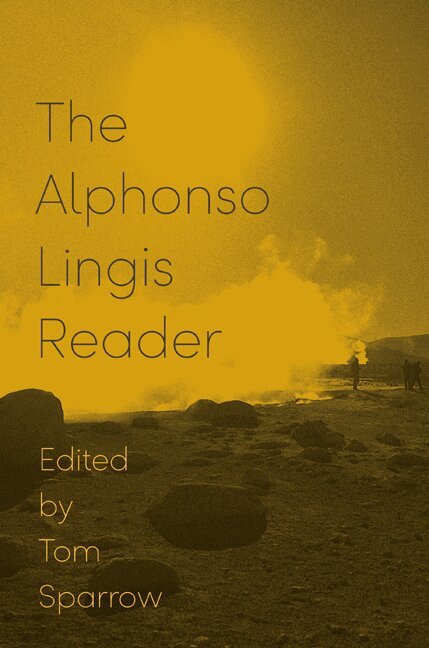
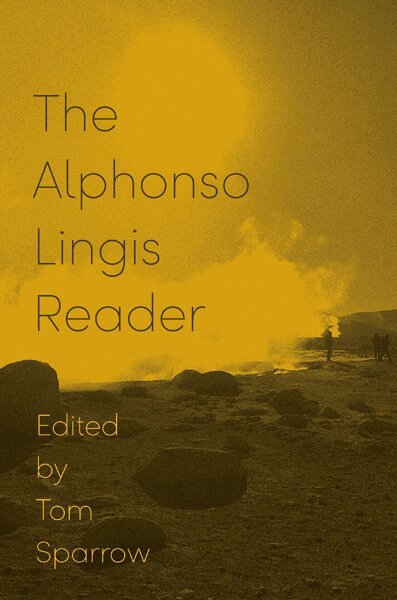
A selection of the writings of Alphonso Lingis, showcasing a unique blend of travelogue, cultural anthropology, and philosophyAlphonso Lingis is arguably the most intriguing American philosopher of the past fifty years-a scholar of transience, someone who has visited and revisited more than one hundred countries and has woven this itinerary into his writing and allowed it to give form to his thinking. This book assembles a representative selection of Lingis’s work to give readers a thorough sense of his methodology and vision, the diversity of his subject matter, and the unity of his thought.Lingis’s writing evinces the many kinds of knowledge and subtle forces circulating through human communities and their environments. His unique style blends travel writing, cultural anthropology, and personal accounts of his innumerable experiences as an active participant in the adventures and relationships that fill his life. Drawing from countless articles, essays, and interviews published over fifty years, editor Tom Sparrow chose works that follow Lingis’s engaging, often intimate reflections on the body in motion and the myriad influences-social, cultural, aesthetic, libidinal, physical, mythological-that shape and animate it as it moves through the world, among people and places both foreign and domestic, familiar and unknown. In a substantial Introduction, Sparrow provides a biographical, critical, intellectual, and cultural context for reading and appreciating Alphonso Lingis’s work.An extended encounter with the singular philosopher, The Alphonso Lingis Reader conducts us through Lingis’s early writing on phenomenology to his hybrid studies fusing philosophy, psychoanalysis, anthropology, communication theory, aesthetics, and other disciplines, to his original, inspired arguments about everything from knowledge to laughter to death.
272 kr
Skickas inom 7-10 vardagar
A selection of the writings of Alphonso Lingis, showcasing a unique blend of travelogue, cultural anthropology, and philosophyAlphonso Lingis is arguably the most intriguing American philosopher of the past fifty years-a scholar of transience, someone who has visited and revisited more than one hundred countries and has woven this itinerary into his writing and allowed it to give form to his thinking. This book assembles a representative selection of Lingis’s work to give readers a thorough sense of his methodology and vision, the diversity of his subject matter, and the unity of his thought.Lingis’s writing evinces the many kinds of knowledge and subtle forces circulating through human communities and their environments. His unique style blends travel writing, cultural anthropology, and personal accounts of his innumerable experiences as an active participant in the adventures and relationships that fill his life. Drawing from countless articles, essays, and interviews published over fifty years, editor Tom Sparrow chose works that follow Lingis’s engaging, often intimate reflections on the body in motion and the myriad influences-social, cultural, aesthetic, libidinal, physical, mythological-that shape and animate it as it moves through the world, among people and places both foreign and domestic, familiar and unknown. In a substantial Introduction, Sparrow provides a biographical, critical, intellectual, and cultural context for reading and appreciating Alphonso Lingis’s work.An extended encounter with the singular philosopher, The Alphonso Lingis Reader conducts us through Lingis’s early writing on phenomenology to his hybrid studies fusing philosophy, psychoanalysis, anthropology, communication theory, aesthetics, and other disciplines, to his original, inspired arguments about everything from knowledge to laughter to death.
201 kr
Skickas inom 5-8 vardagar