
Tomas Kavaliauskas - Böcker
Visar alla böcker från författaren Tomas Kavaliauskas. Handla med fri frakt och snabb leverans.
3 produkter
3 produkter
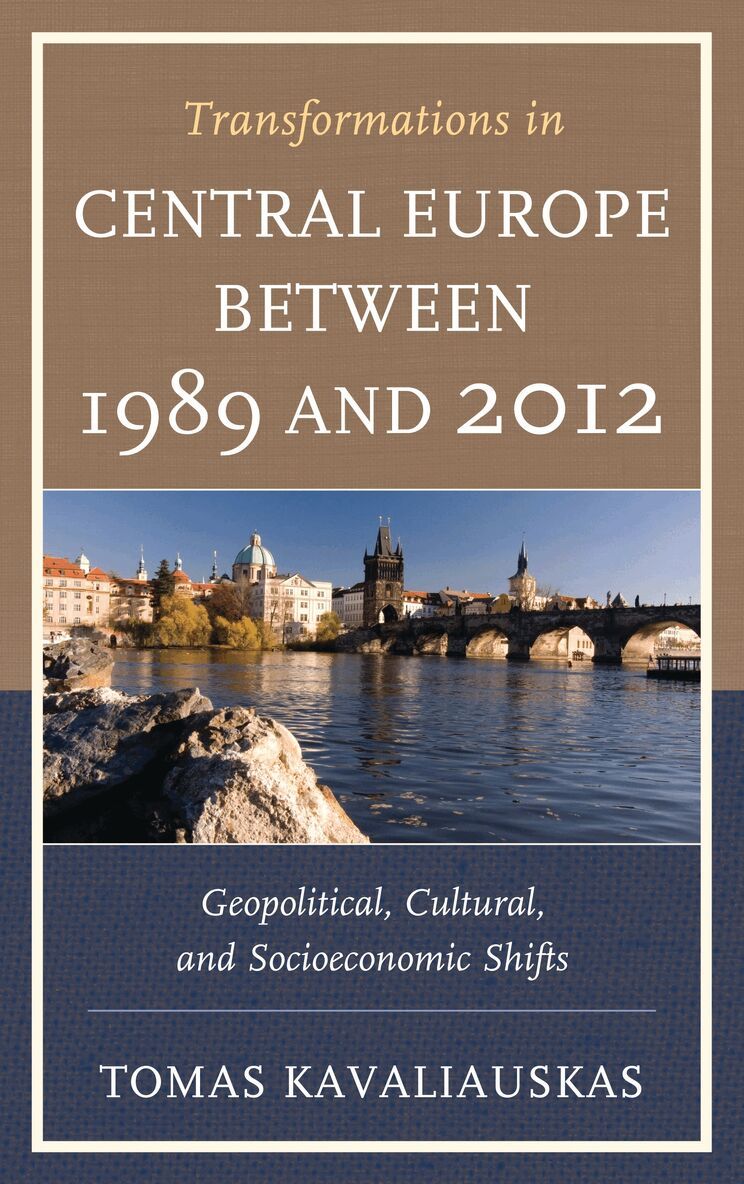
Transformations in Central Europe between 1989 and 2012
Geopolitical, Cultural, and Socioeconomic Shifts
Inbunden, Engelska, 2012
1 276 kr
Skickas inom 10-15 vardagar
Transformations in Central Europe between 1989 and 2012: Geopolitical, Cultural, and Socioeconomic Shifts by Tomas Kavaliauskas, is an in-depth study of the transformations in Central Europe in the years since the fall of Communism. Using a comparative analysis of geopolitical, ethical, cultural, and socioeconomic shifts, this essential text investigates postcommunist countries including Estonia, Latvia, Lithuania, Poland, the Czech Republic, Slovakia, Hungary, Romania, Bulgaria, and Slovenia. Next to transitological interpretations, this study ventures upon negative and positive freedom (Isaiah Berlin) in Central Europe after two decades of post-communist transition. Kavaliauskas questions the meaning of completeness of postcommunist transition, both geopolitical and socioeconomic, when there are many transformations that do not necessarily mean unequivocal progress. The author also analyses why Central Europe in 1989, armed with civil disobedience, could not maintain its moral politics. But the book touches sensitive issues of memory as well: an examination of May 9th is provided from the Russian and the Baltic perspectives, revealing two opposing world views regarding this date of liberation or occupation. Finally, Kavaliauskas analyzes the tragedy at Smolensk airport, which became an inseparable part of Central European identity. Transformations in Central Europe between 1989 and 2012 is an essential contribution to the literature on Central Europe and the lasting effects of Communism and its aftermath.
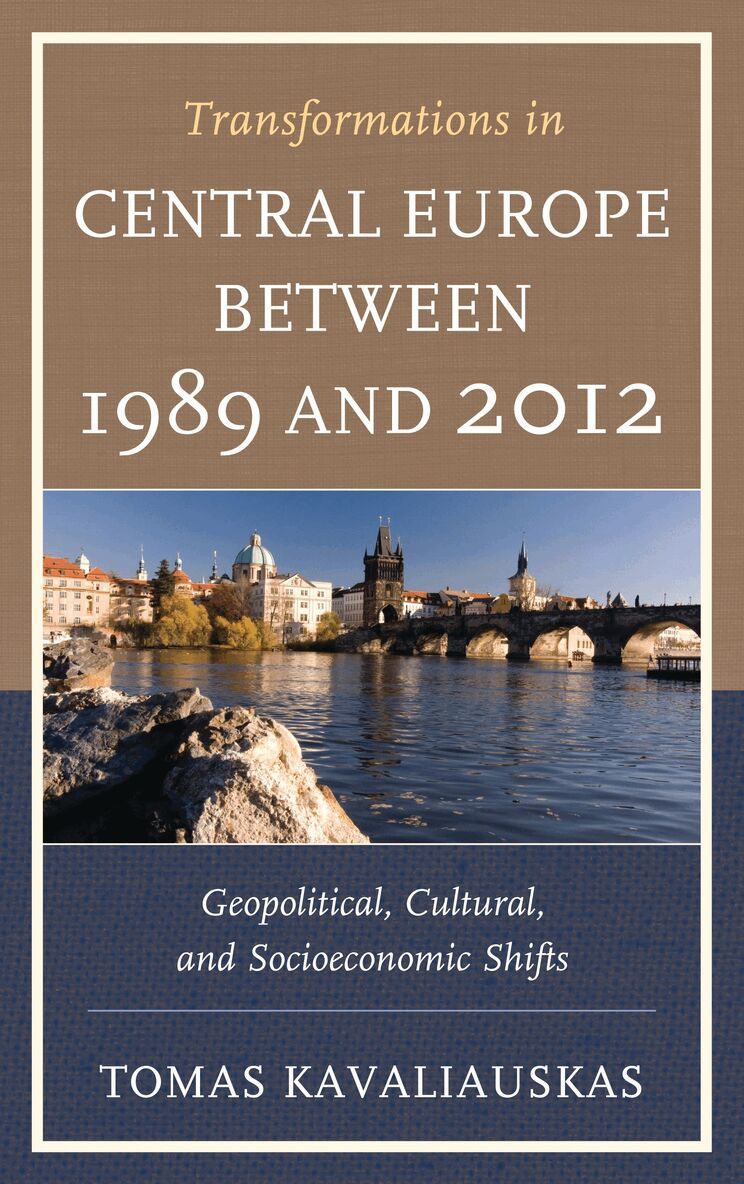
Transformations in Central Europe between 1989 and 2012
Geopolitical, Cultural, and Socioeconomic Shifts
Häftad, Engelska, 2014
675 kr
Skickas inom 10-15 vardagar
Transformations in Central Europe between 1989 and 2012: Geopolitical, Cultural, and Socioeconomic Shifts by Tomas Kavaliauskas, is an in-depth study of the transformations in Central Europe in the years since the fall of Communism. Using a comparative analysis of geopolitical, ethical, cultural, and socioeconomic shifts, this essential text investigates postcommunist countries including Estonia, Latvia, Lithuania, Poland, the Czech Republic, Slovakia, Hungary, Romania, Bulgaria, and Slovenia. Next to transitological interpretations, this study ventures upon negative and positive freedom (Isaiah Berlin) in Central Europe after two decades of post-communist transition. Kavaliauskas questions the meaning of completeness of postcommunist transition, both geopolitical and socioeconomic, when there are many transformations that do not necessarily mean unequivocal progress. The author also analyses why Central Europe in 1989, armed with civil disobedience, could not maintain its moral politics. But the book touches sensitive issues of memory as well: an examination of May 9th is provided from the Russian and the Baltic perspectives, revealing two opposing world views regarding this date of liberation or occupation. Finally, Kavaliauskas analyzes the tragedy at Smolensk airport, which became an inseparable part of Central European identity. Transformations in Central Europe between 1989 and 2012 is an essential contribution to the literature on Central Europe and the lasting effects of Communism and its aftermath.
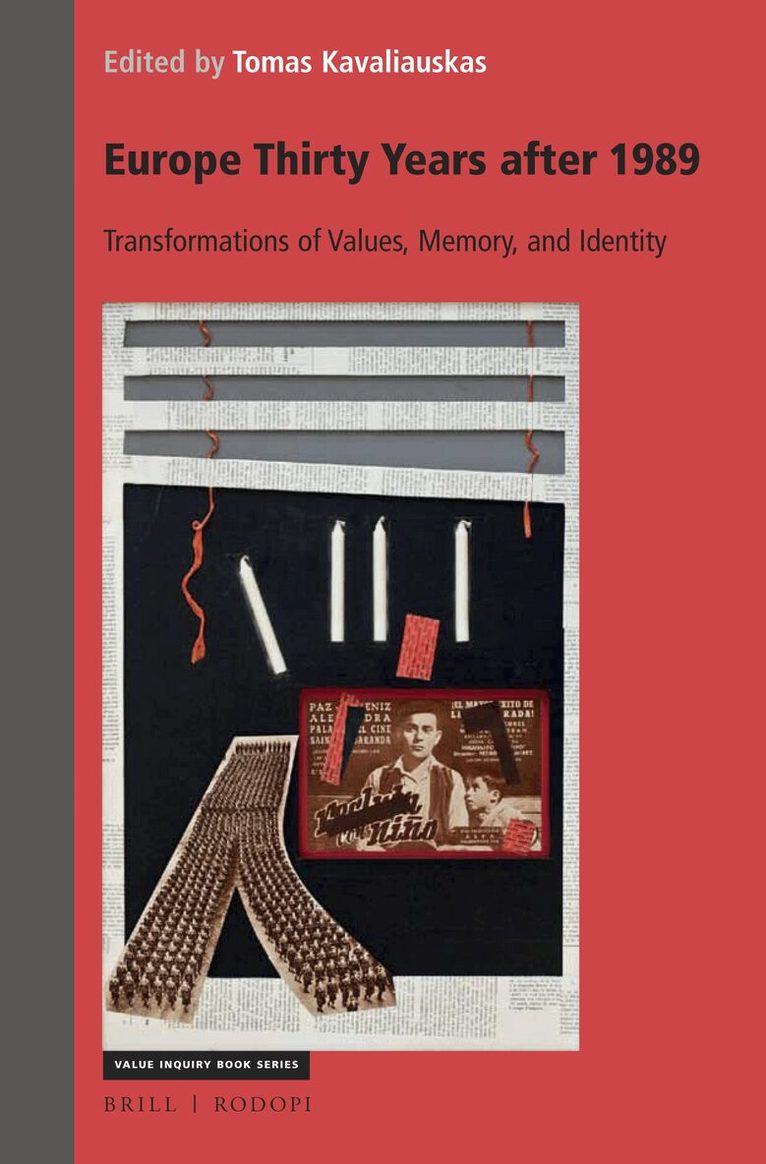
Del 359 - Central European Value Studies
Europe Thirty Years After 1989
Transformations of Values, Memory, and Identity
Inbunden, Engelska, 2020
1 858 kr
Skickas inom 5-8 vardagar
For the last thirty years the year 1989 has symbolized a European annus mirabilis, standing for such events as the fall of the Berlin Wall and the impending collapse of the Soviet Union. Cultural and political transformations in Western Europe due to the rise of the migrant crisis are now echoed in East-Central Europe. In Europe Thirty Years After 1989, the authors jointly explore the recent history of former socialist countries such as Bulgaria, Croatia, Poland, Hungary, the Czech republic, the Baltic States, and Russia. Thirty years ago some of these countries stood as a paradigmatic example of peaceful and liberal patriotism, but during the past thirty years some countries have experienced transformations in their values, memory and identity. A shift towards illiberal democracy has occurred, although not without the overlapping trends in Western and Southern Europe. This book is for those who wish to join and learn from the search for an interpretation and answer(s) to the question: what happened to the legacy of 1989 over the past thirty years, and why did these changes and transformations occur?