Tomaso Belloni – författare
Visar alla böcker från författaren Tomaso Belloni. Handla med fri frakt och snabb leverans.
6 produkter
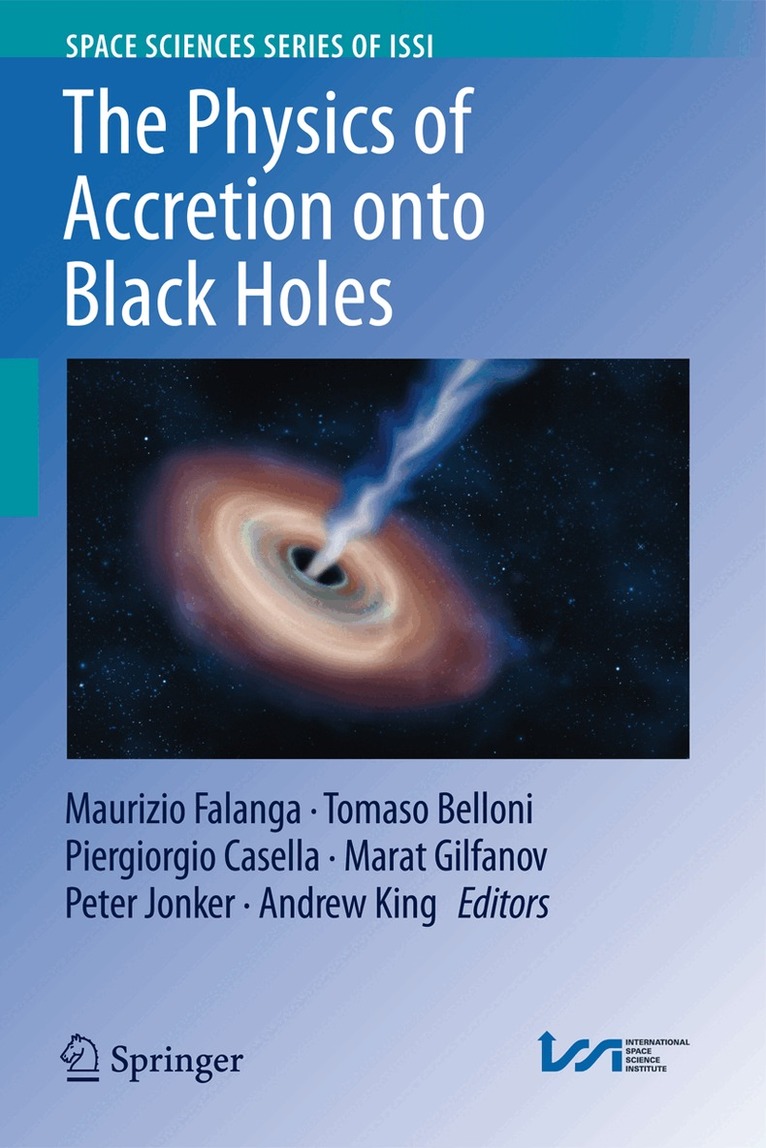
Physics of Accretion onto Black Holes
Av Maurizio Falanga, Tomaso Belloni m. fl.
Inbunden, 2014
1095 kr
Lägg i varukorg
Provides a comprehensive summary on the physical models and current theory of black hole accretion, growth and mergers, in both the supermassive and stellar-mass cases.This title reviews in-depth research on accretion on all scales, from galactic binaries to intermediate mass and supermassive black …
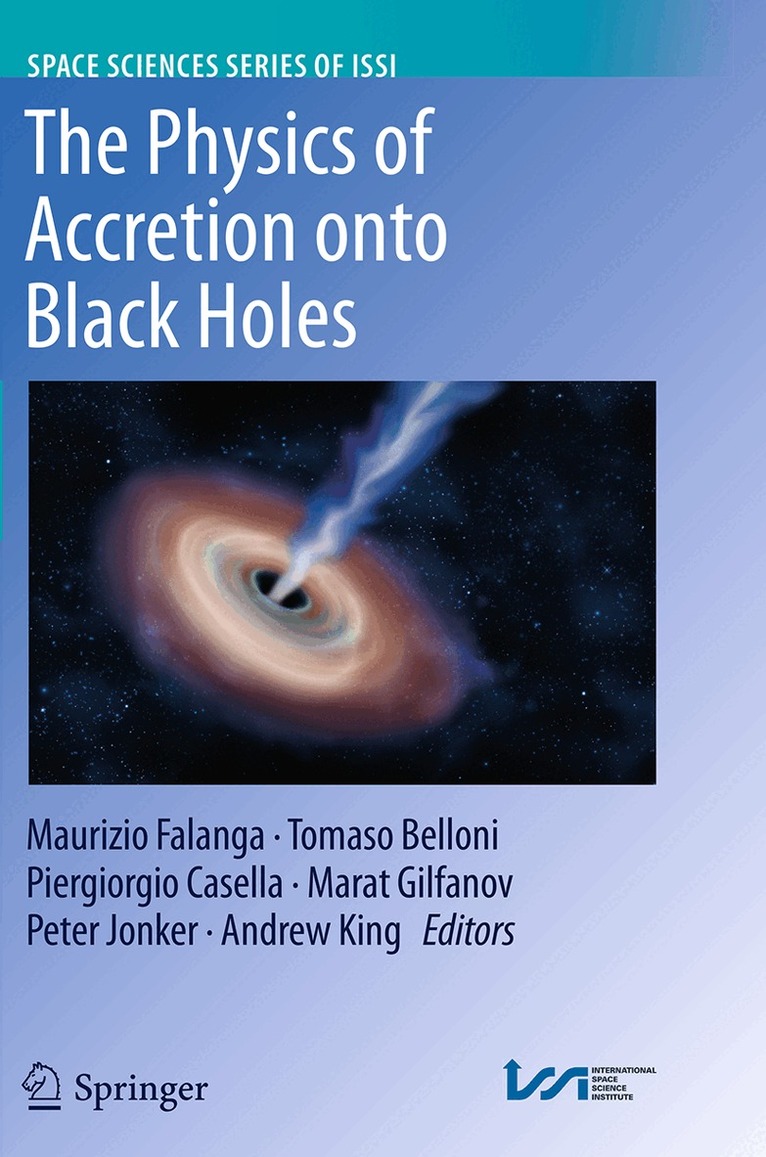
Physics of Accretion onto Black Holes
Av Andrew King, Peter Jonker m. fl.
E-bok, 2014
1459 kr
Lägg i varukorg
Provides a comprehensive summary on the physical models and current theory of black hole accretion, growth and mergers, in both the supermassive and stellar-mass cases. This title reviews in-depth research on accretion on all scales, from galactic binaries to intermediate mass and supermassive …
Physics of Accretion onto Black Holes
Av Maurizio Falanga, Tomaso Belloni m. fl.
Häftad, 2016
1095 kr
Lägg i varukorg
Provides a comprehensive summary on the physical models and current theory of black hole accretion, growth and mergers, in both the supermassive and stellar-mass cases.This title reviews in-depth research on accretion on all scales, from galactic binaries to intermediate mass and supermassive black …
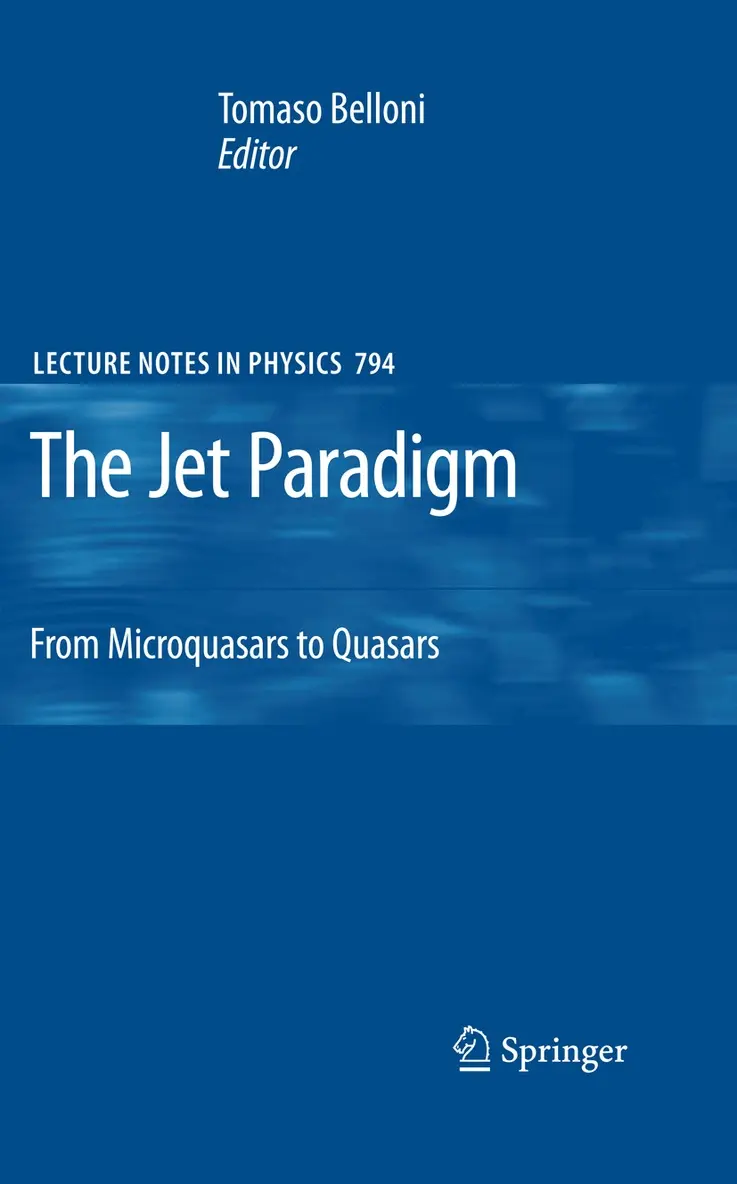
Jet Paradigm
From Microquasars to Quasars
Inbunden, 2010
551 kr
Lägg i varukorg
The discovery of the ?rst case of superluminal radio jets in our galaxy in 1994 from the bright and peculiar X-ray source GRS 1915+105 has opened the way to a major shift in the direction of studies of stellar-mass accreting binaries. The past decade has seen an impressive increase in …
Jet Paradigm
From Microquasars to Quasars
E-bok, 2009
734 kr
Lägg i varukorg
The discovery of the ?rst case of superluminal radio jets in our galaxy in 1994 from the bright and peculiar X-ray source GRS 1915+105 has opened the way to a major shift in the direction of studies of stellar-mass accreting binaries. The past decade has seen an impressive increase in …
Jet Paradigm
From Microquasars to Quasars
Häftad, 2012
551 kr
Lägg i varukorg
The discovery of the ?rst case of superluminal radio jets in our galaxy in 1994 from the bright and peculiar X-ray source GRS 1915+105 has opened the way to a major shift in the direction of studies of stellar-mass accreting binaries. The past decade has seen an impressive increase in …