Tomasz Kamusella – författare
Visar alla böcker från författaren Tomasz Kamusella. Handla med fri frakt och snabb leverans.
34 produkter
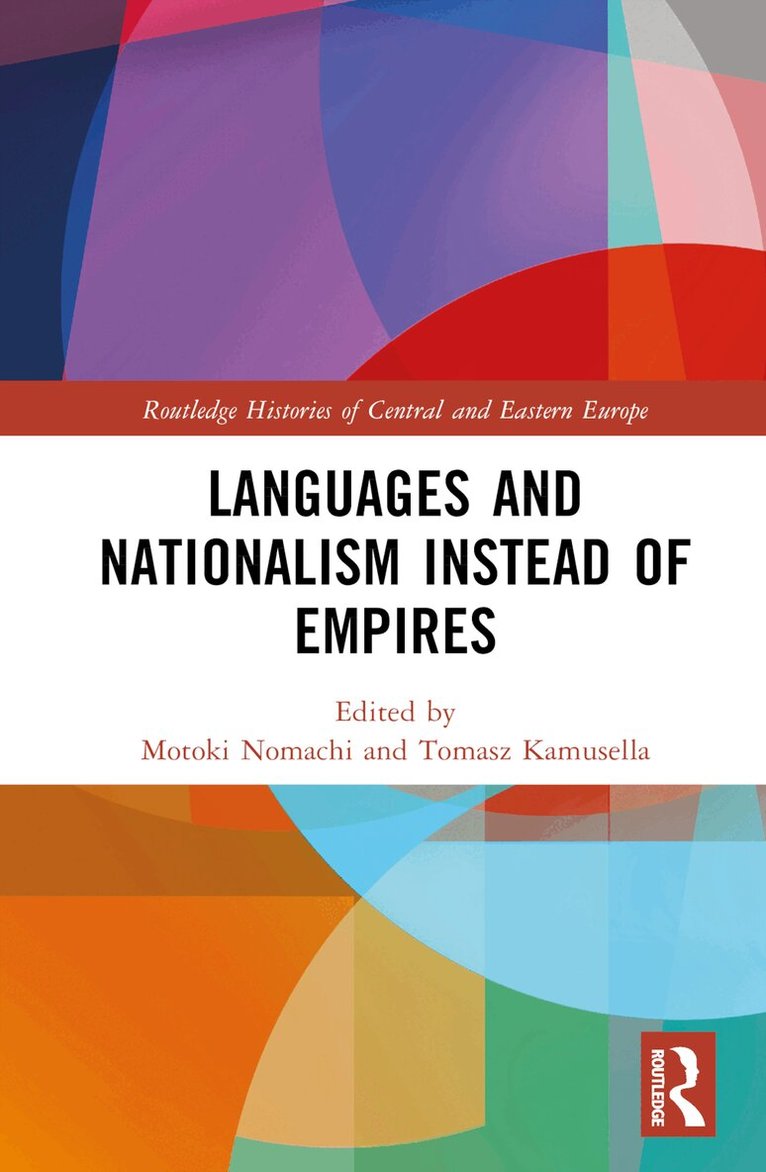
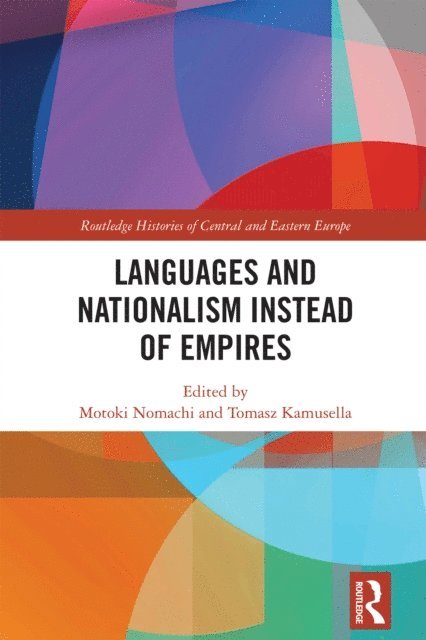
Languages and Nationalism Instead of Empires
Av Motoki Nomachi, Tomasz Kamusella
Inbunden, 2023
2516 kr
Lägg i varukorg
This volume probes into the mechanisms of how languages are created, legitimized, maintained, or destroyed in the service of the extant nation-states across Central Europe.Through chapters from contributors in North America, Europe, and Asia, the book offers an interdisciplinary introduction to the …
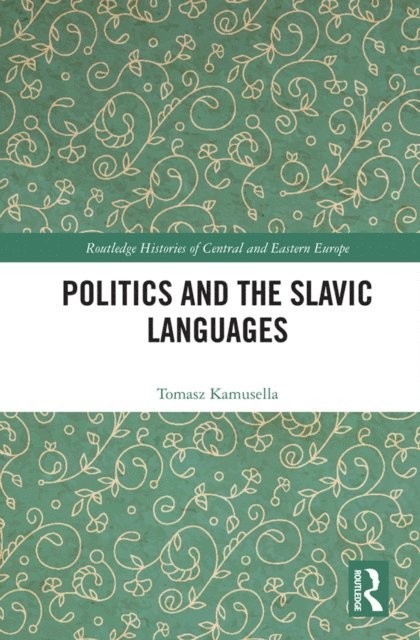
Politics and the Slavic Languages
Inbunden, 2021
2591 kr
Lägg i varukorg
During the last two centuries, ethnolinguistic nationalism has been the norm of nation building and state building in Central Europe. The number of recognized Slavic languages (in line with the normative political formula of language = nation = state) gradually tallied with the number of the Slavic …
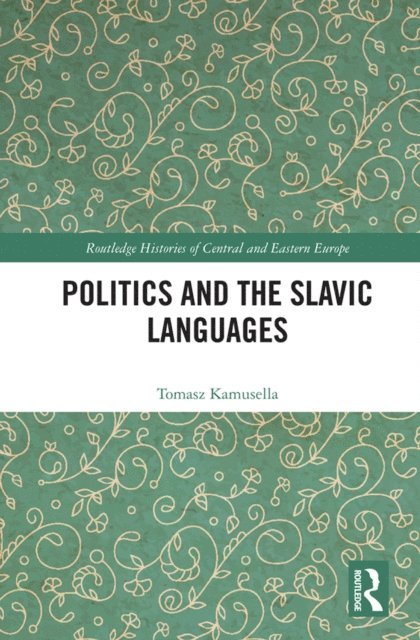
Politics and the Slavic Languages
Häftad, 2023
665 kr
Lägg i varukorg
During the last two centuries, ethnolinguistic nationalism has been the norm of nation building and state building in Central Europe. The number of recognized Slavic languages (in line with the normative political formula of language = nation = state) gradually tallied with the number of the Slavic …
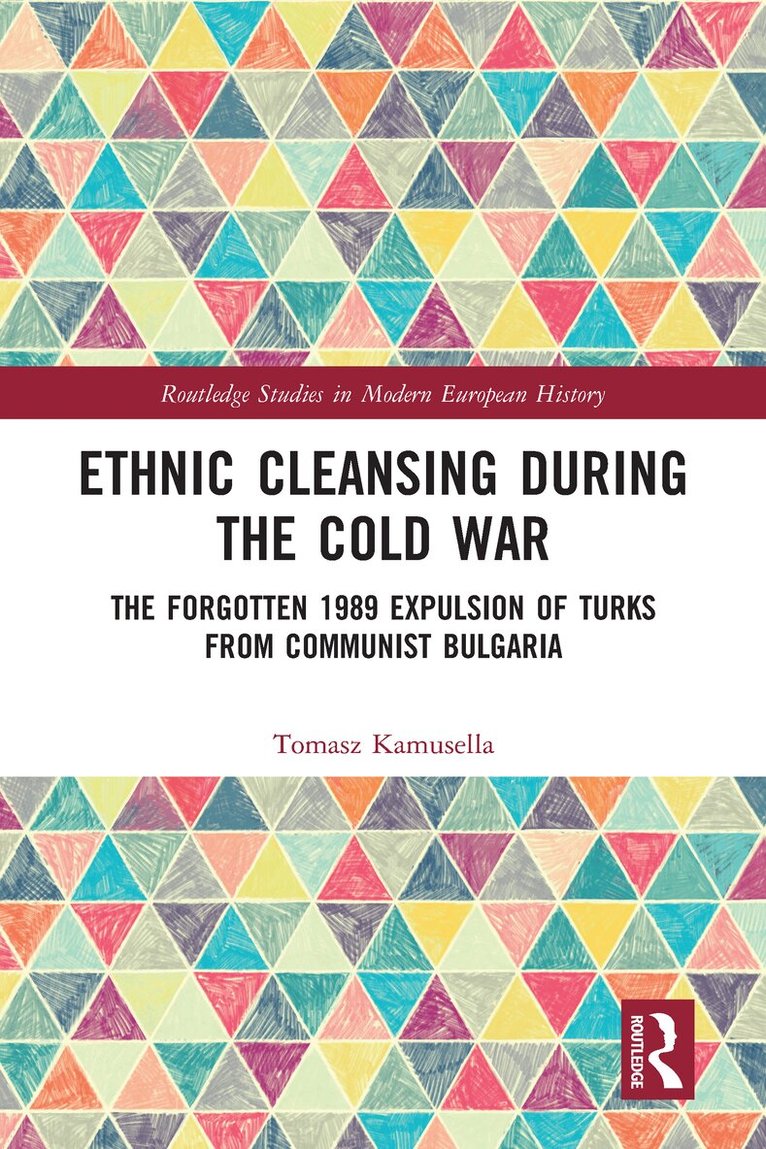
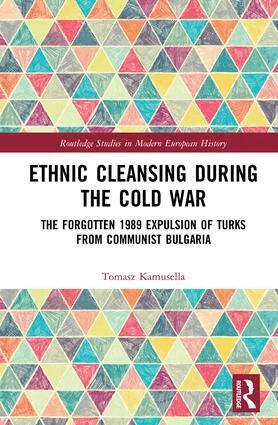
Ethnic Cleansing During the Cold War
The Forgotten 1989 Expulsion of Turks from Communist Bulgaria
Häftad, 2020
725 kr
Lägg i varukorg
In mid-1989, the Bulgarian communist regime seeking to prop up its legitimacy played the ethnonational card by expelling 360,000 Turks and Muslims across the Iron Curtain to neighboring Turkey. It was the single largest ethnic cleansing during the Cold War in Europe after the wrapping up of the …
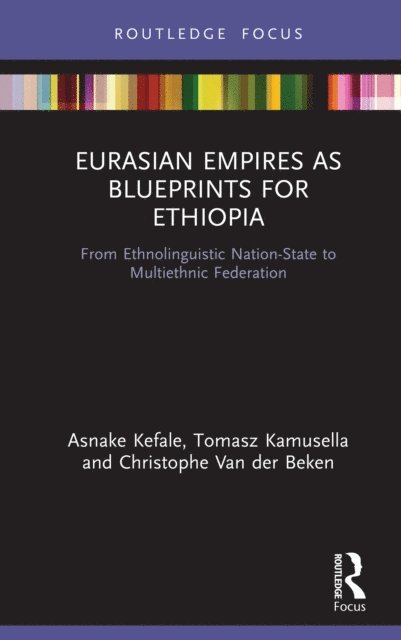
Eurasian Empires as Blueprints for Ethiopia
From Ethnolinguistic Nation-State to Multiethnic Federation
Av Asnake Kefale, Tomasz Kamusella m. fl.
Inbunden, 2021
1029 kr
Lägg i varukorg
This book is a contribution to the global history of the transfer of political ideas, as exemplified by the case of modern Ethiopia.Like many non-European nation-states, Ethiopia adopted a western model of statehood, that is, the nation-state. Unlike the postcolonial polities that have retained the …
Eurasian Empires as Blueprints for Ethiopia
From Ethnolinguistic Nation-State to Multiethnic Federation
Av Asnake Kefale, Tomasz Kamusella m. fl.
Häftad, 2022
383 kr
Lägg i varukorg
This book is a contribution to the global history of the transfer of political ideas, as exemplified by the case of modern Ethiopia.Like many non-European nation-states, Ethiopia adopted a western model of statehood, that is, the nation-state. Unlike the postcolonial polities that have retained the …
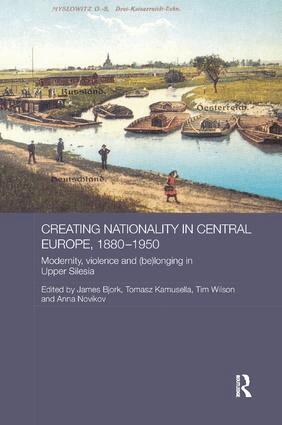
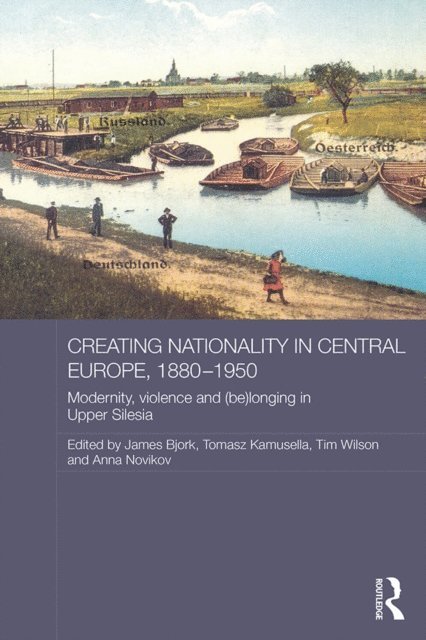
Creating Nationality in Central Europe, 1880-1950
Modernity, Violence and (Be) Longing in Upper Silesia
Av Tomasz Kamusella, James Bjork m. fl.
Inbunden, 2016
2591 kr
Lägg i varukorg
In the immediate aftermath of the First World War, Upper Silesia was the site of the largest formal exercise in self-determination in European history, the 1921 Plebiscite. This asked the inhabitants of Europe’s second largest industrial region the deceptively straightforward question of whether …
Eurasian Empires as Blueprints for Ethiopia
From Ethnolinguistic Nation-State to Multiethnic Federation
Av Christophe Van der Beken, Tomasz Kamusella m. fl.
E-bok, 2021
393 kr
Lägg i varukorg
This book is a contribution to the global history of the transfer of political ideas, as exemplified by the case of modern Ethiopia. Like many non-European nation-states, Ethiopia adopted a western model of statehood, that is, the nation-state. Unlike the postcolonial polities that have retained …
Eurasian Empires as Blueprints for Ethiopia
From Ethnolinguistic Nation-State to Multiethnic Federation
Av Christophe Van der Beken, Tomasz Kamusella m. fl.
E-bok, 2021
381 kr
Lägg i varukorg
This book is a contribution to the global history of the transfer of political ideas, as exemplified by the case of modern Ethiopia. Like many non-European nation-states, Ethiopia adopted a western model of statehood, that is, the nation-state. Unlike the postcolonial polities that have retained …
Politics and the Slavic Languages
E-bok, 2021
746 kr
Lägg i varukorg
During the last two centuries, ethnolinguistic nationalism has been the norm of nation building and state building in Central Europe. The number of recognized Slavic languages (in line with the normative political formula of language = nation = state) gradually tallied with the number of the Slavic …
Politics and the Slavic Languages
E-bok, 2021
746 kr
Lägg i varukorg
During the last two centuries, ethnolinguistic nationalism has been the norm of nation building and state building in Central Europe. The number of recognized Slavic languages (in line with the normative political formula of language = nation = state) gradually tallied with the number of the Slavic …
Languages and Nationalism Instead of Empires
Av Tomasz Kamusella, Motoki Nomachi
E-bok, 2023
831 kr
Lägg i varukorg
This volume probes into the mechanisms of how languages are created, legitimized, maintained, or destroyed in the service of the extant nation-states across Central Europe. Through chapters from contributors in North America, Europe, and Asia, the book offers an interdisciplinary introduction to …
Languages and Nationalism Instead of Empires
Av Tomasz Kamusella, Motoki Nomachi
E-bok, 2023
831 kr
Lägg i varukorg
This volume probes into the mechanisms of how languages are created, legitimized, maintained, or destroyed in the service of the extant nation-states across Central Europe. Through chapters from contributors in North America, Europe, and Asia, the book offers an interdisciplinary introduction to …
Languages and Nationalism Instead of Empires
Av Motoki Nomachi, Tomasz Kamusella
Häftad, 2025
707 kr
Lägg i varukorg
This volume probes into the mechanisms of how languages are created, legitimized, maintained, or destroyed in the service of the extant nation-states across Central Europe.Through chapters from contributors in North America, Europe, and Asia, the book offers an interdisciplinary introduction to the …
Social and Political History of Southern Africa's Languages
Av Tomasz Kamusella, Finex Ndhlovu
Inbunden, 2017
1241 kr
Lägg i varukorg
This book is the first to offer an interdisciplinary and comprehensive reference work on the often-marginalised languages of southern Africa. The authors analyse a range of different concepts and questions, including language and sociality, social and political history, multilingual government, and …
Social and Political History of Southern Africa's Languages
Av Finex Ndhlovu, Tomasz Kamusella
E-bok, 2017
1775 kr
Lägg i varukorg
This book is the first to offer an interdisciplinary and comprehensive reference work on the often-marginalised languages of southern Africa. The authors analyse a range of different concepts and questions, including language and sociality, social and political history, multilingual government, and …
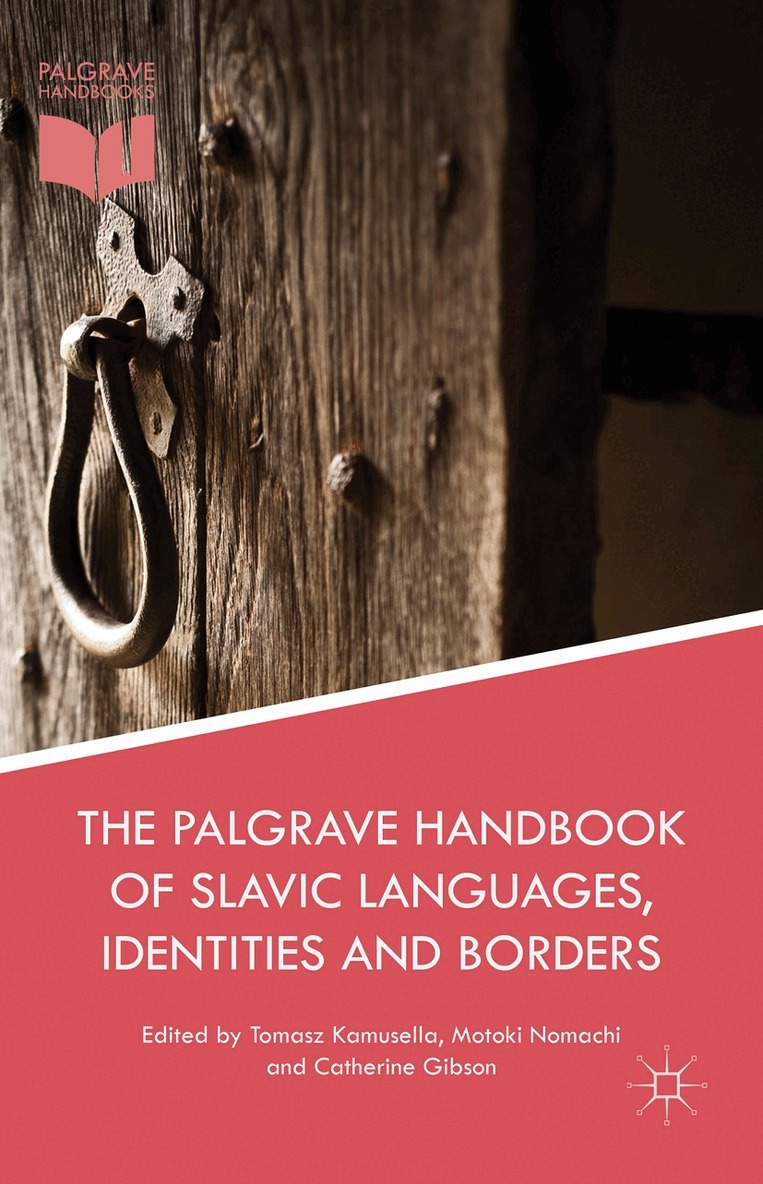
Palgrave Handbook of Slavic Languages, Identities and Borders
Av Tomasz Kamusella, Motoki Nomachi m. fl.
Inbunden, 2015
2811 kr
Lägg i varukorg
This book analyzes the creation of languages across the Slavophone areas of the world and their deployment for political projects and identity building, mainly after 1989. It offers perspectives from a number of disciplines such as sociolinguistics, socio-political history and language …
Palgrave Handbook of Slavic Languages, Identities and Borders
Av Catherine Gibson, Motoki Nomachi m. fl.
E-bok, 2016
3829 kr
Lägg i varukorg
This book analyzes the creation of languages across the Slavophone areas of the world and their deployment for political projects and identity building, mainly after 1989. It offers perspectives from a number of disciplines such as sociolinguistics, socio-political history and language policy. …
Ethnic Cleansing During the Cold War
The Forgotten 1989 Expulsion of Turks from Communist Bulgaria
Inbunden, 2018
2591 kr
Lägg i varukorg
In mid-1989, the Bulgarian communist regime seeking to prop up its legitimacy played the ethnonational card by expelling 360,000 Turks and Muslims across the Iron Curtain to neighboring Turkey. It was the single largest ethnic cleansing during the Cold War in Europe after the wrapping up of the …
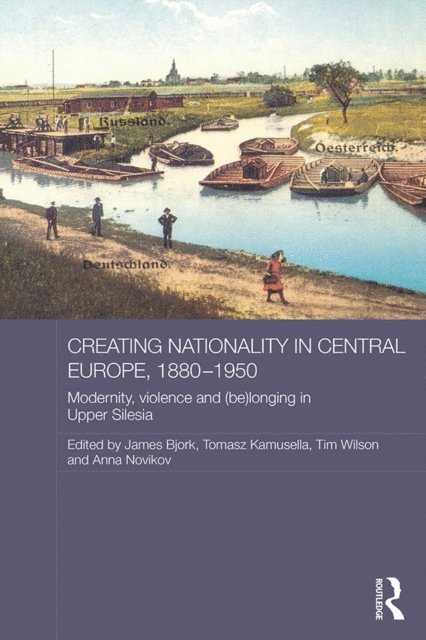
Creating Nationality in Central Europe, 1880-1950
Modernity, Violence and (Be) Longing in Upper Silesia
Av Tomasz Kamusella, James Bjork m. fl.
Häftad, 2017
848 kr
Lägg i varukorg
In the immediate aftermath of the First World War, Upper Silesia was the site of the largest formal exercise in self-determination in European history, the 1921 Plebiscite. This asked the inhabitants of Europe’s second largest industrial region the deceptively straightforward question of whether …
Creating Nationality in Central Europe, 1880-1950
Modernity, Violence and (Be) Longing in Upper Silesia
Av Anna Novikov, Timothy Wilson m. fl.
E-bok, 2016
977 kr
Lägg i varukorg
In the immediate aftermath of the First World War, Upper Silesia was the site of the largest formal exercise in self-determination in European history, the 1921 Plebiscite. This asked the inhabitants of Europe’s second largest industrial region the deceptively straightforward question of whether …
Creating Nationality in Central Europe, 1880-1950
Modernity, Violence and (Be) Longing in Upper Silesia
Av Anna Novikov, Timothy Wilson m. fl.
E-bok, 2016
999 kr
Lägg i varukorg
In the immediate aftermath of the First World War, Upper Silesia was the site of the largest formal exercise in self-determination in European history, the 1921 Plebiscite. This asked the inhabitants of Europe’s second largest industrial region the deceptively straightforward question of whether …
Ethnic Cleansing During the Cold War
The Forgotten 1989 Expulsion of Turks from Communist Bulgaria
E-bok, 2018
856 kr
Lägg i varukorg
In mid-1989, the Bulgarian communist regime seeking to prop up its legitimacy played the ethnonational card by expelling 360,000 Turks and Muslims across the Iron Curtain to neighboring Turkey. It was the single largest ethnic cleansing during the Cold War in Europe after the wrapping up of the …
Ethnic Cleansing During the Cold War
The Forgotten 1989 Expulsion of Turks from Communist Bulgaria
E-bok, 2018
856 kr
Lägg i varukorg
In mid-1989, the Bulgarian communist regime seeking to prop up its legitimacy played the ethnonational card by expelling 360,000 Turks and Muslims across the Iron Curtain to neighboring Turkey. It was the single largest ethnic cleansing during the Cold War in Europe after the wrapping up of the …
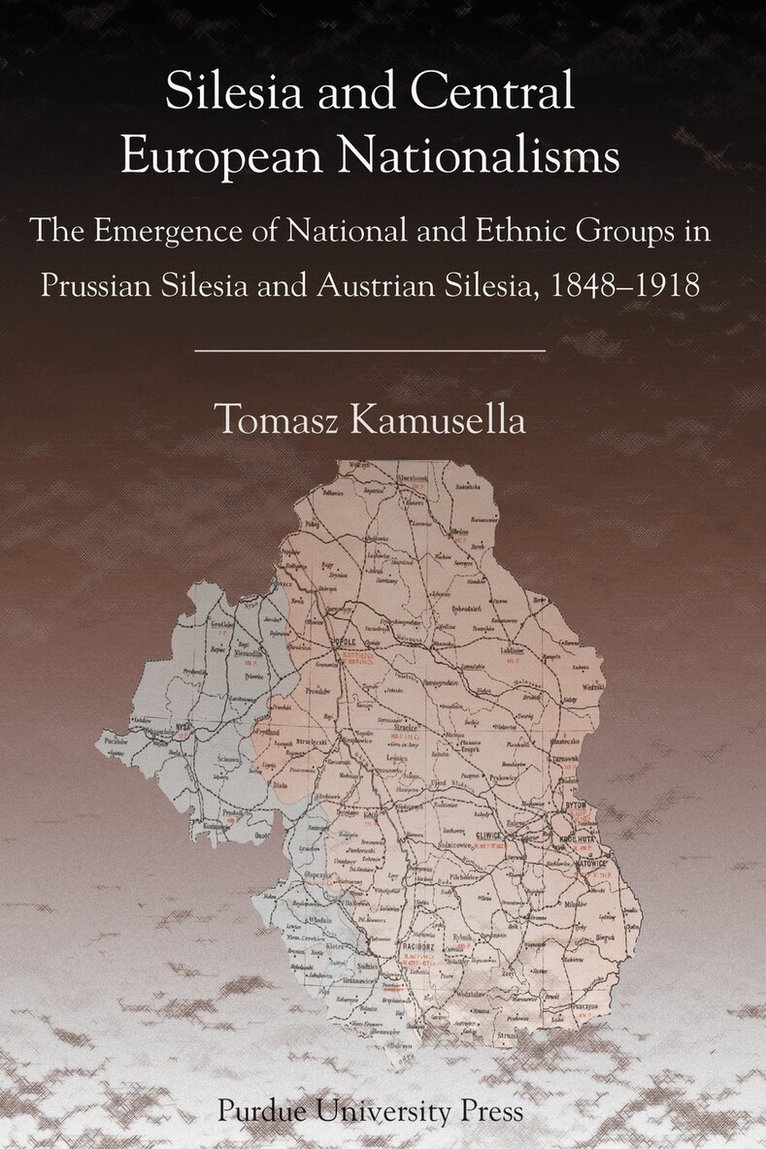
Silesia and Central European Nationalism
The Emergence of National and Ethnic Groups in Prussian Silesia and Austrian Silesia, 1848-1918
Häftad, 2006
459 kr
Lägg i varukorg
The work analyzes the problems of nation building in the Central European region of Silesia during the years 1848-1918, which was influenced by Western European movements, especially German nationalism. The German ethnic model of nation building steeped in language and culture had been replicated …
Privatizing Democracy
Global Ideals, European Politics and Basque Territories
Av Jule Goikoetxea, Krzysztof Jaskulowski m. fl.
Häftad, 2017
788 kr
Lägg i varukorg
Democratization is a process of collective emancipation through self-government. Continuous political contestation is essential for emancipation but, in order to know which strategies and conditions will emancipate us, we also need to know which ones subjugate us. Political mechanisms with the …
Un-Polish Poland, 1989 and the Illusion of Regained Historical Continuity
Inbunden, 2017
623 kr
Lägg i varukorg
This book discusses historical continuities and discontinuities between the Polish-Lithuanian Commonwealth, interwar Poland, the Polish People’s Republic, and contemporary Poland. The year 1989 is seen as a clear point-break that allowed the Poles and their country to regain a ‘natural historical …
Un-Polish Poland, 1989 and the Illusion of Regained Historical Continuity
E-bok, 2017
839 kr
Lägg i varukorg
This book discusses historical continuities and discontinuities between the Polish-Lithuanian Commonwealth, interwar Poland, the Polish People’s Republic, and contemporary Poland. The year 1989 is seen as a clear point-break that allowed the Poles and their country to regain a ‘natural historical …
Un-Polish Poland, 1989 and the Illusion of Regained Historical Continuity
Häftad, 2018
623 kr
Lägg i varukorg
This book discusses historical continuities and discontinuities between the Polish-Lithuanian Commonwealth, interwar Poland, the Polish People’s Republic, and contemporary Poland. The year 1989 is seen as a clear point-break that allowed the Poles and their country to regain a ‘natural historical …
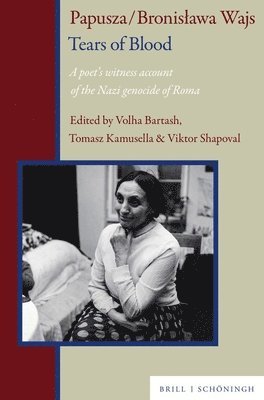
Papusza / Bronislawa Wajs. Tears of Blood: A Poet's Witness Account of the Nazi Genocide of Roma
Av Volha Bartash, Tomasz Kamusella
Inbunden, 2024
1063 kr
Lägg i varukorg