Christophe Van der Beken – författare
Visar alla böcker från författaren Christophe Van der Beken. Handla med fri frakt och snabb leverans.
6 produkter
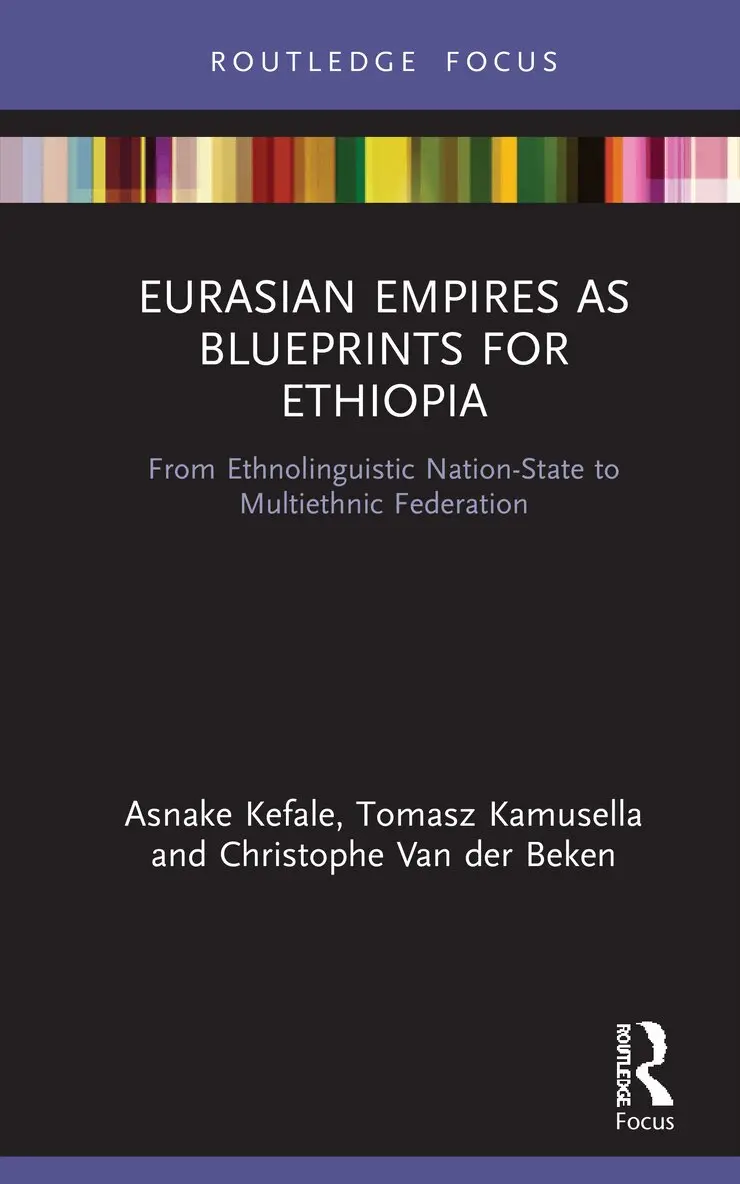
Eurasian Empires as Blueprints for Ethiopia
From Ethnolinguistic Nation-State to Multiethnic Federation
Av Asnake Kefale, Tomasz Kamusella m. fl.
Inbunden, 2021
1029 kr
Lägg i varukorg
This book is a contribution to the global history of the transfer of political ideas, as exemplified by the case of modern Ethiopia.Like many non-European nation-states, Ethiopia adopted a western model of statehood, that is, the nation-state. Unlike the postcolonial polities that have retained the …
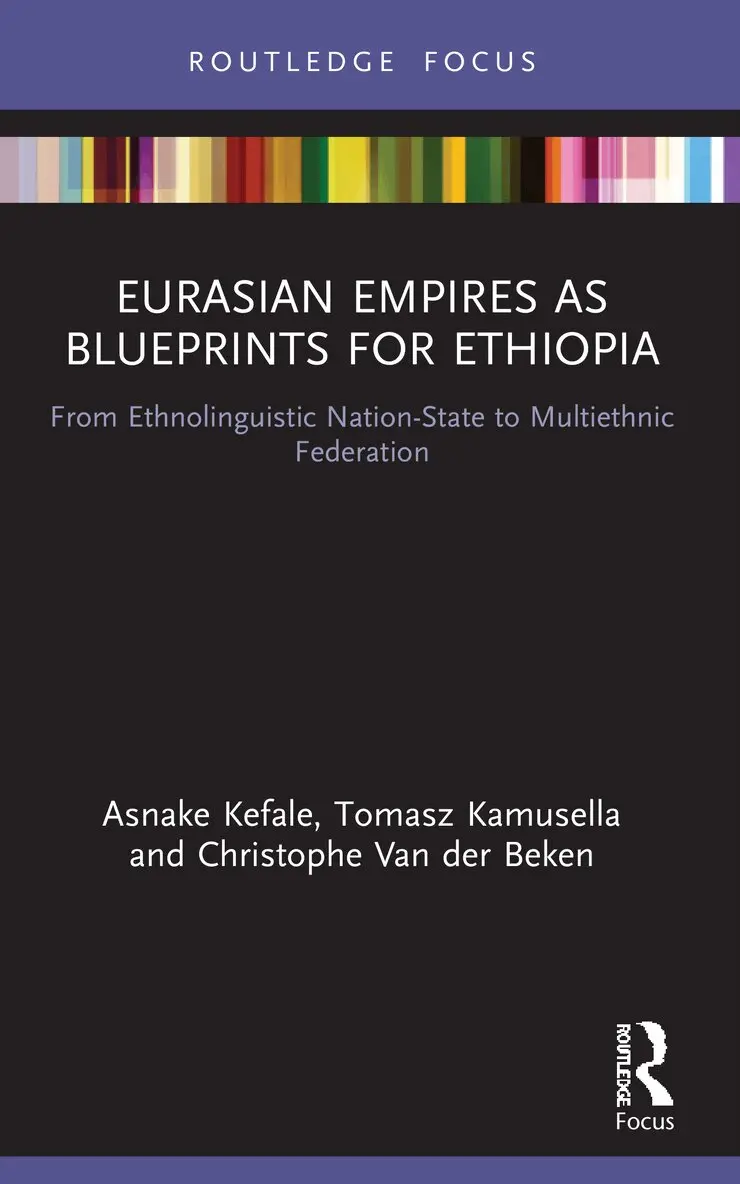
Eurasian Empires as Blueprints for Ethiopia
From Ethnolinguistic Nation-State to Multiethnic Federation
Av Asnake Kefale, Tomasz Kamusella m. fl.
Häftad, 2022
383 kr
Lägg i varukorg
This book is a contribution to the global history of the transfer of political ideas, as exemplified by the case of modern Ethiopia.Like many non-European nation-states, Ethiopia adopted a western model of statehood, that is, the nation-state. Unlike the postcolonial polities that have retained the …
Eurasian Empires as Blueprints for Ethiopia
From Ethnolinguistic Nation-State to Multiethnic Federation
Av Christophe Van der Beken, Tomasz Kamusella m. fl.
E-bok, 2021
393 kr
Lägg i varukorg
This book is a contribution to the global history of the transfer of political ideas, as exemplified by the case of modern Ethiopia. Like many non-European nation-states, Ethiopia adopted a western model of statehood, that is, the nation-state. Unlike the postcolonial polities that have retained …
Eurasian Empires as Blueprints for Ethiopia
From Ethnolinguistic Nation-State to Multiethnic Federation
Av Christophe Van der Beken, Tomasz Kamusella m. fl.
E-bok, 2021
381 kr
Lägg i varukorg
This book is a contribution to the global history of the transfer of political ideas, as exemplified by the case of modern Ethiopia. Like many non-European nation-states, Ethiopia adopted a western model of statehood, that is, the nation-state. Unlike the postcolonial polities that have retained …
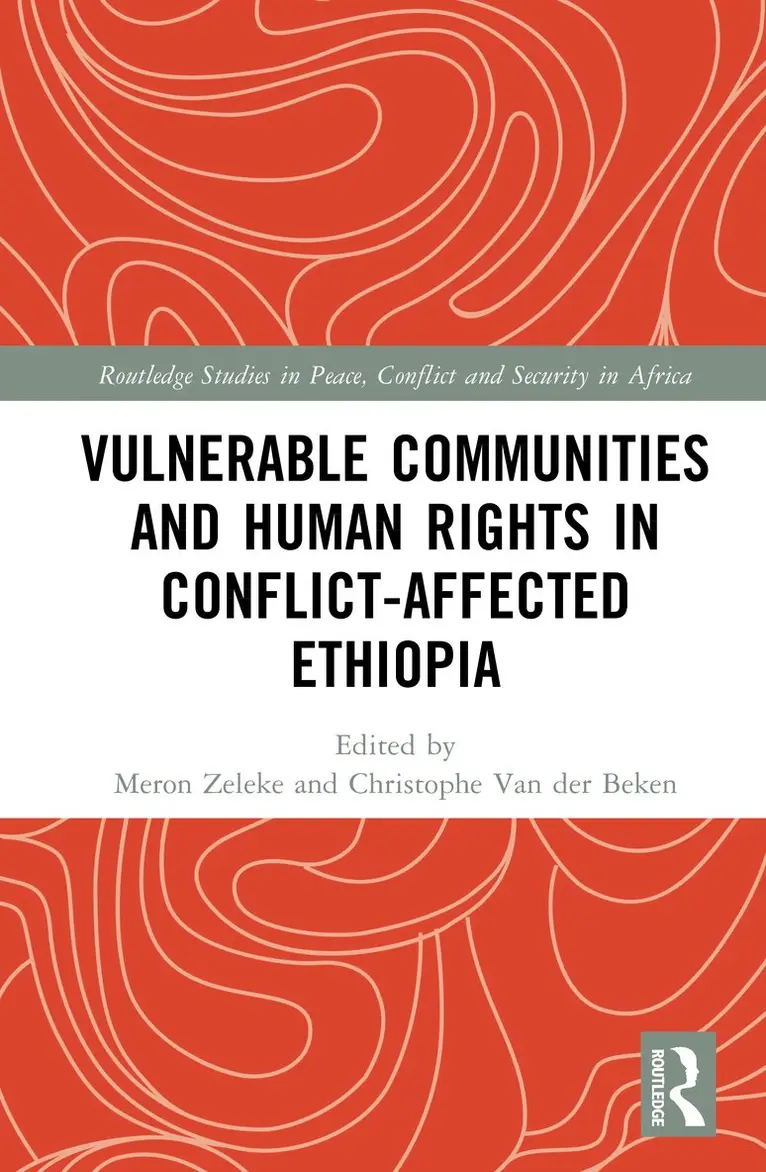
Vulnerable Communities and Human Rights in Conflict-Affected Ethiopia
Av Meron Zeleke, Christophe Van der Beken
Inbunden, 2026
2282 kr
Kommande
This book investigates the lived experiences of vulnerable communities affected by human rights violations in Ethiopia before, during, and after conflict. Providing empirically grounded insights into the connections between human rights and conflict, the book demonstrates how enhanced human rights …
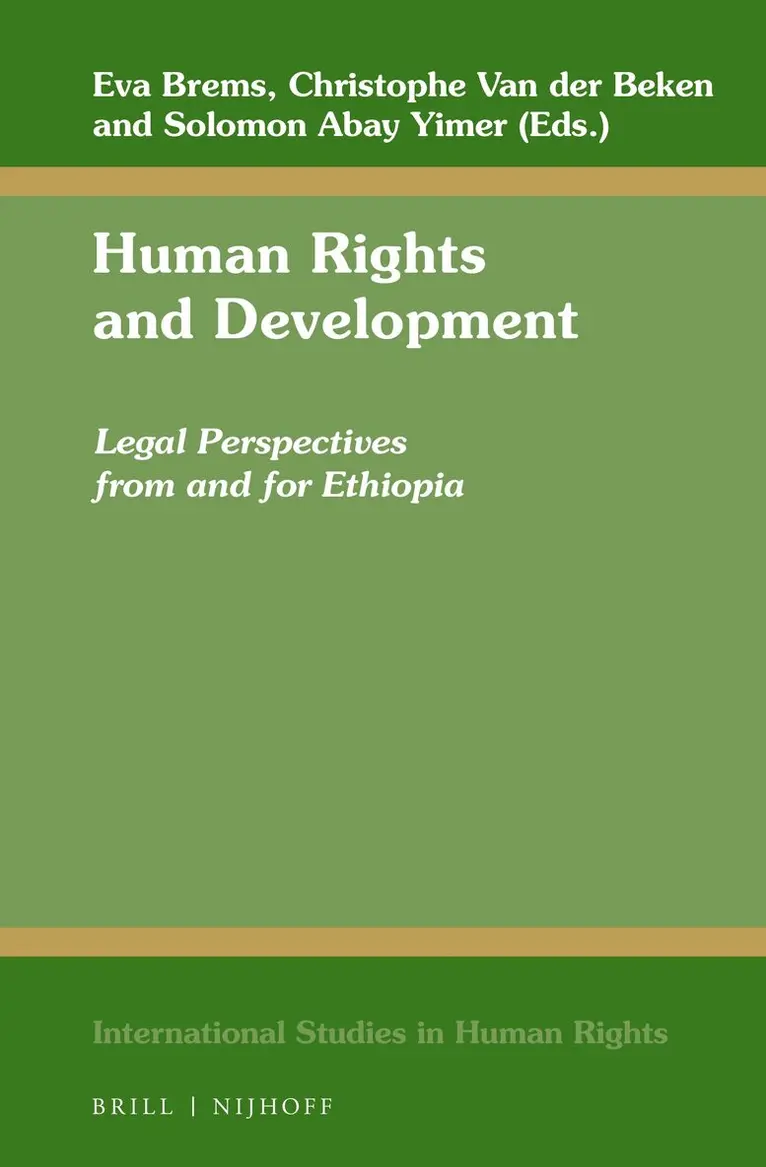
Human Rights and Development
Legal Perspectives from and for Ethiopia
Av Eva Brems, Christophe Van der Beken m. fl.
Inbunden, 2015
3012 kr
Lägg i varukorg
The papers by international and Ethiopian scholars included in Human Rights and Development: Legal Perspectives from and for Ethiopia focus on the interconnectedness between the protection of human rights and the achievement of development. The book adds to the international debate by providing a …