Toni Samek – författare
Visar alla böcker från författaren Toni Samek. Handla med fri frakt och snabb leverans.
8 produkter
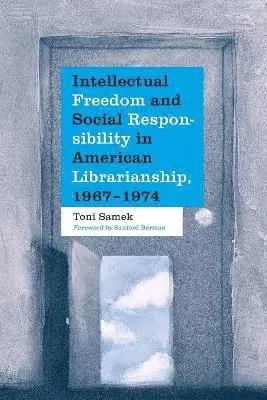
Intellectual Freedom and Social Responsibility in American Librarianship, 1967-1974
Av Toni Samek
Häftad, 2001
502 kr
Lägg i varukorg
Between 1967 and 1974, a number of librarians came together to push for change in the American Library Association. They soon prompted a majority of the profession to examine their role in the dissemination and preservation of culture and to ask basic questions about the terrain that the profession …
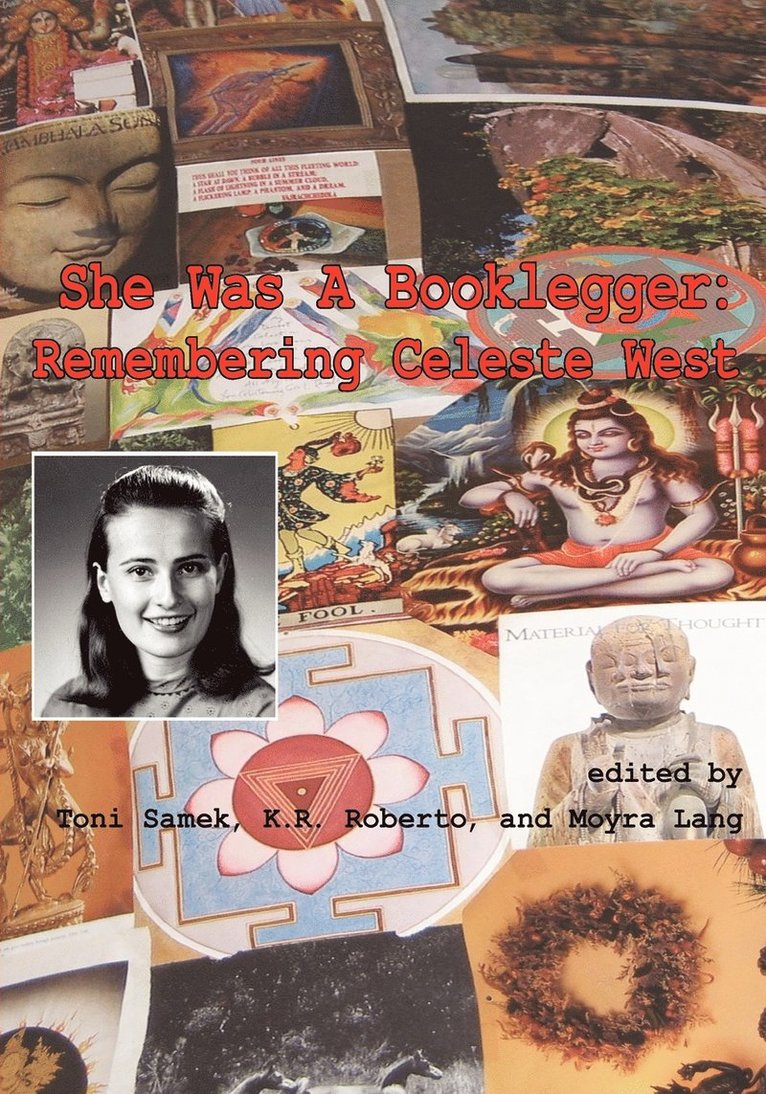
She Was a Booklegger
Remembering Celeste West
Av Toni Samek, KR Roberto m. fl.
Häftad, 2010
455 kr
Lägg i varukorg
Information Ethics, Globalization and Citizenship
Essays on Ideas to Praxis
Häftad, 2017
677 kr
Lägg i varukorg
The boundaries of citizenship have been blurred by global information systems--while the public and private spheres have been reshaped through globalization (and colonialism and capitalism). This collection of new essays explores information and citizenship in the digital age from a range of …
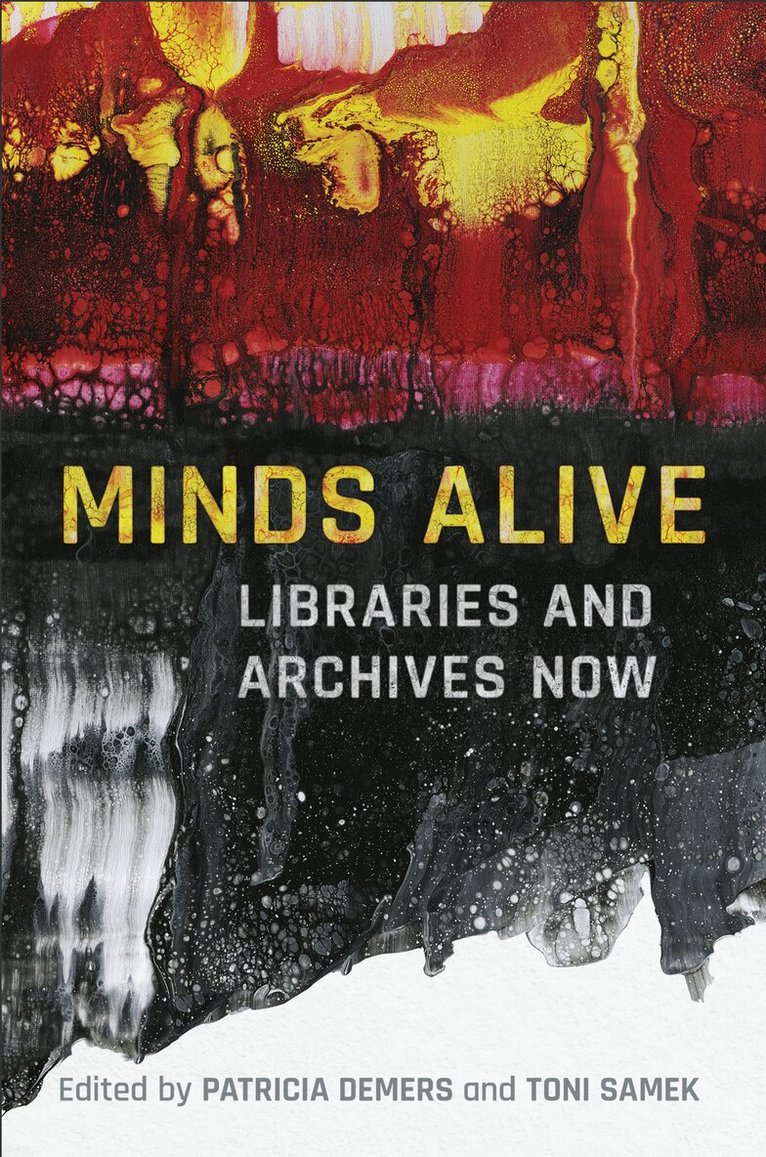
Minds Alive
Libraries and Archives Now
Av Patricia A. Demers, Toni Samek
Inbunden, 2019
739 kr
Lägg i varukorg
Minds Alive explores the enduring role and intrinsic value of libraries, archives, and public institutions in the digital age. Featuring international contributors, this volume delves into libraries and archives as institutions and institutional partners, the professional responsibilities of …
Minds Alive
Libraries and Archives Now
Av Patricia A. Demers, Toni Samek
E-bok, 2019
964 kr
Lägg i varukorg
Minds Alive explores the enduring role and intrinsic value of libraries, archives, and public institutions in the digital age. Featuring international contributors, this volume delves into libraries and archives as institutions and institutional partners, the professional responsibilities of …
Minds Alive
Libraries and Archives Now
Av Patricia A. Demers, Toni Samek
E-bok, 2019
964 kr
Lägg i varukorg
Minds Alive explores the enduring role and intrinsic value of libraries, archives, and public institutions in the digital age. Featuring international contributors, this volume delves into libraries and archives as institutions and institutional partners, the professional responsibilities of …
Librarianship and Human Rights
A Twenty-First Century Guide
Av Toni Samek
E-bok, 2014
683 kr
Lägg i varukorg
In this book, the reader will encounter a myriad of urgent library and information voices reflecting contemporary local, national, and transnational calls to action on conflicts generated by failures to acknowledge human rights, by struggles for recognition and representation, by social exclusion, …
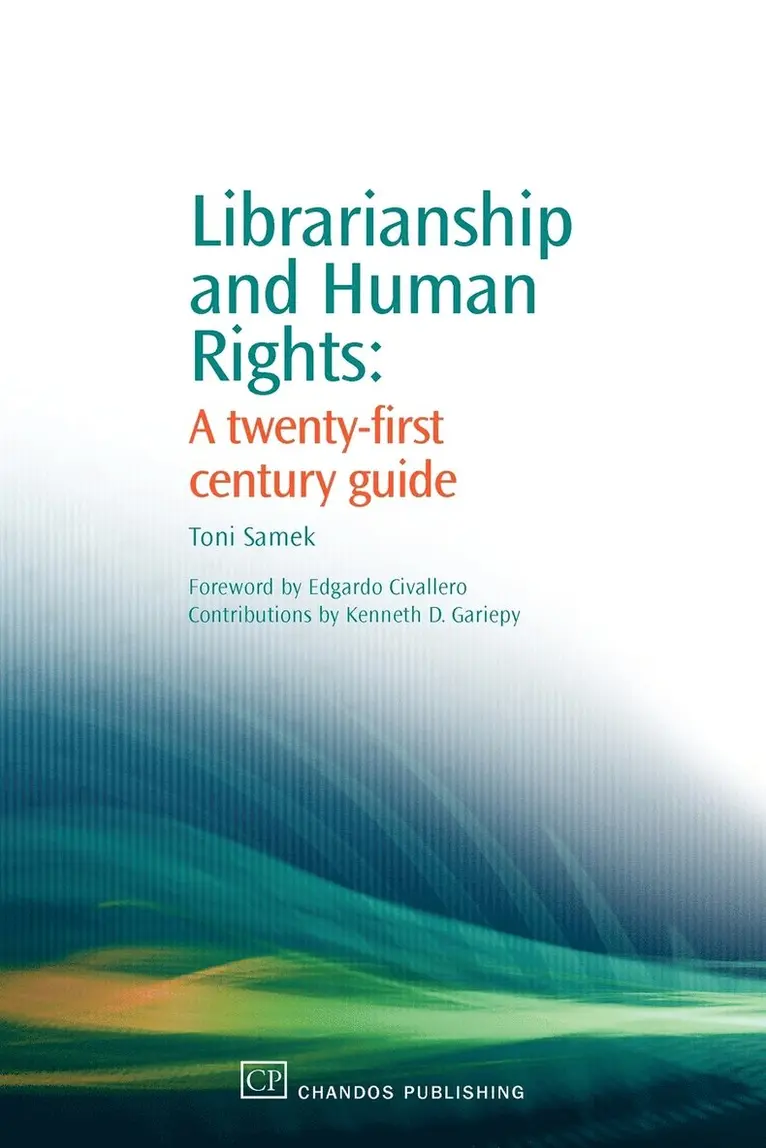
Librarianship and Human Rights
A Twenty-First Century Guide
Av Toni Samek
Häftad, 2007
603 kr
Lägg i varukorg
In this book, the reader will encounter a myriad of urgent library and information voices reflecting contemporary local, national, and transnational calls to action on conflicts generated by failures to acknowledge human rights, by struggles for recognition and representation, by social exclusion, …