Tony Hawk – författare
Visar alla böcker från författaren Tony Hawk. Handla med fri frakt och snabb leverans.
10 produkter
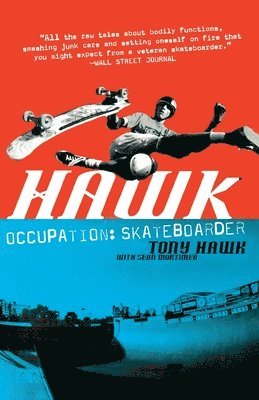
Hawk
Occupation Skateboarder
Av Tony Hawk
Häftad, 2015
164 kr
Lägg i varukorg
The world’s leading professional skateboarder and a hero to thousands of Generation Xers, Tony Hawk relives a lifetime of incredible highs and lows in the sport.Tony Hawk, aka The Birdman, has won more than 60 contests, invented close to 50 new manoeuvres and made skateboarding history at the 1999 …
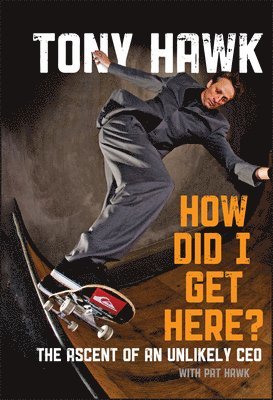
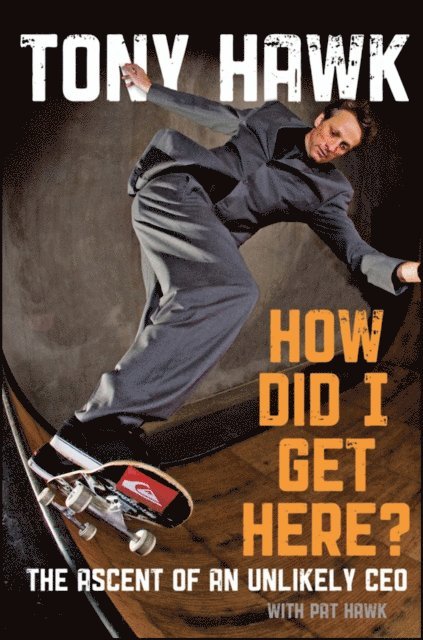
How Did I Get Here?
The Ascent of an Unlikely CEO
Av Tony Hawk
Inbunden, 2010
227 kr
Lägg i varukorg
The most famous skateboarder ever shares the business secrets to his success! He's the man who put skateboarding on the map. He's the first to land a 900 (two and a half full rotations). He's also among the richest pitchmen in any sport. And, in a sport that's especially youth-oriented, Tony Hawk, …
California Concrete
A Landscape of Skateparks
Inbunden, 2019
398 kr
Lägg i varukorg
Southern California is the birthplace of skateboard culture and, even though skateparks may be found worldwide today, it is where these parks continue to flourish as architects, engineers and skateboarders collaborate to refine their designs. The artist Amir Zaki grew up skateboarding, so he has an …
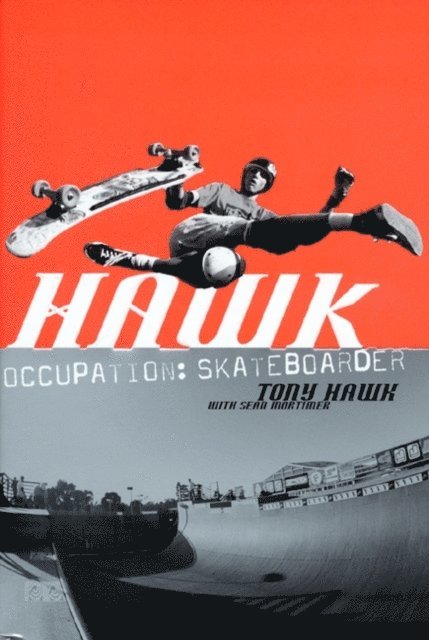
Hawk
Occupation: Skateboarder
E-bok, 2010
101 kr
Lägg i varukorg
For Tony Hawk, it wasn''t enough to skate for two decades, to invent more than eighty tricks, and to win more than twice as many professional contests as any other skater.It wasn''t enough to knock himself unconscious more than ten times, fracture several ribs, break his elbow, knock out his teeth …
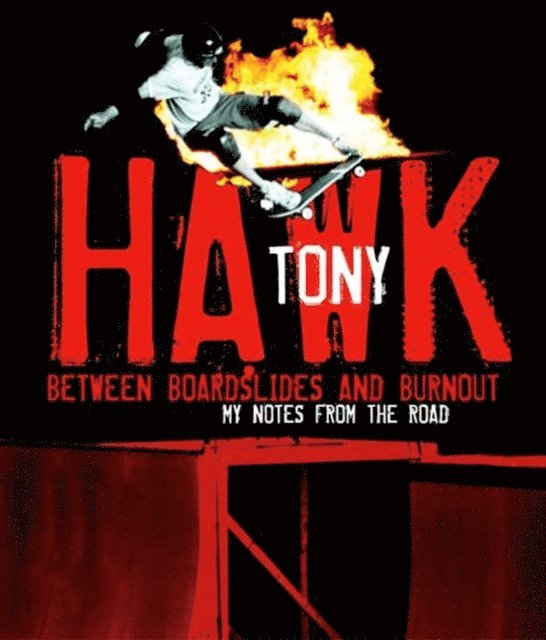
Between Boardslides and Burnout
My Notes from the Road
Av Tony Hawk
E-bok, 2010
113 kr
Lägg i varukorg
With this all-access pass, Tony Hawk shares the joy, the exhaustion, the adrenaline, and the pain of life on the road. Between Boardslides and Burnout puts you right on the edge of the ramp and on the road with him -- from competitions to demos, to store openings, to autograph signings, to movie …
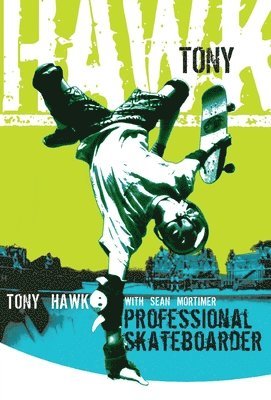
Tony Hawk
The Autobiography
E-bok, 2010
77 kr
Lägg i varukorg
In this young adult autobiography, Tony Hawk shares the stories from his life that have helped him become a skateboarding hero.Hawk speaks of being a super-competitive ''demon'' child who found peace while on a skateboard. Classmates teased him because of his interest in an ''uncool'' sport. …
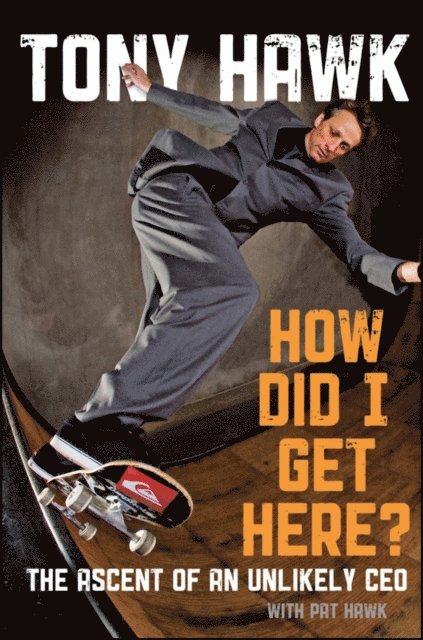
How Did I Get Here?
The Ascent of an Unlikely CEO
Av Tony Hawk
E-bok, 2010
277 kr
Lägg i varukorg
The most famous skateboarder ever shares the business secrets to his success! He''s the man who put skateboarding on the map. He''s the first to land a 900 (two and a half full rotations). He''s also among the richest pitchmen in any sport. And, in a sport that''s especially youth-oriented, Tony …
How Did I Get Here?
The Ascent of an Unlikely CEO
Av Tony Hawk
E-bok, 2010
277 kr
Lägg i varukorg
The most famous skateboarder ever shares the business secrets to his success! He''s the man who put skateboarding on the map. He''s the first to land a 900 (two and a half full rotations). He''s also among the richest pitchmen in any sport. And, in a sport that''s especially youth-oriented, Tony …
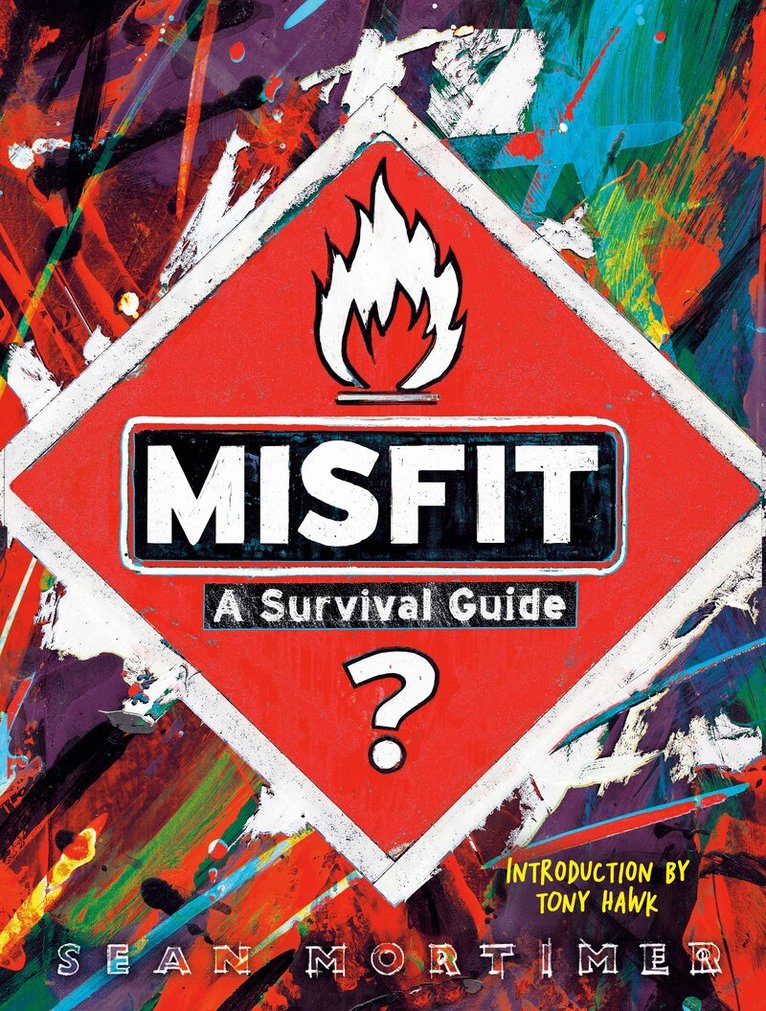
Misfit
A Survival Guide
Inbunden, 2026
254 kr
Lägg i varukorg
The ultimate guide to recognizing untapped potential by celebrating imperfection. Learn to take the path less travelled with direction from misfit guides like Tony Hawk, Mark Mothersbaugh, Michelle “Estrojen” Steilen, Shepard Fairey, and many more. Introduction by Tony Hawk. "You're weird." …