Tony Le Tissier – författare
Visar alla böcker från författaren Tony Le Tissier. Handla med fri frakt och snabb leverans.
19 produkter
Farewell to Spandau
Häftad, 2021
190 kr
Lägg i varukorg
‘Crisply authoritative first-hand account . . . The odd story of Hess’ imprisonment and death is one of those fascinating footnotes of history and readers will not find a better account of them than this book.’ - The Washington TimesOn 17 August 1987, Rudolf Hess, Allied Prisoner No. 7, died at the …
Slaughter at Halbe
The Destruction of Hitler's 9th Army
Häftad, 2021
172 kr
Tillfälligt slut
Operation ‘Berlin’, the Soviet offensive launched on 16 April 1945 by Marshals Zhukov and Koniev, isolated the German 9th Army and tens of thousands of refugees in the Spreewald ‘pocket’, south-east of Berlin. Stalin ordered its encirclement and destruction, and his subordinates, eager to win the …
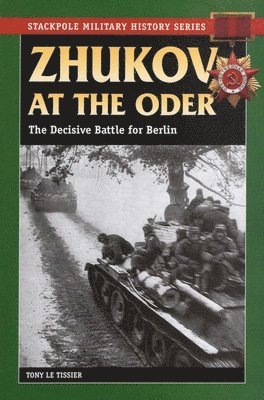
Zhukov At the Oder
The Decisive Battle for Berlin
Inbunden, 1996
1098 kr
Lägg i varukorg
In his new book, Tony Le Tissier provides the first detailed account of the Soviet-German conflict east of Berlin, culminating in 1945 with the last major land battle in Europe that proved decisive for the fate of Berlin. When the first Red Army soldier reached the Oder on the 31st of January, …
Marshal Zhukov at the Oder
The Decisive Battle for Berlin
Häftad, 2021
189 kr
Lägg i varukorg
On 31 January 1945, in the dying months of the Second World War, the first Red Army troops reached the River Oder, barely 40 miles from Berlin. Everyone at Soviet Headquarters expected Marshal Zhukov’s troops to bring the war quickly to an end. Despite bitter fighting by both sides, a bloody …
Death Was Our Companion
The Final Days of the Third Reich
Häftad, 2021
165 kr
Lägg i varukorg
As Hitler's dreams of a Thousand Year Reich crumbled in the face of overwhelming assaults from both East and West in the first months of 1945 the heavily out numbered German armed forces were still capable of fighting with a tenacity and professionalism at odds with the desperate circumstances. …
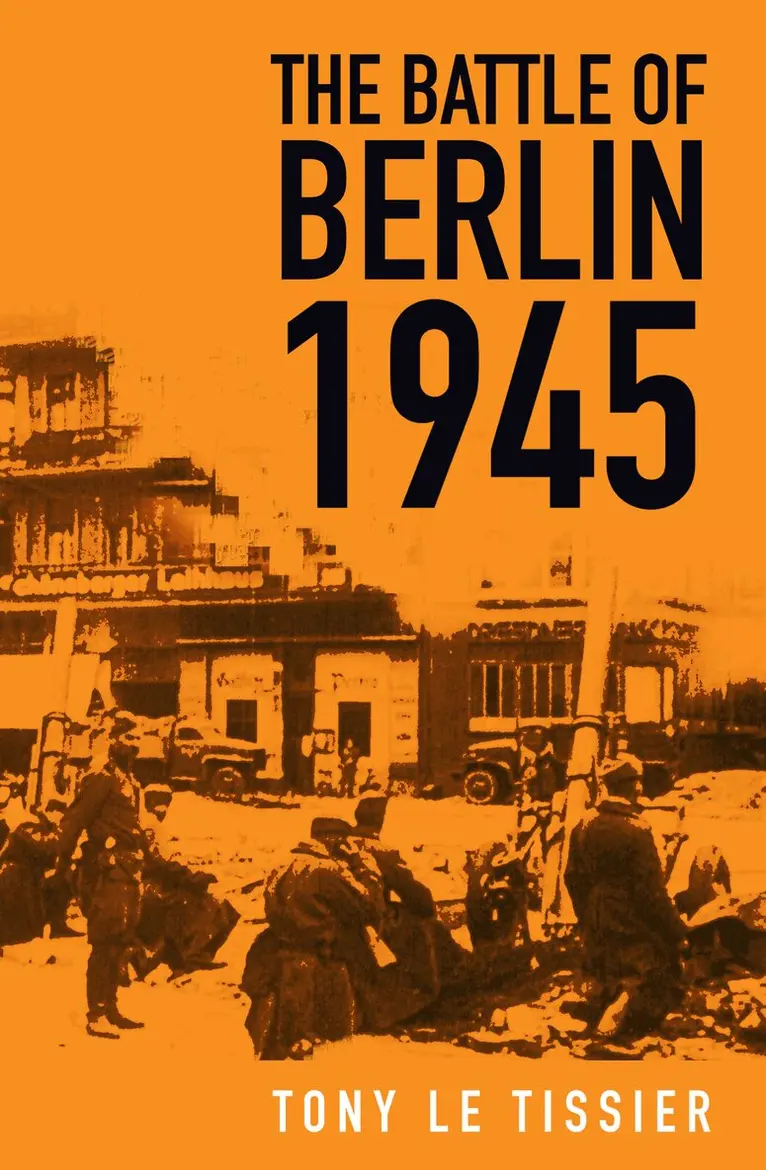
Battle of Berlin 1945
Häftad, 2022
212 kr
Lägg i varukorg
‘Tony Le Tissier is arguably the finest English-language historian of the Battle of Berlin’ - defenceWebThe Battle of Berlin was a battle on an unprecedented scale. The Soviets massed 1.6 million troops for Operation Berlin, and Marshal Zhukov in the centre had half of them, but his initial attack …
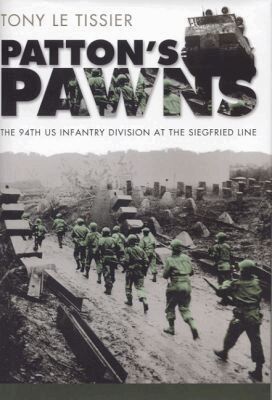
Patton's Pawns
The 94th US Infantry Division at the Siegfried Line
Häftad, 2012
455 kr
Lägg i varukorg
The 94th US Infantry Division was an organization formed late in the Second World War, made up largely of draft-deferred university students as enlisted men and an officer corps pulled together from various domestic postings with unfortunate consequences for mutual trust and respect. Initially used …
Patton's Pawns
The 94th US Infantry Division at the Siegfried Line
E-bok, 2008
587 kr
Lägg i varukorg
The 94th US Infantry Division was an organization formed late in the Second World War, made up largely of draft-deferred university students as enlisted men and an officer corps pulled together from various domestic postings with unfortunate consequences for mutual trust and respect. Initially used …
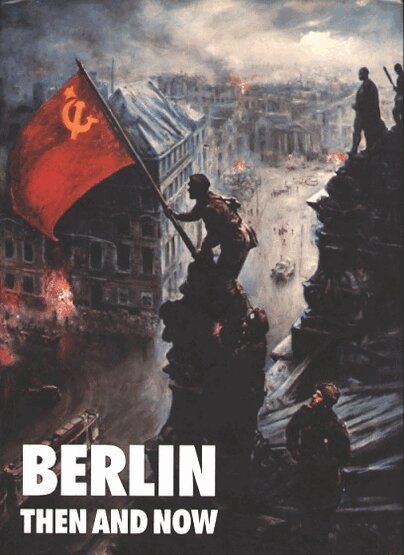
Berlin: Then and Now
Inbunden, 2023
4,0 utav 5 stjärnor. Totalt antal röster: (1)
550 kr
Lägg i varukorg
Chronicling the history of Berlin, this book charts the Communist-Nazi struggle of the Weimar Republic; the "Thousand Year Reich" with its penchant for show and architectural grandeur which transformed the city; and its consequent battering by the Allies and the Soviets by air and land …
Race for the Reichstag
The 1945 Battle for Berlin
E-bok, 2021
126 kr
Lägg i varukorg
Tony Le Tissier’s classic account of the battle for Berlin dispels the myths created by Soviet propaganda and describes in graphic detail the Red Army’s final offensive against Nazi Germany – the race for the Reichstag. Among the soldiers of the Red Army, Berlin – and the Reichstag in particular - …
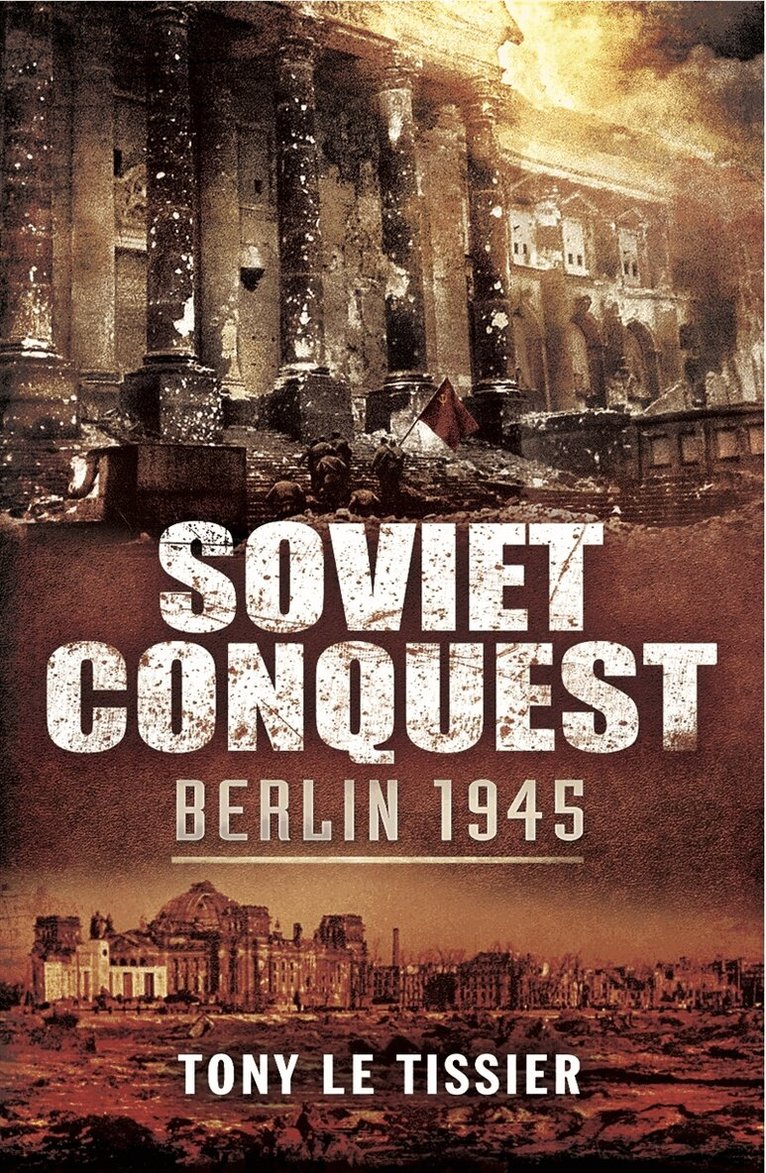
Soviet Conquest
Berlin 1945
E-bok, 2021
126 kr
Lägg i varukorg
How did top Red Army commanders see the assault on Berlin in 1945 – what was their experience of the last, terrible battle of the Second World War in Europe? Personal accounts by the most famous generals involved – Zhukov, Koniev and Chuikov – have been published in English, but the recollections …
SS Charlemagne
The 33rd Waffen-Grenadier Division of the SS
Häftad, 2019
171 kr
Lägg i varukorg
In May 1945, as the triumphant Red Army crushed the last pockets of German resistance in central Berlin, French soldiers fought back. They were the last surviving members of SS Charlemagne, the Waffen SS division made up of French volunteers. They were among the final defenders of the city and of …
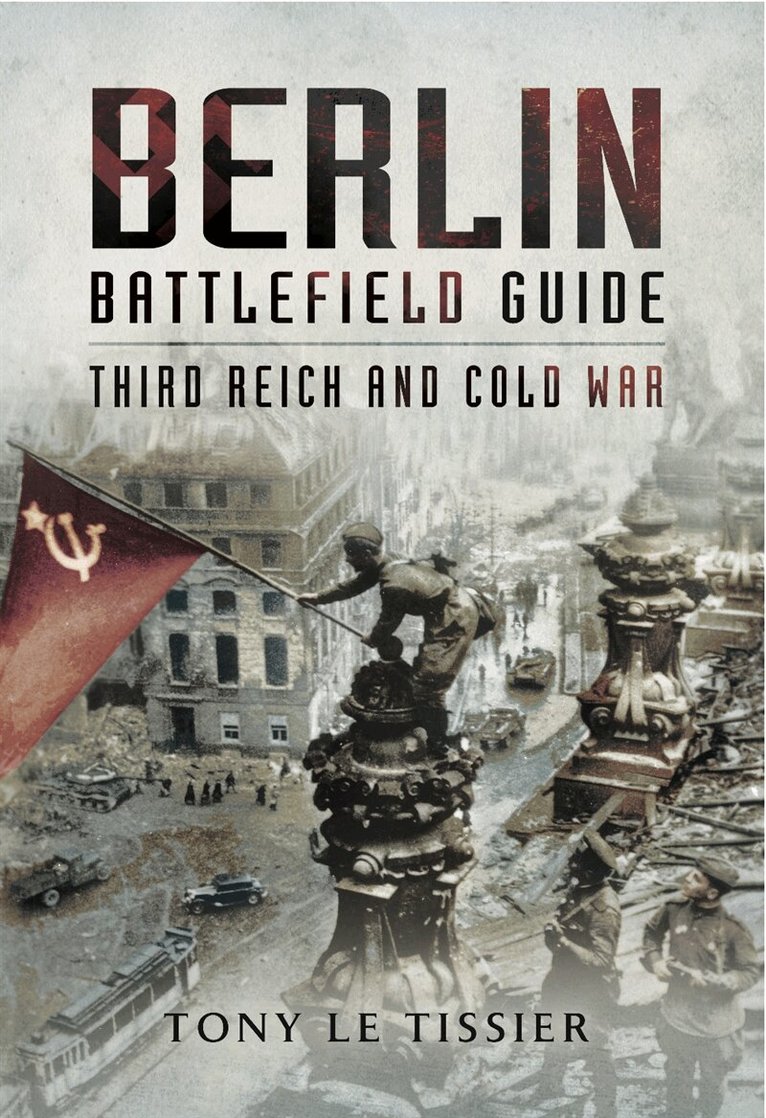
Berlin Battlefield Guide
Third Reich & Cold War
E-bok, 2021
95 kr
Lägg i varukorg
On 16 April 1945 the Red Army unleashed a colossal offensive against Berlin with the aim of destroying Hitler's armies in the East and capturing the German capital before the Western Allies. Over two million soldiers confronted each other in the last act in the war against Nazi Germany. In the …
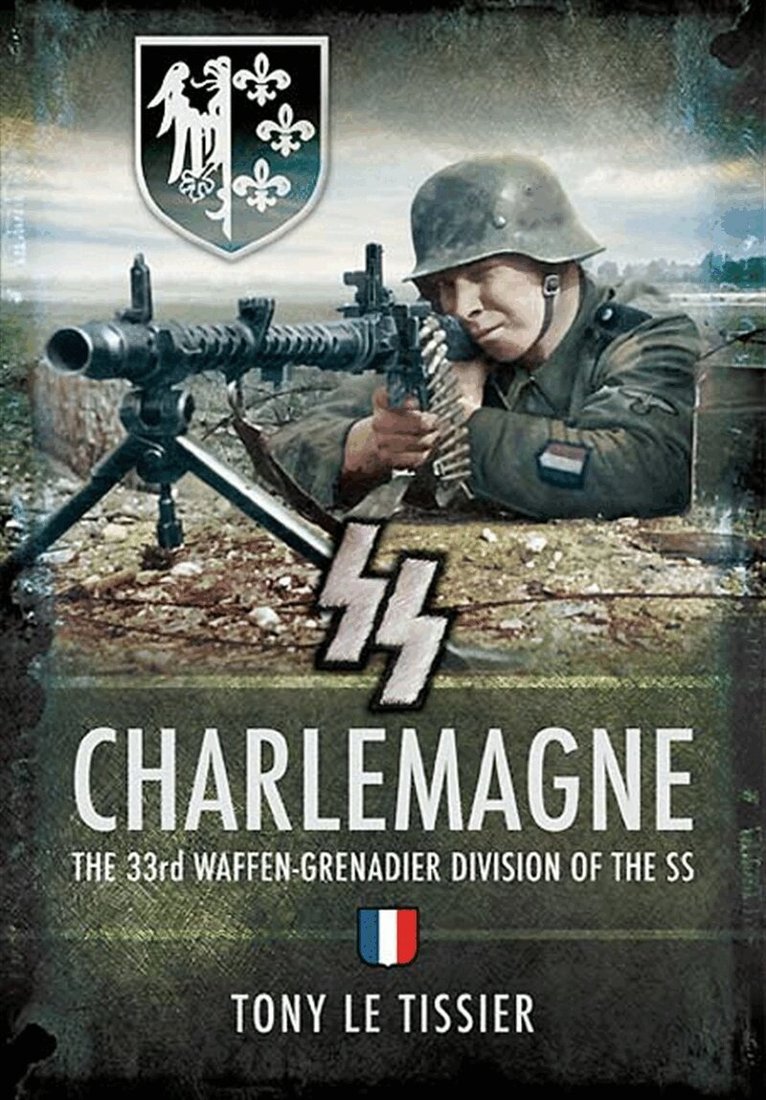
SS Charlemagne
The 33rd Waffen-Grenadier Division of the SS
E-bok, 2021
110 kr
Lägg i varukorg
In May 1945, as the triumphant Red Army crushed the last pockets of German resistance in central Berlin, French soldiers fought back. They were the last surviving members of SS Charlemagne, the Waffen SS division made up of French volunteers. They were among the final defenders of the city and of …
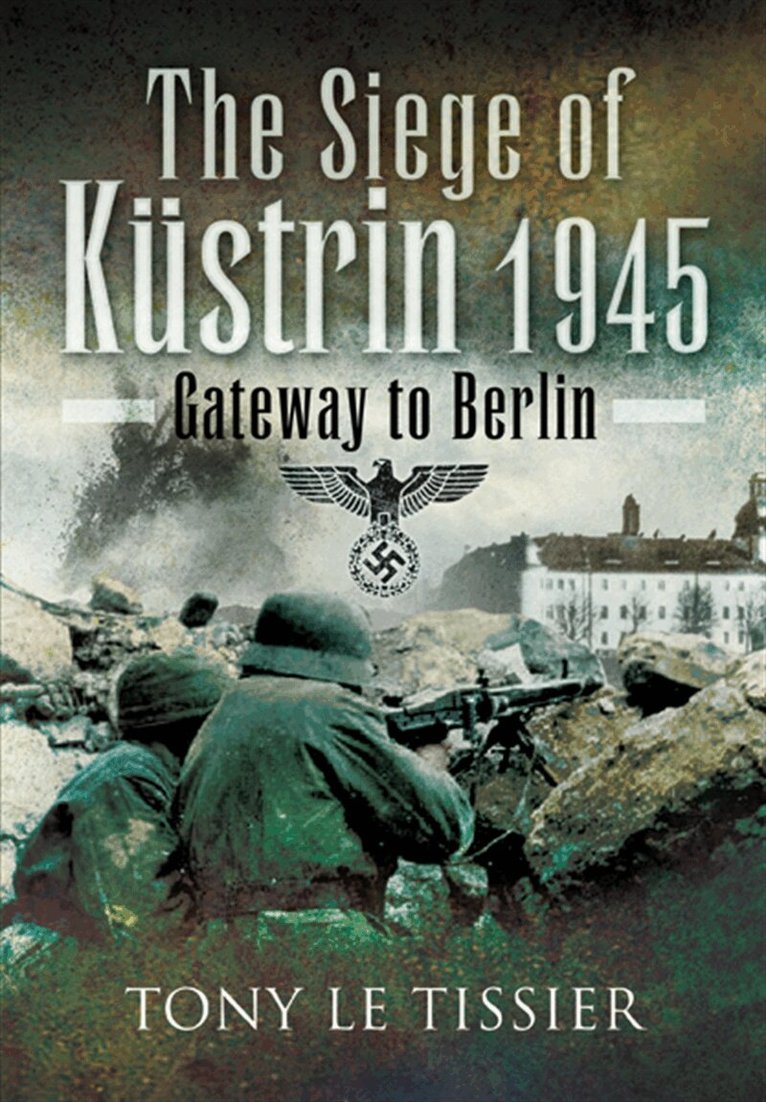
Siege of Kustrin 1945
Gateway to Berlin
E-bok, 2021
126 kr
Lägg i varukorg
The unexpected arrival of Soviet troops at the end of January 1945 at the ancient fortress and garrison town of Küstrin came as a tremendous shock to the German High Command-the Soviets were now only 50 miles from Berlin itself. The Red Army needed the vital road and rail bridges passing through …
Third Reich: Then and Now
Inbunden, 2004
550 kr
Lägg i varukorg
Sixty years have elapsed since the cataclysmic demise of Adolf Hitler and his Third Reich. In this book Tony Le Tissier (author of Berlin Then and Now) traces the rise of Hitler, the Nazi Party and its ramifications, together with its deeds and accomplishments, during the twelve years that the …
Zhukov at the Oder
The Decisive Battle for Berlin
Häftad, 2009
261 kr
Tillfälligt slut
On January 31, 1945, the Red Army stood on a line along the Oder River, about thirty-five miles east of Berlin. The fall of the Third Reich seemed imminent, especially with Marshal Georgi Zhukov leading the offensive, but the Soviets would not reach the German capital for more than two months, …
Patton's Pawns
The 94th US Infantry Division at the Siegfried Line
Inbunden, 2007
641 kr
Tillfälligt slut
The 94th US Infantry Division was an organization formed late in the Second World War, made up largely of draft-deferred university students as enlisted men and an officer corps pulled together from various domestic postings with unfortunate consequences for mutual trust and respect. Initially used …
Berlin Dance of Death
Av Helmut Altner, Tony Le Tissier
Häftad, 2005
180 kr
Tillfälligt slut
This is a teenager's vivid account of his experiences as a conscript during the final desperate weeks of the Third Reich, during which he experienced training immediately behind the front line east of Berlin, was caught up in the massive Soviet assault on Berlin from the Oder, retreated …