Tony Rook – författare
Visar alla böcker från författaren Tony Rook. Handla med fri frakt och snabb leverans.
3 produkter
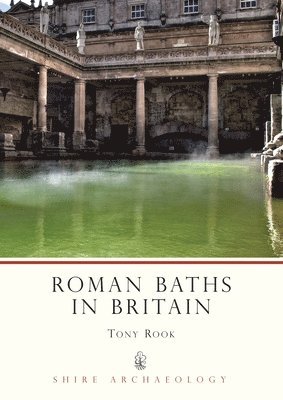
Roman Baths in Britain
Av Tony Rook
Häftad, 2002
114 kr
Lägg i varukorg
Almost every Roman site in Britain seems to have had its baths.They needed to be strongly built and to a large extent were constructed below contemporary ground level. As a result the remains of Roman baths have resisted demolition and damage by the plough.This concise volume explores how Roman …
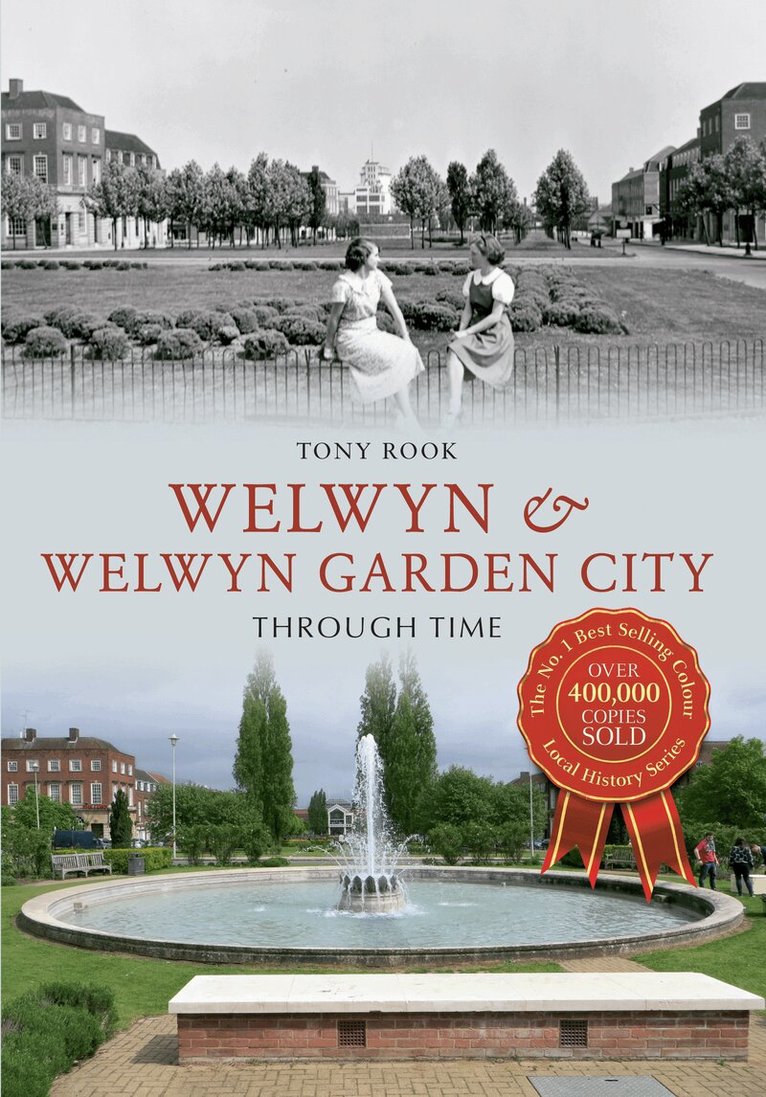
Welwyn & Welwyn Garden City Through Time
Av Tony Rook
Häftad, 2013
187 kr
Lägg i varukorg
If you look up Welwyn you uncover a geographical confusion that began nearly 100 years ago, when Ebenezer Howard purchased an area of agricultural land that was in two parishes, Hatfield and Digswell. For the purposes of civil administration, it was largely in the Rural District belonging to the …
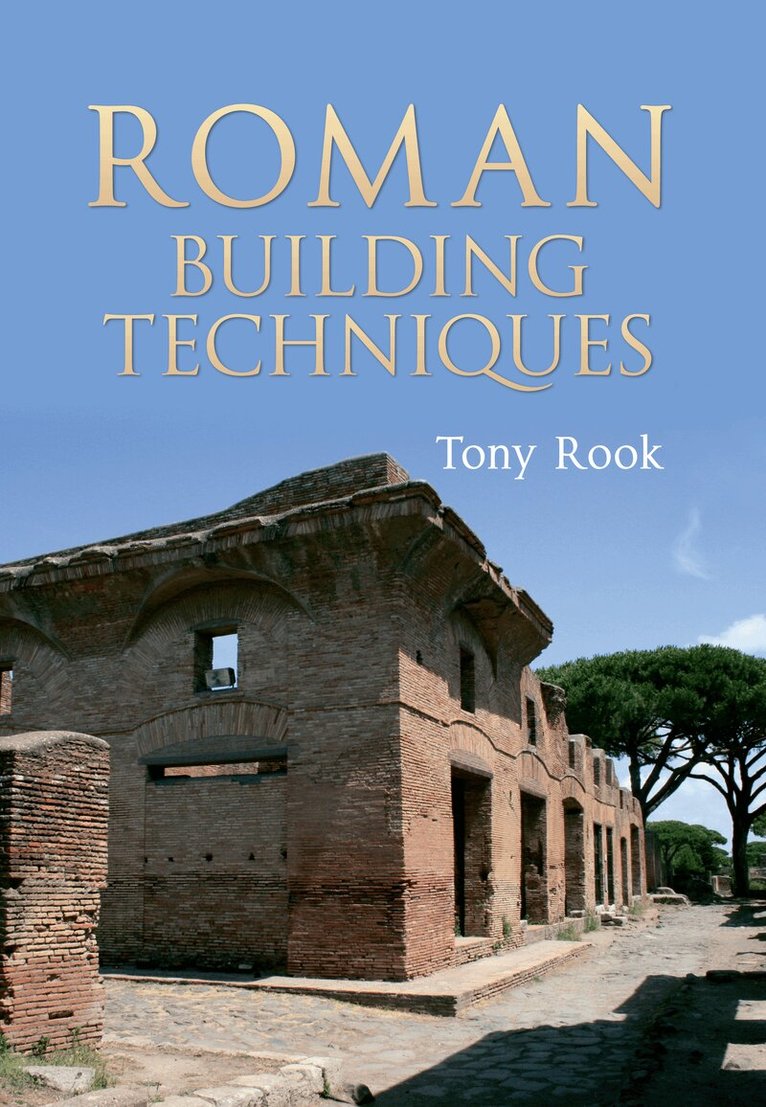
Roman Building Techniques
Av Tony Rook
Häftad, 2013
295 kr
Tillfälligt slut
Building and architecture flourished throughout the Roman Empire. The Romans discovered new techniques to solve problems but also to impress the world. They built aqueducts to bring water into their cities and towns, grand baths for cleansing and socialising, and elaborate villas for the cream of …