Toru Kiuchi - Böcker
Visar alla böcker från författaren Toru Kiuchi. Handla med fri frakt och snabb leverans.
3 produkter
3 produkter
723 kr
Skickas inom 5-8 vardagar
In this minutely detailed, comprehensive chronology, Toru Kiuchi and Yoshinobu Hakutani document the life in letters of the greatest African American writer of the twentieth century. The author of Black Boy and Native Son, among other works, Wright wrote unflinchingly about the black experience in the United States, where his books still influence discussions of race and social justice. Entries are documented by Wright's journals, articles, and other works published and unpublished, as well as his letters to and from friends, associates, writers and public figures. Part One covers Wright's life through the year 1946, the period in which he published his best-known work. Part Two covers the final fifteen years of his life in exile, a prolific period in which he wrote two novels, four works of nonfiction, and four thousand haiku. Each part begins with a historical and critical introduction.
1 698 kr
Skickas inom 10-15 vardagar
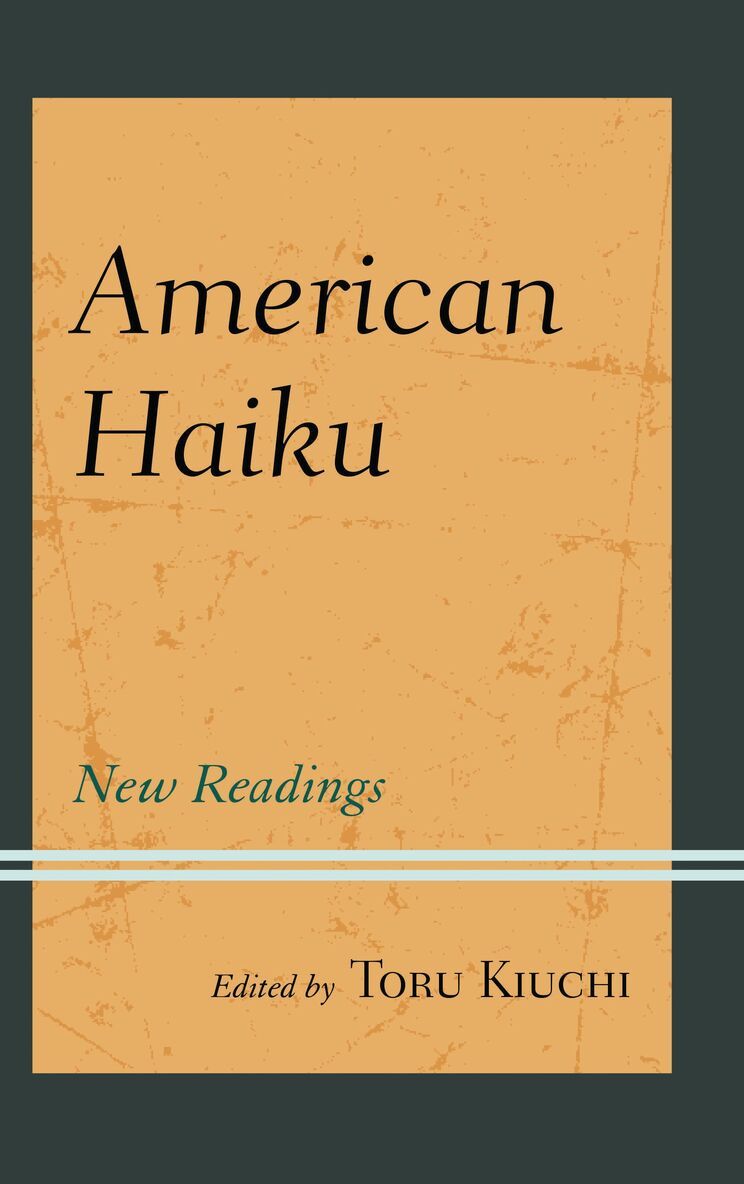
American Haiku: New Readings explores the history and development of haiku by American writers, examining individual writers. In the late nineteenth century, Japanese poetry influenced through translation the French Symbolist poets, from whom British and American Imagist poets, Amy Lowell, Ezra Pound, T. E. Hulme, and John Gould Fletcher, received stimulus. Since the first English-language hokku (haiku) written by Yone Noguchi in 1903, one of the Imagist poet Ezra Pound’s well-known haiku-like poem, “In A Station of the Metro,” published in 1913, is most influential on other Imagist and later American haiku poets. Since the end of World War II many Americans and Canadians tried their hands at writing haiku. Among them, Richard Wright wrote over four thousand haiku in the final eighteen months of his life in exile in France. His Haiku: This Other World, ed. Yoshinobu Hakutani and Robert L. Tener (1998), is a posthumous collection of 817 haiku Wright himself had selected. Jack Kerouac, a well-known American novelist like Richard Wright, also wrote numerous haiku. Kerouac’s Book of Haikus, ed. Regina Weinreich (Penguin, 2003), collects 667 haiku. In recent decades, many other American writers have written haiku: Lenard Moore, Sonia Sanchez, James A. Emanuel, Burnell Lippy, and Cid Corman. Sonia Sanchez has two collections of haiku: Like the Singing Coming off the Drums (Boston: Beacon Press, 1998) and Morning Haiku (Boston: Beacon Press, 2010). James A. Emanuel’s Jazz from the Haiku King (Broadside Press, 1999) is also a unique collection of haiku. Lenard Moore, author of his haiku collections The Open Eye (1985), has been writing and publishing haiku for over 20 years and became the first African American to be elected as President of the Haiku Society of America. Burnell Lippy’s haiku appears in the major American haiku journals, Where the River Goes: The Nature Tradition in English-Language Haiku (2013).Cid Corman is well-known not only as a haiku poet but a translator of Japanese ancient and modern haiku poets: Santoka, Walking into the Wind (Cadmus Editions, 1994).
1 544 kr
Skickas inom 10-15 vardagar
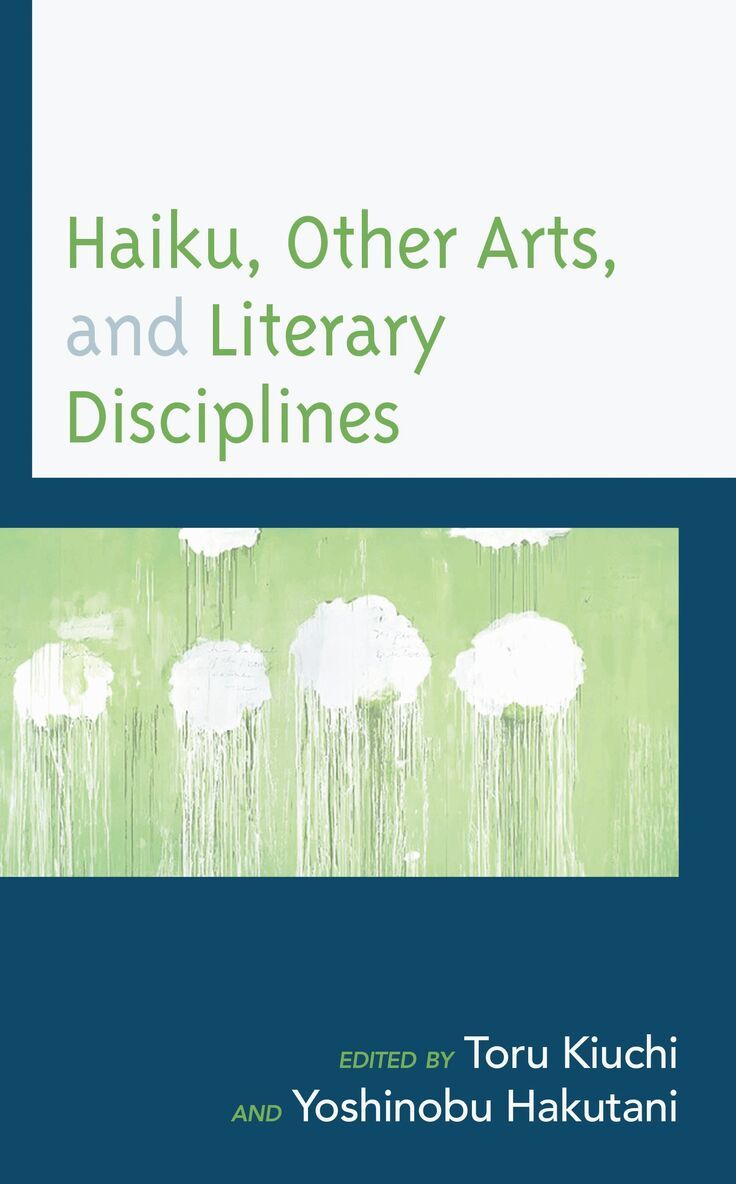
Haiku, Other Arts, and Literary Disciplines investigates the genesis and development of haiku in Japan and determines the relationships between haiku and other arts, such as essay writing, painting, and music, as well as the backgrounds of haiku, such as literary movements, philosophies, and religions that underlie haiku composition. By analyzing the poets who played major roles in the development of haiku and its related genres, these essays illustrate how Japanese haiku poets, and American writers such as Emerson and Whitman, were inspired by nature, especially its beautiful scenes and seasonal changes. Western poets had a demonstrated affinity for Japanese haiku which bled over into other art mediums, as these chapters discuss.