Traci Brynne Voyles - Böcker
Visar alla böcker från författaren Traci Brynne Voyles. Handla med fri frakt och snabb leverans.
5 produkter
5 produkter
282 kr
Skickas inom 7-10 vardagar
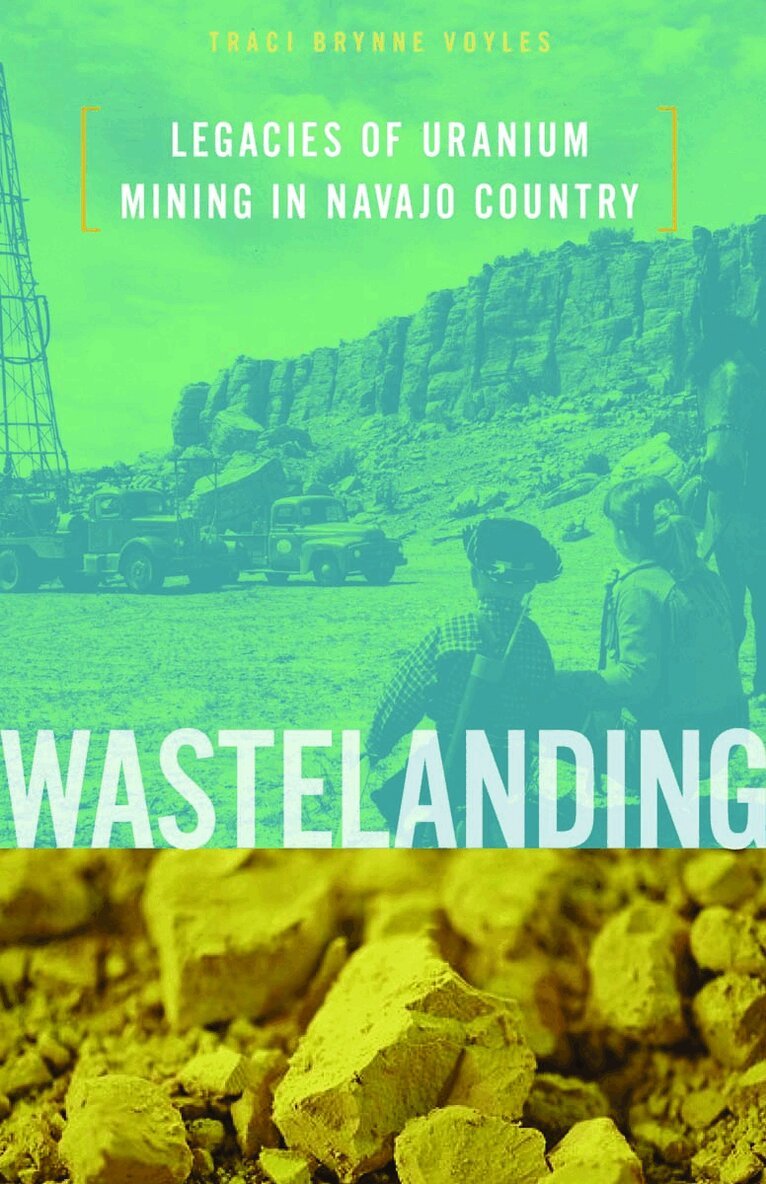
Wastelanding tells the history of the uranium industry on Navajo land in the U.S. Southwest, asking why certain landscapes and the peoples who inhabit them come to be targeted for disproportionate exposure to environmental harm. Uranium mines and mills on the Navajo Nation land have long supplied U.S. nuclear weapons and energy programs. By 1942, mines on the reservation were the main source of uranium for the top-secret Manhattan Project. Today, the Navajo Nation is home to more than a thousand abandoned uranium sites. Radiation-related diseases are endemic, claiming the health and lives of former miners and nonminers alike. Traci Brynne Voyles argues that the presence of uranium mining on DinÉ (Navajo) land constitutes a clear case of environmental racism. Looking at discursive constructions of landscapes, she explores how environmental racism develops over time. For Voyles, the “wasteland,” where toxic materials are excavated, exploited, and dumped, is both a racial and a spatial signifier that renders an environment and the bodies that inhabit it pollutable. Because environmental inequality is inherent in the way industrialism operates, the wasteland is the “other” through which modern industrialism is established. In examining the history of wastelanding in Navajo country, Voyles provides “an environmental justice history” of uranium mining, revealing how just as “civilization” has been defined on and through “savagery,” environmental privilege is produced by portraying other landscapes as marginal, worthless, and pollutable.
1 090 kr
Skickas inom 10-15 vardagar
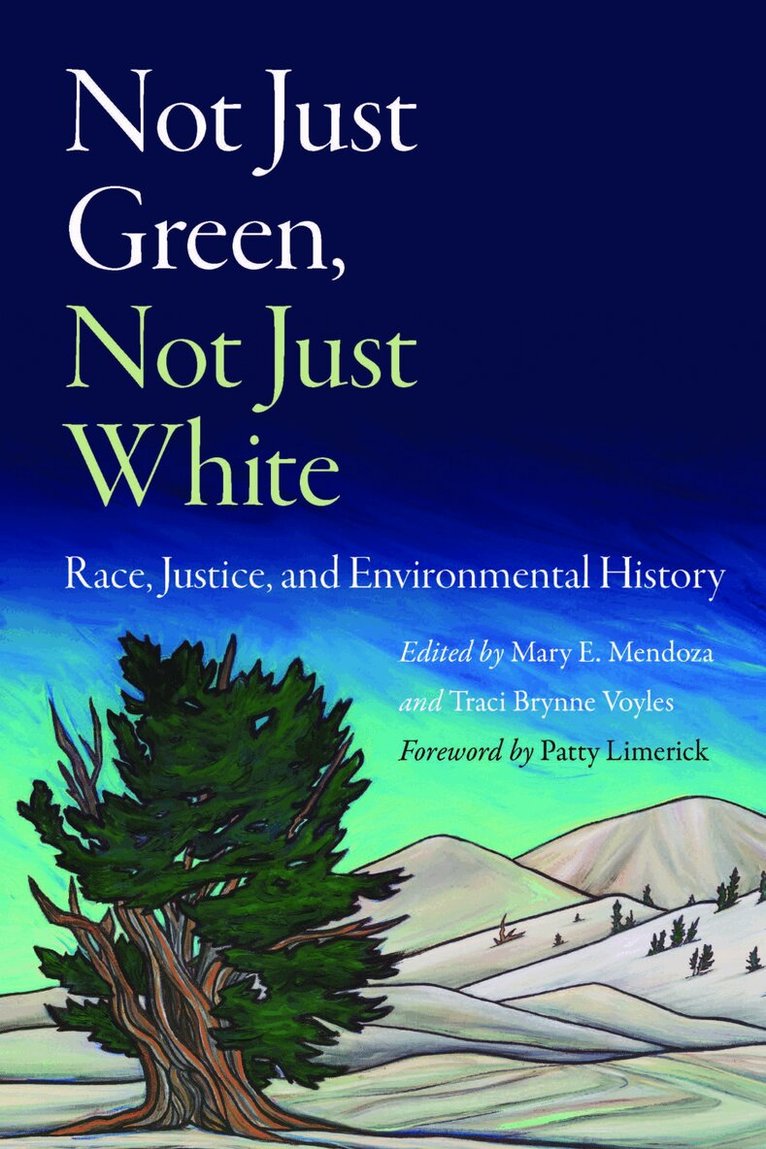
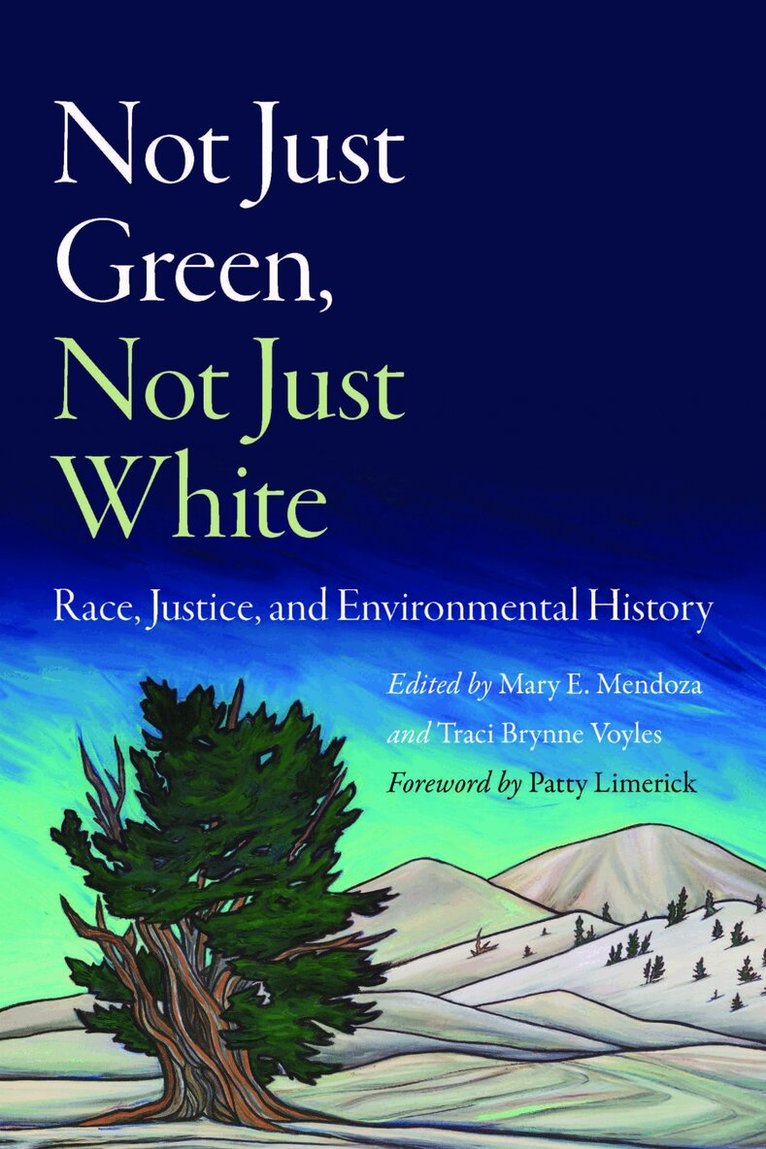
Not Just Green, Not Just White brings together a group of diverse contributors to explore the rich intersections between race and environment. Together these contributors demonstrate that the field of environmental history, with its core questions and critical engagement with the nonhuman world, provides a fertile context for understanding racism and ongoing colonialism as power structures in the United States.Earlier historiography has defined environmental history as the study of the changing relationships between humans and the environment-or nature. This volume aims to redefine the field, arguing that neither humans nor environment is a monolithic actor in any given story. Both humans and the environment are diverse, and often the environment causes conflict between and among peoples, leaving unequal access and power in its wake. Just as important, these histories often reveal how, despite unequal power, those who carry less privilege still persist.Together these essays demonstrate the promise of the field of environmental history and reveal how, when practitioners in the field decide to move away from “green” and “white” topics, they will be able to explain much more about our collective past than anyone ever imagined.
665 kr
Skickas inom 10-15 vardagar
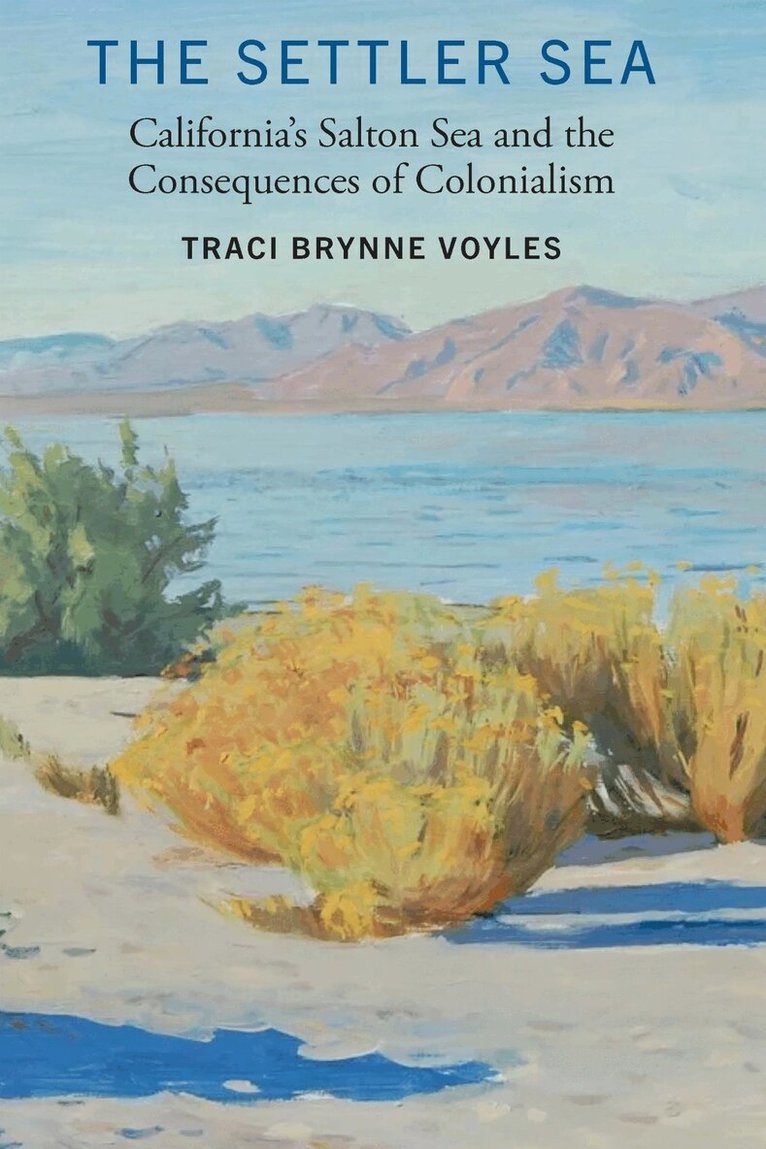
2022 Choice Outstanding Academic Title 2022 Caughey Western History Prize, Western History AssociationCan a sea be a settler? What if it is a sea that exists only in the form of incongruous, head-scratching contradictions: a wetland in a desert, a wildlife refuge that poisons birds, a body of water in which fish suffocate? Traci Brynne Voyles’s history of the Salton Sea examines how settler colonialism restructures physical environments in ways that further Indigenous dispossession, racial capitalism, and degradation of the natural world. In other words, The Settler Sea asks how settler colonialism entraps nature to do settlers’ work for them.The Salton Sea, Southern California’s largest inland body of water, occupies the space between the lush agricultural farmland of the Imperial Valley and the austere desert called “America’s Sahara.” The sea sits near the boundary between the United States and Mexico and lies at the often-contested intersections of the sovereign lands of the Torres Martinez Desert Cahuillas and the state of California. Created in 1905, when overflow from the Colorado River combined with a poorly constructed irrigation system to cause the whole river to flow into the desert, this human-maintained body of water is considered a looming environmental disaster.The Salton Sea’s very precariousness-existing always in the interstices of human and natural influences, between desert and wetland, between the skyward pull of the sun and the constant inflow of polluted water-is both a symptom and symbol of the larger precariousness of settler relationships to the environment, in the West and beyond. Voyles provides an innovative exploration of the Salton Sea, looking to the ways the sea, its origins, and its role in human life have been vital to the people who call this region home.
322 kr
Skickas inom 10-15 vardagar
2022 Choice Outstanding Academic Title 2022 Caughey Western History Prize, Western History AssociationCan a sea be a settler? What if it is a sea that exists only in the form of incongruous, head-scratching contradictions: a wetland in a desert, a wildlife refuge that poisons birds, a body of water in which fish suffocate? Traci Brynne Voyles’s history of the Salton Sea examines how settler colonialism restructures physical environments in ways that further Indigenous dispossession, racial capitalism, and degradation of the natural world. In other words, The Settler Sea asks how settler colonialism entraps nature to do settlers’ work for them.The Salton Sea, Southern California’s largest inland body of water, occupies the space between the lush agricultural farmland of the Imperial Valley and the austere desert called “America’s Sahara.” The sea sits near the boundary between the United States and Mexico and lies at the often-contested intersections of the sovereign lands of the Torres Martinez Desert Cahuillas and the state of California. Created in 1905, when overflow from the Colorado River combined with a poorly constructed irrigation system to cause the whole river to flow into the desert, this human-maintained body of water is considered a looming environmental disaster.The Salton Sea’s very precariousness-existing always in the interstices of human and natural influences, between desert and wetland, between the skyward pull of the sun and the constant inflow of polluted water-is both a symptom and symbol of the larger precariousness of settler relationships to the environment, in the West and beyond. Voyles provides an innovative exploration of the Salton Sea, looking to the ways the sea, its origins, and its role in human life have been vital to the people who call this region home.
357 kr
Skickas
Not Just Green, Not Just White brings together a group of diverse contributors to explore the rich intersections between race and environment. Together these contributors demonstrate that the field of environmental history, with its core questions and critical engagement with the nonhuman world, provides a fertile context for understanding racism and ongoing colonialism as power structures in the United States.Earlier historiography has defined environmental history as the study of the changing relationships between humans and the environment-or nature. This volume aims to redefine the field, arguing that neither humans nor environment is a monolithic actor in any given story. Both humans and the environment are diverse, and often the environment causes conflict between and among peoples, leaving unequal access and power in its wake. Just as important, these histories often reveal how, despite unequal power, those who carry less privilege still persist.Together these essays demonstrate the promise of the field of environmental history and reveal how, when practitioners in the field decide to move away from “green” and “white” topics, they will be able to explain much more about our collective past than anyone ever imagined.