Tricia Laughlin Bloom - Böcker
Visar alla böcker från författaren Tricia Laughlin Bloom. Handla med fri frakt och snabb leverans.
4 produkter
4 produkter
361 kr
Skickas inom 7-10 vardagar
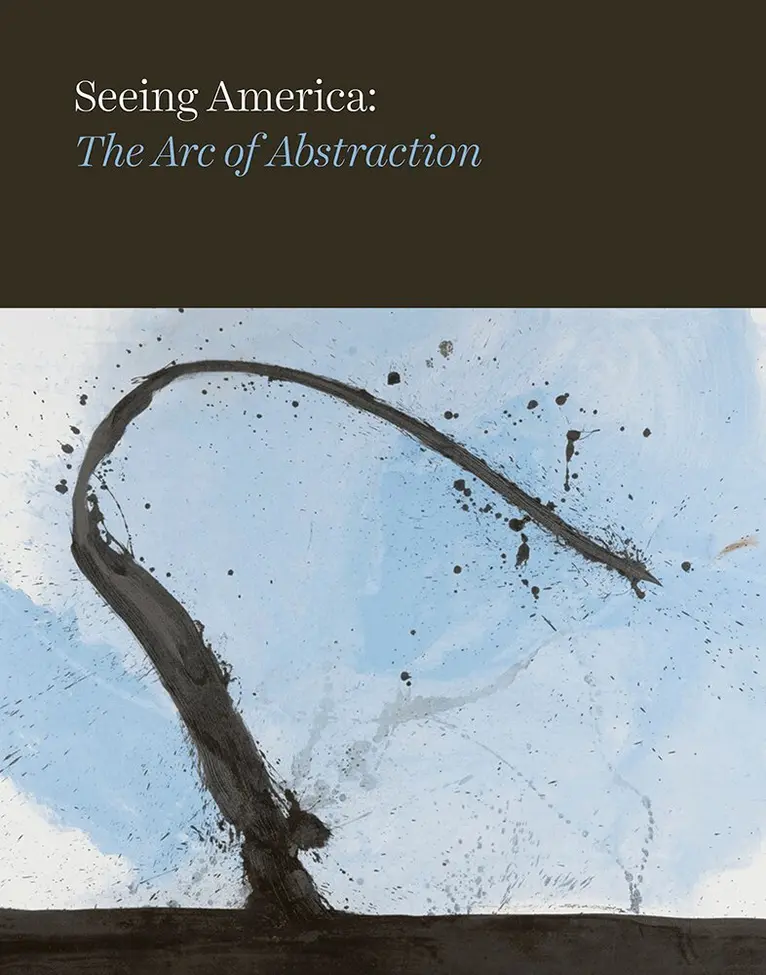
Where do we begin to talk about abstract art? This question depends on one’s worldview. From the point of view of the collection included in this book, the arc of abstraction is very broad, sweeping and multivalent. The essays included here take an open view of the story of abstraction, reflecting the variation and diversity of American art included in the holdings of the Newark Museum. The museum gave avant-garde abstraction an early American home, exhibiting the works of painter Max Weber in 1913. Yet abstraction’s American roots extend earlier as seen in indigenous objects as well.Donald Kuspit discusses America’s earliest abstract painter Arthur Dove and the innovations of Georgia O’Keefe, Joseph Stella, Morgan Russell, and Alexander Calder who all “convey abstraction’s ambivalent consciousness of nature and its unconscious attempt to recover the self.”The Arc of Abstraction is lavishly illustrated with over 80 full-color images of works by a broad array of abstract artists including Ad Reinhardt, Phillip K. Smith, III, Philip Guston, Isamu Noguchi, Romare Howard Bearden, Stuart Davis, Louise Nevelson, Arshile Gorky, Mark Rothko, Melvin Edwards, and JoaquÍn Torres-GarcÍa. Expert commentary by Ulysses Grant Dietz, Tricia Laughlin Bloom, Gabriel Dawe, Jalena Louise Jampolsky, Marela Zacarias, Tarin Fuller, William L. Coleman, Souleo, Tricia Laughlin Bloom, and Kay WalkingStick provides important insights to help readers understand the nature and significance of the artwork.Published by Newark Museum. Distributed worldwide by Rutgers University Press.
375 kr
Skickas inom 7-10 vardagar
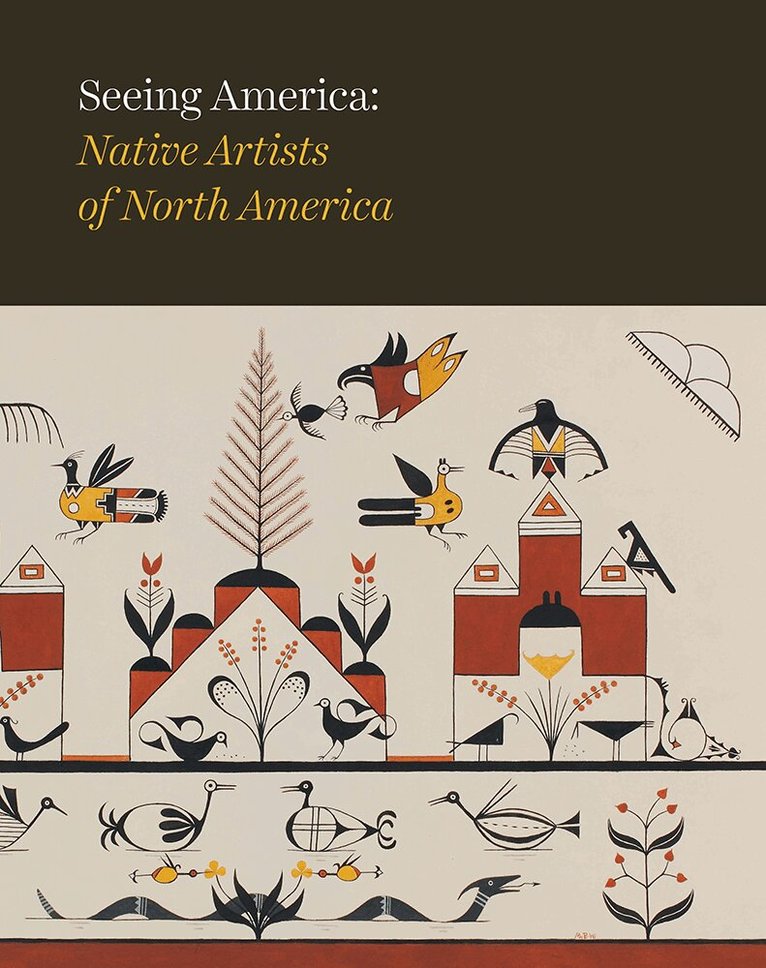
Lavishly illustrated with over 80 full-color images, this book includes original art and artifacts from the distant past as well as modern work by Native American artists from a vast array of tribes - including Cherokee, Delaware, Iroquois, Mohawk, Cheyenne, Lakota, Zuni, Pueblo, Yup’ik, Huron, Ojibwa, Arapaho, and Nez Perce. Works included are clothing (such as robes, shoes, and hats), everyday items (such as blankets, pots, jugs, and baskets) and artwork (such as paintings on animal hide and colorful figurines).This publication, the first ever to document the Newark Museum’s important Native American holdings in a significant way, is the result of more than one hundred years of collecting and an ambitious amount of new research and interpretation.John Cotton Dana, the museum’s founding director, refused established museum hierarchies of art, believing that such stratification was used to privilege painting and sculpture over other media and to marginalize artistic traditions that were not necessarily old or European. Dana’s drive to collect art globally and across media, underscoring the role art plays in the daily lives of real people, was all part of the same refrain: art is everything; art is everywhere; art is for everyone.The works here highlight the vitality and persistence of Indigenous people over time and across experiences, and the tenacity with which cultural knowledge and the mastery of skill are passed on from one generation to the next. They also reflect how Native American artists and communities have been and continue to be engaged in broader historical, artistic, and economic exchanges with outsiders. They demonstrate the originality, vision, and care with which artists from different tribal nations across the continent, each with their own history and artistic traditions, express both individual ideas and shared cultural principles.Native Artists of North America draws on the expertise of an outstanding group of internationally recognized scholars and artists. Expert commentary from Ulysses Grant Dietz, Adriana Greci Green, Tricia Laughlin Bloom, Adriana Greci Green, Susan Sekaquaptewa, Emil Her Many Horses, Wendy Red Star, Nadia Jackinsky-Sethi, D. Y. Begay, Mique’l Dangeli, and Sherrie Smith-Ferri provides important insights to help readers understand the nature and significance of the objects and artwork.Published by Newark Museum. Distributed worldwide by Rutgers University Press.
399 kr
Tillfälligt slut
Inspired by the grandeur of the Rockies and the Alps, American and European artists strove to capture their power in paint. In the mid-19th century, when photographers, scientists, and armchair travellers were awakening to these wonders, improved transportation and accommodations made mountains and glaciers more accessible.This richly illustrated volume brings together dazzling depictions of the Rockies and the Alps, while investigating how geology, flora and fauna, and social and literary contexts relate to the rise of alpine landscape painting.It features 60 key works by Alexandre Calame, J.M. W. Turner, John Ruskin, Samuel F. B. Morse, Albert Bierstadt, Thomas Cole, Worthington Whittredge, Arthur Frederick Kensett, Charles Bierstadt, Carleton Watkins and Eadweard Muybridge.
435 kr
Tillfälligt slut
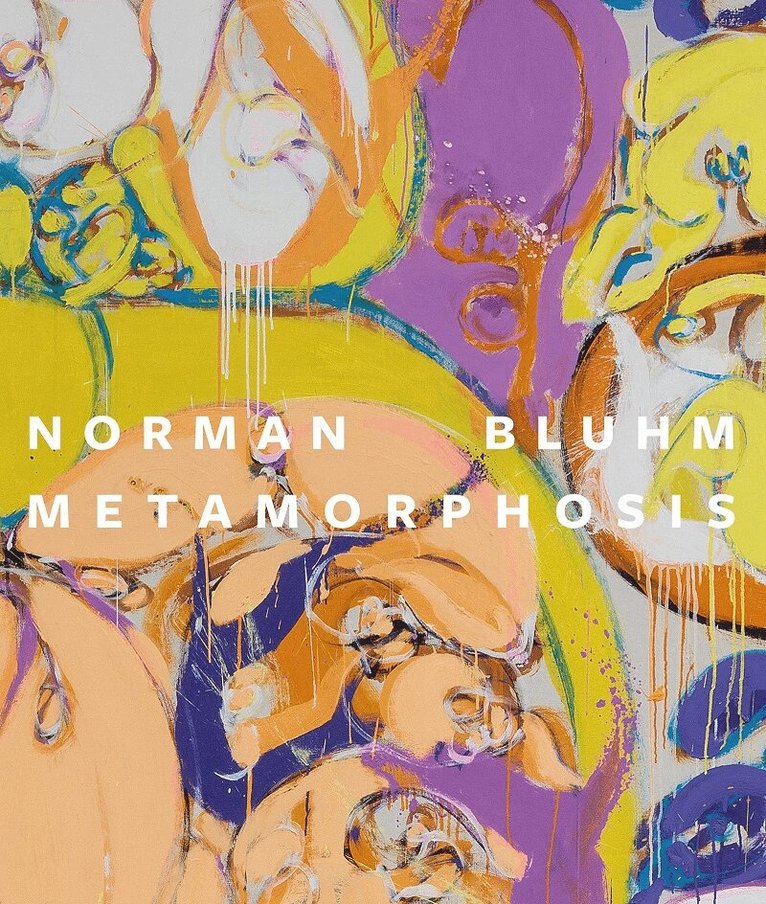
While critically recognized and praised, Bluhm's work has never received the level of attention that some of other contemporaries, like Joan Mitchell and Sam Francis. In part, this is the result of Bluhm's unwillingness to cater sufficiently to those in the commercial art world; but it is also due to changing art tastes in the 1960's, with the advent of Pop Art - which Bluhm found utterly lacking in beauty and passion - that placed Bluhm in a critical lacuna. The over eighty works featured here are interspersed with short texts and extended commentaries, and complemented with comparative images of ephemera or other short unpublished texts, such as Frank O'Hara's poems that formed part of a significant body of paintings produced by Bluhm in the early 1960s. Together the artworks chart the full trajectory of Bluhm's career over a period of 50 years. An introduction by Jay Grimm presents a more intimate, biographical approach to Bluhm's work, based on unpublished interviews with Cary Bluhm (Norman Bluhm's widow) and Jay's interviews with Norman Bluhm. The volume also features a previously unpublished interview by Paul Cummings with Norman Bluhm from 1969.