Trine Syvertsen – författare
Visar alla böcker från författaren Trine Syvertsen. Handla med fri frakt och snabb leverans.
8 produkter
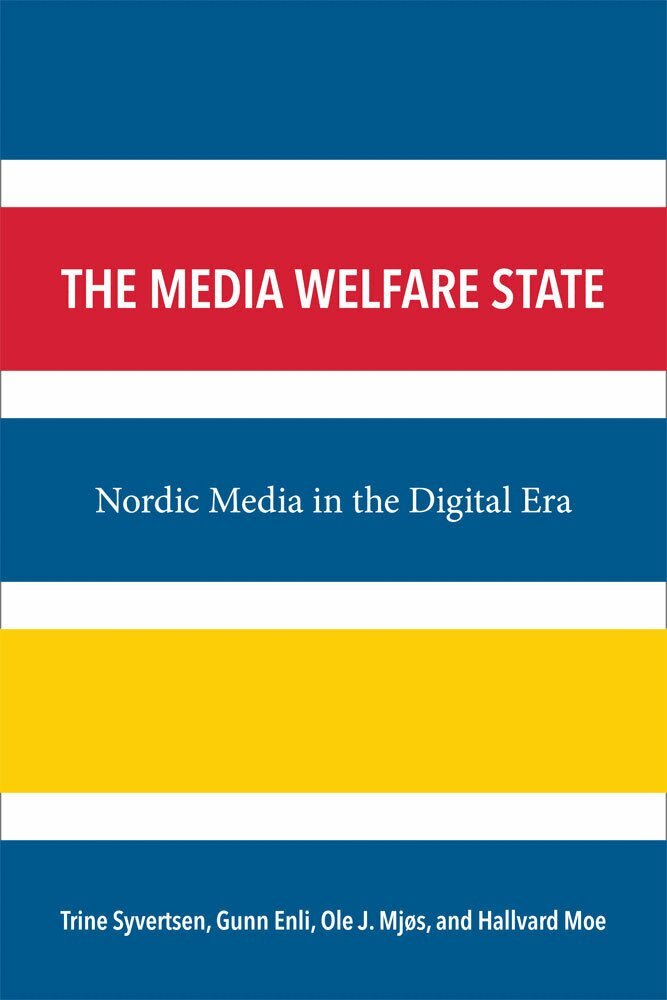
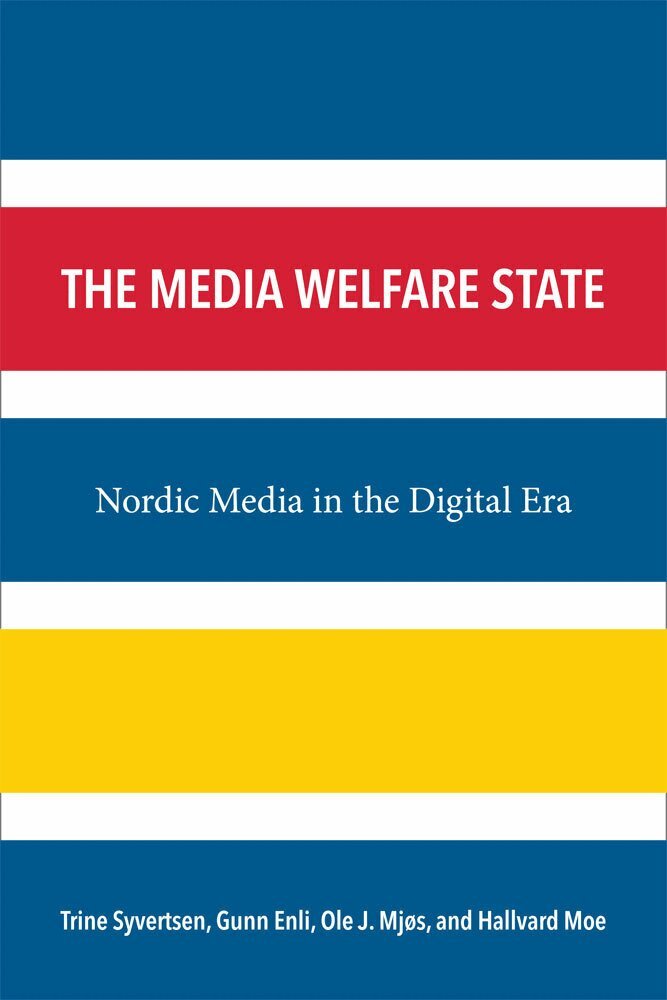
Media Welfare State
Nordic Media in the Digital Era
Av Ole J. Mjøs, Hallvard Moe m. fl.
Häftad, 2014
384 kr
Lägg i varukorg
The Media Welfare State: Nordic Media in the Digital Era comprehensively addresses the central dynamics of the digitalization of the media industry in the Nordic countries—Sweden, Norway, Denmark, Finland, and Iceland—and the ways media organizations there are transforming to address the new …
Digital Detox
The Politics of Disconnecting
E-bok, 2020
275 kr
Lägg i varukorg
Social media and smartphones are criticised for being addictive, destroying personal relationships, undermining productivity, and invading privacy. In this book, Trine Syvertsen explores the phenomenon of digital detox: users taking a break from digital media or adopting measures to limit …
Digital Detox
The Politics of Disconnecting
E-bok, 2020
275 kr
Lägg i varukorg
Social media and smartphones are criticised for being addictive, destroying personal relationships, undermining productivity, and invading privacy. In this book, Trine Syvertsen explores the phenomenon of digital detox: users taking a break from digital media or adopting measures to limit …
Digital Detox
The Politics of Disconnecting
Häftad, 2020
240 kr
Lägg i varukorg
Social media and smartphones are criticised for being addictive, destroying personal relationships, undermining productivity, and invading privacy. In this book, Trine Syvertsen explores the phenomenon of digital detox: users taking a break from digital media or adopting measures to limit …
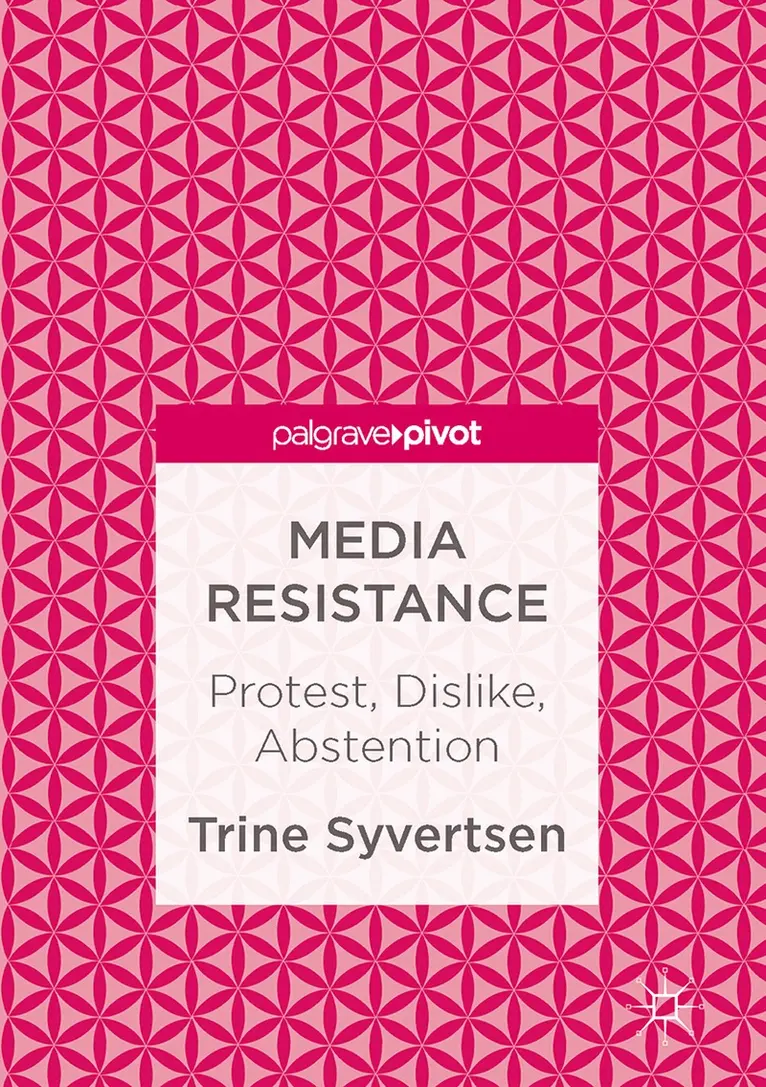
Media Resistance
Protest, Dislike, Abstention
Inbunden, 2017
312 kr
Lägg i varukorg
This book is open access under a CC BY license.New media divide opinion; many are fascinated while others are disgusted. This book is about those who dislike, protest, and try to abstain from media, both new and old. It explains why media resistance persists and answers two questions: What is at …
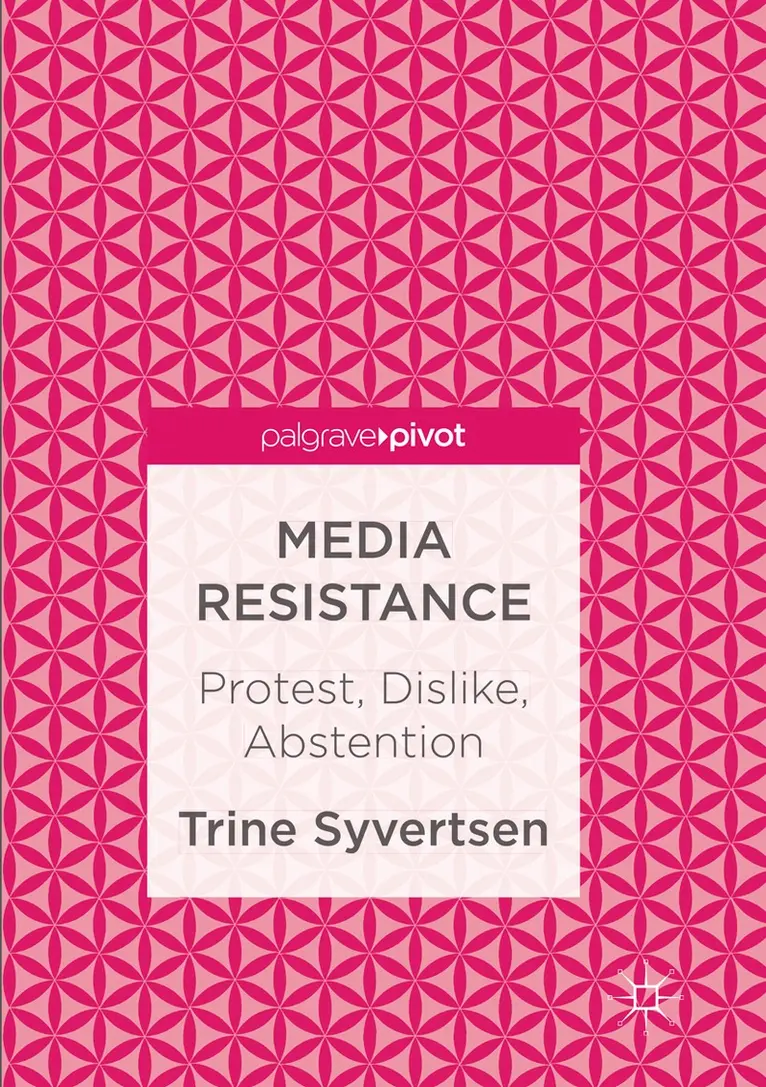
Media Resistance
Protest, Dislike, Abstention
Häftad, 2018
312 kr
Lägg i varukorg
This book is open access under a CC BY license.New media divide opinion; many are fascinated while others are disgusted. This book is about those who dislike, protest, and try to abstain from media, both new and old. It explains why media resistance persists and answers two questions: What is at …
The digital backlash and the paradoxes of disconnection
Av Trine Syvertsen, Stine Lomborg m. fl.
Häftad, 2024
326 kr
Lägg i varukorg
“The digital backlash” covers a range of social and cultural practices of digital disconnection, as well as critiques of the impact of digital technologies and platforms in the world today. Through calls for more restrictive, or more “mindful”, uses of digital technologies, “mobile-free” schools, …
Media Welfare State
Nordic Media in the Digital Era
Av Ole J. Mjøs, Hallvard Moe m. fl.
Inbunden, 2014
782 kr
Tillfälligt slut
The Media Welfare State: Nordic Media in the Digital Era comprehensively addresses the central dynamics of the digitalization of the media industry in the Nordic countries—Sweden, Norway, Denmark, Finland, and Iceland—and the ways media organizations there are transforming to address the new …