Tristan Schmidt – författare
Visar alla böcker från författaren Tristan Schmidt. Handla med fri frakt och snabb leverans.
8 produkter
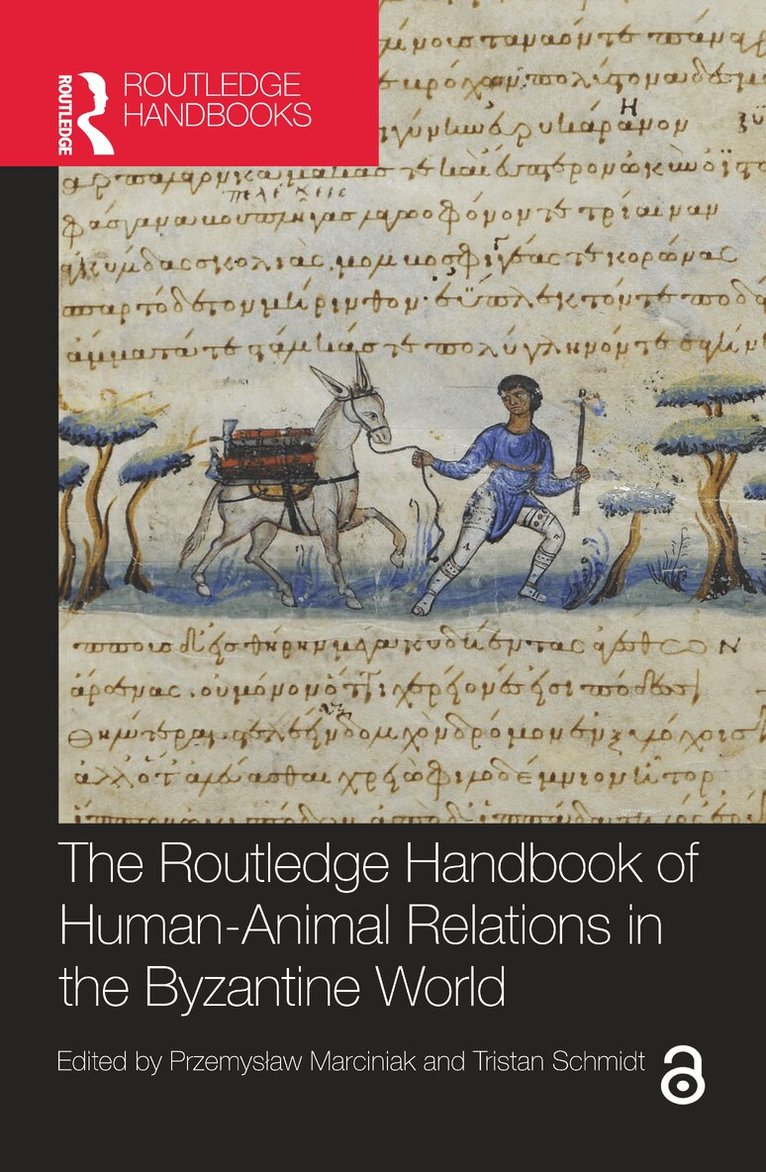
Routledge Handbook of Human-Animal Relations in the Byzantine World
Av Przemysław Marciniak, Tristan Schmidt
Inbunden, 2024
3906 kr
Lägg i varukorg
Animals have recently become recognized as significant agents of history as part of the ‘animal turn’ in historical studies. Animals in Byzantium were human companions, a source of entertainment and food – it is small wonder that they made their way into literature and the visual arts. Moreover, …
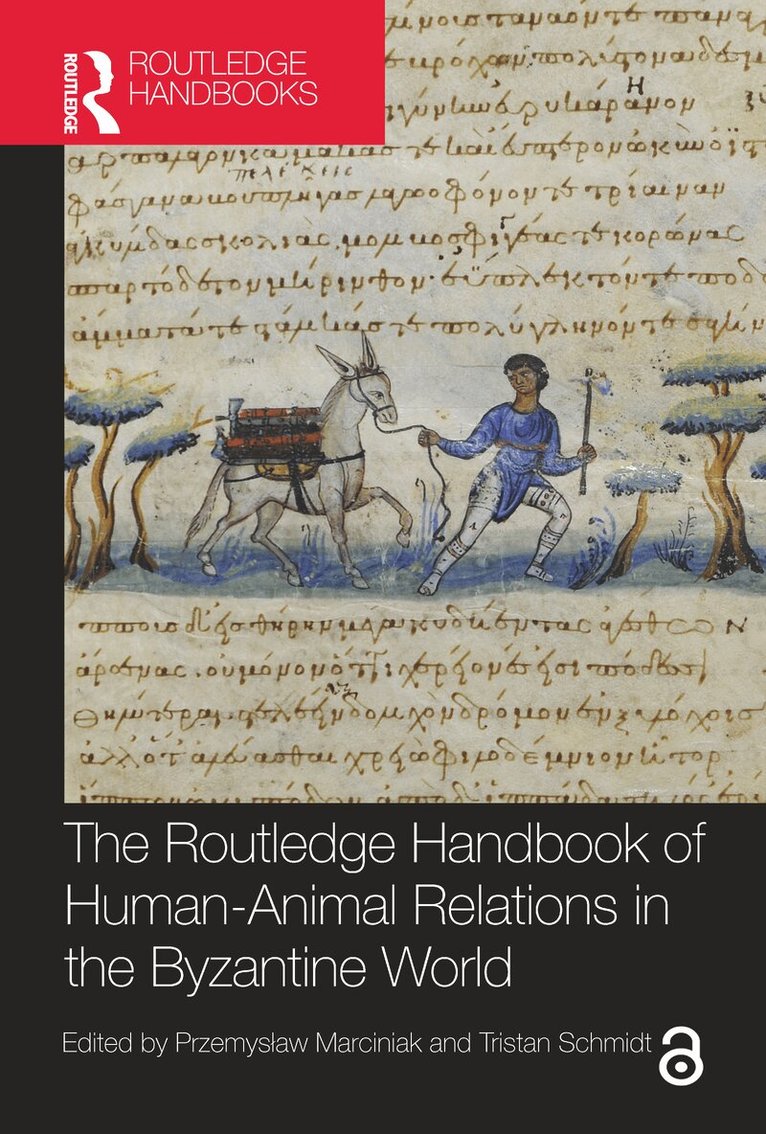
Routledge Handbook of Human-Animal Relations in the Byzantine World
Av Przemysław Marciniak, Tristan Schmidt
Häftad, 2026
817 kr
Lägg i varukorg
Animals have recently become recognized as significant agents of history as part of the ‘animal turn’ in historical studies. Animals in Byzantium were human companions, a source of entertainment and food – it is small wonder that they made their way into literature and the visual arts. Moreover, …
Routledge Handbook of Human-Animal Relations in the Byzantine World
Av Tristan Schmidt, PrzemysA‚aw Marciniak
E-bok, 2024
927 kr
Lägg i varukorg
Animals have recently become recognized as significant agents of history as part of the ‘animal turn’ in historical studies. Animals in Byzantium were human companions, a source of entertainment and food – it is small wonder that they made their way into literature and the visual arts. Moreover, …
Routledge Handbook of Human-Animal Relations in the Byzantine World
Av Tristan Schmidt, PrzemysA‚aw Marciniak
E-bok, 2024
907 kr
Lägg i varukorg
Animals have recently become recognized as significant agents of history as part of the ‘animal turn’ in historical studies. Animals in Byzantium were human companions, a source of entertainment and food – it is small wonder that they made their way into literature and the visual arts. Moreover, …
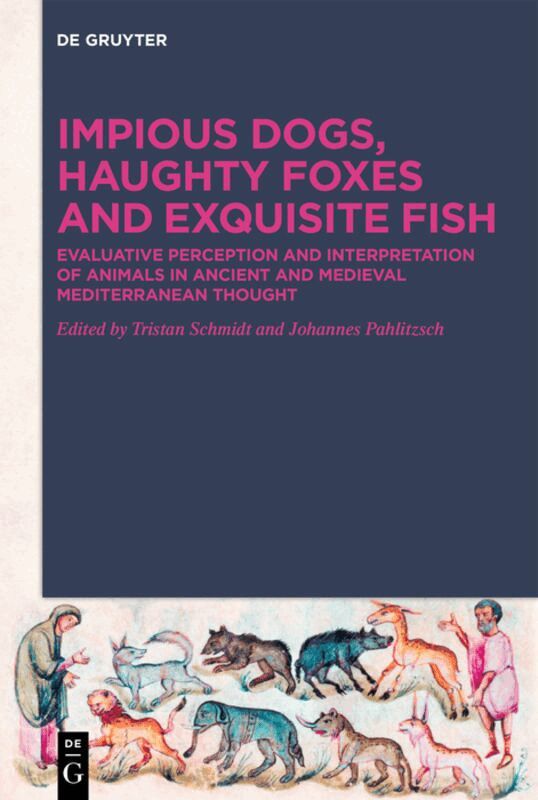
Impious Dogs, Haughty Foxes and Exquisite Fish
Evaluative Perception and Interpretation of Animals in Ancient and Medieval Mediterranean Thought
Av Tristan Schmidt, Johannes Pahlitzsch
Inbunden, 2019
1444 kr
Lägg i varukorg
This volume is dedicated to the topic of the human evaluation and interpretation of animals in ancient and medieval cultures. From a transcultural perspective contributions from Assyriology, Byzantine Studies, Classical Archaeology, Egyptology, German Medieval Studies and Jewish History look into …
Impious Dogs, Haughty Foxes and Exquisite Fish
Evaluative Perception and Interpretation of Animals in Ancient and Medieval Mediterranean Thought
Av Johannes Pahlitzsch, Tristan Schmidt
E-bok, 2019
1459 kr
Lägg i varukorg
This volume is dedicated to the topic of the human evaluation and interpretation of animals in ancient and medieval cultures. From a transcultural perspective contributions from Assyriology, Byzantine Studies, Classical Archaeology, Egyptology, German Medieval Studies and Jewish History look into …
Impious Dogs, Haughty Foxes and Exquisite Fish
Evaluative Perception and Interpretation of Animals in Ancient and Medieval Mediterranean Thought
Av Johannes Pahlitzsch, Tristan Schmidt
E-bok, 2019
1459 kr
Lägg i varukorg
This volume is dedicated to the topic of the human evaluation and interpretation of animals in ancient and medieval cultures. From a transcultural perspective contributions from Assyriology, Byzantine Studies, Classical Archaeology, Egyptology, German Medieval Studies and Jewish History look into …
Politische Tierbildlichkeit in Byzanz: Spates 11. Bis Fruhes 13. Jahrhundert
Inbunden
2141 kr
Lägg i varukorg