Trude Fonneland - Böcker
Visar alla böcker från författaren Trude Fonneland. Handla med fri frakt och snabb leverans.
4 produkter
4 produkter
1 531 kr
Skickas inom 5-8 vardagar
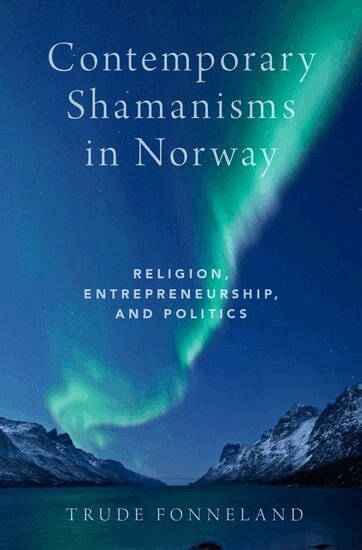
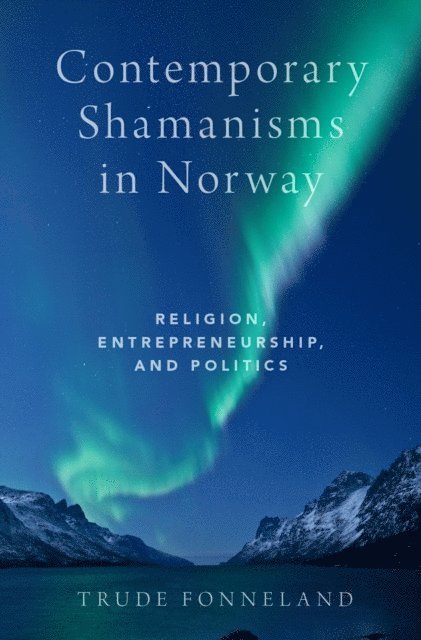
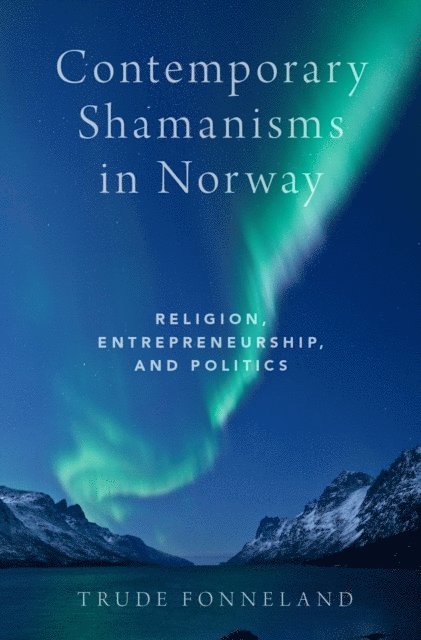
This book examines Sámi shamanism in Norway as a uniquely distinctive local manifestation of a global new religious phenomenon. It takes the diversity and hybridity within shamanic practices seriously through case studies from a Norwegian setting and highlights the ethnic dimension of these currents, through a particular focus on Sámi versions of shamanism. The book's thesis is that the construction of a Sámi shamanistic movement makes sense from the perspective of the broader ethno-political search for a Sámi identity, with respect to connections to indigenous peoples worldwide and trans-historically. It also makes sense in economic and marketing terms.Based on more than ten years of ethnographic research, the book paints a picture of contemporary shamanism in Norway in its cultural context, relating it both to the local mainstream cultures in which it is situated and to global networks. By this, the book provides the basis for a study revealing the development of inventiveness, nuances and polyphony that occur when a global religion of shamanism is merged in a Norwegian setting, colored by its own political and cultural circumstances.
234 kr
Skickas inom 7-10 vardagar
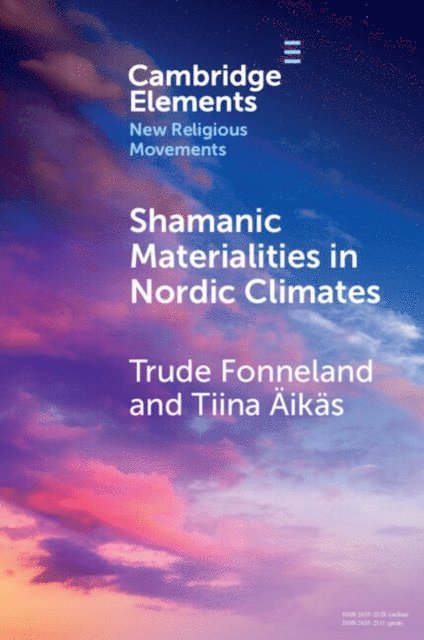
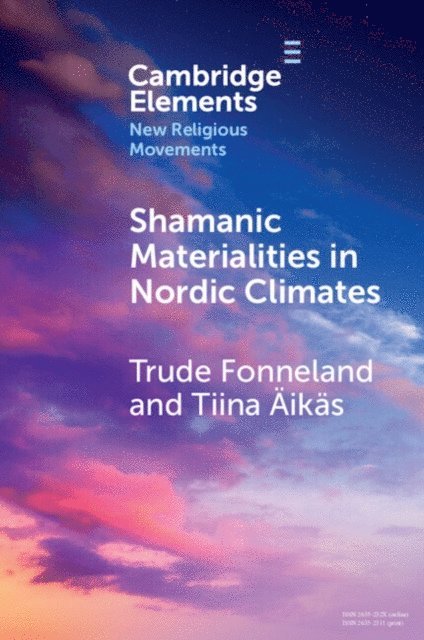
This Element takes its starting point in shamanism in the Nordic countries and explores expressions and the lives of shamanic materialities in contemporary Finland and Norway. Shamans interact with spiritual powers and beings, but their religious practices unfold in a material reality. In this Element, then, we begin with the materiality of shamanism and focus on how the drum, the sacrificial site, the power animal, and a mushroom bridge the gap between the profane and the divine and create networks and dynamics in a shamanic worldview as well as in the wider society. Throughout its sections, the authors inquire into the ways the construction of the category shamanism makes shamanic materialities come to life. And, in contrast, how shamanic materialities form shamanism and facilitate constantly formative exchanges and dynamics between the local and global, past and present, secular and spiritual, time and space.
Memory Institutions and Sámi Heritage
Decolonization, Restitution, and Rematriation in Sápmi
Inbunden, Engelska, 2024
2 027 kr
Skickas inom 10-15 vardagar
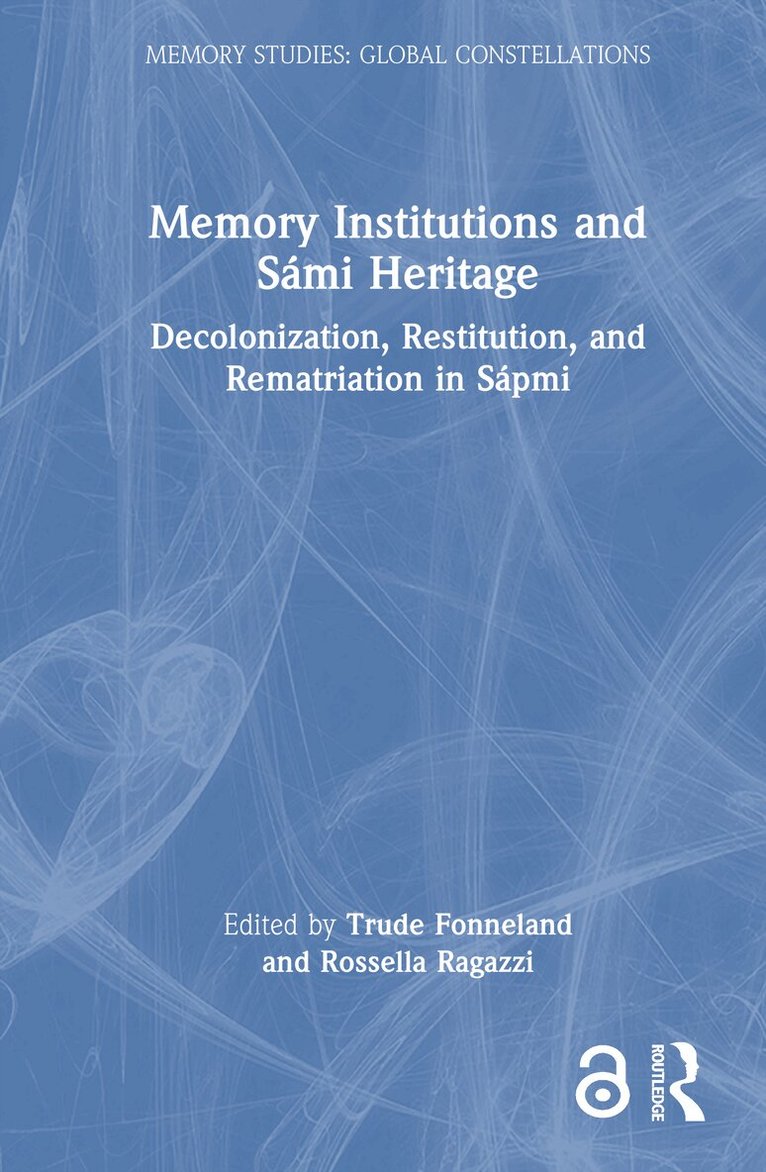
With a focus on Sápmi – the transcultural and transnational homeland of the Sámi people – this book presents case studies and theoretical frameworks which explore the ways in which memory institutions such as museums, archives, and festivals participate in and guide processes of appropriation, decolonization, and memory-making.The destruction and concealment of Sámi objects in both private and museum collections worldwide have impacted Sámi knowledge systems, disrupting local ways of knowing. Appreciation and reappropriation are important acts of decolonization which seek to create openings for reconnection to traditions, languages, and practices that were forcibly suppressed in the past. Western memory institutions such as museums, archives, and galleries have had a great impact on how heritage has been collected, stored, conserved, and organized within closed walls and glass cases. As the new museology movement developed in the 1990s, numerous examples revealed how difficult it became for researchers and public alike to access heritage. Considering the proliferation of cultural interventions and the growth of Sámi mobilization, which calls into question assumptions about how best to activate and experience Sámi cultural heritage and what constitutes appropriate stewardship, this book sheds light on initiatives to return artefacts to the Sámi community. With particular attention to the ways in which Sámi self-determination and the shifting boundaries between Indigenous and settler identities are articulated, challenged, and renegotiated, it draws on approaches from critical museology and Indigenous methodologies to explore the initiation, experience, and operationalizing of restitution projects.This book will therefore appeal to scholars of cultural studies, anthropology, sociology, and museum and heritage studies, as well as to those interested in questions of repatriation, restitution, and healing processes.The Open Access version of this book, available at http://www.taylorfrancis.com, has been made available under a Creative Commons [Attribution-Non Commercial-No Derivatives (CC-BY-NC-ND)] 4.0 license.
Memory Institutions and Sámi Heritage
Decolonization, Restitution, and Rematriation in Sápmi
Häftad, Engelska, 2024
550 kr
Skickas inom 10-15 vardagar
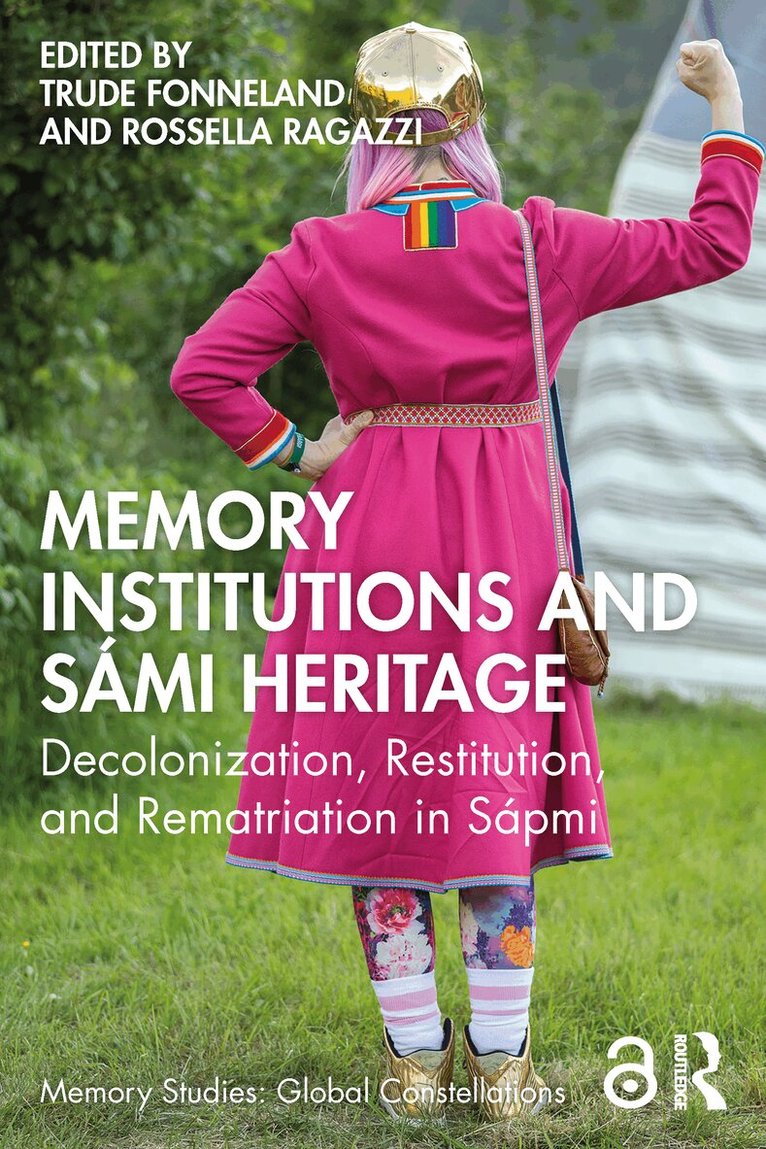
With a focus on Sápmi – the transcultural and transnational homeland of the Sámi people – this book presents case studies and theoretical frameworks which explore the ways in which memory institutions such as museums, archives, and festivals participate in and guide processes of appropriation, decolonization, and memory-making.The destruction and concealment of Sámi objects in both private and museum collections worldwide have impacted Sámi knowledge systems, disrupting local ways of knowing. Appreciation and reappropriation are important acts of decolonization which seek to create openings for reconnection to traditions, languages, and practices that were forcibly suppressed in the past. Western memory institutions such as museums, archives, and galleries have had a great impact on how heritage has been collected, stored, conserved, and organized within closed walls and glass cases. As the new museology movement developed in the 1990s, numerous examples revealed how difficult it became for researchers and public alike to access heritage. Considering the proliferation of cultural interventions and the growth of Sámi mobilization, which calls into question assumptions about how best to activate and experience Sámi cultural heritage and what constitutes appropriate stewardship, this book sheds light on initiatives to return artefacts to the Sámi community. With particular attention to the ways in which Sámi self-determination and the shifting boundaries between Indigenous and settler identities are articulated, challenged, and renegotiated, it draws on approaches from critical museology and Indigenous methodologies to explore the initiation, experience, and operationalizing of restitution projects.This book will therefore appeal to scholars of cultural studies, anthropology, sociology, and museum and heritage studies, as well as to those interested in questions of repatriation, restitution, and healing processes.The Open Access version of this book, available at http://www.taylorfrancis.com, has been made available under a Creative Commons [Attribution-Non Commercial-No Derivatives (CC-BY-NC-ND)] 4.0 license.