Trudier Harris – författare
Visar alla böcker från författaren Trudier Harris. Handla med fri frakt och snabb leverans.
15 produkter
15 produkter
Häftad, Engelska, 2001
386 kr
Skickas inom 5-8 vardagar
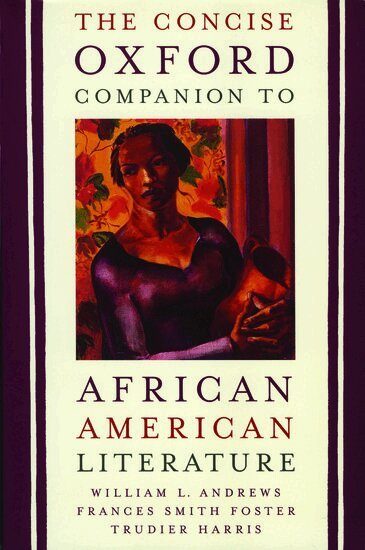
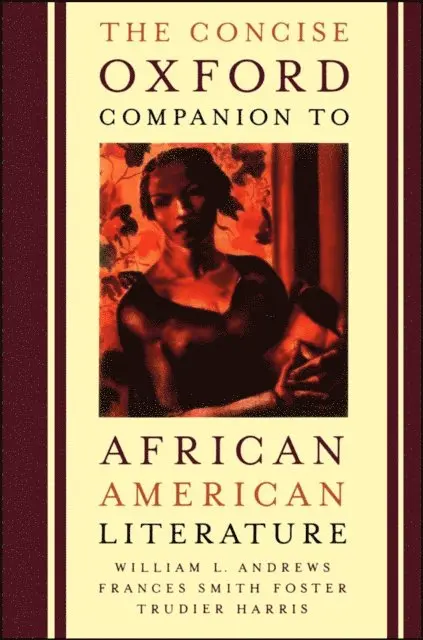
This abridgement of The Oxford Companion to African American Literature will make the entries of the greatest general interest available to a wider audience, providing the same calibre of scholarship and information as the original volume. The Concise collects more than 400 biographies (authors, critics, literary characters and historical figures) of both well-known figures and the lives and careers of writers not found in other reference works. The abridgement also includes the 150 plot summaries of major works. The editors briefly update the biographic details for author entries to include mention of major new works, death dates, and awards since the Companion's 1997 publication. A revised introduction, contributors list, subject index, cross-references, and updated bibliographical notes are also included. The volume reprints in its entirety the five-part fifteen page essay, "Literary History", capturing the full sweep of African American writing in the U.S. from the colonial and early national eras to the present day.
Inbunden, Engelska, 1984
506 kr
Skickas inom 10-15 vardagar
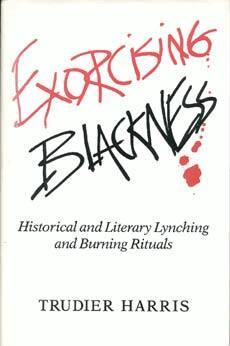
By lynching, burning, castrating, raping, and mutilating black people, contends Trudier Harris, white Americans were perfomring a rite of exorcism designed to eradicate the "black beast" from their midst, or, at the very least, to render him powerless and emasculated. Black writers have graphically portrayed such tragic incidents in their writings. In doing so, they seem to be acting out a communal role—a perpetuation of an oral tradition bent on the survival of the race. Exorcising Blackness demonstrates that the closeness and intensity of black people's historical experiences sometimes overshadows, frequently infuses and enhances, and definitely makes richer in texture the art of black writers. By reviewing the historical and literary interconnections of the rituals of exorcism, Harris opens up the hidden psyche—the soul—of black American writers.
Inbunden, Engelska, 2024
254 kr
Skickas inom 5-8 vardagar
A biography of Native Son’s Bigger Thomas that examines his continued relevance in debates over Black men and the violence of racism Bigger Thomas, the central figure in Richard Wright’s novel Native Son (1940), eludes easy categorization. A violent and troubled character who rejects the rules of society, Bigger is both victim and perpetrator, damaged by racism and segregation on the South Side of Chicago, seemingly raping and killing without regrets. His story has electrified readers for more than eight decades, and it continues to galvanize debates around representation, respectability, social justice, and racism in American life. In this book, distinguished scholar Trudier Harris examines the literary life of Bigger Thomas from his birth to the current day. Harris explores the debates between Black critics and Communist artists in the 1930s and 1940s over the “political novel,” the censorship of Native Son by white publishers, and the work’s initial reception—as well as interpretations from Black feminists and Black Power activists in the decades that followed, up to the novel’s resonance with the Black Lives Matter movement today. Bigger, Harris argues, represents the knotted heart of American racism, damning and unsettling, and still very much with us.
Inbunden, Engelska, 1996
620 kr
Skickas inom 7-10 vardagar
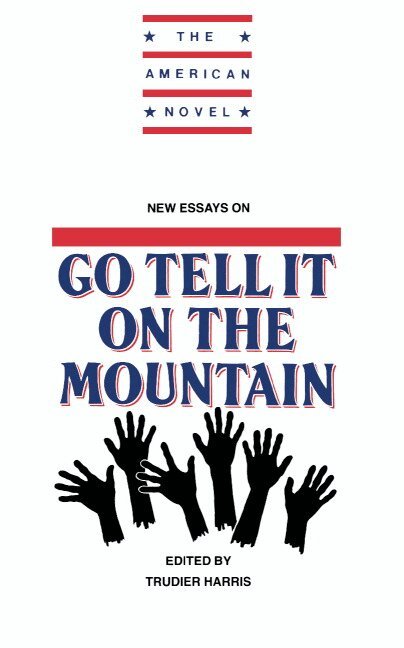
James Baldwin's first novel, Go Tell It on the Mountain, has gained a wide readership and much critical acclaim since its publication in 1953. While most critics have seen it as focusing exclusively on the African American fundamentalist church and its effect on characters brought up within its tradition, these scholars posit that issues of homosexuality, the social construction of identity, anthropological conceptions of community, and the quest for an artistic identity provide more elucidating approaches to the novel. Trudier Harris's introduction traces the history of its composition and the critical responses after its eventual publication; Michael F. Lynch re-evaluates the religious centre of the novel; Bryan R. Washington argues that the text has much to do with the uncovering of sexual identity; Vivian M. May uncovers the shifting identities throughout the work; and Keith Clark explores the quest of the characters for male communitas.
Häftad, Engelska, 1996
379 kr
Skickas inom 7-10 vardagar
James Baldwin's first novel, Go Tell It on the Mountain, has gained a wide readership and much critical acclaim since its publication in 1953. While most critics have seen it as focusing exclusively on the African American fundamentalist church and its effect on characters brought up within its tradition, these scholars posit that issues of homosexuality, the social construction of identity, anthropological conceptions of community, and the quest for an artistic identity provide more elucidating approaches to the novel. Trudier Harris's introduction traces the history of its composition and the critical responses after its eventual publication; Michael F. Lynch re-evaluates the religious centre of the novel; Bryan R. Washington argues that the text has much to do with the uncovering of sexual identity; Vivian M. May uncovers the shifting identities throughout the work; and Keith Clark explores the quest of the characters for male communitas.
Häftad, Engelska, 2013
428 kr
Skickas inom 10-15 vardagar
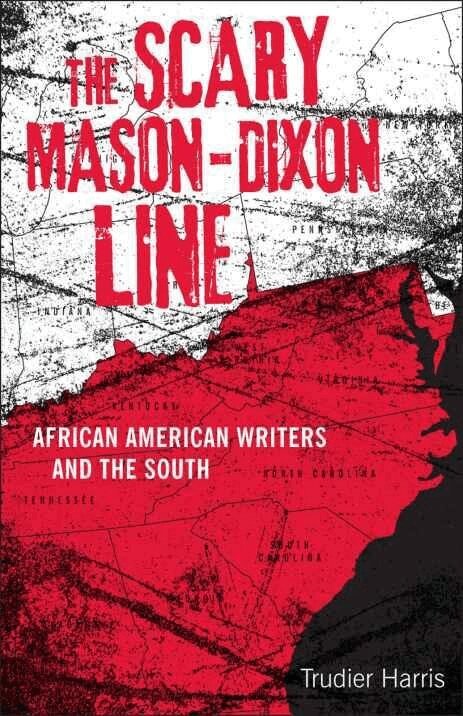
New Yorker James Baldwin once declared that a black man can look at a map of the United States, contemplate the area south of the Mason-Dixon Line, and thus scare himself to death. In The Scary Mason-Dixon Line, renowned literary scholar Trudier Harris explores why black writers, whether born in Mississippi, New York, or elsewhere, have consistently both loved and hated the South. Harris explains that for these authors the South represents not so much a place or even a culture as a rite of passage. Not one of them can consider himself or herself a true African American writer without confronting the idea of the South in a decisive way. Harris considers native-born black southerners Raymond Andrews, Ernest J. Gaines, Edward P. Jones, Tayari Jones, Yusef Komunyakaa, Randall Kenan, and Phyllis Alesia Perry, and nonsouthern writers James Baldwin, Sherley Anne Williams, and Octavia E. Butler. The works Harris examines date from Baldwin's Blues for Mr. Charlie (1964) to Edward P. Jones's The Known World (2003). By including Komunyakaa's poems and Baldwin's play, as well as male and female authors, Harris demonstrates that the writers' preoccupation with the South cuts across lines of genre and gender. Whether their writings focus on slavery, migration from the South to the North, or violence on southern soil, and whether they celebrate the triumph of black southern heritage over repression or castigate the South for its treatment of blacks, these authors cannot escape the call of the South. Indeed, Harris asserts that creative engagement with the South represents a defining characteristic of African American writing. A singular work by one of the foremost literary scholars writing today, The Scary Mason-Dixon Line superbly demonstrates how history and memory continue to figure powerfully in African American literary creativity.
Inbunden, Engelska, 2014
557 kr
Skickas inom 5-8 vardagar
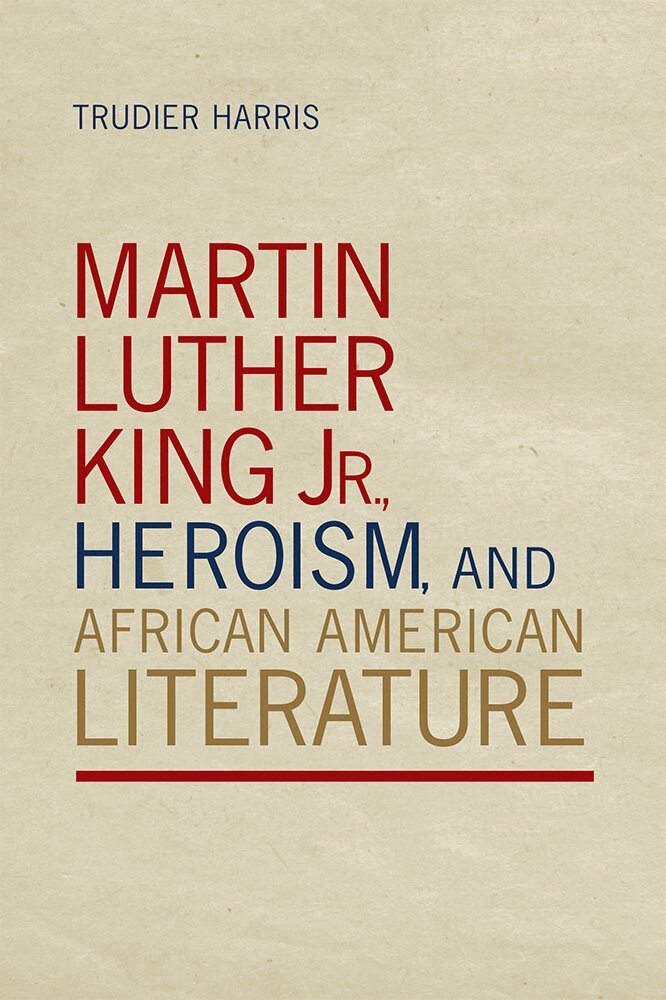
African American writers have incorporated Martin Luther King Jr. into their work since he rose to prominence in the mid-1950s. Martin Luther King Jr., Heroism, and African American Literature is a study by award-winning author Trudier Harris of King’s character and persona as captured and reflected in works of African American literature continue to evolve.One of the most revered figures in American history, King stands above most as a hero. His heroism, argues Harris, is informed by African American folk cultural perceptions of heroes. Brer Rabbit, John the Slave, Stackolee, and Railroad Bill—folk heroes all—provide a folk lens through which to view King in contemporary literature. Ambiguities and issues of morality that surround trickster figures also surround King. Nonconformist traits that define Stackolee and Railroad Bill also inform King’s life and literary portraits. Defiance of the law, uses of indirection, moral lapses, and bad habits are as much a part of the folk-transmitted biography of King as they are a part of writers’ depictions of him in literary texts.Harris first demonstrates that during the Black Arts Movement of the 1960s, when writers such as Nikki Giovanni, Sonia Sanchez, and LeRoi Jones (Amiri Baraka) were rising stars in African American poetry, King’s philosophy of nonviolence was out of step with prevailing notions of militancy (Black Power), and their literature reflected that division.In the quieter times of the 1970s and 1980s and into the twenty-first century, however, treatments of King and his philosophy in African American literature changed. Writers who initially rejected him and nonviolence became ardent admirers and boosters, particularly in the years following his assassination. By the 1980s, many writers skeptical about King had reevaluated him and began to address him as a fallen hero. To the most recent generation of writers, such as Katori Hall, King is fair game for literary creation, no matter what those portrayals may reveal, to a point where King has become simply another source of reference for creativity.Collectively these writers, among many others, illustrate that Martin Luther King Jr. provides one of the strongest influences upon the creative worlds of multiple generations of African American writers of varying political and social persuasions.
Häftad, Engelska, 2023
361 kr
Skickas inom 5-8 vardagar
Examines how representations of Martin Luther King Jr.’s character and persona in works of African American literature have evolved and reflect the changing values and mores of African American cultureAfrican American writers have incorporated Martin Luther King Jr. into their work since he rose to prominence in the mid-1950s. Martin Luther King Jr., Heroism, and African American Literature is a study by award-winning author Trudier Harris of King’s character and persona as captured and reflected in works of African American literature continue to evolve. One of the most revered figures in American history, King stands above most as a hero. His heroism, argues Harris, is informed by African American folk cultural perceptions of heroes. Brer Rabbit, John the Slave, Stackolee, and Railroad Bill—folk heroes all—provide a folk lens through which to view King in contemporary literature. Ambiguities and issues of morality that surround trickster figures also surround King. Nonconformist traits that define Stackolee and Railroad Bill also inform King’s life and literary portraits. Defiance of the law, uses of indirection, moral lapses, and bad habits are as much a part of the folk-transmitted biography of King as they are a part of writers’ depictions of him in literary texts. Harris first demonstrates that during the Black Arts Movement of the 1960s, when writers such as Nikki Giovanni, Sonia Sanchez, and LeRoi Jones (Amiri Baraka) were rising stars in African American poetry, King’s philosophy of nonviolence was out of step with prevailing notions of militancy (Black Power), and their literature reflected that division. In the quieter times of the 1970s and 1980s and into the twenty-first century, however, treatments of King and his philosophy in African American literature changed. Writers who initially rejected him and nonviolence became ardent admirers and boosters, particularly in the years following his assassination. By the 1980s, many writers skeptical about King had reevaluated him and began to address him as a fallen hero. To the most recent generation of writers, such as Katori Hall, King is fair game for literary creation, no matter what those portrayals may reveal, to a point where King has become simply another source of reference for creativity. Collectively these writers, among many others, illustrate that Martin Luther King Jr. provides one of the strongest influences upon the creative worlds of multiple generations of African American writers of varying political and social persuasions.
Häftad, Engelska, 2023
361 kr
Skickas inom 5-8 vardagar
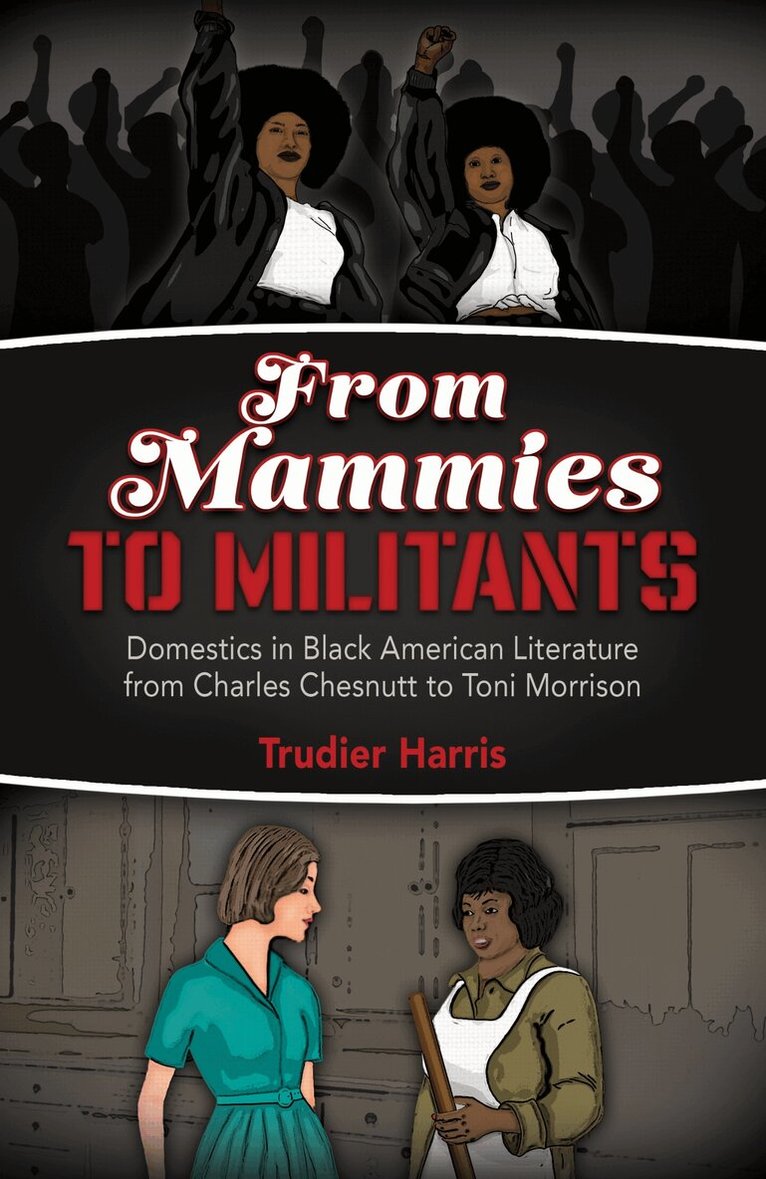
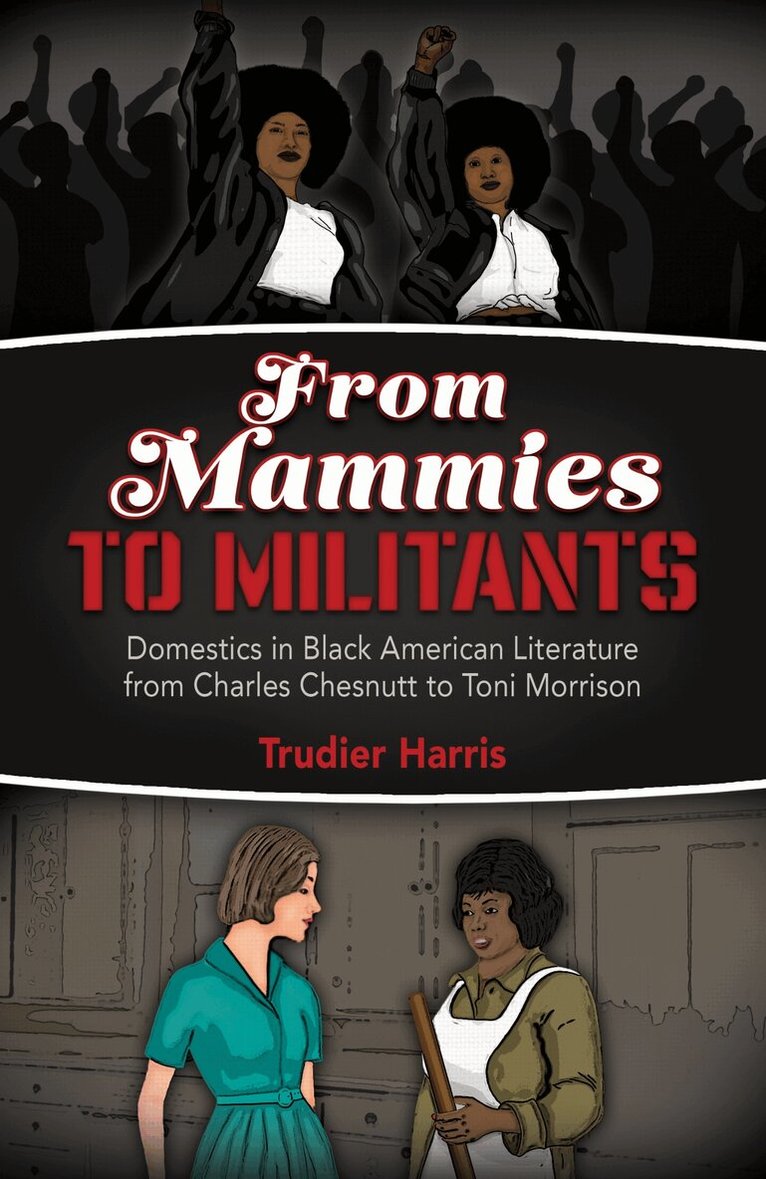
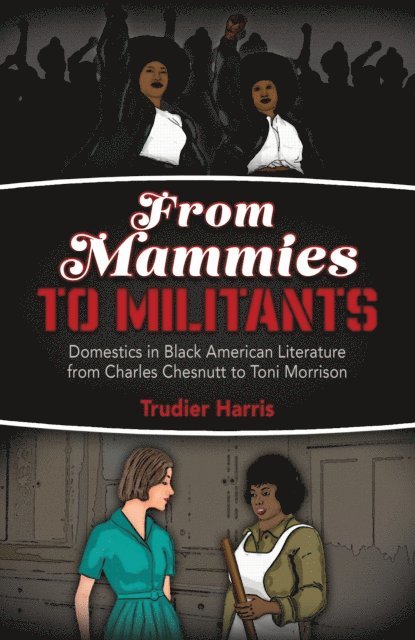
Welfare queen, hot momma, unwed mother: these stereotypes of Black women share their historical conception in the image of the Black woman as domestic. Focusing on the issue of stereotypes, the new edition of Trudier Harris’s classic 1982 study From Mammies to Militants examines the position of the domestic in Black American literature with a new afterword bringing her analysis into the present.From Charles Chesnutt’s The Marrow of Tradition to Toni Morrison’s The Bluest Eye, Black writers, some of whom worked as maids themselves, have manipulated the stereotype in a strategic way as a figure to comment on Black-white relations or to dramatize the conflicts of the Black protagonists. In fact, the characters themselves, like real-life maids, often use the stereotype to their advantage or to trick their oppressors.Harris combines folkloristic, sociological, historical, and psychological analyses with literary ones, drawing on her own interviews with Black women who worked as domestics. She explores the differences between Northern and Southern maids and between “mammy” and “militant.” Her invaluable book provides a sweeping exploration of Black American writers of the twentieth century, with extended discussion of works by Charles Chesnutt, Kristin Hunter, Toni Morrison, Richard Wright, Ann Petry, William Melvin Kelley, Alice Childress, John A. Williams, Douglas Turner Ward, Barbara Woods, Ted Shine, and Ed Bullins. Often privileging political statements over realistic characterization in the design of their texts, the authors in Harris’s study urged Black Americans to take action to change their powerless conditions, politely if possible, violently if necessary. Through their commitment to improving the conditions of Black people in America, these writers demonstrate the connectedness of art and politics.In her new afterword, “From Militants to Movie Stars,” Harris looks at domestic workers in African American literature after the original publication of her book in 1982. Exploring five subsequent literary treatments of Black domestic workers from Ernest J. Gaines’s A Lesson Before Dying to Lynn Nottage’s By the Way, Meet Vera Stark, Harris tracks how the landscape of representation of domestic workers has broken with tradition and continues to transform into something entirely new.
Inbunden, Engelska, 1997
636 kr
Skickas inom 3-6 vardagar
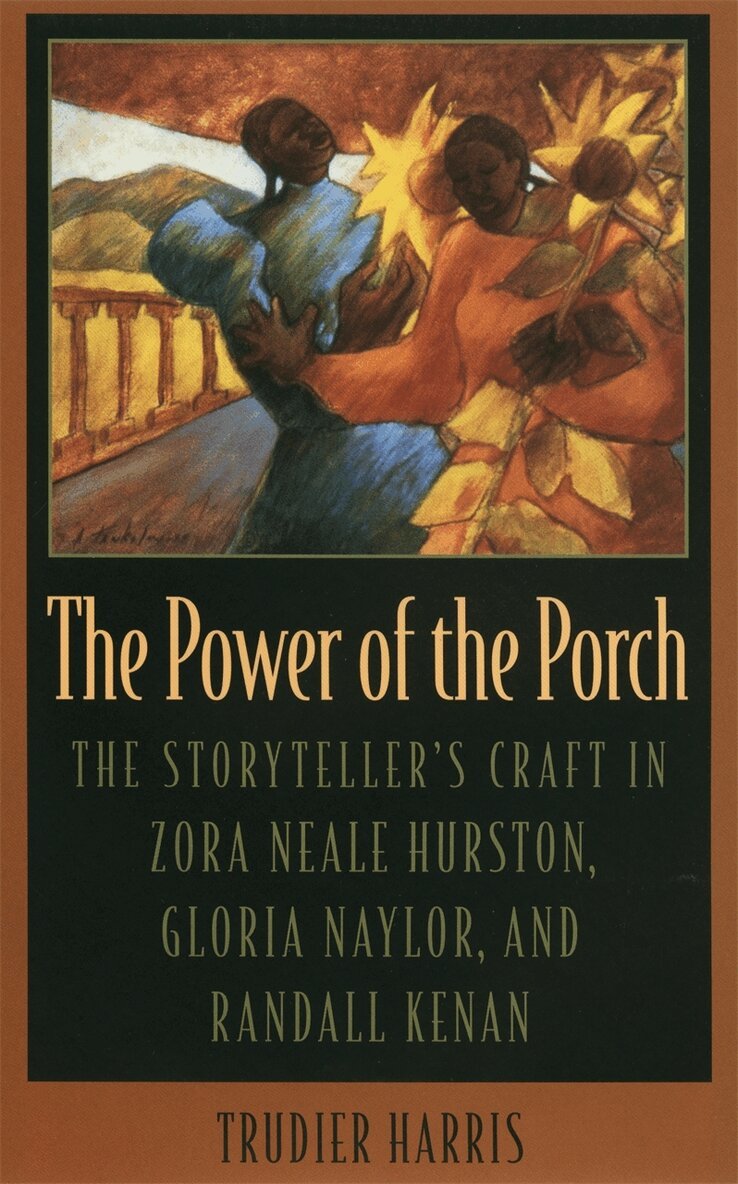
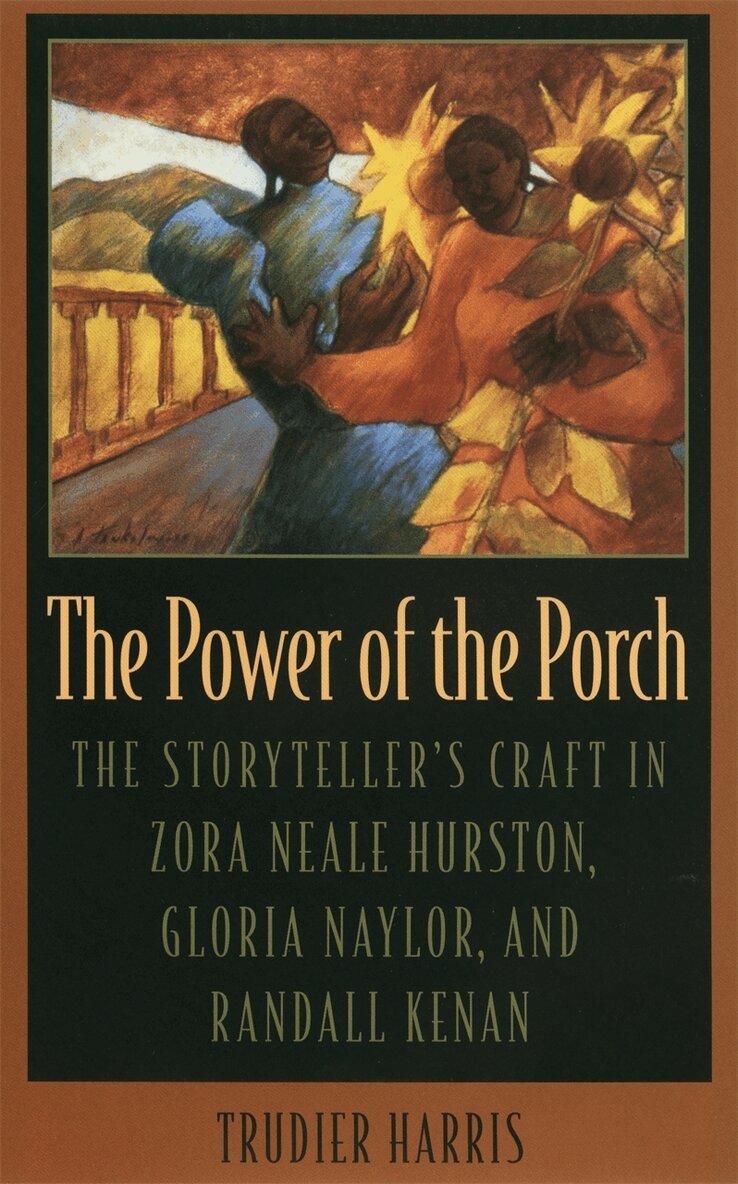
Southern literature is often celebrated for its "told," rather than "written," qualities. Drawing on her own experiences of front-porch storytelling among family, friends, and neighbors, Trudier Harris looks across the generations of twentieth-century southern writers to focus on three African Americans who possess the "power of the porch."In ways that are highly individual, says Harris, yet still within a shared oral tradition, Zora Neale Hurston, Gloria Naylor, and Randall Kenan skillfully use storytelling techniques to define their audiences, reach out and draw them in, and fill them with anticipation. Considering how such dynamics come into play in Hurston's Mules and Men, Naylor's Mama Day, and Kenan's Let the Dead Bury Their Dead, Harris shows how the "power of the porch" resides in readers as well, who, in giving themselves over to a story, confer it on the writer.Against this background of give and take, anticipation and fulfillment, Harris considers Zora Neale Hurston's special challenges as a black woman writer in the thirties, and how her various roles as an anthropologist, folklorist, and novelist intermingle in her work. In Gloria Naylor's writing, Harris finds particularly satisfying themes and characters. A New York native, Naylor came to a knowledge of the South through her parents and during her stay on the Sea Islands while she wrote Mama Day. A southerner by birth, Randall Kenan is particularly adept in getting his readers to accept aspects of African American culture that their rational minds might have wanted to reject. Although Kenan is set apart from Hurston and Naylor by his alliances with a new generation of writers intent upon broaching certain taboo subjects (in his case gay life in small southern towns), Kenan's Time Creek is as rife with the otherworldly and the fantastic as Hurston's New Orleans and Naylor's Willow Springs.The back and forth, the presentation and response of porch sitters and porch watchers, says Harris, is a power wielded skillfully by the best black storytellers of the South. Through tales of Brer Rabbit, John and Ole Marster, dog ghosts and other revenants, they have established and perpetuated an oral tradition that in turn shapes both the creation and enjoyment of the written word.
Häftad, Engelska, 2019
548 kr
Skickas inom 3-6 vardagar
Southern literature is often celebrated for its "told," rather than "written," qualities. Drawing on her own experiences of front-porch storytelling among family, friends, and neighbors, Trudier Harris looks across the generations of twentieth-century southern writers to focus on three African Americans who possess the "power of the porch."In ways that are highly individual, says Harris, yet still within a shared oral tradition, Zora Neale Hurston, Gloria Naylor, and Randall Kenan skillfully use storytelling techniques to define their audiences, reach out and draw them in, and fill them with anticipation. Considering how such dynamics come into play in Hurston's Mules and Men, Naylor's Mama Day, and Kenan's Let the Dead Bury Their Dead, Harris shows how the "power of the porch" resides in readers as well, who, in giving themselves over to a story, confer it on the writer.Against this background of give and take, anticipation and fulfillment, Harris considers Zora Neale Hurston's special challenges as a black woman writer in the thirties, and how her various roles as an anthropologist, folklorist, and novelist intermingle in her work. In Gloria Naylor's writing, Harris finds particularly satisfying themes and characters. A New York native, Naylor came to a knowledge of the South through her parents and during her stay on the Sea Islands while she wrote Mama Day. A southerner by birth, Randall Kenan is particularly adept in getting his readers to accept aspects of African American culture that their rational minds might have wanted to reject. Although Kenan is set apart from Hurston and Naylor by his alliances with a new generation of writers intent upon broaching certain taboo subjects (in his case gay life in small southern towns), Kenan's Time Creek is as rife with the otherworldly and the fantastic as Hurston's New Orleans and Naylor's Willow Springs.The back and forth, the presentation and response of porch sitters and porch watchers, says Harris, is a power wielded skillfully by the best black storytellers of the South. Through tales of Brer Rabbit, John and Ole Marster, dog ghosts and other revenants, they have established and perpetuated an oral tradition that in turn shapes both the creation and enjoyment of the written word.
Del 15 - African-American Literature and Culture Expanding and Exploding the Boundaries
Reading Contemporary African American Drama
Fragments of History, Fragments of Self
Häftad, Engelska, 2007
449 kr
Skickas inom 5-8 vardagar
Häftad, Engelska, 1987
272 kr
Skickas inom 10-15 vardagar
Inbunden, Engelska, 2021
1 330 kr
Skickas inom 10-15 vardagar
In Depictions of Home in African American Literature, Trudier Harris analyzes fictional homespaces in African American literature from those set in the time of slavery to modern urban configurations of the homespace. She argues that African American writers often inadvertently create and follow a tradition of portraying dysfunctional and physically or emotionally violent homespaces. Harris explores the roles race and religion play in the creation of homespaces and how geography, space, and character all influence these spaces. Although many characters in African American literature crave safe, happy homespaces and frequently carry such images with them through their mental or physical migrations, few characters experience the formation of healthy homespaces by the end of their journeys. Harris studies the historical, cultural, and literary portrayals of the home in works from well-known authors such as Richard Wright, James Baldwin, Toni Morrison, and August Wilson as well as lesser-studied authors such as Daniel Black, A.J. Verdelle, Margaret Walker, and Dorothy West.
Häftad, Engelska, 2023
506 kr
Skickas inom 10-15 vardagar
In Depictions of Home in African American Literature, Trudier Harris analyzes fictional homespaces in African American literature from those set in the time of slavery to modern urban configurations of the homespace. She argues that African American writers often inadvertently create and follow a tradition of portraying dysfunctional and physically or emotionally violent homespaces. Harris explores the roles race and religion play in the creation of homespaces and how geography, space, and character all influence these spaces. Although many characters in African American literature crave safe, happy homespaces and frequently carry such images with them through their mental or physical migrations, few characters experience the formation of healthy homespaces by the end of their journeys. Harris studies the historical, cultural, and literary portrayals of the home in works from well-known authors such as Richard Wright, James Baldwin, Toni Morrison, and August Wilson as well as lesser-studied authors such as Daniel Black, A.J. Verdelle, Margaret Walker, and Dorothy West.