
Tsvetelin Stepanov – författare
Visar alla böcker från författaren Tsvetelin Stepanov. Handla med fri frakt och snabb leverans.
4 produkter
4 produkter
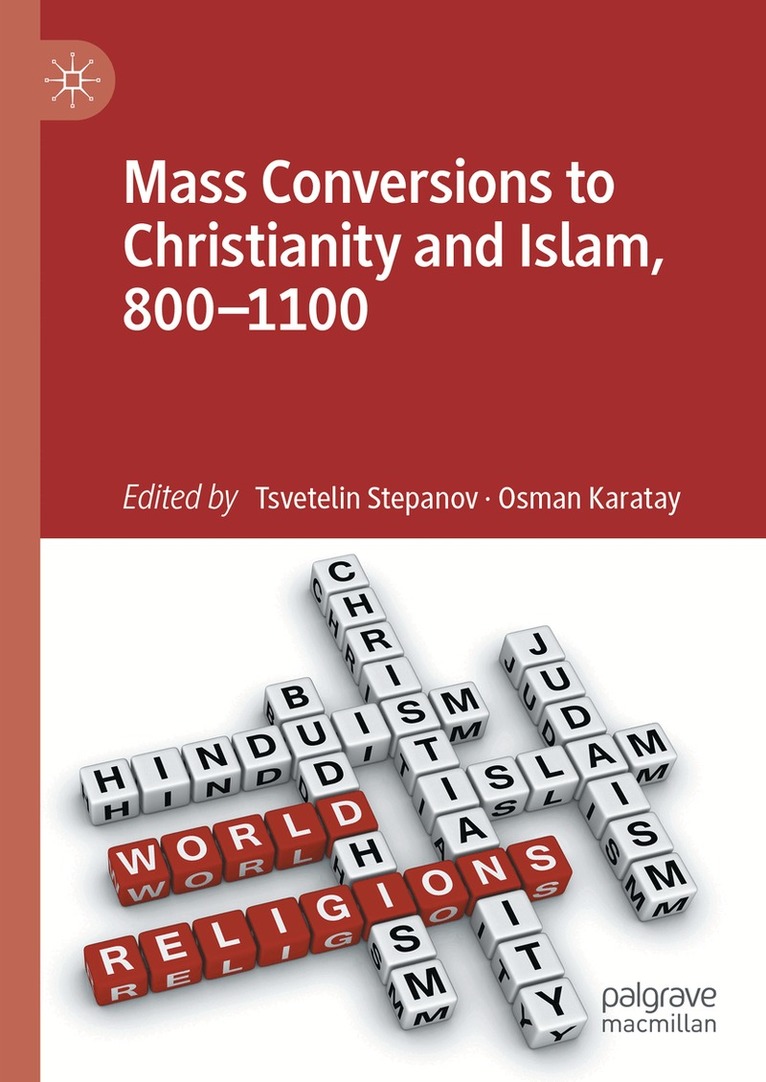
1 477 kr
Skickas inom 7-10 vardagar
This book explores the widespread mass conversions to Christianity and Islam that took place in Europe and Asia in the ninth to eleventh centuries. Taking a comparative perspective, contributors explore the processes at work in these conversions. Focusing on Christianity and Islam, it contrasts religious conversion in the period with earlier conversions, including those of Manichaeism in central Asia; Buddhism in east Asia; and Judaism in Khazaria, exploring why conversions to Christianity and Islam led to centralized political structures.
1 484 kr
Skickas inom 10-15 vardagar
This book explores the widespread mass conversions to Christianity and Islam that took place in Europe and Asia in the ninth to eleventh centuries. Focusing on Christianity and Islam, it contrasts religious conversion in the period with earlier conversions, including those of Manichaeism in central Asia;
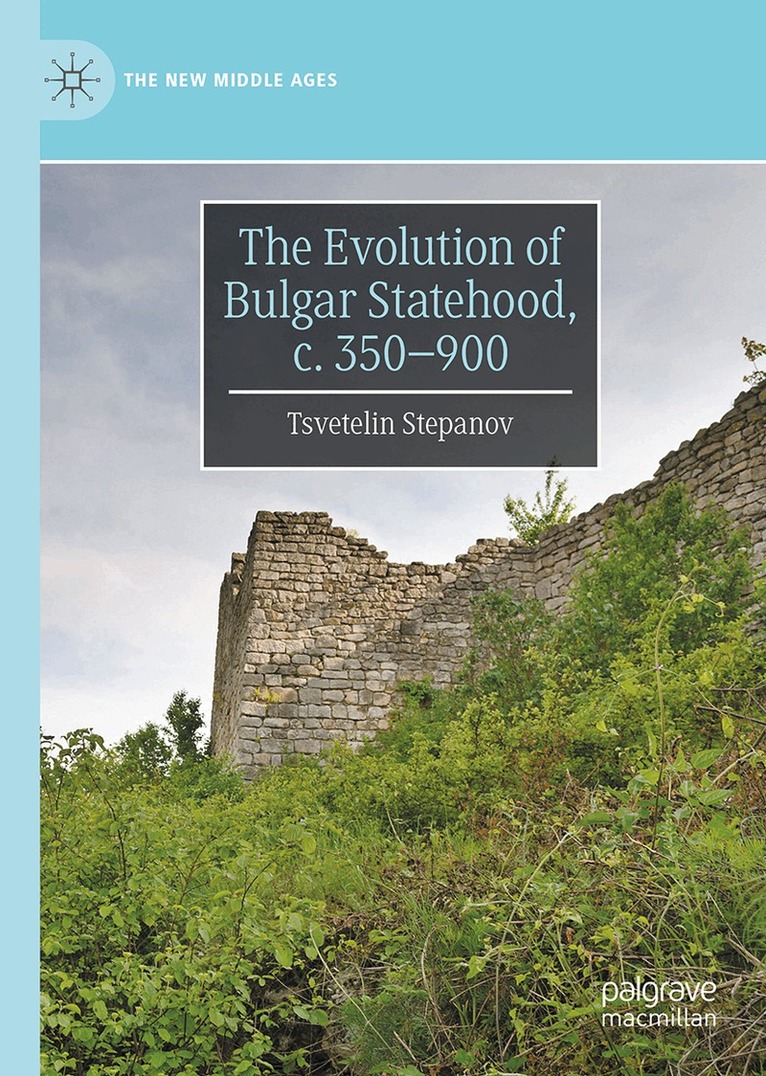
2 386 kr
Kommande
This book examines the development of statehood and symbolic representations of power amongst the Bulgar people from approximately 350 through 900 CE. This volume fills a gap in English-language medieval studies and historiography, considering Bulgar society in a modern anthropological way. This book argues that the Bulgar(ian) statehood before the mid-ninth century cannot be considered a ‘barbarian’ one; instead, the process of Christianization led Bulgaria to be a fully developed ‘barbarian’ state via a synthesis of Northern Iranian and Turkic steppe and Roman traditions by 900.
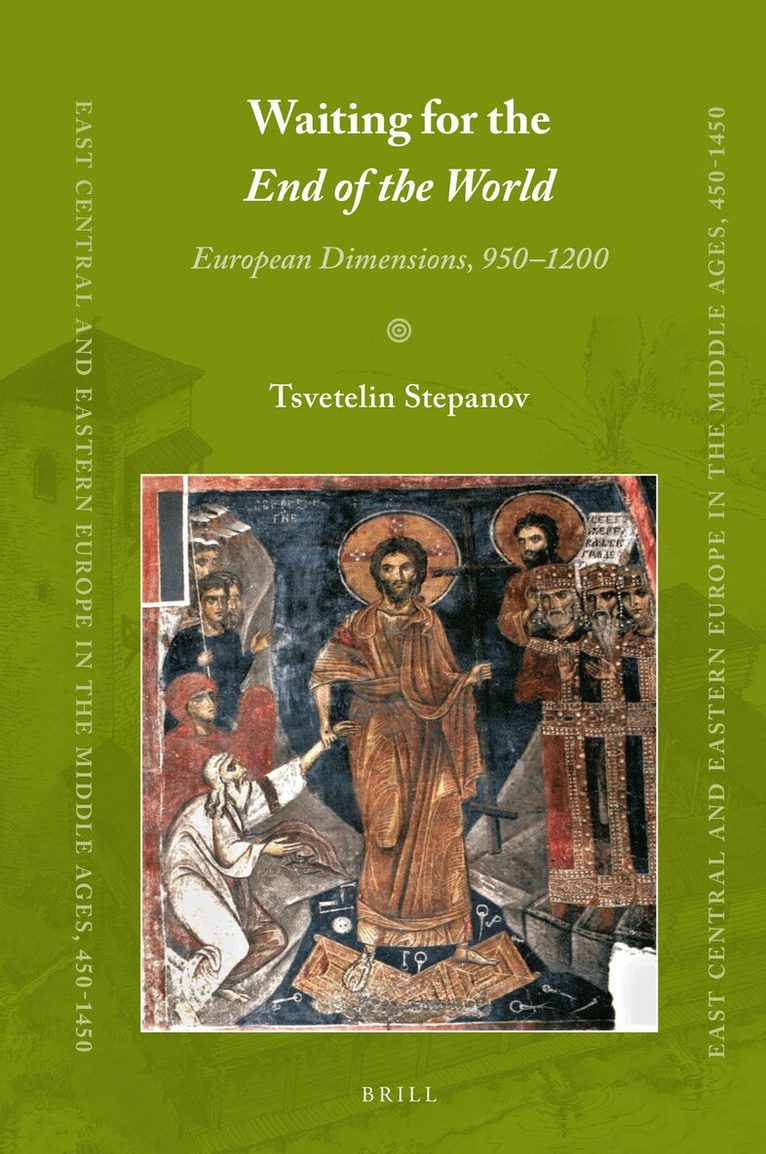
Del 57 - East Central and Eastern Europe in the Middle Ages, 450-1450
Waiting for the End of the World
European Dimensions, 950–1200
Inbunden, Engelska, 2019
3 026 kr
Skickas inom 5-8 vardagar
The French president Charles de Gaulle spoke of a Europe “from the Atlantic to the Urals”. Europe was spatially formed with these topographic parameters from the late 10th century onwards, with the massive Christianization of its inhabitants. At that time, however, all three monotheistic religions already had a steady presence there. Could such a macro-space be thought-and-narrated from a macro-perspective, in view of its medieval past? This has already been done through common ʻdenominatorsʻ such as the Migration Period, wars, trade, spread of Christianity. Could it also be seen through a common religious-philosophical and spiritual phenomenon – the Anticipation of the End of the world among Christians, Muslims, and Jews? This book gives a positive answer to the last question.