Tu Weiming - Böcker
Visar alla böcker från författaren Tu Weiming. Handla med fri frakt och snabb leverans.
3 produkter
3 produkter
17 491 kr
Skickas inom 10-15 vardagar
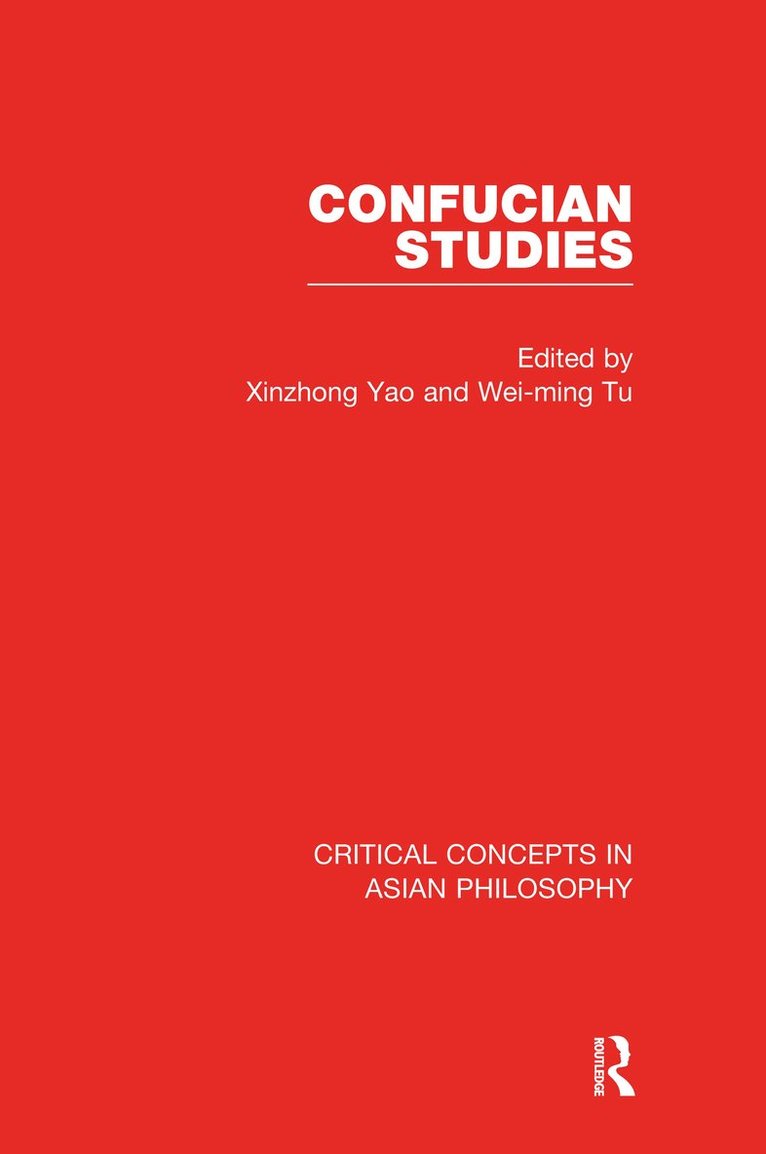
It is difficult, if not totally impossible, to define what we call ‘Confucianism’ in terms of any of the disciplines we are used to in the West, and contemporary scholars tend to see it as a historical and yet living tradition containing elements of philosophy, religion, politics, morality, and education, continuing to hold significant power over the way and value of life in East Asia.To some extent Confucianism can be broadly said to have started with the teaching of Confucius (551–479BC) who focused on how to restore moral and political order through education and ritual performance, although he did not see himself as the founder of a new moment, nor did he elaborate a systematic religious or philosophical doctrine. Several centuries after his death, he was elevated to the position of the Perfect Sage and Ancient Teacher (zhisheng xianshi), and gradually became one of the focuses in state sacrifices. In this way Confucianism became part of the state religion or ideology addressing the needs of government, community, family, and the self, and dominated intellectual and social life for more than 2,000 years in China, and, to a lesser extent, in other parts of East Asia.While having substantially declined in political and social influence, Confucianism was revived by leading intellectuals (so-called Modern New Confucians) in the twentieth century to deal with perennial problems facing modern people and society. It is against this background that Confucian Studies has become an increasingly important subject taught in universities and colleges in North America, Europe, East Asia, and Australia. With more and more universities and colleges offering courses on or relating to Confucian philosophy, ethics, religion, and politics, this new collection from Routledge answers the urgent need for a source book in contemporary Confucian Studies. Volume I (‘Reassessing Confucian Traditions’) covers Confucianism in History and the focus of Volume II is on ‘Reinterpreting Confucian Ideas’. Volume III is titled ‘Reconstructing Confucian Ethics’, while the final volume in the collection brings the best scholarship on ‘Reappraising Confucian Ideals’.
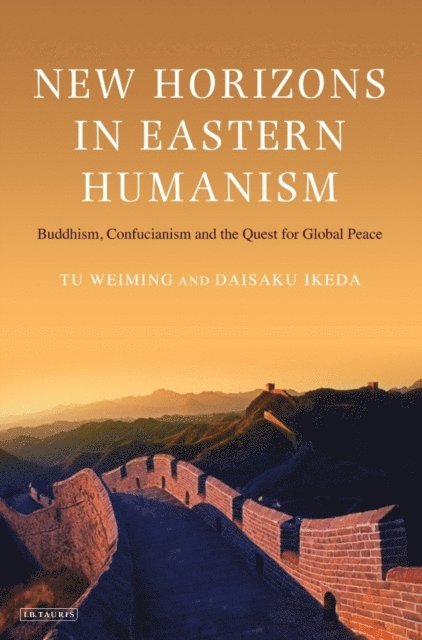
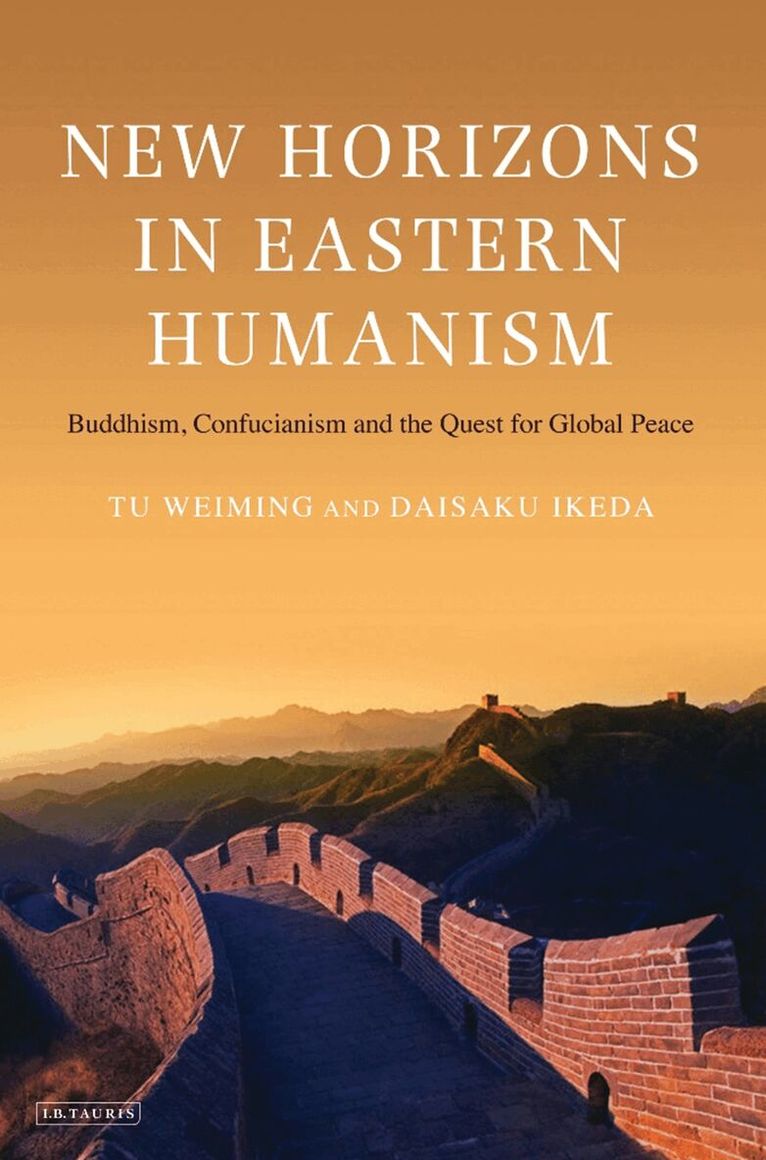
New Horizons in Eastern Humanism
Buddhism, Confucianism and the Quest for Global Peace
Inbunden, Engelska, 2011
742 kr
Skickas inom 10-15 vardagar
China now attracts global attention in direct proportion to its increasing economic and geopolitical power. But for millennia, the philosophy which has shaped the soul of China is not modern Communism, or even new forms of capitalism, but rather Confucianism. And one of the most striking phenomena relating to China's ascendancy on the world stage is a burgeoning interest, throughout Asia and beyond, in the humanistic culture and values that underlie Chinese politics and finance: particularly the thought of Confucius passed on in the Analects. In this stimulating conversation, two leading thinkers from the Confucian and Buddhist traditions discuss the timely relevance of a rejuvenated Confucian ethics to some of the most urgent issues in the modern world: Sino/Japanese/US relations; the transformation of society through education and dialogue; and the role of world religions in promoting human flourishing.Exploring correspondences between the Confucian and Buddhist world-views, the interlocutors commit themselves to a view of spirituality and religion that, without blurring cultural difference, is focused above all on the 'universal heart': on harmony between people and nature that leads to peace and to a hopeful future for all humanity.
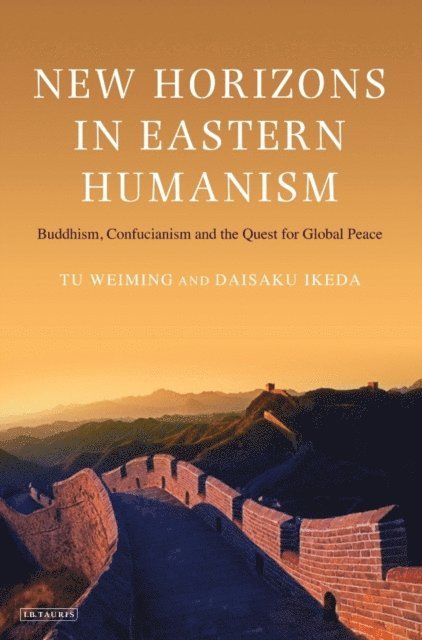
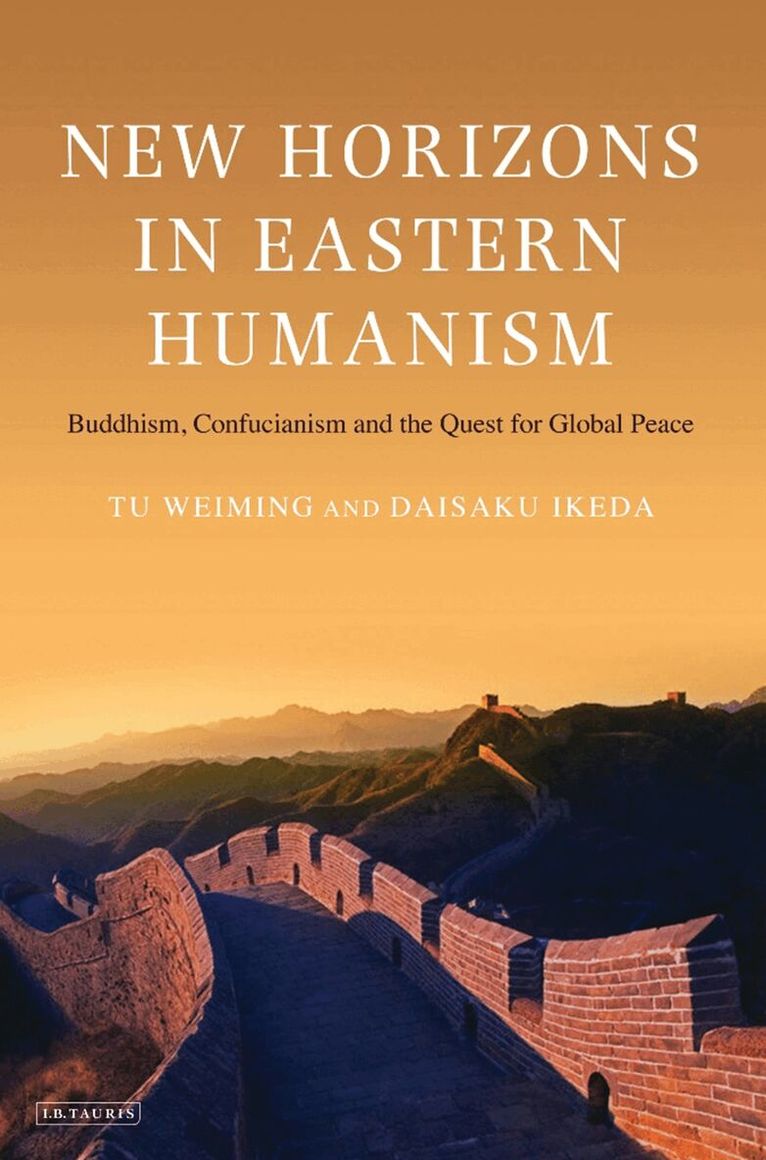
New Horizons in Eastern Humanism
Buddhism, Confucianism and the Quest for Global Peace
Häftad, Engelska, 2011
274 kr
Skickas inom 10-15 vardagar
China now attracts global attention in direct proportion to its increasing economic and geopolitical power. But for millennia, the philosophy which has shaped the soul of China is not modern Communism, or even new forms of capitalism, but rather Confucianism. And one of the most striking phenomena relating to China's ascendancy on the world stage is a burgeoning interest, throughout Asia and beyond, in the humanistic culture and values that underlie Chinese politics and finance: particularly the thought of Confucius passed on in the Analects. In this stimulating conversation, two leading thinkers from the Confucian and Buddhist traditions discuss the timely relevance of a rejuvenated Confucian ethics to some of the most urgent issues in the modern world: Sino/Japanese/US relations; the transformation of society through education and dialogue; and the role of world religions in promoting human flourishing.Exploring correspondences between the Confucian and Buddhist world-views, the interlocutors commit themselves to a view of spirituality and religion that, without blurring cultural difference, is focused above all on the 'universal heart': on harmony between people and nature that leads to peace and to a hopeful future for all humanity.