Ullica Segerstrale – författare
Visar alla böcker från författaren Ullica Segerstrale. Handla med fri frakt och snabb leverans.
7 produkter
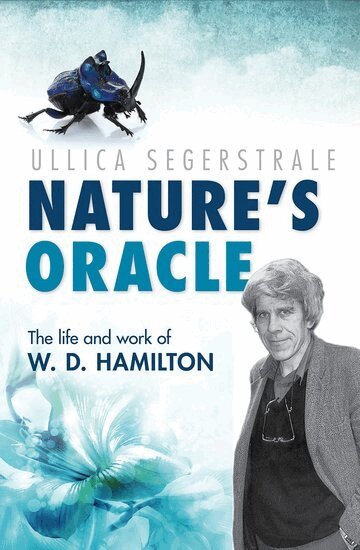
Nature's Oracle
The Life and Work of W.D. Hamilton
Häftad, 2015
329 kr
Lägg i varukorg
W.D.Hamilton (1936-2000) was responsible for a revolution in thinking about evolutionary biology - a revolution that changed our understanding of life itself. He played a central role in the realization that what matters in evolution is not the survival of the individual but of the survival of its …
Beyond the Science Wars
The Missing Discourse about Science and Society
Häftad, 2000
463 kr
Lägg i varukorg
Contextualizes the "Science Wars" from interdisciplinary sociological, historical, scientific, political, and cultural perspectives.Beyond the Science Wars offers a broad contextualization of the "Science Wars"-an ongoing debate between scientists and social scientists over the nature and meaning …
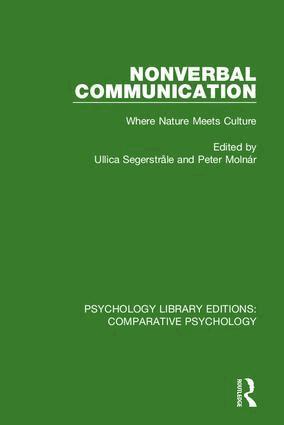
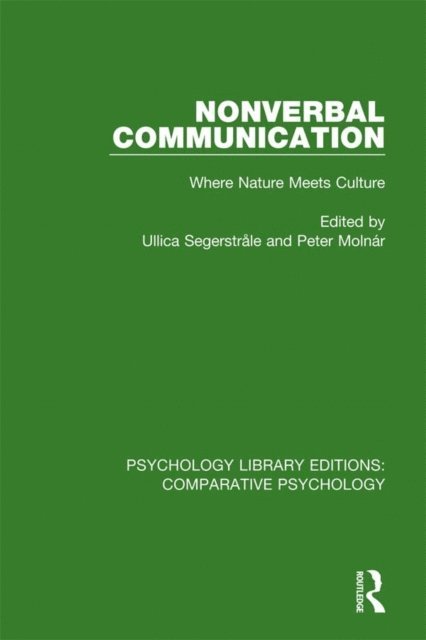
Nonverbal Communication
Where Nature Meets Culture
Av Ullica Segerstrale, Peter Molnar
Inbunden, 2018
2126 kr
Lägg i varukorg
The field of nonverbal communication is a strategic site for demonstrating the inextricable interrelationship between nature and culture in human behaviour. This book, originally published in 1997, aims to explode the misconception that "biology" is something that automatically precludes or …
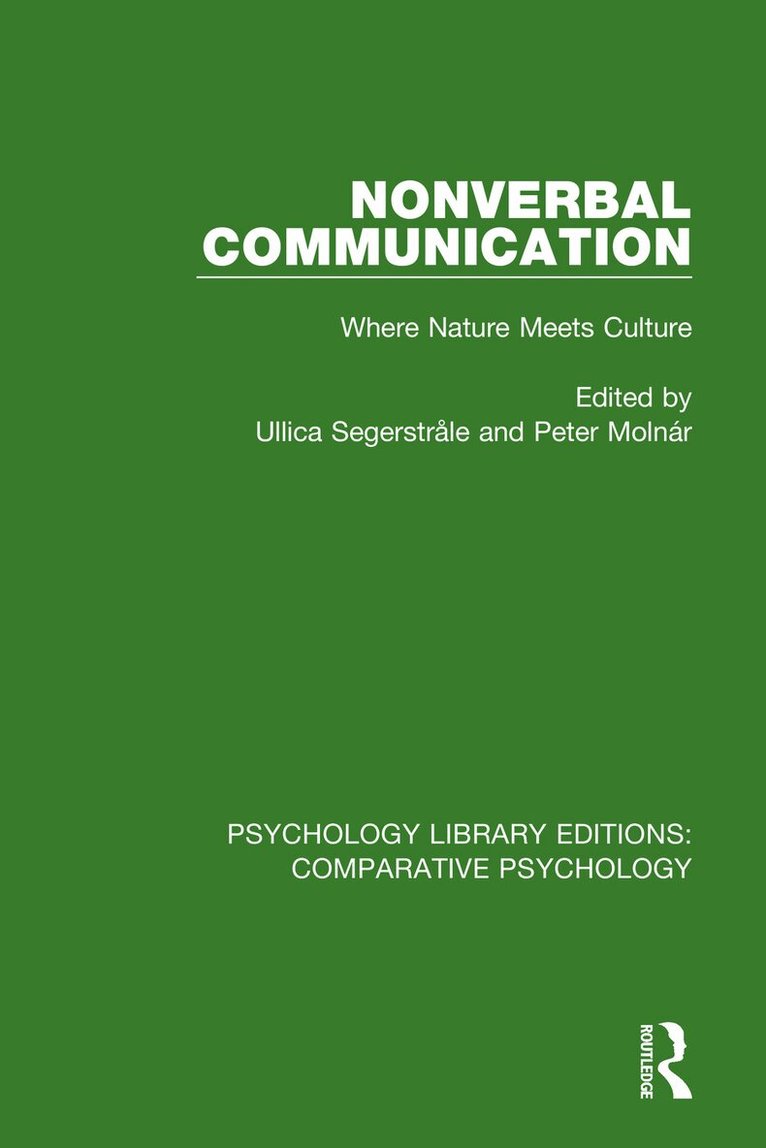
Nonverbal Communication
Where Nature Meets Culture
Av Ullica Segerstrale, Peter Molnar
Häftad, 2020
559 kr
Lägg i varukorg
The field of nonverbal communication is a strategic site for demonstrating the inextricable interrelationship between nature and culture in human behaviour. This book, originally published in 1997, aims to explode the misconception that "biology" is something that automatically precludes or …
Nonverbal Communication
Where Nature Meets Culture
Av Peter Molnar, Ullica Segerstrale
E-bok, 2018
640 kr
Lägg i varukorg
The field of nonverbal communication is a strategic site for demonstrating the inextricable interrelationship between nature and culture in human behaviour. This book, originally published in 1997, aims to explode the misconception that "biology" is something that automatically precludes or …
Nonverbal Communication
Where Nature Meets Culture
Av Peter Molnar, Ullica Segerstrale
E-bok, 2018
640 kr
Lägg i varukorg
The field of nonverbal communication is a strategic site for demonstrating the inextricable interrelationship between nature and culture in human behaviour. This book, originally published in 1997, aims to explode the misconception that "biology" is something that automatically precludes or …
Beyond the Science Wars
The Missing Discourse about Science and Society
Inbunden, 2000
1111 kr
Tillfälligt slut
Contextualizes the "Science Wars" from interdisciplinary sociological, historical, scientific, political, and cultural perspectives.Beyond the Science Wars offers a broad contextualization of the "Science Wars"-an ongoing debate between scientists and social scientists over the nature and meaning …