Ulysse Dutoit – författare
Visar alla böcker från författaren Ulysse Dutoit. Handla med fri frakt och snabb leverans.
8 produkter
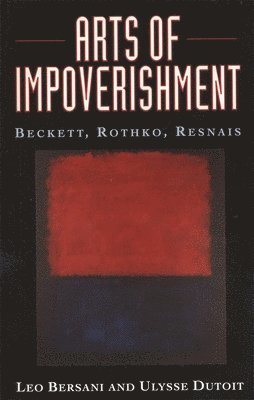
Arts of Impoverishment
Beckett, Rothko, Resnais
Häftad, 1993
584 kr
Lägg i varukorg
“How almost true they sometimes almost ring!” Samuel Beckett’s character rues his words. “How wanting in inanity!” A person could almost understand them! Why taunt and flout us, as Beckett’s writing does? Why discourage us from seeing, as Mark Rothko’s paintings often can? Why immobilize and daze …
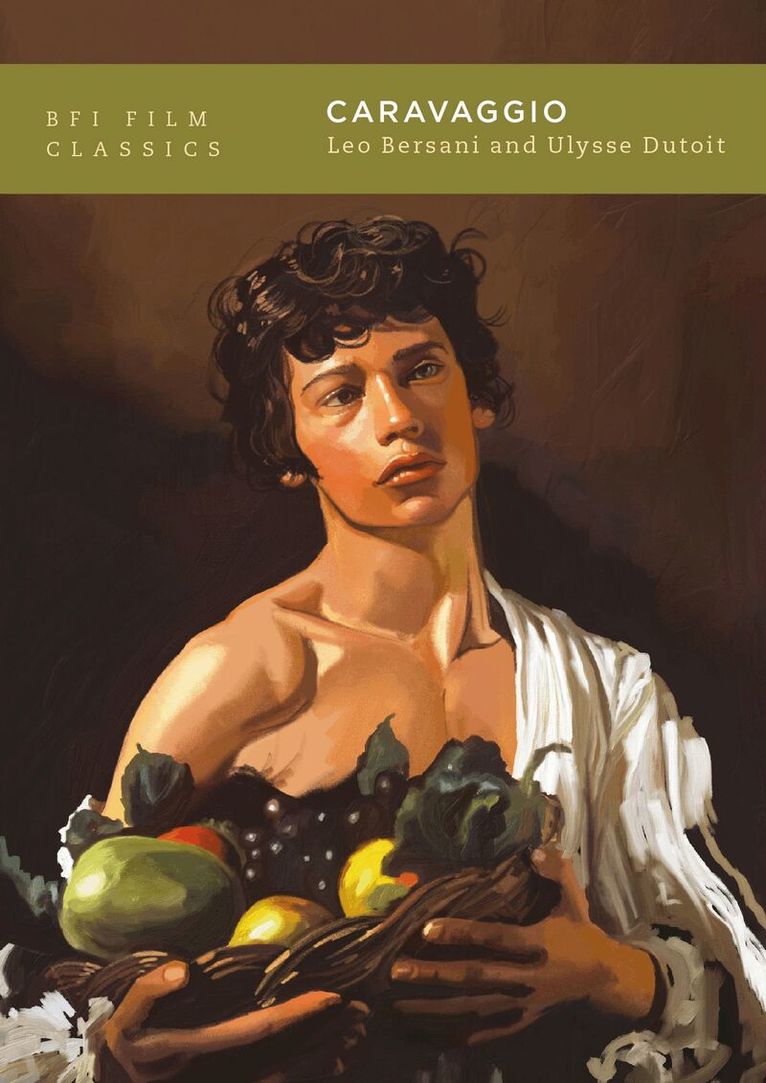
Caravaggio
Häftad, 2021
189 kr
Lägg i varukorg
Caravaggio (1986), Derek Jarman's portrait of the Italian Baroque artist, shows the painter at work with models drawn from Rome's homeless and prostitutes, and his relationship with two very different lovers: Ranuccio, played by Sean Bean, and Lena, played by Tilda Swinton. It is probably the …
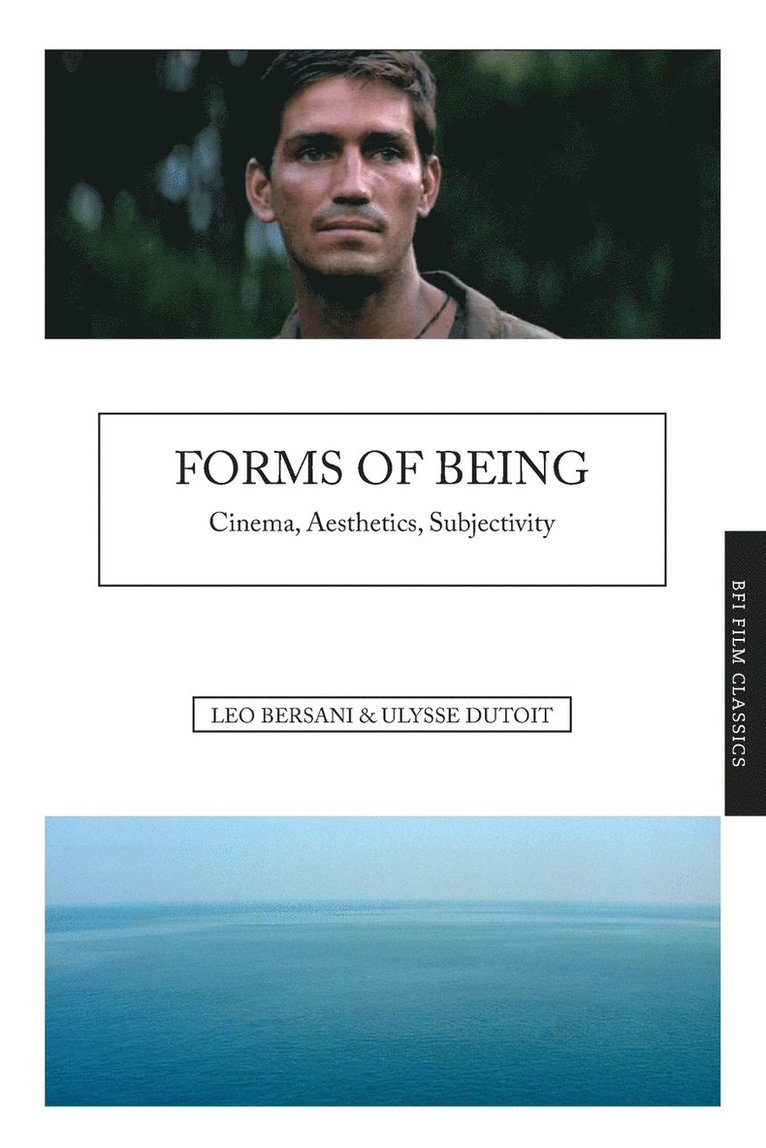
Forms of Being
Cinema, Aesthetics, Subjectivity
E-bok, 2019
579 kr
Lägg i varukorg
In each of the films discussed in this study - ''Le Mepris'', ''All About My Mother'', ''The Thin Red Line'' - something extraordinary is proposed. Or if not proposed, then shown, visually, by stranger and more powerful means than narrative or argument.
Forms of Being
Cinema, Aesthetics, Subjectivity
E-bok, 2019
579 kr
Lägg i varukorg
In each of the films discussed in this study - ''Le Mepris'', ''All About My Mother'', ''The Thin Red Line'' - something extraordinary is proposed. Or if not proposed, then shown, visually, by stranger and more powerful means than narrative or argument.
Caravaggio
E-bok, 2021
196 kr
Lägg i varukorg
Caravaggio (1986), Derek Jarman''s portrait of the Italian Baroque artist, shows the painter at work with models drawn from Rome''s homeless and prostitutes, and his relationship with two very different lovers: Ranuccio, played by Sean Bean, and Lena, played by Tilda Swinton. It is probably the …
Caravaggio
E-bok, 2021
199 kr
Lägg i varukorg
Caravaggio (1986), Derek Jarman''s portrait of the Italian Baroque artist, shows the painter at work with models drawn from Rome''s homeless and prostitutes, and his relationship with two very different lovers: Ranuccio, played by Sean Bean, and Lena, played by Tilda Swinton. It is probably the …
Forms of Being
Cinema, Aesthetics, Subjectivity
Inbunden, 2004
1641 kr
Lägg i varukorg
In each of the films discussed in this study - 'Le Mepris', 'All About My Mother', 'The Thin Red Line' - something extraordinary is proposed. Or if not proposed, then shown, visually, by stranger and more powerful means than narrative or argument.
Forms of Being
Cinema, Aesthetics, Subjectivity
Häftad, 2004
532 kr
Lägg i varukorg
In each of the films discussed in this study - 'Le Mepris', 'All About My Mother', 'The Thin Red Line' - something extraordinary is proposed. Or if not proposed, then shown, visually, by stranger and more powerful means than narrative or argument.