Umberto Tulli – författare
Visar alla böcker från författaren Umberto Tulli. Handla med fri frakt och snabb leverans.
9 produkter
9 produkter
Inbunden, Engelska, 2022
1 339 kr
Skickas inom 10-15 vardagar
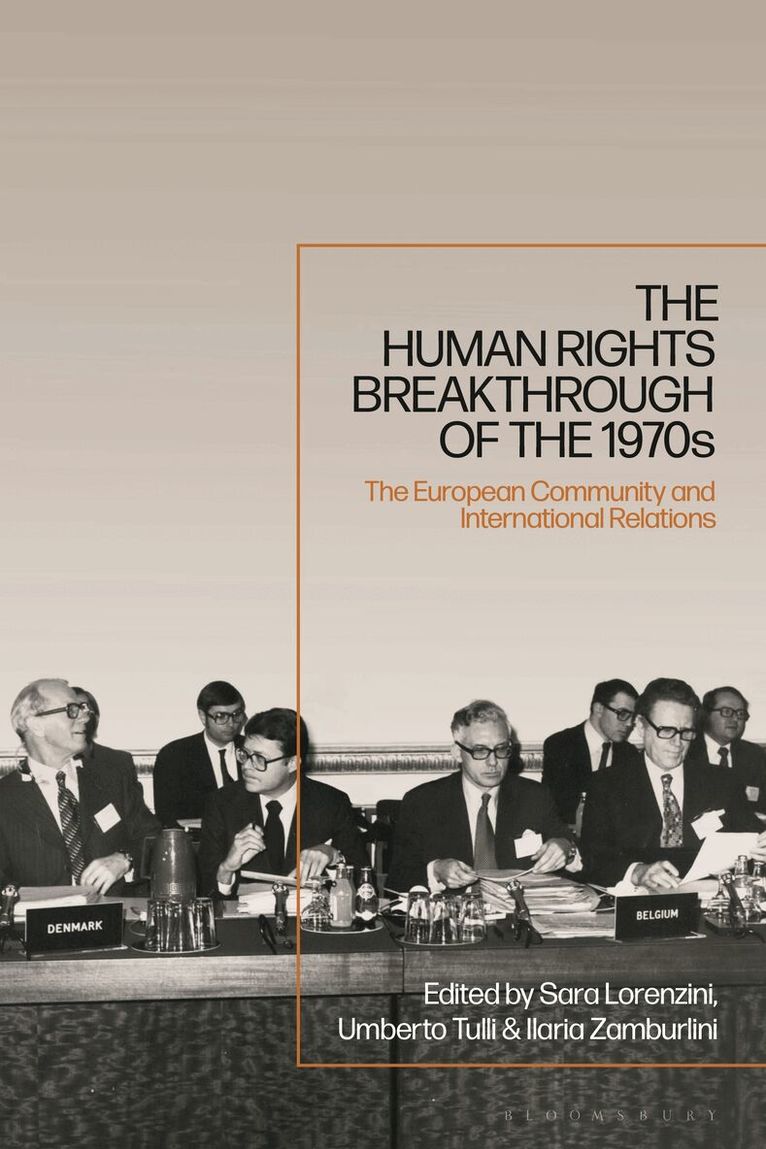
During the 1970s human rights took the front stage in international relations; fuelling political debates, social activism and a reconceptualising of both East-West and North-South relations. Nowhere was the debate on human rights more intense than in Western Europe, where human rights discourses intertwined the Cold War and the European Convention on Human Rights, the legacies of European empires, and the construction of national welfare systems. Over time, the European Community (EC) began incorporating human rights into its international activity, with the ambitious political will to prove that the Community was a global “civilian power.”This book brings together the growing scholarship on human rights during the 1970s, the history of European integration and the study of Western European supranational cooperation. Examining the role of human rights in EC activities in Latin America, Africa, the Mediterranean, Eastern Europe and the Soviet Union, The Human Rights Breakthrough of the 1970s seeks to verify whether a specifically European approach to human rights existed, and asks whether there was a distinctive ‘European voice’ in the human rights surge of the 1970s.
E-bok
PDF, Engelska, 2021451 kr
Läs direkt efter köp
During the 1970s human rights took the front stage in international relations; fuelling political debates, social activism and a reconceptualising of both East-West and North-South relations. Nowhere was the debate on human rights more intense than in Western Europe, where human rights discourses intertwined the Cold War and the European Convention on Human Rights, the legacies of European empires, and the construction of national welfare systems. Over time, the European Community (EC) began incorporating human rights into its international activity, with the ambitious political will to prove that the Community was a global “civilian power.” This book brings together the growing scholarship on human rights during the 1970s, the history of European integration and the study of Western European supranational cooperation. Examining the role of human rights in EC activities in Latin America, Africa, the Mediterranean, Eastern Europe and the Soviet Union, The Human Rights Breakthrough of the 1970s seeks to verify whether a specifically European approach to human rights existed, and asks whether there was a distinctive ''European voice'' in the human rights surge of the 1970s.
E-bok
Engelska, 2021451 kr
Läs direkt efter köp
During the 1970s human rights took the front stage in international relations; fuelling political debates, social activism and a reconceptualising of both East-West and North-South relations. Nowhere was the debate on human rights more intense than in Western Europe, where human rights discourses intertwined the Cold War and the European Convention on Human Rights, the legacies of European empires, and the construction of national welfare systems. Over time, the European Community (EC) began incorporating human rights into its international activity, with the ambitious political will to prove that the Community was a global “civilian power.” This book brings together the growing scholarship on human rights during the 1970s, the history of European integration and the study of Western European supranational cooperation. Examining the role of human rights in EC activities in Latin America, Africa, the Mediterranean, Eastern Europe and the Soviet Union, The Human Rights Breakthrough of the 1970s seeks to verify whether a specifically European approach to human rights existed, and asks whether there was a distinctive ''European voice'' in the human rights surge of the 1970s.
Häftad, Engelska, 2023
428 kr
Skickas inom 10-15 vardagar
During the 1970s human rights took the front stage in international relations; fuelling political debates, social activism and a reconceptualising of both East-West and North-South relations. Nowhere was the debate on human rights more intense than in Western Europe, where human rights discourses intertwined the Cold War and the European Convention on Human Rights, the legacies of European empires, and the construction of national welfare systems. Over time, the European Community (EC) began incorporating human rights into its international activity, with the ambitious political will to prove that the Community was a global “civilian power.”This book brings together the growing scholarship on human rights during the 1970s, the history of European integration and the study of Western European supranational cooperation. Examining the role of human rights in EC activities in Latin America, Africa, the Mediterranean, Eastern Europe and the Soviet Union, The Human Rights Breakthrough of the 1970s seeks to verify whether a specifically European approach to human rights existed, and asks whether there was a distinctive ‘European voice’ in the human rights surge of the 1970s.
268 kr
Läs direkt efter köp
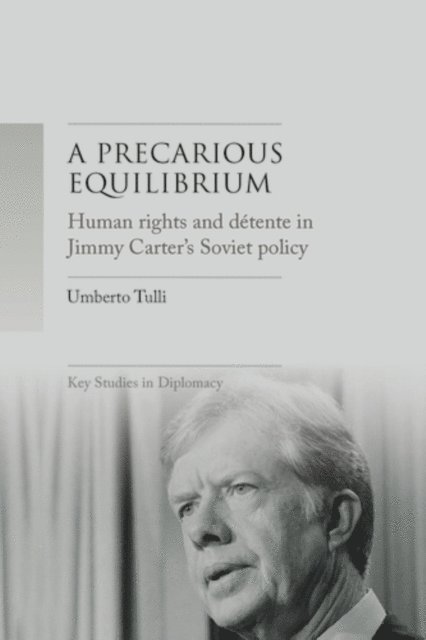
In January 1981, just days before Jimmy Carter left the White House, many of the president’s officials were well satisfied with the administration’s campaign to promote human rights. But as commentators, scholars, and the incoming president began to critique Carter’s bipolar policy, it became clear that Carter had not only failed to persuade the American public that he had a clear grasp on the international role of the US, but he failed to build a lasting domestic consensus on foreign policy.The Carter administration aimed to renew its ideological challenge to the USSR through human rights and to persuade the Soviets to ease internal repression in order to strengthen Congressional support for détente and arms control. Contrary to what he envisioned, the more vigorously the White House pursued a pro-human rights agenda, the more the Soviets lost interest in détente; the more the administration relegated human rights to quiet diplomacy, the more critics within the United States accused the President of abandoning his commitment to human rights. In the end, the White House lost the opportunity to stabilise bipolar relations and the domestic support Carter had managed to garner in 1976. Critics of détente, helped by the Iran hostage crisis and the Soviet invasion of Afghanistan, defeated him.Based on recently declassified archival documents, A precarious equilibrium offers a fresh interpretation of President Jimmy Carter’s human rights policy and its contradictory impact on US–Soviet affairs.
Inbunden, Engelska, 2020
1 150 kr
Skickas inom 5-8 vardagar
In January 1981, just days before Jimmy Carter left the White House, many of the president’s officials were well satisfied with the administration’s campaign to promote human rights. But as commentators, scholars, and the incoming president began to critique Carter’s bipolar policy, it became clear that Carter had not only failed to persuade the American public that he had a clear grasp on the international role of the US, but he failed to build a lasting domestic consensus on foreign policy.The Carter administration aimed to renew its ideological challenge to the USSR through human rights and to persuade the Soviets to ease internal repression in order to strengthen Congressional support for détente and arms control. Contrary to what he envisioned, the more vigorously the White House pursued a pro-human rights agenda, the more the Soviets lost interest in détente; the more the administration relegated human rights to quiet diplomacy, the more critics within the United States accused the President of abandoning his commitment to human rights. In the end, the White House lost the opportunity to stabilise bipolar relations and the domestic support Carter had managed to garner in 1976. Critics of détente, helped by the Iran hostage crisis and the Soviet invasion of Afghanistan, defeated him.Based on recently declassified archival documents, A precarious equilibrium offers a fresh interpretation of President Jimmy Carter’s human rights policy and its contradictory impact on US–Soviet affairs.
E-bok
PDF, Engelska, 2020268 kr
Läs direkt efter köp
Carter envisioned his Soviet policy moving along two interdependent tracks that should have formed a “virtuous circle”. He aimed to renew the American ideological challenge through human rights and to persuade the Soviets to ease internal repression to strengthen Congressional support for détente and arms control. In turn, continuing the bipolar dialogue, the administration aimed to promote human rights further in the USSR. Contrary to what he envisioned, Carter was caught between Scylla and Charybdis. The more vigorously the White House pursued human rights in bipolar relations, the more the Soviets lost interest in détente; the more the administration relegated human rights to quiet diplomacy, the more critics within the United States accused the President of abandoning his commitment to human rights. Trapped in this contradiction, Carter lost both the opportunity to renew détente and to build lasting domestic support.
Häftad, Engelska, 2021
222 kr
Skickas
Human rights and détente inextricably intertwined during Carter’s years. By promoting human rights in the USSR, Carter sought to build a domestic consensus for détente; through bipolar dialogue, he tried to advance human rights in the USSR. But, human rights contributed to the erosion of détente without achieving a lasting domestic consensus.
Inbunden, Engelska, 2024
1 591 kr
Skickas
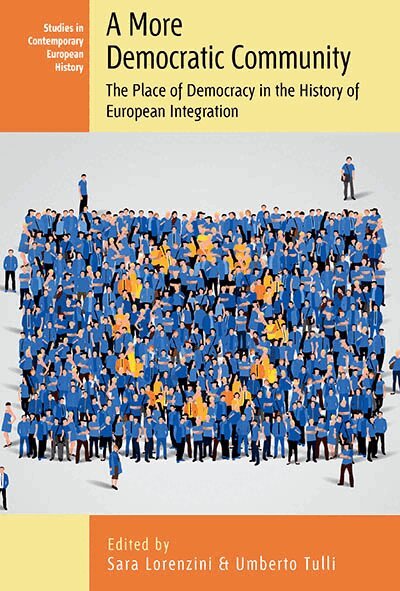
The histories of European unification and of West European democracy during the second half of the twentieth century have often been considered as separate or even antagonistic processes with the institutions of European integration being regarded as bastions of bureaucratic rule. A More Democratic Community challenges this assumption and argues that European integration benefited from the democratic accountability of member states while contributing to the validation of national democratic institutions. However, it also unveils a paradox: as integration deepened, it diminished the power of national parliaments, sparking a democratic accountability crisis within the Community.