Häftad, Engelska, 2021
A Precarious Equilibrium
231 kr
Skickas torsdag 15/10
Beskrivning
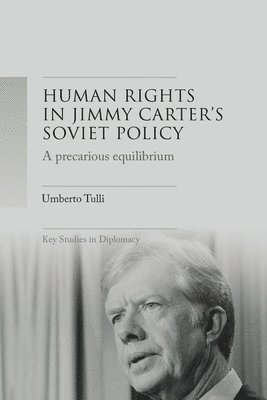
Human rights and détente inextricably intertwined during Carter’s years. By promoting human rights in the USSR, Carter sought to build a domestic consensus for détente; through bipolar dialogue, he tried to advance human rights in the USSR. But, human rights contributed to the erosion of détente without achieving a lasting domestic consensus.
Produktinformation
- Utgivningsdatum: 2021-09-07
- Mått: 156 x 234 x 12 mm
- Vikt: 322 g
- Format: Häftad
- Språk: Engelska
- Antal sidor: 232
- Förlag: Manchester University Press
- Serie: Key Studies in Diplomacy
- ISBN: 9781526160775
Betyg & recensioner
0 recensioner
Inga recensioner tillgängliga.