Uri Bar-Joseph – författare
Visar alla böcker från författaren Uri Bar-Joseph. Handla med fri frakt och snabb leverans.
20 produkter
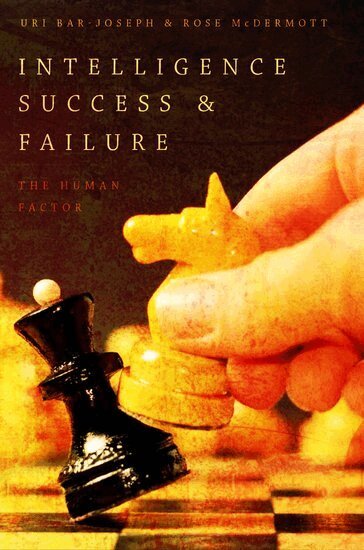
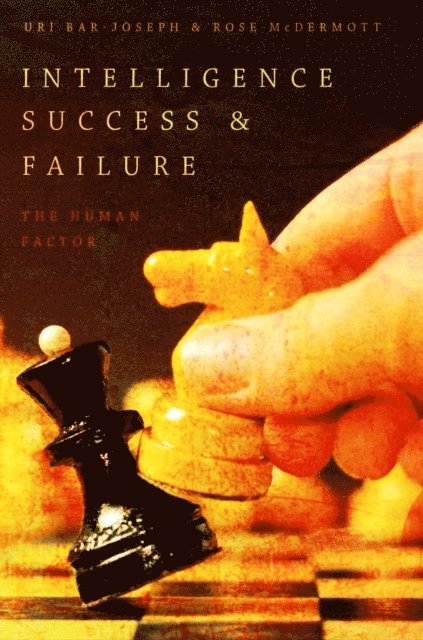
Intelligence Success and Failure
The Human Factor
Av Uri Bar-Joseph, Rose McDermott
Häftad, 2017
549 kr
Lägg i varukorg
The study of strategic surprise has long concentrated on important failures that resulted in catastrophes such as Pearl Harbor and the September 11th attacks, and the majority of previously published research in the field determines that such large-scale military failures often stem from defective …
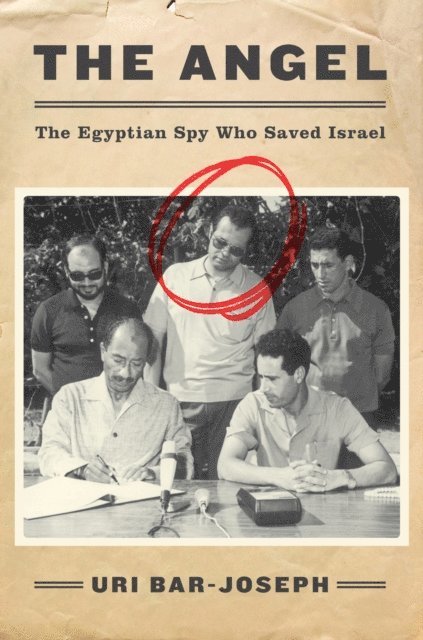
Angel
The Egyptian Spy Who Saved Israel
E-bok, 2023
103 kr
Lägg i varukorg
The Angel is an award–winning expose about the sensational life and mysterious death of Ashraf Marwan, an Egyptian senior official who spied for Israel.A National Jewish Book Awards WinnerBasis for the Netflix Original MovieA Best Intelligence Book by The American Association of Former Intelligence …
Intelligence Success and Failure
The Human Factor
Av Rose McDermott, Uri Bar-Joseph
E-bok, 2017
495 kr
Lägg i varukorg
The study of strategic surprise has long concentrated on important failures that resulted in catastrophes such as Pearl Harbor and the September 11th attacks, and the majority of previously published research in the field determines that such large-scale military failures often stem from defective …
Intelligence Success and Failure
The Human Factor
Av Uri Bar-Joseph, Rose McDermott
Inbunden, 2017
2627 kr
Lägg i varukorg
The study of strategic surprise has long concentrated on important failures that resulted in catastrophes such as Pearl Harbor and the September 11th attacks, and the majority of previously published research in the field determines that such large-scale military failures often stem from defective …
Intelligence Success and Failure
The Human Factor
Av Rose McDermott, Uri Bar-Joseph
E-bok, 2017
495 kr
Lägg i varukorg
The study of strategic surprise has long concentrated on important failures that resulted in catastrophes such as Pearl Harbor and the September 11th attacks, and the majority of previously published research in the field determines that such large-scale military failures often stem from defective …
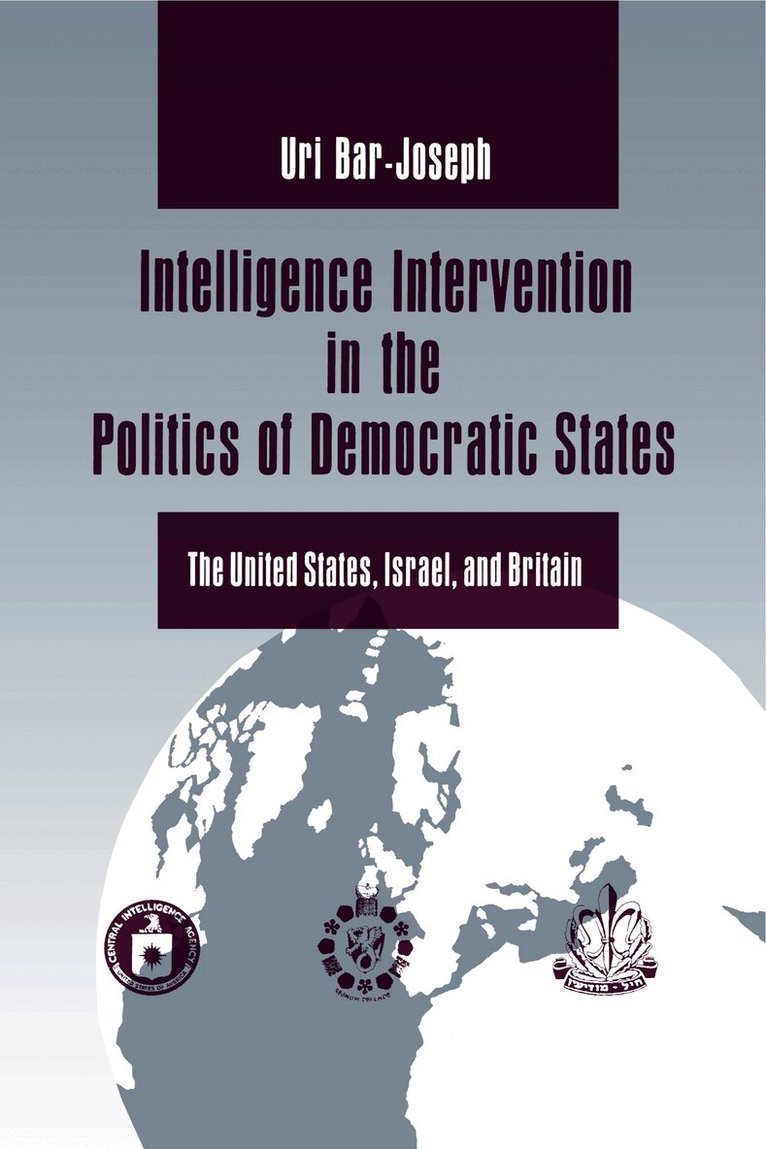
Intelligence Intervention in the Politics of Democratic States
The United States, Israel, and Britain
Häftad, 1995
476 kr
Lägg i varukorg
This book studies intelligence intervention in politics in the modern democratic state. In theory, intelligence work should be objective, autonomous, and free of political influence; at its best, it should be guided solely by the professional ethic of intelligence. In reality, however, unavoidable …
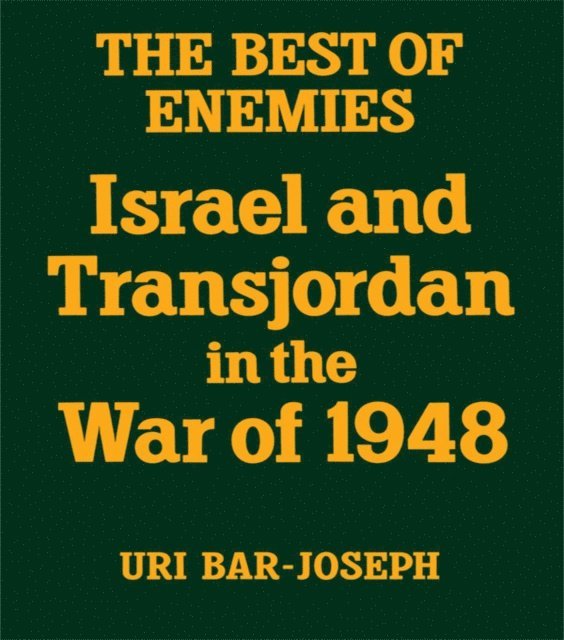
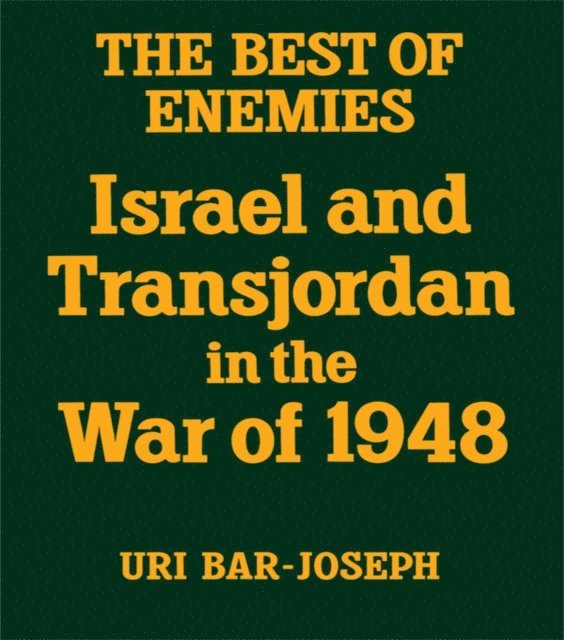
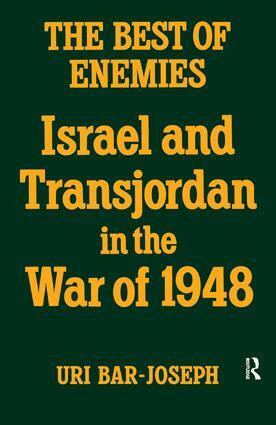
Best of Enemies
Israel and Transjordan in the War of 1948
Häftad, 1987
604 kr
Lägg i varukorg
An analysis of Israel's relations with Abdullah before the outbreak of hostilities.
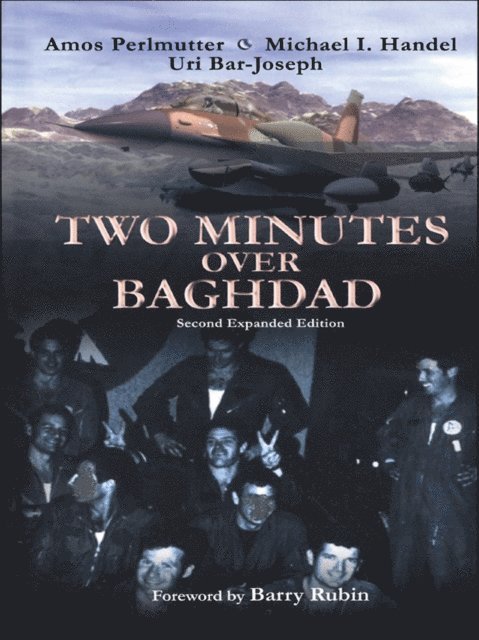
Two Minutes Over Baghdad
Av Uri Bar-Joseph, Michael Handel m. fl.
Inbunden, 2003
2586 kr
Lägg i varukorg
A detailed account of the way Israel dealt with the Iraqi nuclear buildup between its launch in 1974 and the destruction of the Tamuz I reactor on 7 June 1981. This updated account includes formerly classified information and photographs taken during the mission and from US spy satellites.
Two Minutes Over Baghdad
Av Uri Bar-Joseph, Michael Handel m. fl.
Häftad, 2003
822 kr
Lägg i varukorg
A detailed account of the way Israel dealt with the Iraqi nuclear buildup between its launch in 1974 and the destruction of the Tamuz I reactor on 7 June 1981. This updated account includes formerly classified information and photographs taken during the mission and from US spy satellites.
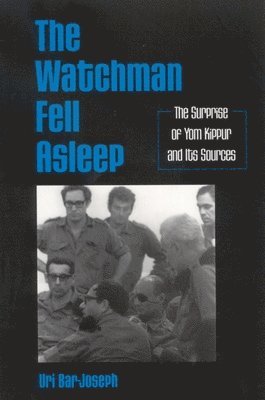
Watchman Fell Asleep
The Surprise of Yom Kippur and Its Sources
Inbunden, 2005
1296 kr
Lägg i varukorg
Examines how Israel was caught by surprise in the opening stages of the 1973 Yom Kippur War.Based on many formerly undisclosed intelligence and military documents, the secret protocols of discussions on the eve of the war, and interviews with relevant figures, The Watchman Fell Asleep is a …
Best of Enemies
Israel and Transjordan in the War of 1948
E-bok, 2013
731 kr
Lägg i varukorg
An analysis of Israel''s relations with Abdullah before the outbreak of hostilities.
Best of Enemies
Israel and Transjordan in the War of 1948
E-bok, 2013
716 kr
Lägg i varukorg
An analysis of Israel''s relations with Abdullah before the outbreak of hostilities.
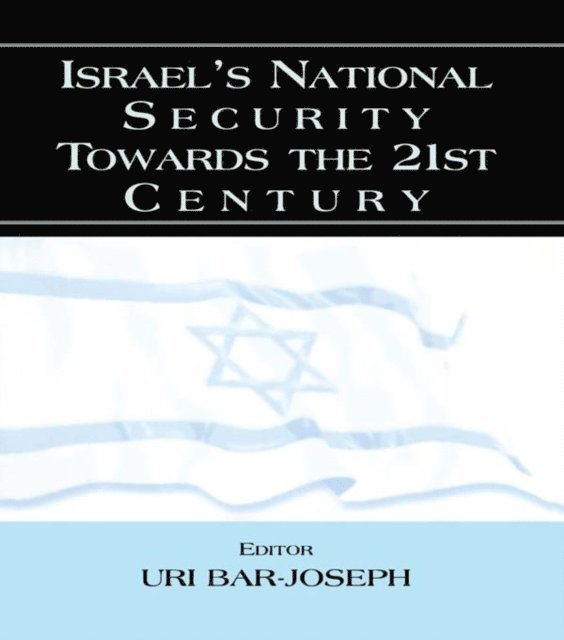
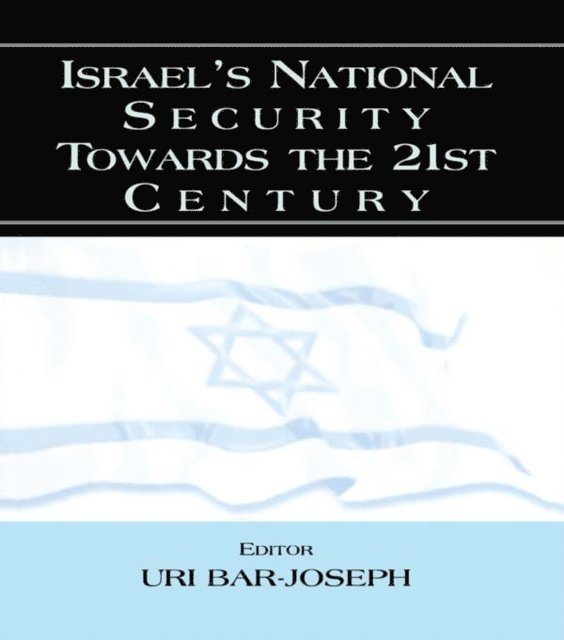
Israel's National Security Towards the 21st Century
E-bok, 2014
436 kr
Lägg i varukorg
This volumes discusses three principal issues: the Israeli army and the Revolution of Military Affairs (RMA); Israel''s present and future answers to the threays of weapons of mass destruction (WMD); and the impact of societal, political, and technological changes on Israel''s future war objectives.
Israel's National Security Towards the 21st Century
E-bok, 2014
450 kr
Lägg i varukorg
This volumes discusses three principal issues: the Israeli army and the Revolution of Military Affairs (RMA); Israel''s present and future answers to the threays of weapons of mass destruction (WMD); and the impact of societal, political, and technological changes on Israel''s future war objectives.
Two Minutes Over Baghdad
Av Amos Perlmutter, Michael Handel m. fl.
E-bok, 2004
939 kr
Lägg i varukorg
A detailed account of the way Israel dealt with the Iraqi nuclear buildup between its launch in 1974 and the destruction of the Tamuz I reactor on 7 June 1981. This updated account includes formerly classified information and photographs taken during the mission and from US spy satellites.
Two Minutes Over Baghdad
Av Amos Perlmutter, Michael Handel m. fl.
E-bok, 2004
970 kr
Lägg i varukorg
A detailed account of the way Israel dealt with the Iraqi nuclear buildup between its launch in 1974 and the destruction of the Tamuz I reactor on 7 June 1981. This updated account includes formerly classified information and photographs taken during the mission and from US spy satellites.
Best of Enemies
Israel and Transjordan in the War of 1948
Inbunden, 2017
3021 kr
Lägg i varukorg
An analysis of Israel's relations with Abdullah before the outbreak of hostilities.
Israel's National Security Towards the 21st Century
Inbunden, 2001
568 kr
Tillfälligt slut
This volumes discusses three principal issues: the Israeli army and the Revolution of Military Affairs (RMA); Israel's present and future answers to the threays of weapons of mass destruction (WMD); and the impact of societal, political, and technological changes on Israel's future war objectives.
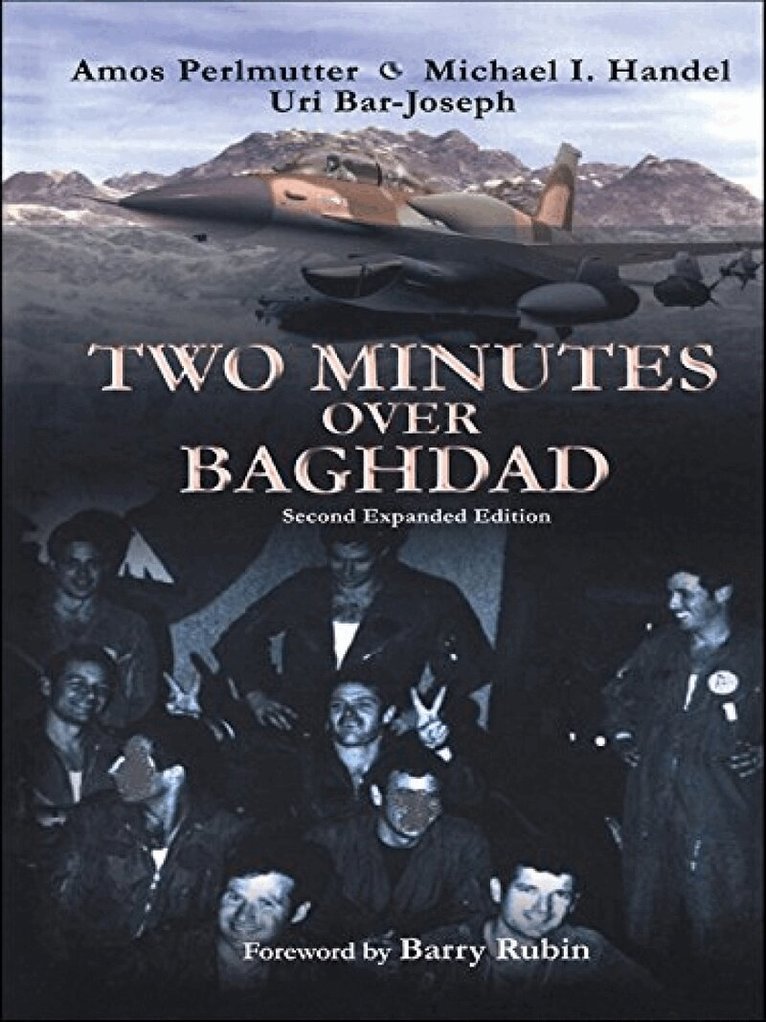
Two Minutes Over Baghdad
Second Expanded Edition
Av Amos Perlmutter, Michael I. Handel m. fl.
Inbunden, 1982
295 kr
Tillfälligt slut
A detailed account of the way Israel dealt with the Iraqi nuclear buildup between its launch in 1974 and the destruction of the Tamuz I reactor on 7 June 1981.