Valerie J. Matsumoto - Böcker
Visar alla böcker från författaren Valerie J. Matsumoto. Handla med fri frakt och snabb leverans.
5 produkter
5 produkter
392 kr
Skickas inom 5-8 vardagar
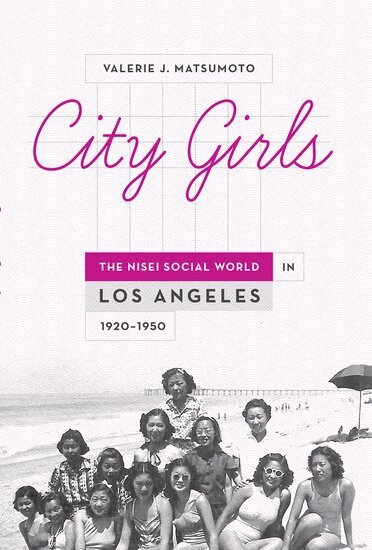
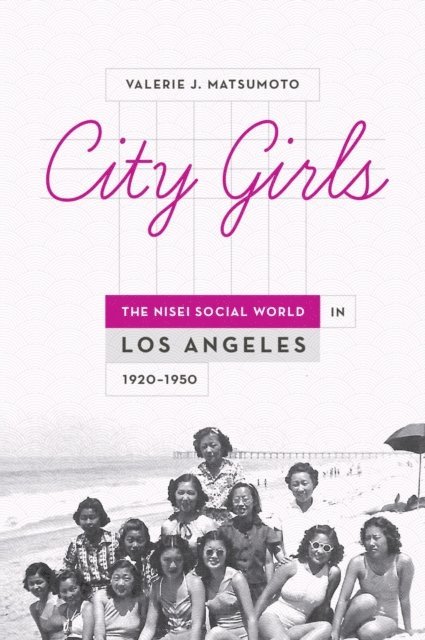
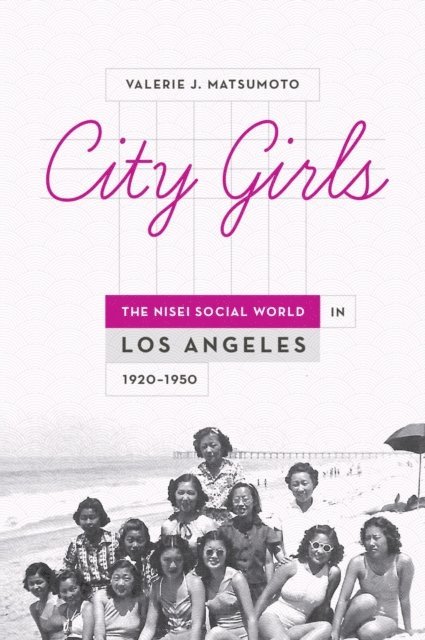
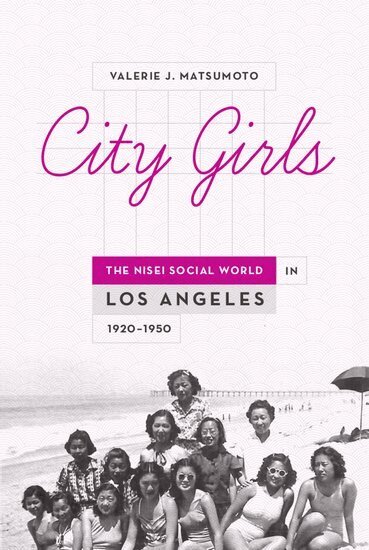
Even before wartime incarceration, Japanese Americans largely lived in separate cultural communities from their West Coast neighbors. Although the Nisei children, the American-born second generation, were U.S. citizens and were integrated in public schools, they were socially isolated in many ways from their peers. These young women found rapport in ethnocultural youth organizations, a forgotten world of female friendship and camaraderie that Valerie J. Matsumoto recovers in this book.Through extensive networks of social clubs, young Japanese American women competed in sports, socialized with young men, and forged enduring friendships. During the 1920s and 1930s, Nisei girls' organizations flourished in Los Angeles, then home to the largest Japanese American population. In clubs with names such as the Junior Misses and Tartanettes, girls gained leadership training, took part in community service, found jobs, and enjoyed beach outings and parties. Often sponsored by the YWCA, Buddhist temples, and Christian churches, these groups served as a bulwark against racial discrimination, offering a welcoming space that helped young women navigate between parental expectations and the lure of popular culture. Indeed, their dances, meetings, and athletic events filled the social calendars in the ethnic press. As cultural mediators and ethnic representatives, these urban teenagers bridged the cultures of the Japanese American community and mainstream society, whether introducing new foods, holidays, and rituals into the home or dancing in kimono at civic events. Some expressed themselves as poets, writers, and journalists and took leading roles in the development of a Nisei literary network. Women's organizing skills and work would prove critical to the support of their families during World War II incarceration and community rebuilding in the difficult years of resettlement. By bringing to life a dynamic and long-lasting world of friendship circles and clubs, City Girls highlights the ways in which urban Nisei daughters claimed modern femininity, an American identity, and public space from the Jazz Age through the postwar era.
706 kr
Skickas inom 5-8 vardagar
Even before internment, Japanese largely lived in separate cultural communities from their West Coast neighbors. The first-generation American children, the Nisei, were American citizens, spoke English, and were integrated in public schools, yet were also socially isolated in many ways from their peers and subject to racism. Their daughters especially found rapport in a flourishing network of ethnocultural youth organizations. Until now, these groups have remained hidden from the historical record, both because they were girls' groups and because evidence of them was considered largely ephemeral. In her second book, Valerie Matsumoto has recreated this hidden world of female friendship and comradery, tracing it from the Jazz age through internment to the postwar period. Matsumoto argues that these groups were more than just social outlets for Nisei teenage girls. Rather, she shows how they were critical networks during the wartime upheavals of Japanese Americans. Young Nisei women helped their families navigate internment and, more importantly, recreated communities when they returned to their homes in the immediate postwar period. This book will be a considerable contribution to our understanding of Japanese life in America, youth culture, ethnic history, urban history, and Western history. Matsumoto has interviewed and gained the trust of many (now old) women who were part of these girls' clubs.
564 kr
Skickas inom 3-6 vardagar
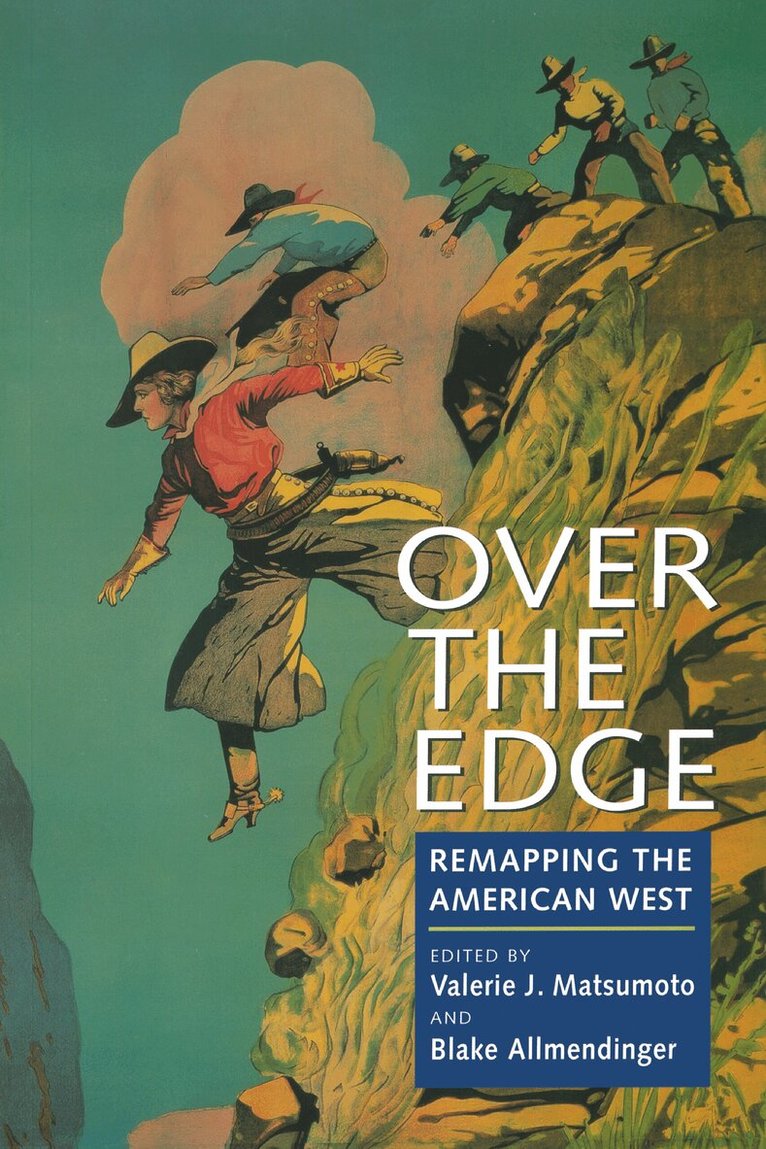
From the Gold Rush to rush hour, the history of the American West is fraught with diverse, subversive, and at times downright eccentric elements. This provocative volume challenges traditional readings of western history and literature, and redraws the boundaries of the American West with absorbing essays ranging widely on topics from tourism to immigration, from environmental battles to interethnic relations, and from law to film. Taken together, the essays reassess the contributions of a diverse and multicultural America to the West, as they link western issues to global frontiers. Featuring the latest work by some of the best new writers both inside and outside academia, the original essays in Over the Edge confront the traditional field of western American studies with a series of radical, speculative, and sometimes outrageous challenges.The collection reads the West through Ben-Hur and the films of Mae West; revises the western American literary canon to include the works of African American and Mexican American writers; examines the implications of miscegenation law and American Indian blood quantum requirements; and brings attention to the historical participation of Mexican and Japanese American women, Native American slaves, and Alaskan cannery workers in community life.
1 558 kr
Skickas inom 10-15 vardagar
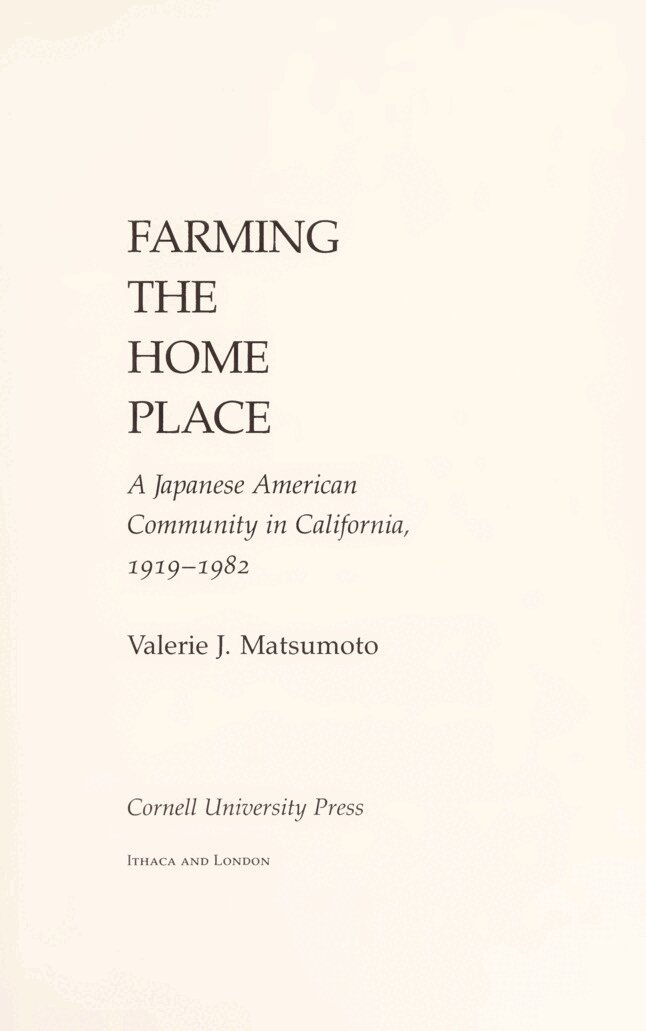
Carefully researched, tightly written, well organized, and intelligently interpreted.... An excellent text for classroom assignment. — Sucheng Chan ― Pacific Historical ReviewIn 1919, against a backdrop of a long history of anti-Asian nativism, a handful of Japanese families established Cortez Colony in a bleak pocket of the San Joachin Valley. Valerie Matsumoto chronicles conflicts within the community as well as obstacles from without as the colonists responded to the challenges of settlement, the setbacks of the Great Depression, the hardships of World War II internment, and the opportunities of postwar reconstruction.Tracing the evolution of gender and family roles of members of Cortez as well as their cultural, religious, and educational institutions, she documents the persistence and flexibility of ethnic community and demonstrates its range of meaning from geographic location and web of social relations to state of mind.
379 kr
Skickas inom 10-15 vardagar
Carefully researched, tightly written, well organized, and intelligently interpreted.... An excellent text for classroom assignment. — Sucheng Chan ― Pacific Historical ReviewIn 1919, against a backdrop of a long history of anti-Asian nativism, a handful of Japanese families established Cortez Colony in a bleak pocket of the San Joachin Valley. Valerie Matsumoto chronicles conflicts within the community as well as obstacles from without as the colonists responded to the challenges of settlement, the setbacks of the Great Depression, the hardships of World War II internment, and the opportunities of postwar reconstruction.Tracing the evolution of gender and family roles of members of Cortez as well as their cultural, religious, and educational institutions, she documents the persistence and flexibility of ethnic community and demonstrates its range of meaning from geographic location and web of social relations to state of mind.