Valérie K. Orlando - Böcker
Visar alla böcker från författaren Valérie K. Orlando. Handla med fri frakt och snabb leverans.
10 produkter
10 produkter
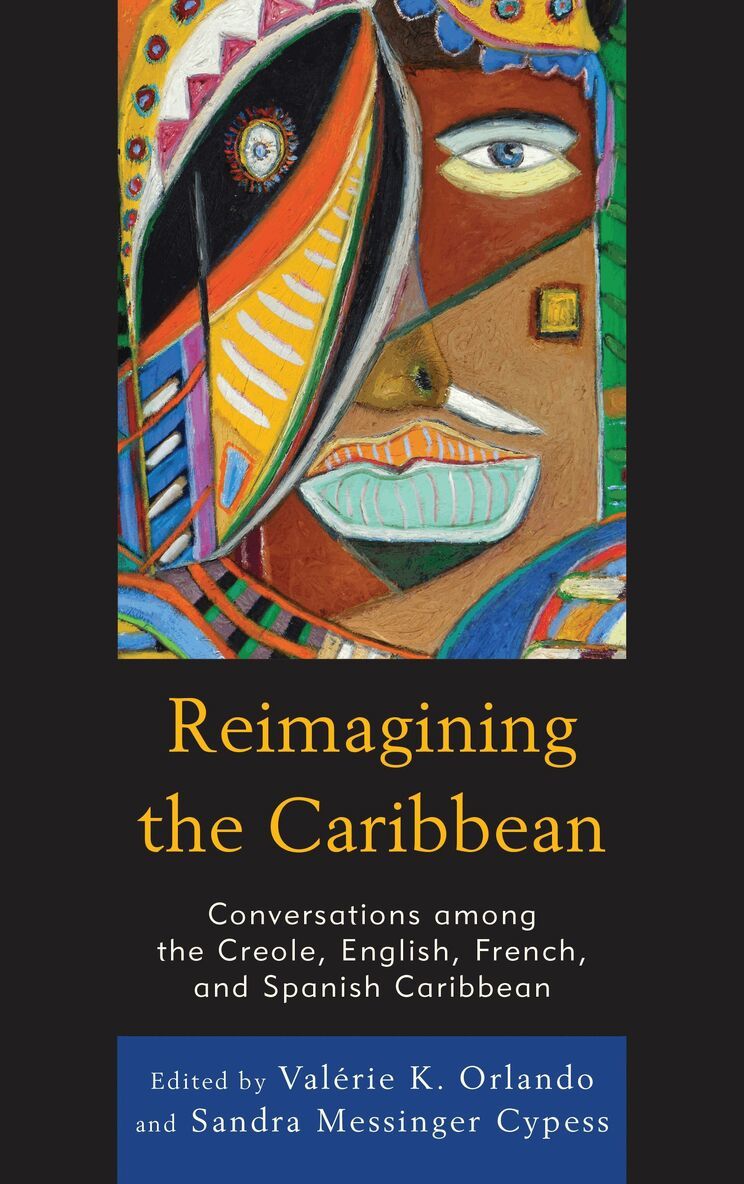
Reimagining the Caribbean
Conversations among the Creole, English, French, and Spanish Caribbean
Häftad, Engelska, 2016
668 kr
Skickas inom 10-15 vardagar
This volume brings together scholars working in different languages—Creole, French, English, Spanish—and modes of cultural production—literature, art, film, music—to suggest how best to model courses that impart the rich, vibrant, and multivalent aspects of the Caribbean in the classroom. Essays focus on discussing how best to cross languages, histories, and modes of discourse. Instead of relying on available paradigms that depend on Western ways of thinking, the essays recommend methods to develop a pan-Caribbean perspective in relation to notions of the self, uses of language, gender hierarchies, and ideas of nationhood. Contributors represent various disciplines, work in one of the several languages of the Caribbean, and offer essays that reflect different cadres of expertise.
256 kr
Skickas inom 7-10 vardagar
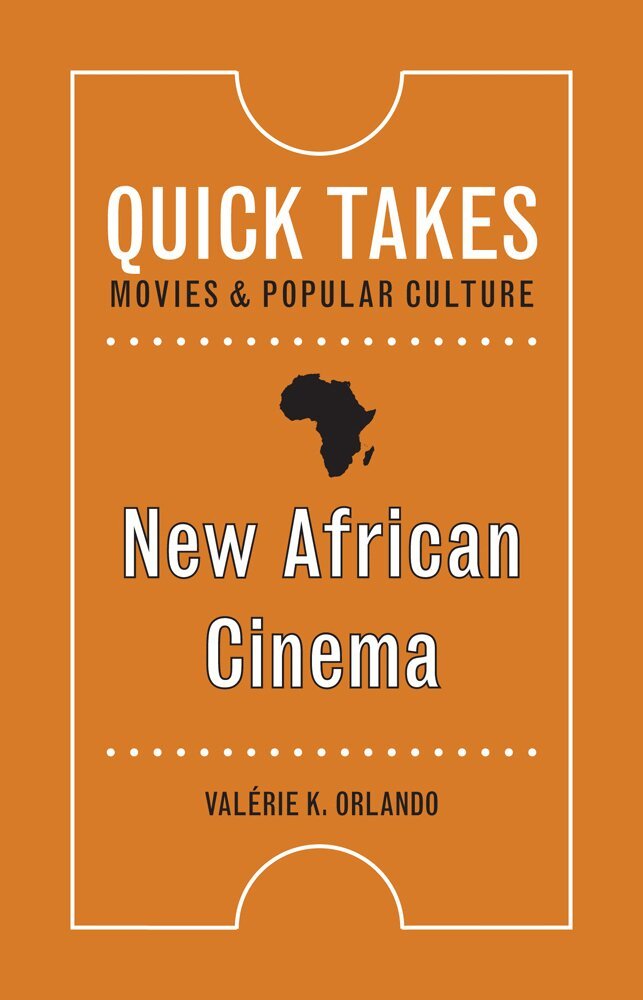
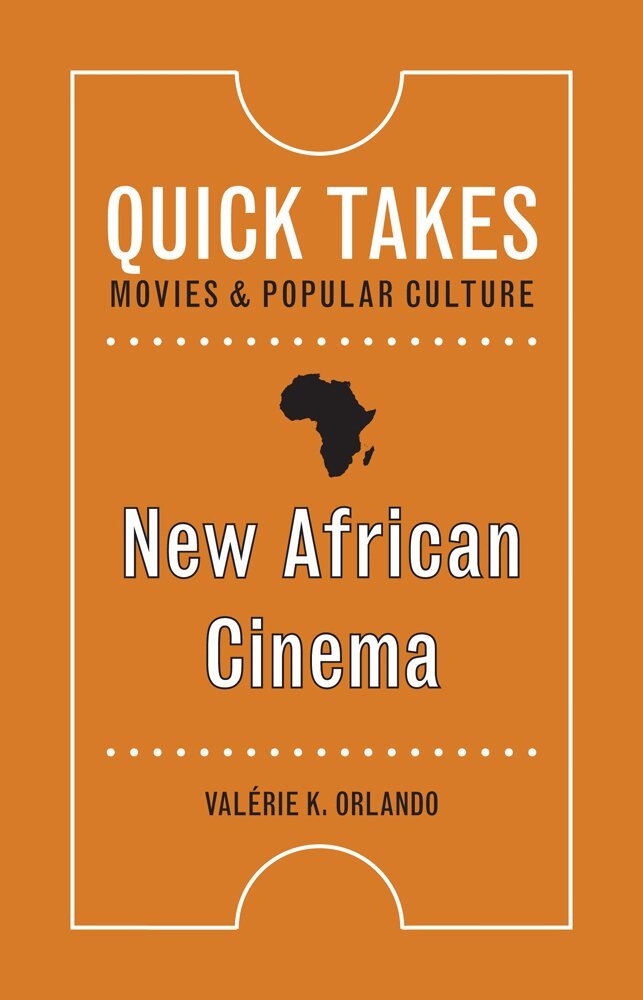
New African Cinema examines the pressing social, cultural, economic, and historical issues explored by African filmmakers from the early post-colonial years into the new millennium. Offering an overview of the development of postcolonial African cinema since the 1960s, ValÉrie K. Orlando highlights the variations in content and themes that reflect the socio-cultural and political environments of filmmakers and the cultures they depict in their films. Orlando illuminates the diverse themes evident in the works of filmmakers such as Ousmane SembÈne’s Ceddo (Senegal, 1977), Sarah Maldoror’s Sambizanga (Angola, 1972), Assia Djebar’s La Nouba des femmes de Mont Chenoua (The Circle of women of Mount Chenoua, Algeria, 1978), ZÉzÉ Gamboa’s The Hero (Angola, 2004) and Abderrahmane Sissako’s Timbuktu (Mauritania, 2014), among others. Orlando also considers the influence of major African film schools and their traditions, as well as European and American influences on the marketing and distribution of African film. For those familiar with the polemics of African film, or new to them, Orlando offers a cogent analytical approach that is engaging.
765 kr
Skickas inom 7-10 vardagar
New African Cinema examines the pressing social, cultural, economic, and historical issues explored by African filmmakers from the early post-colonial years into the new millennium. Offering an overview of the development of postcolonial African cinema since the 1960s, ValÉrie K. Orlando highlights the variations in content and themes that reflect the socio-cultural and political environments of filmmakers and the cultures they depict in their films. Orlando illuminates the diverse themes evident in the works of filmmakers such as Ousmane SembÈne’s Ceddo (Senegal, 1977), Sarah Maldoror’s Sambizanga (Angola, 1972), Assia Djebar’s La Nouba des femmes de Mont Chenoua (The Circle of women of Mount Chenoua, Algeria, 1978), ZÉzÉ Gamboa’s The Hero (Angola, 2004) and Abderrahmane Sissako’s Timbuktu (Mauritania, 2014), among others. Orlando also considers the influence of major African film schools and their traditions, as well as European and American influences on the marketing and distribution of African film. For those familiar with the polemics of African film, or new to them, Orlando offers a cogent analytical approach that is engaging.
1 060 kr
Skickas inom 10-15 vardagar
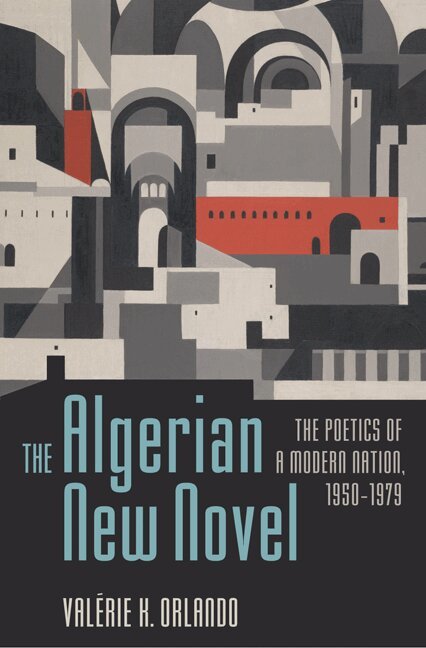
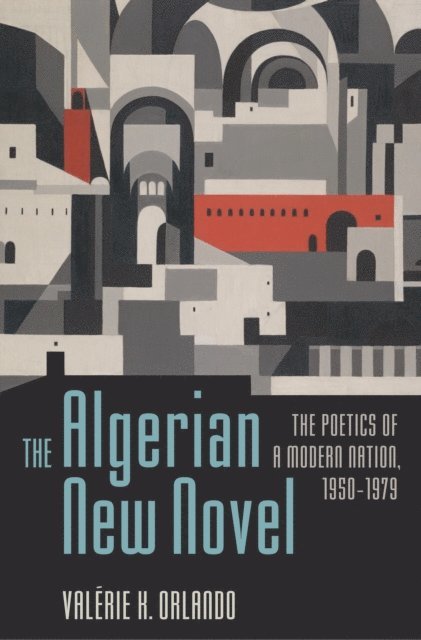
Disputing the claim that Algerian writing during the struggle against French colonial rule dealt almost exclusively with revolutionary themes, The Algerian New Novel shows how Algerian authors writing in French actively contributed to the experimental forms of the period, expressing a new age literarily as well as politically and culturally. Looking at canonical Algerian literature as part of the larger literary production in French during decolonization, Valérie K. Orlando considers how novels by Rachid Boudjedra, Mohammed Dib, Assia Djebar, Nabile Farès, Yamina Mechakra, and Kateb Yacine both influenced and were reflectors of the sociopolitical and cultural transformation that took place during this period in Algeria. Although their themes were rooted in Algeria, the avant-garde writing styles of these authors were influenced by early twentieth-century American modernists, the New Novelists of 1940s–50s France, and African American authors of the 1950s–60s. This complex mix of influences led Algerian writers to develop a unique modern literary aesthetic to express their world, a tradition of experimentation and fragmentation that still characterizes the work of contemporary Algerian francophone writers.
481 kr
Skickas inom 10-15 vardagar
Disputing the claim that Algerian writing during the struggle against French colonial rule dealt almost exclusively with revolutionary themes, The Algerian New Novel shows how Algerian authors writing in French actively contributed to the experimental forms of the period, expressing a new age literarily as well as politically and culturally. Looking at canonical Algerian literature as part of the larger literary production in French during decolonization, Valérie K. Orlando considers how novels by Rachid Boudjedra, Mohammed Dib, Assia Djebar, Nabile Farès, Yamina Mechakra, and Kateb Yacine both influenced and were reflectors of the sociopolitical and cultural transformation that took place during this period in Algeria. Although their themes were rooted in Algeria, the avant-garde writing styles of these authors were influenced by early twentieth-century American modernists, the New Novelists of 1940s–50s France, and African American authors of the 1950s–60s. This complex mix of influences led Algerian writers to develop a unique modern literary aesthetic to express their world, a tradition of experimentation and fragmentation that still characterizes the work of contemporary Algerian francophone writers.
Nomadic Voices of Exile
Feminine Identity in the Francophone Literature of the Maghreb
Inbunden, Engelska, 1999
974 kr
Skickas inom 7-10 vardagar
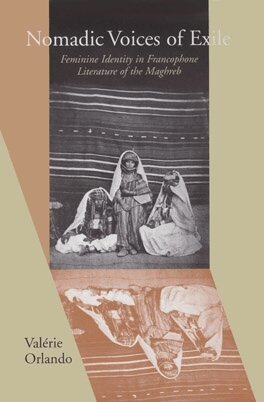
Contemporary French writing on the Maghreb—that part of Africa above the Sahara—is truly postmodern in scope, the rich product of multifaceted histories promoting the blending of two worlds, two identities, two cultures, and two languages.Nomadic Voices of Exile demonstrates how that postmodern sentiment has altered perceptions concerning Maghrebian feminine identity since the end of the French-colonial era. The authors discussed here, both those who reside in the Maghreb and those who have had to seek asylum in France, find themselves at the intersection of French and North African viewpoints, exposing a complicated world that must be negotiated and redefined.In looking at the authors whose writings extend beyond a gender-based dialogue to include such issues as race, politics, religion, and history, Valérie Orlando explores the rich and changing landscape of the literature and the culture, addresses the stereotypes that have defined the past, and navigates the space of the exiled, a space previously at the peripheries of Western discourse.Nomadic Voices of Exile will be useful to a variety of classrooms—women's studies, Middle East studies, Francophone literature, Third World women writers—and to anyone interested in postcolonial and postmodern theory and philosophy and the history of the Maghreb through literature.
361 kr
Skickas inom 10-15 vardagar
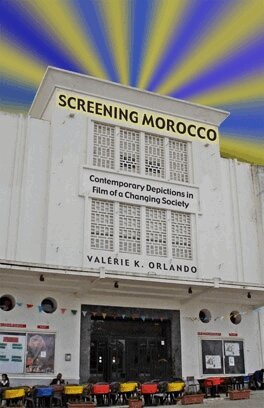
Since 1999 and the death of King Hassan II, Morocco has experienced adramatic social transformation. Encouraged by the more openly democraticclimate fostered by young King Mohammed VI, filmmakers have begunto explore the sociocultural and political debates of their country whilealso seeking to document the untold stories of a dark past.Screening Morocco: Contemporary Film in a ChangingSociety focuses on Moroccan films produced and distributedfrom 1999 to the present.Moroccan cinema serves as an all-inclusive medium that providesa sounding board for a society that is remaking itself.Male and female directors present the face of an engaged,multiethnic and multilingual society. Their cinematographypromotes a country that is dynamic and connected to theglobal sociocultural economy of the twenty-first century. Atthe same time, they seek to represent the closed, obscurepast of a nation's history that has rarely been told, drawingon themes such as human rights abuse, the former incarcerationof thousands during the Lead Years, women'semancipation, poverty, and claims for social justice.Screening Morocco will introduce American readers to therichness in theme and scope of the cinematic production ofMorocco.
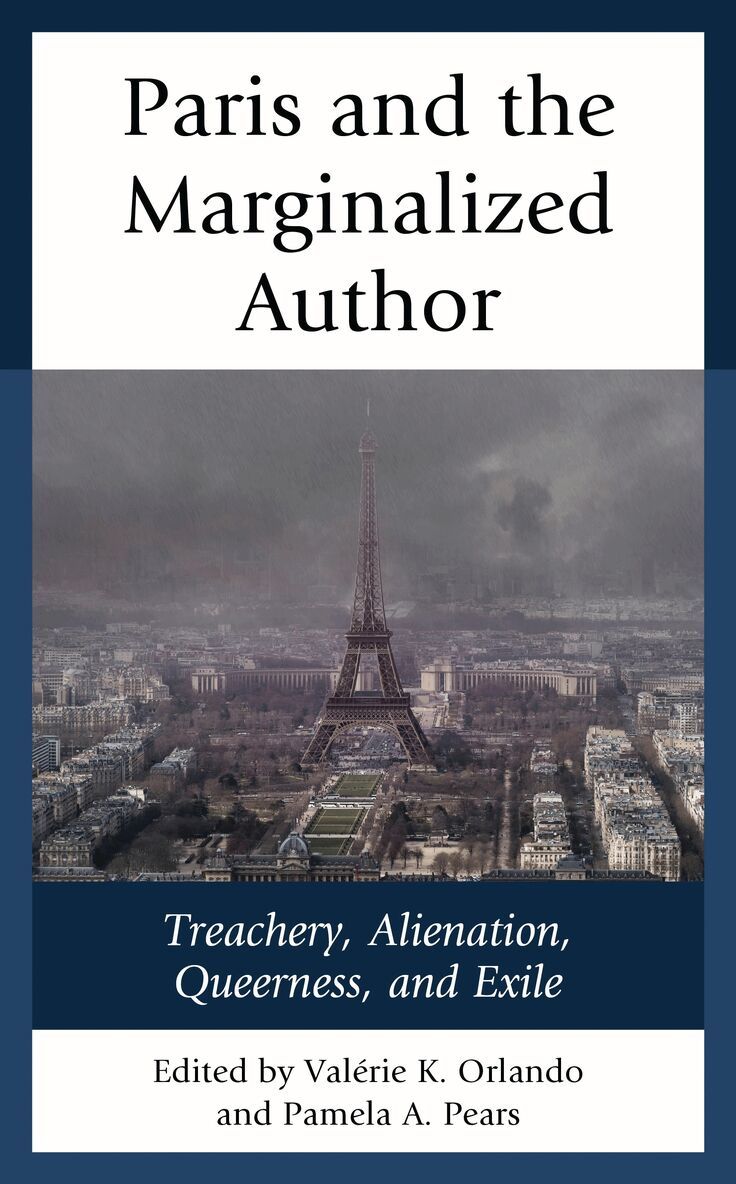
Paris and the Marginalized Author
Treachery, Alienation, Queerness, and Exile
Inbunden, Engelska, 2018
1 391 kr
Skickas inom 10-15 vardagar
This volume of essays explores what it is that has brought marginalized and often exiled writers, seen as treacherous, alienated, and/or queer by their societies and nations together by way of Paris. Spanning from the inter-war period of the late 1920s to the present millennium, this volume considers many seminal questions that have influenced and continue to shape the realm of exiled writers who have sought refuge in Paris in order to write. Additionally, the volume’s essays seek to define alienation and marginalization as not solely subscribing to any single denominator -- sexual preference, gender, or nationality-- but rather as shared modes of being that allow authors to explore what it is to write from abroad in a place that is foreign yet freed of the constrictions of one’s home space. What makes Paris a particularly fruitful space that has allowed these authors and their writings to cross national, ethnic, racial, religious, and linguistic boundaries for over a century? What is it that brings together writers such as Moroccan Abdellah Taïa, Americans James Baldwin, Richard Wright and, most recently, Ta-Nehisi Coates and Shay Youngblood, Algerian Nabile Farès, Franco-Algerian Leila Sebbar, Canadian Nancy Huston, French Jean Genet and French-Vietnamese Linda Lê? How do their representations and understanding of transgression and marginalization transcend national, linguistic and ethnic boundaries, leading ultimately to revolution, both literary and literal? How does their writing help us to trace the history of Paris as a literary and artistic capital that has been useful for authors’ exploration of the Self, race and home country? These are but a few of the many questions explored in this volume. This book relies on an inherently intersectional approach, which is not based in reified identities, whether they be LGBT, postcolonial, ethnic, national, or linguistic. Instead, we posit that, for example, queer theory, and a “politics of difference”i can help us investigate the dynamics of these multiple identity positions, and hence provide a broader understanding of the lived experiences of these writers, and, perhaps, their readers from the early 1940s to the present.
1 049 kr
Skickas inom 10-15 vardagar
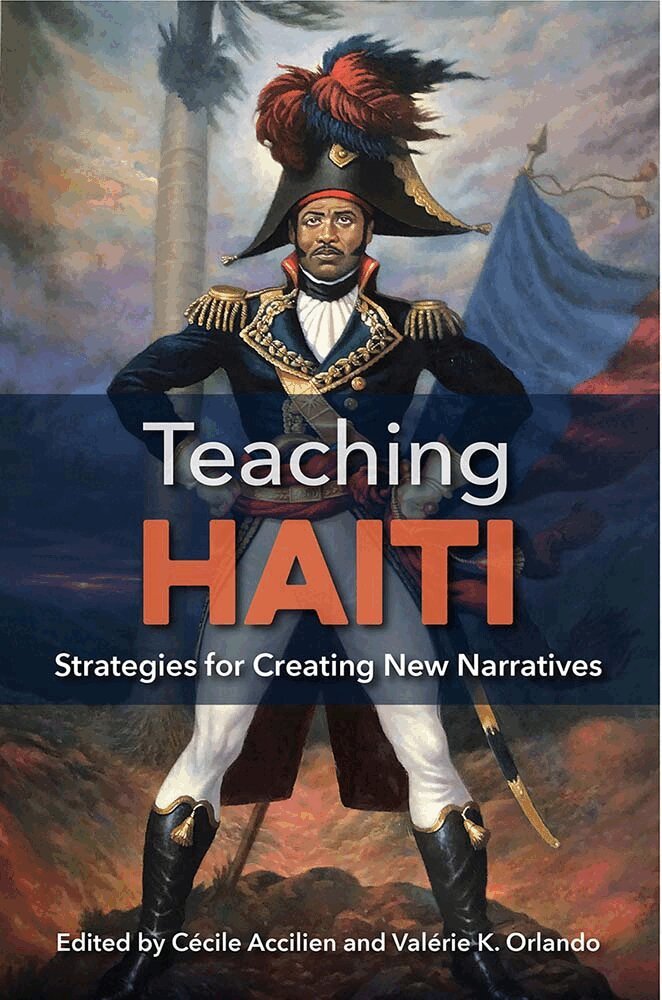
This volume is the first to focus on teaching about Haiti's complex history and culture from a multidisciplinary perspective. Making broad connections between Haiti and the rest of the Caribbean, contributors provide pedagogical guidance on how to approach the country from different lenses in course curricula. They offer practical suggestions, theories on a wide variety of texts, examples of syllabi, and classroom experiences.Teaching Haiti dispels stereotypes associating Haiti with disaster, poverty, and negative ideas of Vodou, going beyond the simplistic neocolonial, imperialist, and racist descriptions often found in literary and historical accounts. Instructors in diverse subject areas discuss ways of reshaping old narratives through women's and gender studies, poetry, theater, art, religion, language, politics, history, and popular culture, and they advocate for including Haiti in American and Latin American studies courses.Portraying Haiti not as "the poorest nation in the Western Hemisphere" but as a nation with a multifaceted culture that plays an important part on the world's stage, this volume offers valuable lessons about Haiti's past and present related to immigration, migration, locality, and globality. The essays remind us that these themes are increasingly relevant in an era in which teachers are often called to address neoliberalist views and practices and isolationist politics.
329 kr
Skickas inom 10-15 vardagar
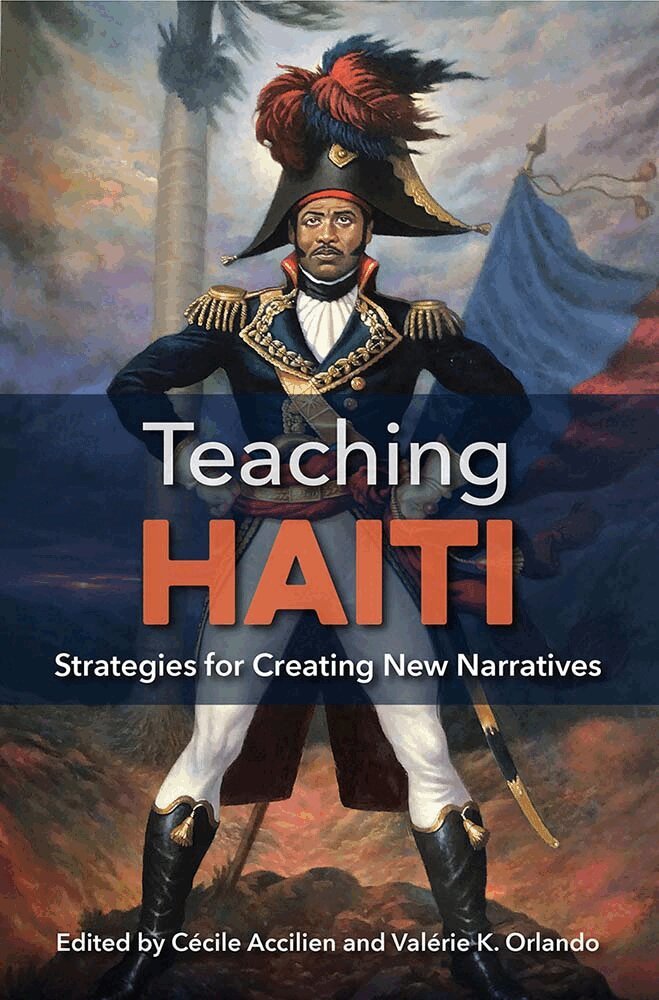
Approaching Haiti’s history and culture from a multidisciplinary perspectiveThis volume is the first to focus on teaching about Haiti’s complex history and culture from a multidisciplinary perspective. Making broad connections between Haiti and the rest of the Caribbean, contributors provide pedagogical guidance on how to approach the country from different lenses in course curricula. They offer practical suggestions, theories on a wide variety of texts, examples of syllabi, and classroom experiences.Teaching Haiti dispels stereotypes associating Haiti with disaster, poverty, and negative ideas of Vodou, going beyond the simplistic neocolonial, imperialist, and racist descriptions often found in literary and historical accounts. Instructors in diverse subject areas discuss ways of reshaping old narratives through women’s and gender studies, poetry, theater, art, religion, language, politics, history, and popular culture, and they advocate for including Haiti in American and Latin American studies courses.Portraying Haiti not as “the poorest nation in the Western Hemisphere” but as a nation with a multifaceted culture that plays an important part on the world’s stage, this volume offers valuable lessons about Haiti’s past and present related to immigration, migration, locality, and globality. The essays remind us that these themes are increasingly relevant in an era in which teachers are often called to address neoliberalist views and practices and isolationist politics.Contributors:Cécile Accilien | Jessica Adams | Alessandra Benedicty-Kokken | Anne M. François | Régine Michelle Jean-Charles | Elizabeth Langley | Valérie K. Orlando | Agnès Peysson-Zeiss | John D. Ribó | Joubert Satyre | Darren Staloff | Bonnie Thomas | Don E. Walicek | Sophie Watt