
Varda Sussman – författare
Visar alla böcker från författaren Varda Sussman. Handla med fri frakt och snabb leverans.
5 produkter
5 produkter
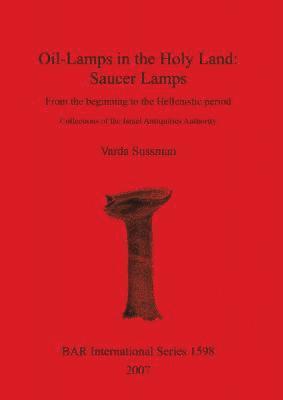
Oil-Lamps in the Holy Land: Saucer Lamps
From the beginning to the Hellenistic period. Collections of the Israel Antiquities Authority
Häftad, Engelska, 2007
1 993 kr
Skickas inom 5-8 vardagar
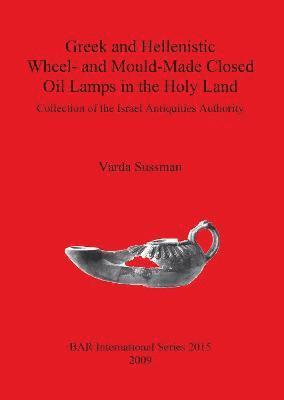
Greek and Hellenistic Wheel and Mould Made Closed Oil Lamps in the Holy Land
Collection of the Israel Antiquities Authority
Häftad, Engelska, 2009
861 kr
Skickas inom 5-8 vardagar
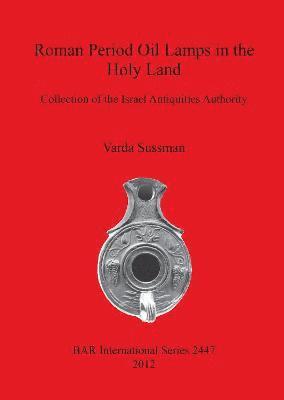
Roman Period Oil Lamps in the Holy Land
Collection of the Israel Antiquities Authority
Häftad, Engelska, 2012
1 770 kr
Skickas inom 5-8 vardagar
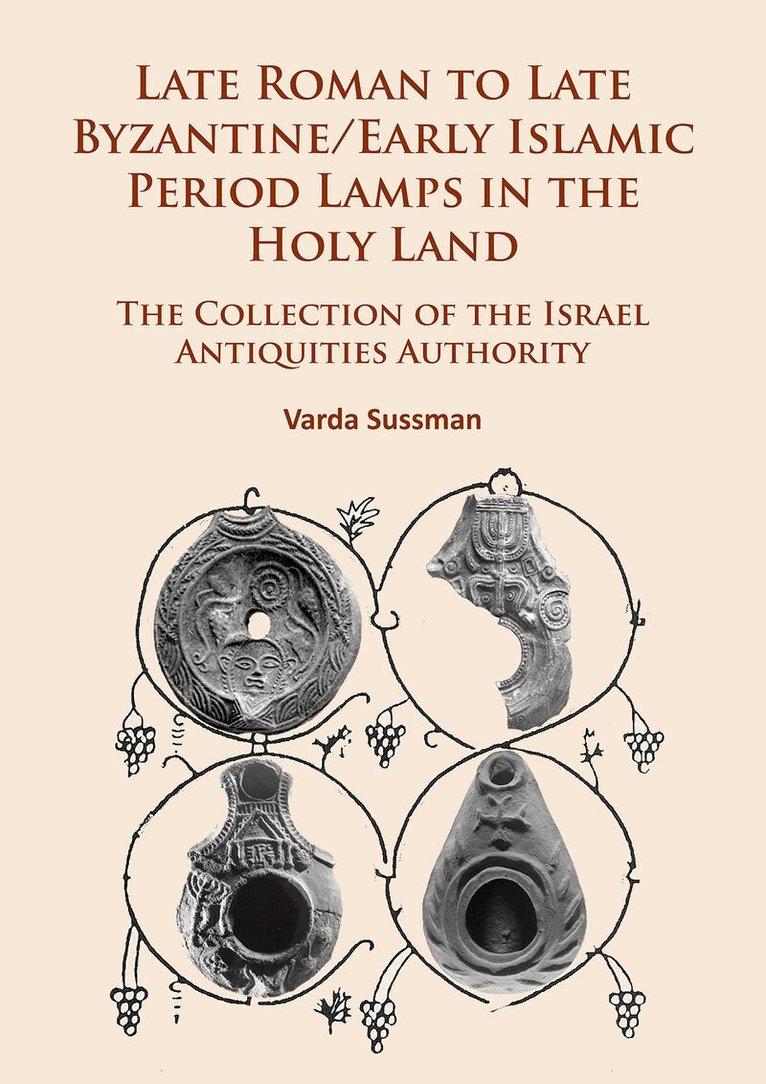
Late Roman to Late Byzantine/Early Islamic Period Lamps in the Holy Land
The Collection of the Israel Antiquities Authority
Häftad, Engelska, 2017
1 054 kr
Skickas
This volume illustrates lamps from the Byzantine period excavated in the Holy Land and demonstrates the extent of their development since the first enclosing/capturing of light (fire) within a portable man-made vessel. Lamps, which held important material and religious functions during daily life and the afterlife, played a large role in conveying art and cultural and political messages through the patterns chosen to decorate them. These cultural, or even more their religious affinities, were chosen to be delivered on lamps (not on other vessels) more than ever during the Byzantine period; these small portable objects were used to ‘promote’ beliefs like the ‘press’ of today. Each cultural group marked the artifacts / lamps with its symbols, proverbs from the Old and New Testaments, and this process throws light on the deep rivalry between them in this corner of the ancient world. The great variety of lamps dealt with in this volume, arranged according to their various regions of origin, emphasizes their diversity, and probably local workshop manufacture, and stands in contrast to such a small country without any physical geographic barriers to cross, only mental ones (and where one basket of lamps could satisfy the full needs of the local population). The lamps of the Byzantine period reflect the era and the struggle in the cradle of the formation of the four leading faiths and cultures: Judaism (the oldest), Samaritanism (derived from the Jewish faith), newly-born Christianity – all three successors to the existing former pagan culture – and the last, Islam, standing on a new threshold. Unlike during the former Greek and Roman periods of rule, the land of Israel during the Byzantine period did not really have a central government or authority. The variety of the oil lamps, their order and place of appearance during the Byzantine period can be described as a ‘symphony played by a self-conducted orchestra, where new soloists rise and add a different motet, creating stormy music that expresses the rhythm of the era’. This volume, like the author’s earlier books on this subject, is intended to create a basis for further study and evaluation of the endless aspects that lamps bring to light and which are beyond the capacity of any single scholar.
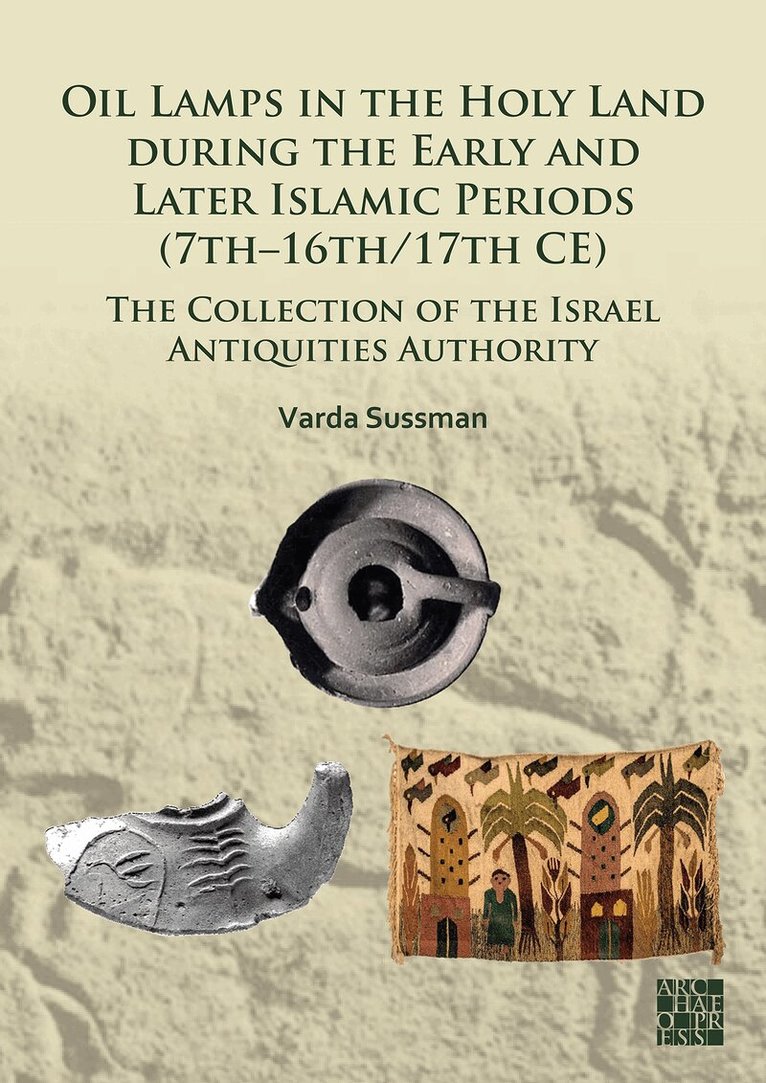
Oil Lamps in the Holy Land during the Early and Later Islamic Periods (7th–16th/17th CE)
The Collection of the Israel Antiquities Authority
Häftad, Engelska, 2025
979 kr
Skickas
This volume is the last in a comprehensive catalogue of oil lamps in the collection of the Israel Antiquities Authority. It considers the final stage of development in the shaping and decoration of pottery lamps, drawing from earlier forms to gradually become distinct lamps in their own right while retaining characteristics of their forerunners. The change of shape from a saucer to a small closed lamp was subject to both western and eastern influences and guided the local workshops for the next thousand years. The lamps of the Islamic period clearly demonstrate this continuity, incorporating the ethnic and cultural changes among Jews, Samaritans, Christians, and Muslims in the Holy Land.This is readily discernible in the Islamic period, when lamp production throughout the country became 'culturally' unified, as expressed by the general avoidance of depicting ethnic symbols. The lamps from the Islamic period are easily recognizable by their linear style of decoration (no relief, the avoidance of figural art). The acceptance of the shape of these lamps and their division into sections with a central pattern (the decorated 'channel') – suggested here as a Christian means of perceiving the lamp and its light as a divine vessel – was now further adapted through the pattern along the center of the 'nozzle' under the wick hole, rendering the torch from which the flame/light emanated (or the shrine and hanging lamp (the wick hole) beneath the lamp’s vault) as an integral part of the pattern resting on the filling hole.