V.C. Baligar - Böcker
Visar alla böcker från författaren V.C. Baligar. Handla med fri frakt och snabb leverans.
4 produkter
4 produkter
10 386 kr
Skickas inom 10-15 vardagar
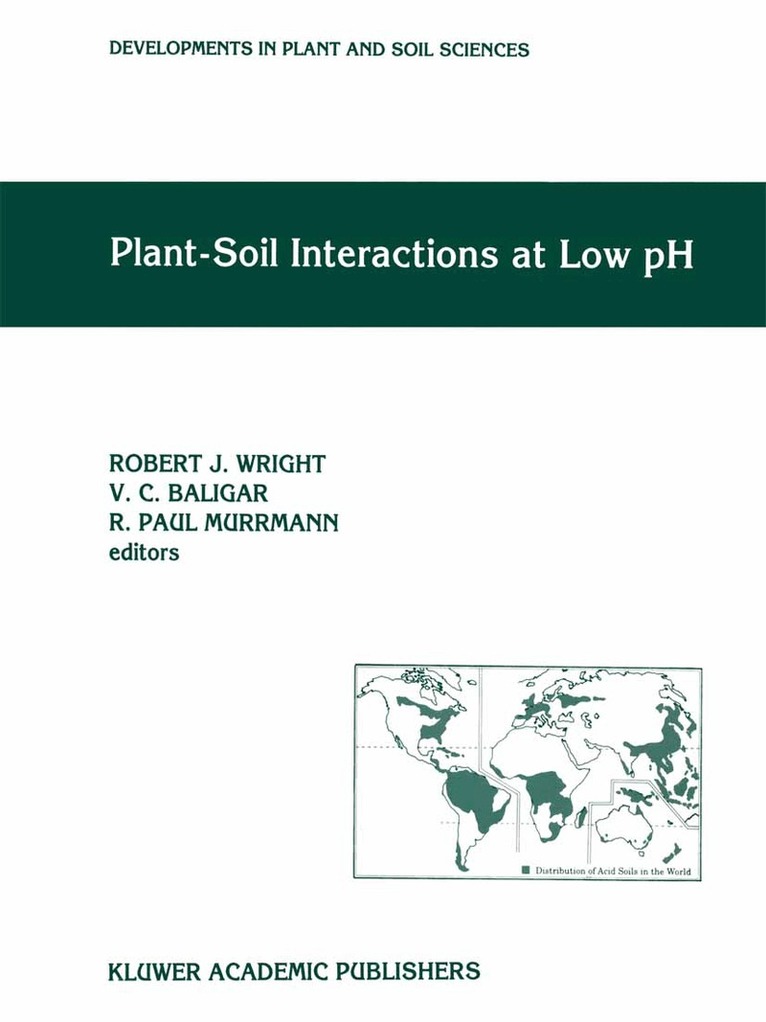
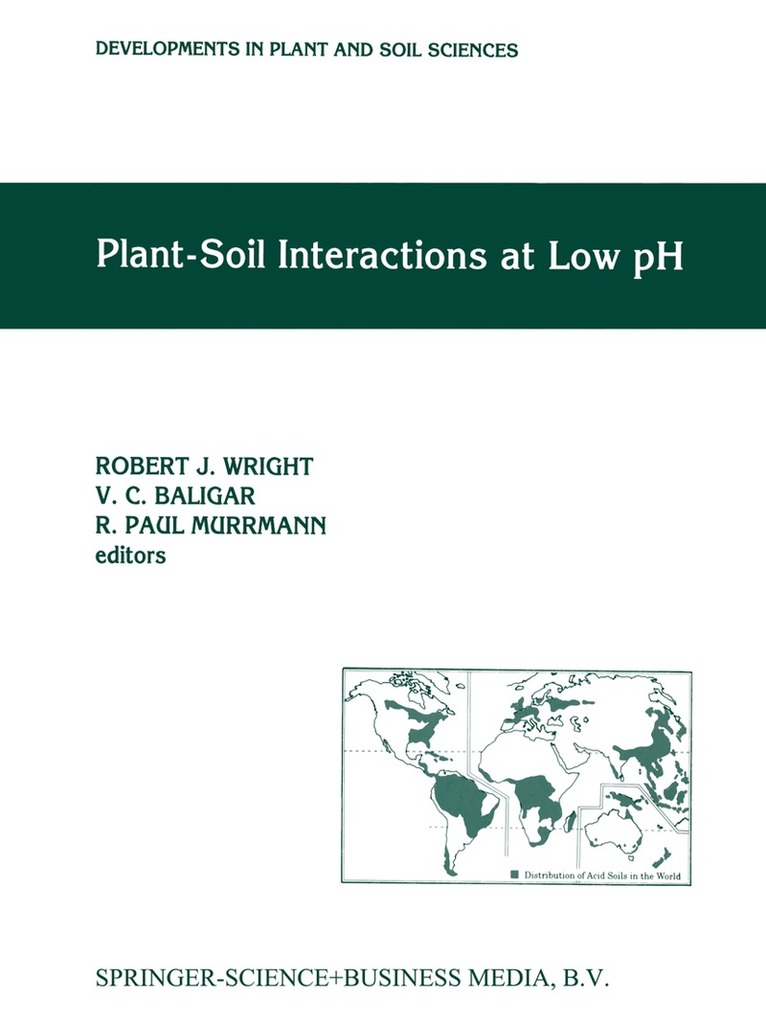
Soil acidity is a major limitation to crop production in many parts of the world. Plant growth inhibition results from a combination of factors, including aluminum, manganese, and hydrogen ion toxicities and deficiencies of essential elements, particularly calcium, magnesium, phosphorus, and molybdenum. Agricultural management practices and acid precipitation have increased acid inputs into the ecosystem and heightened concern about soil acidity problems. While application of lime has proved to be effective in ameliorating surface soil acidity in many areas, significant soil acidity problems still exist. Scientists from Alberta, Canada, recognized the need to provide a forum for researchers from different disciplines to exchange information and ideas on solving problems of plant growth in acid soils. As a result of their efforts, the First International Symposium on Plant-Soil Interactions at Low pH was held at Grande Prairie, Alberta, Canada, in July 1987. In many acid soil areas, liming materials are not readily available, the cost may be prohibitive, or subsoil acidity cannot be corrected by surface application of lime. New management approaches involving both the plant and the soil are needed in these situations. Progress has been made in the selection and breeding of acid-tolerant plants. However, continued progress will be limited by our lack of understanding of the physiological and biochemical basis of differential acidity tolerance among plants.
1 630 kr
Skickas inom 10-15 vardagar
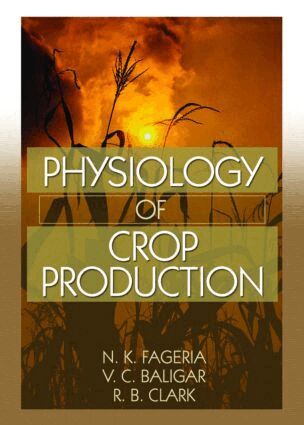
This single volume explores the theoretical and the practical aspects of crop physiological processes around the world The marked decrease over the past century in the land available for crop production has brought about mounting pressure to increase crop yields, especially in developing nations. Physiology of Crop Production provides cutting-edge research and data for complete coverage of the physiology of crop production, all in one source, right at your fingertips. This valuable reference gives the extensive in-depth information soil and crop professionals need to maximize crop productivity anywhere the world. Leading soil and plant scientists and researchers clearly explain theory, practical applications, and the latest advances in the field.Crop physiology is a vital science needed to understand crop growth and development to facilitate increases of plant yield. Physiology of Crop Production presents a wide range of information and references from varying regions of the world to make the book as complete and broadly focused as possible. Discussion in each chapter is supported by experimental data to make this book a superb resource that will be used again and again. Chapter topics include plant and root architecture, growth and yield components, photosynthesis, source-sink relationship, water use efficiency, crop yield relative to water stress, and active and passive ion transport. Several figures and tables accompany the extensive referencing to provide a detailed, in-depth look at every facet of crop production.Physiology of Crop Production explores management strategies for:ideal plant architecture maximizing root systems ideal yield components maximizing photosynthesis maximizing source-sink relationship sequestration of carbon dioxide reducing the effects of drought improving N, P, K, Ca, Mg, and S nutrition improving micronutrient uptake Physiology of Crop Production is an essential desktop resource for plant physiologists, soil and crop scientists, breeders, agronomists, agronomy administrators in agro-industry, educators, and upper-level undergraduate and graduate students.
935 kr
Skickas inom 10-15 vardagar
This single volume explores the theoretical and the practical aspects of crop physiological processes around the world The marked decrease over the past century in the land available for crop production has brought about mounting pressure to increase crop yields, especially in developing nations. Physiology of Crop Production provides cutting-edge research and data for complete coverage of the physiology of crop production, all in one source, right at your fingertips. This valuable reference gives the extensive in-depth information soil and crop professionals need to maximize crop productivity anywhere the world. Leading soil and plant scientists and researchers clearly explain theory, practical applications, and the latest advances in the field.Crop physiology is a vital science needed to understand crop growth and development to facilitate increases of plant yield. Physiology of Crop Production presents a wide range of information and references from varying regions of the world to make the book as complete and broadly focused as possible. Discussion in each chapter is supported by experimental data to make this book a superb resource that will be used again and again. Chapter topics include plant and root architecture, growth and yield components, photosynthesis, source-sink relationship, water use efficiency, crop yield relative to water stress, and active and passive ion transport. Several figures and tables accompany the extensive referencing to provide a detailed, in-depth look at every facet of crop production.Physiology of Crop Production explores management strategies for:ideal plant architecture maximizing root systems ideal yield components maximizing photosynthesis maximizing source-sink relationship sequestration of carbon dioxide reducing the effects of drought improving N, P, K, Ca, Mg, and S nutrition improving micronutrient uptake Physiology of Crop Production is an essential desktop resource for plant physiologists, soil and crop scientists, breeders, agronomists, agronomy administrators in agro-industry, educators, and upper-level undergraduate and graduate students.
Plant-Soil Interactions at Low pH
Proceedings of the Second International Symposium on Plant-Soil Interactions at Low pH, 24–29 June 1990, Beckley West Virginia, USA
Häftad, Engelska, 2012
5 234 kr
Skickas inom 10-15 vardagar
Soil acidity is a major limitation to crop production in many parts of the world. Plant growth inhibition results from a combination of factors, including aluminum, manganese, and hydrogen ion toxicities and deficiencies of essential elements, particularly calcium, magnesium, phosphorus, and molybdenum. Agricultural management practices and acid precipitation have increased acid inputs into the ecosystem and heightened concern about soil acidity problems. While application of lime has proved to be effective in ameliorating surface soil acidity in many areas, significant soil acidity problems still exist. Scientists from Alberta, Canada, recognized the need to provide a forum for researchers from different disciplines to exchange information and ideas on solving problems of plant growth in acid soils. As a result of their efforts, the First International Symposium on Plant-Soil Interactions at Low pH was held at Grande Prairie, Alberta, Canada, in July 1987. In many acid soil areas, liming materials are not readily available, the cost may be prohibitive, or subsoil acidity cannot be corrected by surface application of lime. New management approaches involving both the plant and the soil are needed in these situations. Progress has been made in the selection and breeding of acid-tolerant plants. However, continued progress will be limited by our lack of understanding of the physiological and biochemical basis of differential acidity tolerance among plants.