Veena Das - Böcker
Visar alla böcker från författaren Veena Das. Handla med fri frakt och snabb leverans.
20 produkter
20 produkter
348 kr
Skickas inom 7-10 vardagar
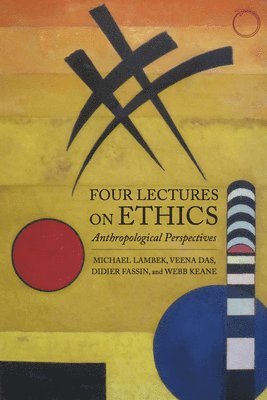
Anthropology has recently seen a lively interest in the subject of ethics and comparative notions of morality and freedom. This masterclass brings together four of the most eminent anthropologists working in this field-Michael Lambek, Veena Das, Didier Fassin, and Webb Keane-to discuss, via lectures and responses, important topics facing anthropological ethics and the theoretical debates that surround it. The authors explore the ways we understand morality across many different cultural settings, asking questions such as: How do we recognize the ethical in different ethnographic worlds? What constitutes agency and awareness in everyday life? What might an anthropology of ordinary ethics look like? And what happens when ethics approaches the political in both Western and non-Western societies. Contrasting perspectives and methods-and yet in complimentary ways-this masterclass will serve as an essential guide for how an anthropology of ethics can be formulated in the twenty-first century.
1 951 kr
Skickas inom 11-20 vardagar
The Handbook of South Asian Culture and Society examines key issues in the field. Written by experts in their respective areas, this Handbook introduces the reader to the main concepts of culture and society in the South Asian context.
282 kr
Skickas inom 7-10 vardagar
"Social suffering" takes in the human consequences of war, famine, depression, disease, torture--the whole assemblage of human problems that result from what political, economic, and institutional power does to people--and also human responses to social problems as they are influenced by those forms of power. In the same way that the notion of social suffering breaks down boundaries between specific scholarly disciplines, this cross-disciplinary investigation allows us to see the twentieth century in a new frame, with new emphases. Anthropologists, historians, literary theorists, social medicine experts, and scholars engaged in the study of religion join together to investigate the cultural representations, collective experiences, and professional and popular appropriations of human suffering in the world today. These authors contest traditional research and policy approaches. Recognizing that neither the cultural resources of tradition nor those of modernity's various programs seem adequate to cope with social suffering in our times, they base their distinctive vision on the understanding that moral, political, and medical issues cannot be kept separate.
274 kr
Skickas inom 7-10 vardagar
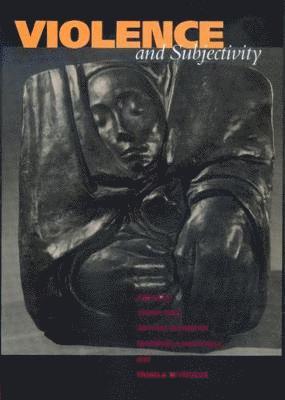
The essays in "Violence and Subjectivity", written by a distinguished international roster of contributors, consider the ways in which violence shapes subjectivity and acts upon people's capacity to engage everyday life. Like its predecessor volume, "Social Suffering", which explored the different ways social force inflicts harm on individuals and groups, this collection ventures into many areas of ongoing violence, asking how people live with themselves and others when perpetrators, victims, and witnesses all come from the same social space. From civil wars and ethnic riots to governmental and medical interventions at a more bureaucratic level, the authors address not only those extreme situations guaranteed to occupy precious media minutes but also the more subtle violences of science and state. However particular and circumscribed the site of any fieldwork may be, today's ethnographer finds local identities and circumstances molded by state and transnational forces, including the media themselves.These authors contest a new political geography that divides the world into 'violence-prone areas' and 'peaceful areas' and suggest that such descriptions might themselves contribute to violence in the present global context.
577 kr
Skickas inom 3-6 vardagar
Remaking a World completes a triptych of volumes on social suffering, violence, and recovery. Social Suffering, the first volume, deals with sources and major forms of social adversity, with an emphasis on political violence. The second, Violence and Subjectivity, contains graphic accounts of how collective experience of violence can alter individual subjectivity. This third volume explores the ways communities "cope" with--endure, work through, break apart under, transcend--traumatic and other more insidious forms of violence, addressing the effects of violence at the level of local worlds, interpersonal relations, and individual lives. The authors highlight the complex relationship between recognition of suffering in the public sphere and experienced suffering in people's everyday lives. Rich in local detail, the book's comparative ethnographies bring out both the recalcitrance of tragedy and the meaning of healing in attempts to remake the world.
282 kr
Skickas inom 7-10 vardagar
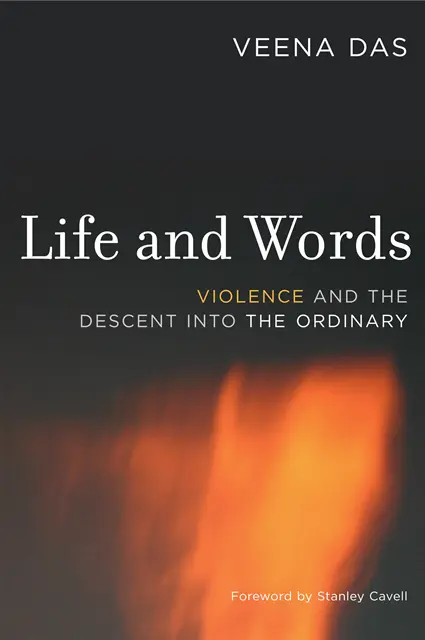
In this powerful, compassionate work, one of anthropology's most distinguished ethnographers weaves together rich fieldwork with a compelling critical analysis in a book that will surely make a signal contribution to contemporary thinking about violence and how it affects everyday life. Veena Das examines case studies including the extreme violence of the Partition of India in 1947 and the massacre of Sikhs in 1984 after the assassination of then Prime Minister Indira Gandhi. In a major departure from much anthropological inquiry, Das asks how this violence has entered 'the recesses of the ordinary' instead of viewing it as an interruption of life to which we simply bear witness. Das engages with anthropological work on collective violence, rumor, sectarian conflict, new kinship, and state and bureaucracy as she embarks on a wide-ranging exploration of the relations among violence, gender, and subjectivity. Weaving anthropological and philosophical reflections on the ordinary into her analysis, Das points toward a new way of interpreting violence in societies and cultures around the globe.The book will be indispensable reading across disciplinary boundaries as we strive to better understand violence, especially as it is perpetrated against women.
1 384 kr
Skickas inom 7-10 vardagar
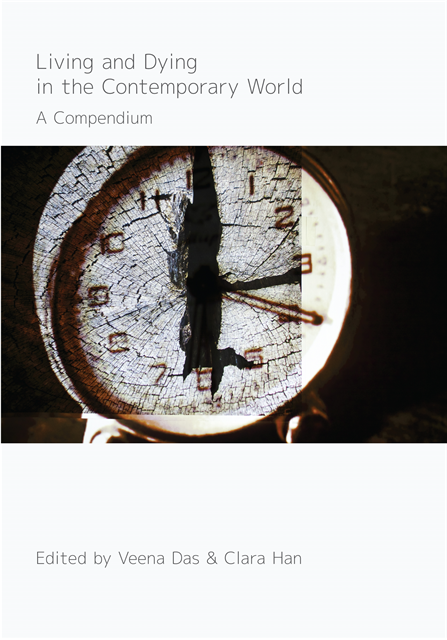
Taking a novel approach to the contradictory impulses of violence and care, illness and healing, this book radically shifts the way we think of the interrelations of institutions and experiences in a globalizing world. Living and Dying in the Contemporary World is not just another reader in medical anthropology but a true tour de force - a deep exploration of all that makes life unbearable and yet livable through the labor of ordinary people. This book comprises forty-four chapters by scholars whose ethnographic and historical work is conducted around the globe, including South Asia, East Asia, Latin America, Africa, the Middle East, Europe, and the United States. Bringing together the work of established scholars with the vibrant voices of younger scholars, Living and Dying in the Contemporary World will appeal to anthropologists, sociologists, health scientists, scholars of religion, and all who are curious about how to relate to the rapidly changing institutions and experiences in an ever more connected world.
2 185 kr
Skickas inom 3-6 vardagar
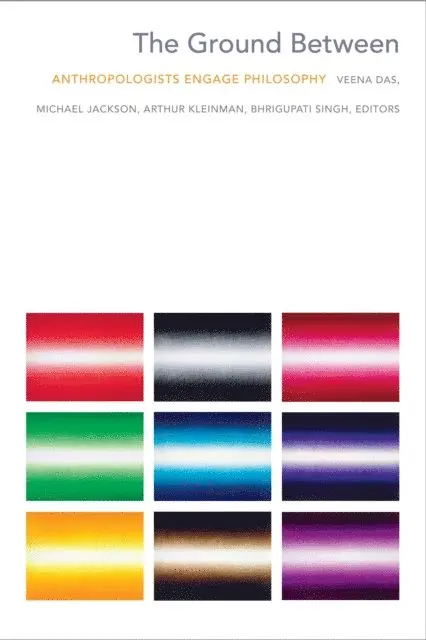
The guiding inspiration of this book is the attraction and distance that mark the relation between anthropology and philosophy. This theme is explored through encounters between individual anthropologists and particular regions of philosophy. Several of the most basic concepts of the discipline-including notions of ethics, politics, temporality, self and other, and the nature of human life-are products of a dialogue, both implicit and explicit, between anthropology and philosophy. These philosophical undercurrents in anthropology also speak to the question of what it is to experience our being in a world marked by radical difference and otherness. In The Ground Between, twelve leading anthropologists offer intimate reflections on the influence of particular philosophers on their way of seeing the world, and on what ethnography has taught them about philosophy. Ethnographies of the mundane and the everyday raise fundamental issues that the contributors grapple with in both their lives and their thinking. With directness and honesty, they relate particular philosophers to matters such as how to respond to the suffering of the other, how concepts arise in the give and take of everyday life, and how to be attuned to the world through the senses. Their essays challenge the idea that philosophy is solely the province of professional philosophers, and suggest that certain modalities of being in the world might be construed as ways of doing philosophy.Contributors. JoÃo Biehl, Steven C. Caton, Vincent Crapanzano, Veena Das, Didier Fassin, Michael M. J. Fischer, Ghassan Hage, Clara Han, Michael Jackson, Arthur Kleinman, Michael Puett, Bhrigupati Singh
415 kr
Skickas inom 7-10 vardagar
The guiding inspiration of this book is the attraction and distance that mark the relation between anthropology and philosophy. This theme is explored through encounters between individual anthropologists and particular regions of philosophy. Several of the most basic concepts of the discipline-including notions of ethics, politics, temporality, self and other, and the nature of human life-are products of a dialogue, both implicit and explicit, between anthropology and philosophy. These philosophical undercurrents in anthropology also speak to the question of what it is to experience our being in a world marked by radical difference and otherness. In The Ground Between, twelve leading anthropologists offer intimate reflections on the influence of particular philosophers on their way of seeing the world, and on what ethnography has taught them about philosophy. Ethnographies of the mundane and the everyday raise fundamental issues that the contributors grapple with in both their lives and their thinking. With directness and honesty, they relate particular philosophers to matters such as how to respond to the suffering of the other, how concepts arise in the give and take of everyday life, and how to be attuned to the world through the senses. Their essays challenge the idea that philosophy is solely the province of professional philosophers, and suggest that certain modalities of being in the world might be construed as ways of doing philosophy.Contributors. JoÃo Biehl, Steven C. Caton, Vincent Crapanzano, Veena Das, Didier Fassin, Michael M. J. Fischer, Ghassan Hage, Clara Han, Michael Jackson, Arthur Kleinman, Michael Puett, Bhrigupati Singh
941 kr
Skickas inom 10-15 vardagar
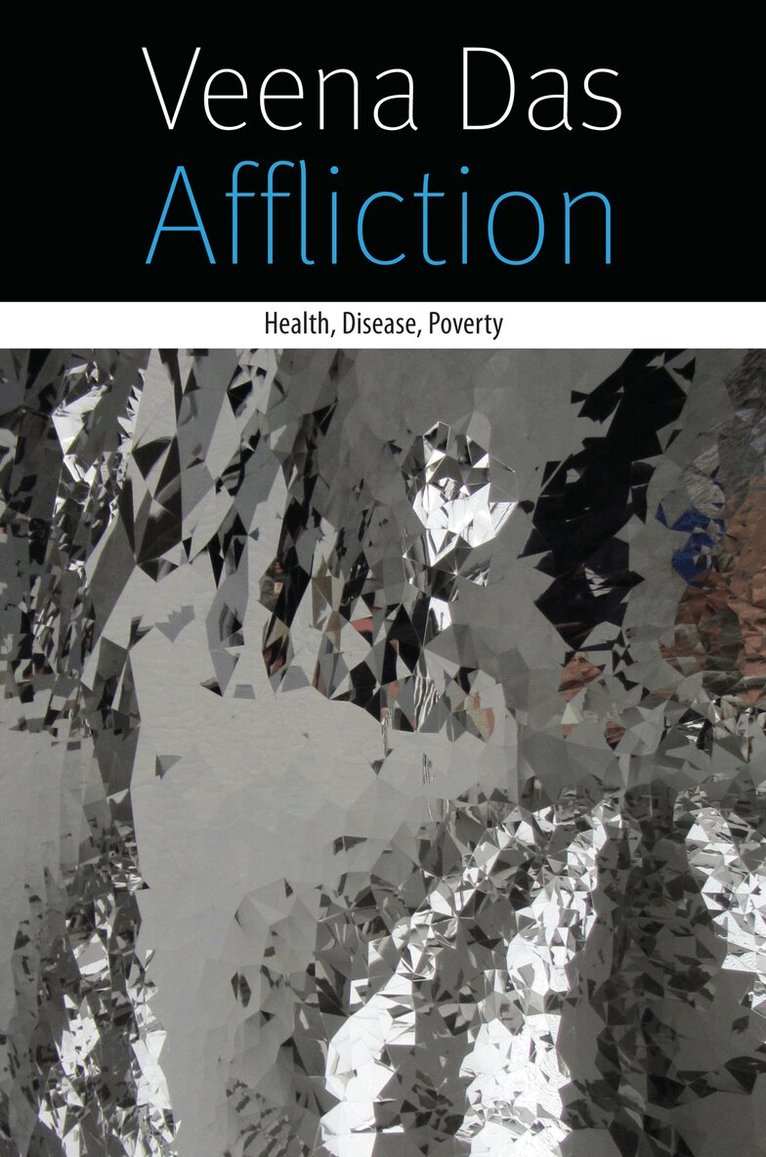
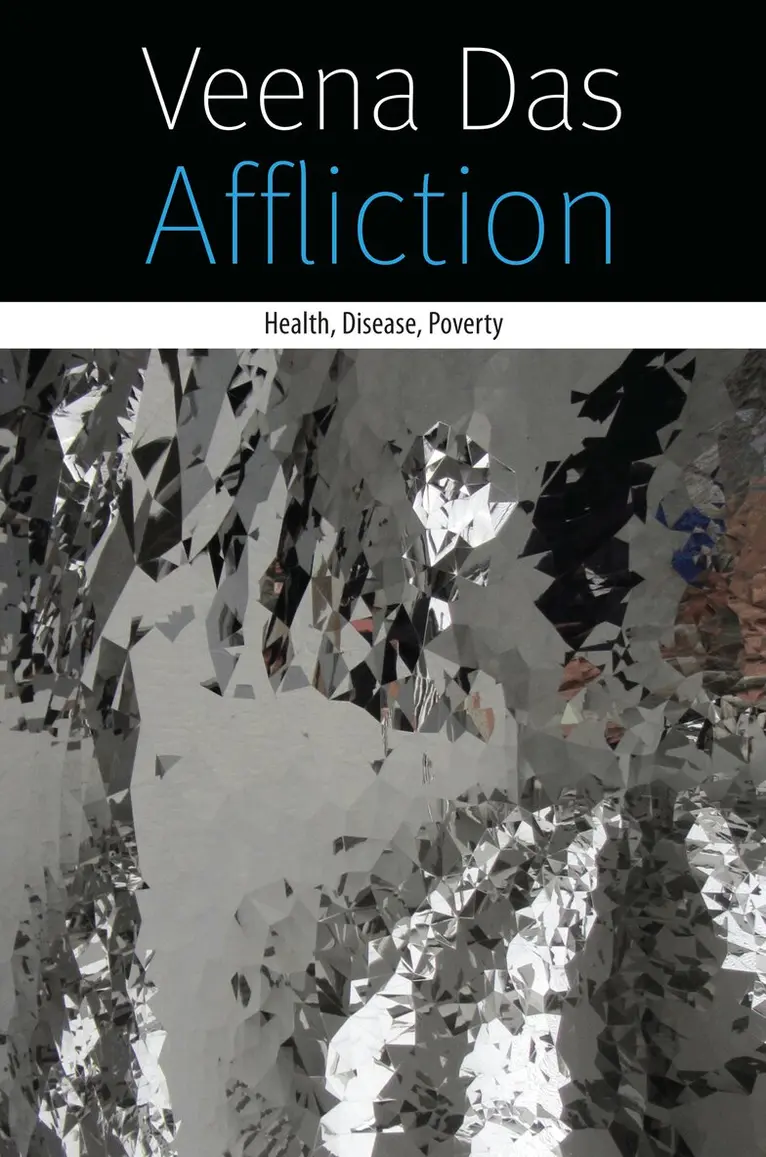
Affliction inaugurates a novel way of understanding the trajectories of health and disease in the context of poverty. Focusing on low-income neighborhoods in Delhi, it stitches together three different sets of issues.First, it examines the different trajectories of illness: What are the circumstances under which illness is absorbed within the normal and when does it exceed the normal—putting resources, relationships, and even one's world into jeopardy?A second set of issues involves how different healers understand their own practices. The astonishing range of practitioners found in the local markets in the poor neighborhoods of Delhi shows how the magical and the technical are knotted together in the therapeutic experience of healers and patients. The book asks: What is expert knowledge? What is it that the practitioner knows and what does the patient know? How are these different forms of knowledge brought together in the clinical encounter, broadly defined? How does this event of everyday life bear the traces of larger policies at the national and global levels?Finally, the book interrogates the models of disease prevalence and global programming that emphasize surveillance over care and deflect attention away from the specificities of local worlds. Yet the analysis offered retains an openness to different ways of conceptualizing "what is happening" and stimulates a conversation between different disciplinary orientations to health, disease, and poverty.Most studies of health and disease focus on the encounter between patient and practitioner within the space of the clinic. This book instead privileges the networks of relations, institutions, and knowledge over which the experience of illness is dispersed. Instead of thinking of illness as an event set apart from everyday life, it shows the texture of everyday life, the political economy of neighborhoods, as well as the dark side of care. It helps us see how illness is bound by the contexts in which it occurs, while also showing how illness transcends these contexts to say something about the nature of everyday life and the making of subjects.
305 kr
Skickas inom 7-10 vardagar
Affliction inaugurates a novel way of understanding the trajectories of health and disease in the context of poverty. Focusing on low-income neighborhoods in Delhi, it stitches together three different sets of issues.First, it examines the different trajectories of illness: What are the circumstances under which illness is absorbed within the normal and when does it exceed the normal—putting resources, relationships, and even one's world into jeopardy?A second set of issues involves how different healers understand their own practices. The astonishing range of practitioners found in the local markets in the poor neighborhoods of Delhi shows how the magical and the technical are knotted together in the therapeutic experience of healers and patients. The book asks: What is expert knowledge? What is it that the practitioner knows and what does the patient know? How are these different forms of knowledge brought together in the clinical encounter, broadly defined? How does this event of everyday life bear the traces of larger policies at the national and global levels?Finally, the book interrogates the models of disease prevalence and global programming that emphasize surveillance over care and deflect attention away from the specificities of local worlds. Yet the analysis offered retains an openness to different ways of conceptualizing "what is happening" and stimulates a conversation between different disciplinary orientations to health, disease, and poverty.Most studies of health and disease focus on the encounter between patient and practitioner within the space of the clinic. This book instead privileges the networks of relations, institutions, and knowledge over which the experience of illness is dispersed. Instead of thinking of illness as an event set apart from everyday life, it shows the texture of everyday life, the political economy of neighborhoods, as well as the dark side of care. It helps us see how illness is bound by the contexts in which it occurs, while also showing how illness transcends these contexts to say something about the nature of everyday life and the making of subjects.
413 kr
Skickas inom 7-10 vardagar
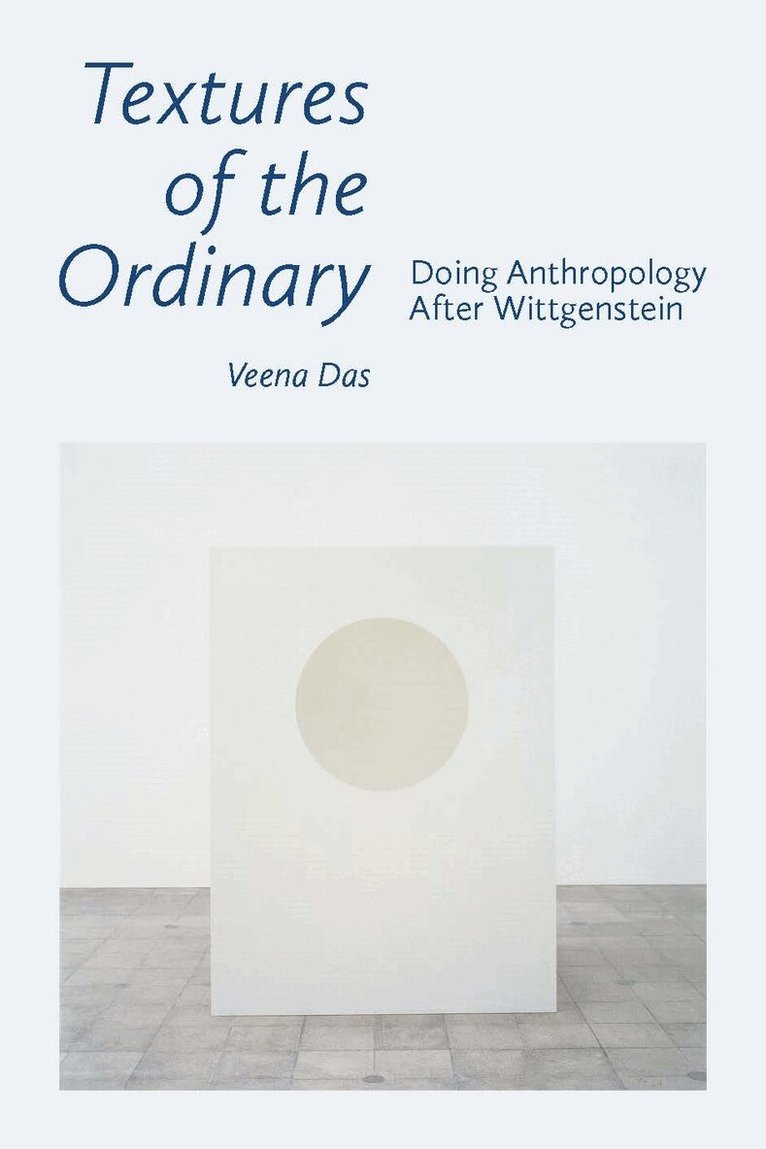
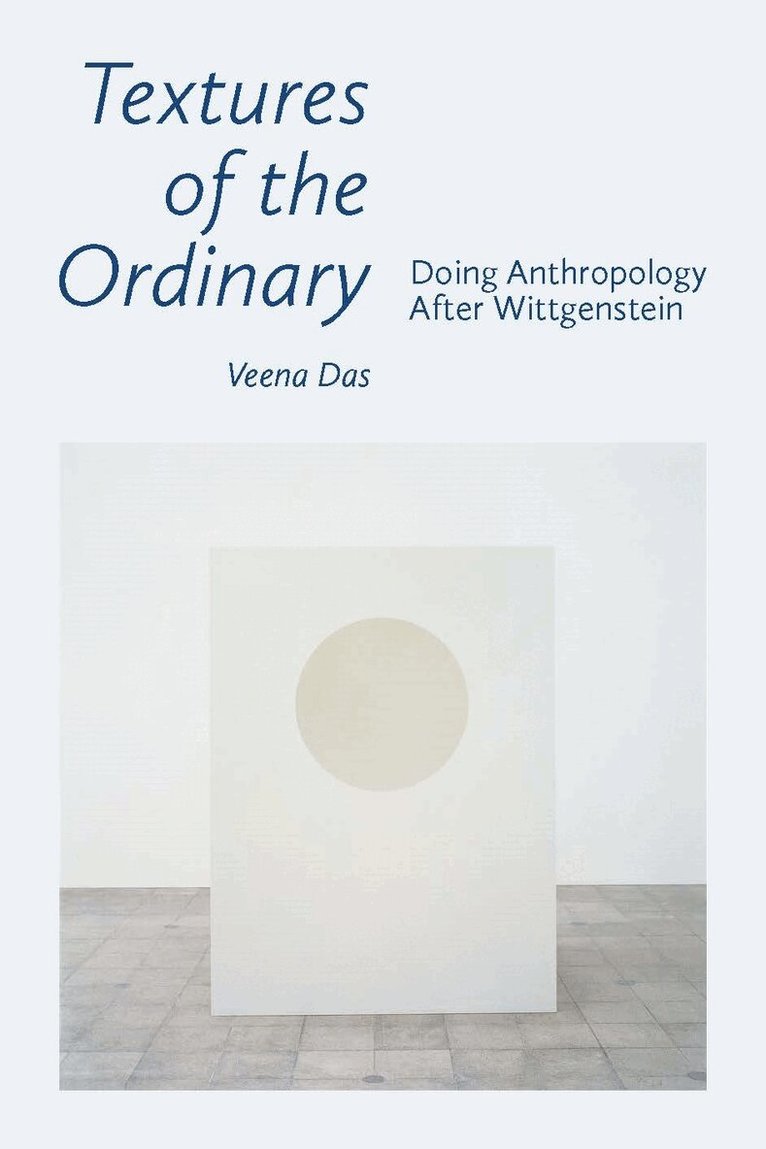
How might we speak of human life amid violence, deprivation, or disease so intrusive as to put the idea of the human into question? How can scholarship and advocacy address new forms of war or the slow, corrosive violence that belie democracy's promise to mitigate human suffering? To Veena Das, the answers to these question lie not in foundational ideas about human nature but in a close attention to the diverse ways in which the natural and the social mutually absorb each other on a daily basis. Textures of the Ordinary shows how anthropology finds a companionship with philosophy in the exploration of everyday life. Based on two decades of ethnographic work among low-income urban families in India, Das shows how the notion of texture aligns ethnography with the anthropological tone in Wittgenstein and Cavell, as well as in literary texts. Das shows that doing anthropology after Wittgenstein does not consist in taking over a new set of terms such as forms of life, language games, or private language from Wittgenstein's philosophy. Instead, we must learn to see what eludes us in the everyday precisely because it is before our eyes. The book shows different routes of return to the everyday as it is corroded not only by catastrophic events but also by repetitive and routine violence within everyday life itself. As an alternative to normative ethics, this book develops ordinary ethics as attentiveness to the other and as the ability of small acts of care to stand up to horrific violence.Textures of the Ordinary offers a model of thinking in which concepts and experience are shown to be mutually vulnerable. With questions returned to repeatedly throughout the text and over a lifetime, this book is an intellectually intimate invitation into the ordinary, that which is most simple yet most difficult to perceive in our lives.
1 518 kr
Skickas inom 10-15 vardagar
How might we speak of human life amid violence, deprivation, or disease so intrusive as to put the idea of the human into question? How can scholarship and advocacy address new forms of war or the slow, corrosive violence that belie democracy's promise to mitigate human suffering? To Veena Das, the answers to these question lie not in foundational ideas about human nature but in a close attention to the diverse ways in which the natural and the social mutually absorb each other on a daily basis. Textures of the Ordinary shows how anthropology finds a companionship with philosophy in the exploration of everyday life. Based on two decades of ethnographic work among low-income urban families in India, Das shows how the notion of texture aligns ethnography with the anthropological tone in Wittgenstein and Cavell, as well as in literary texts. Das shows that doing anthropology after Wittgenstein does not consist in taking over a new set of terms such as forms of life, language games, or private language from Wittgenstein's philosophy. Instead, we must learn to see what eludes us in the everyday precisely because it is before our eyes. The book shows different routes of return to the everyday as it is corroded not only by catastrophic events but also by repetitive and routine violence within everyday life itself. As an alternative to normative ethics, this book develops ordinary ethics as attentiveness to the other and as the ability of small acts of care to stand up to horrific violence.Textures of the Ordinary offers a model of thinking in which concepts and experience are shown to be mutually vulnerable. With questions returned to repeatedly throughout the text and over a lifetime, this book is an intellectually intimate invitation into the ordinary, that which is most simple yet most difficult to perceive in our lives.
209 kr
Skickas inom 7-10 vardagar
Jeanne Favret-Saada is arguably one of France's most brilliant anthropologists, and The Anti-Witch is nothing less than a masterpiece. A synthesis of ethnographic theory and psychoanalytic revelation, where the line between researcher and subject is blurred - if not erased - The Anti-Witch develops the contours of an anthropology of therapy, while deeply engaging with what it means to be caught in the logic of witchcraft. Through an intimate and provocative sharing of the ethnographic voice with Madame Flora, a "dewitcher," Favret-Saada delivers a critical challenge to some of anthropology's fundamental concepts. Sure to be of interest to practitioners of psychoanalysis as well as to anthropologists, The Anti-Witch will bring a new generation of scholars into conversation with the work of a truly innovative thinker.
1 138 kr
Skickas inom 7-10 vardagar
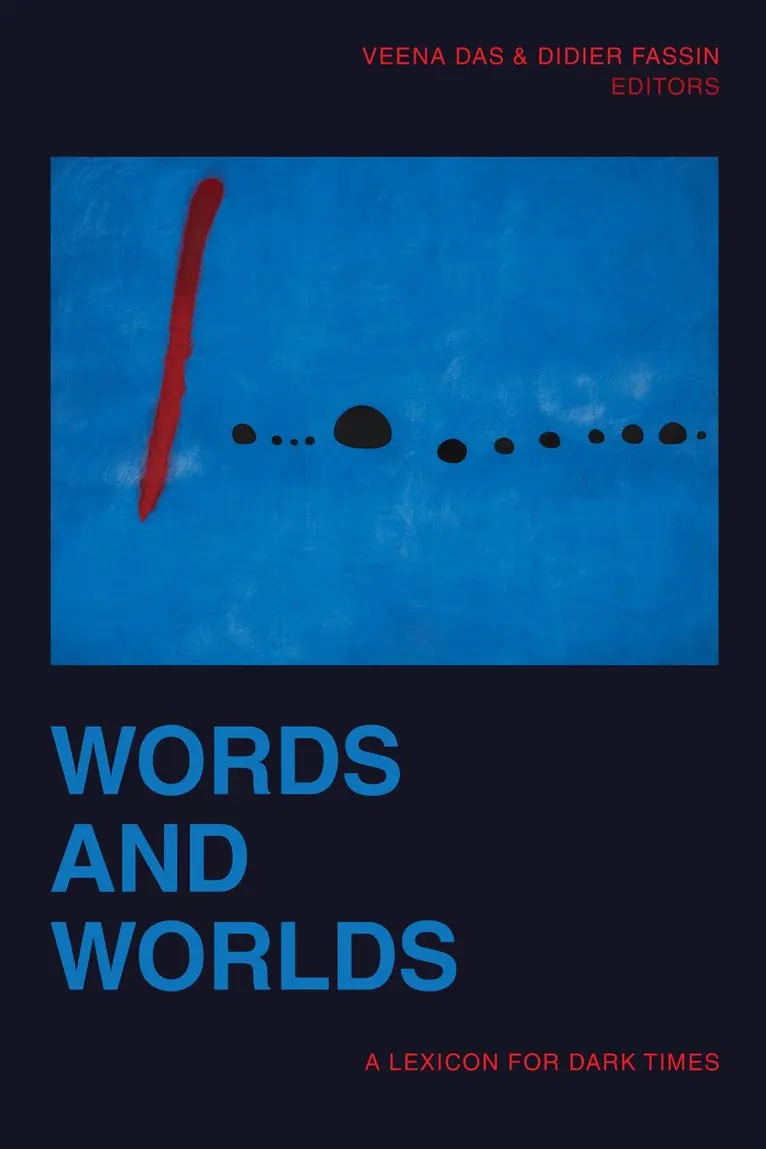
Born in a time of anxiety, Words and Worlds examines some of the disquieting challenges that societies now face. Through an inquiry into a political lexicon of commonsense words, ranging from democracy and revolution to knowledge and authority, from inequality and toleration to war and power, the contributors to this book trouble the self-evidence of these terms, bringing into view the hidden transcripts and unexpected trajectories of many settled ideas, such as the human sense of belonging or the call for openness and transparency in research and public life. The case studies conducted over five continents with the tools of eight different disciplines challenge the ethnocentric assumptions, false moralism, and cultural prejudices that underlie much discussion on corruption or even the virtue invested in resilience. The critique of the ubiquitous use of crisis to characterize our times shows how this framing obscures the unjust conditions of existence and the violence of everyday life. Together the essays in this volume offer a fresh look at the deeply connected worlds we inhabit in solidarity and in discord.Contributors. Banu Bargu, Veena Das, Alex de Waal, Didier Fassin, Peter Geschiere, Behrooz Ghamari-Tabrizi, Caroline Humphrey, Ravi Kanbur, Julieta Lemaitre, Uday S. Mehta, Jan-Werner MÜller, Jonathan Pugh, Elizabeth F. Sanders, Todd Sanders
296 kr
Skickas inom 7-10 vardagar
Born in a time of anxiety, Words and Worlds examines some of the disquieting challenges that societies now face. Through an inquiry into a political lexicon of commonsense words, ranging from democracy and revolution to knowledge and authority, from inequality and toleration to war and power, the contributors to this book trouble the self-evidence of these terms, bringing into view the hidden transcripts and unexpected trajectories of many settled ideas, such as the human sense of belonging or the call for openness and transparency in research and public life. The case studies conducted over five continents with the tools of eight different disciplines challenge the ethnocentric assumptions, false moralism, and cultural prejudices that underlie much discussion on corruption or even the virtue invested in resilience. The critique of the ubiquitous use of crisis to characterize our times shows how this framing obscures the unjust conditions of existence and the violence of everyday life. Together the essays in this volume offer a fresh look at the deeply connected worlds we inhabit in solidarity and in discord.Contributors. Banu Bargu, Veena Das, Alex de Waal, Didier Fassin, Peter Geschiere, Behrooz Ghamari-Tabrizi, Caroline Humphrey, Ravi Kanbur, Julieta Lemaitre, Uday S. Mehta, Jan-Werner MÜller, Jonathan Pugh, Elizabeth F. Sanders, Todd Sanders
554 kr
Skickas inom 10-15 vardagar
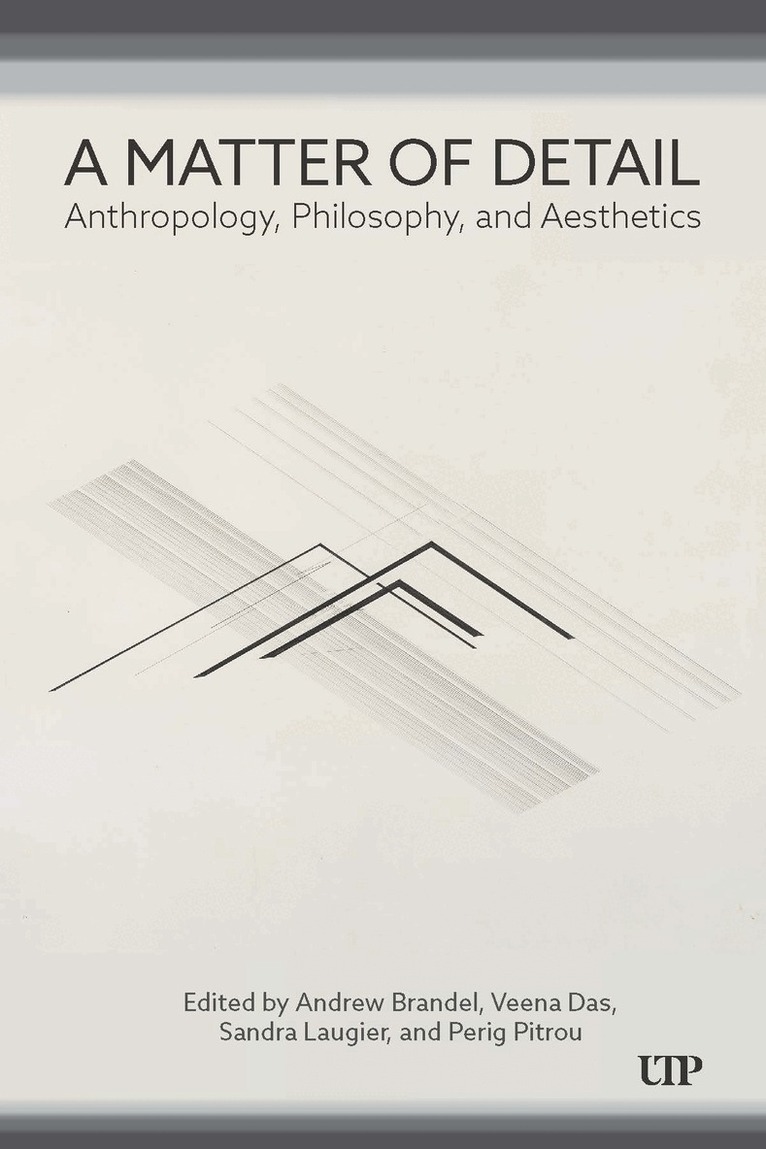
A Matter of Detail inspires new ways of thinking about detail by bringing anthropology, philosophy, art history, and aesthetics into direct conversation. Co-editors Brandel, Das, Laugier, and Pitrou challenge a long-standing assumption that the history of detail begins with European modernity and follows a teleological course from an object of scorn to a sign of the good. In its place, they offer a history of attention to detail that draws on classical and vernacular histories and traditions found in grammar, ritual, and poetics around the world. Emphasizing detail as a method and moving between its usage as a noun (detail) and a verb (detailing) enables them to tell stories about the reassembly of detail across accidents, contingencies, and unintended consequences.From this vantage, the book argues that details are not always small and insignificant. Rather, there is a dynamic relationship between the minute and the grand, detail and surface, which makes the proliferation of details threatening to the idea of an authoritative and integrated imagination of the whole. This expanded context generates ways of conceiving detail as a conceptual and moral mode of self-formation and being toward others, both human and non-human.
599 kr
Skickas inom 7-10 vardagar
This book examines the ways in which knowledge that is inordinate, excessive, and overwhelming comes to mark everyday life in low-income, poor neighborhoods in Delhi with crumbling infrastructures and pervasive violence. Based on long-term ethnography in these spaces, this book provides a detailed analysis of the institutions of the state, particularly of policing and law in India. It argues that catastrophic events at the national level and the techniques of governance through which they are handled secrete forms of knowing that get embedded into the nooks and crannies of everyday life, eroding trust, sowing suspicions, and leading to an exhaustion of capacity for care. Yet the paths to survival honed within these spaces generate critique that compels us to ask how punishment and torture become routinized in democracies. Following the paths of those who struggle with these questions in these neighborhoods, the book finds that deep philosophical questions, such as the inhuman as a possibility of the human rather than its boundary, arise in the weaves of these lives and are experienced as a dimension of the social.This book will be of great interest to students and scholars in anthropology and throughout the social sciences and humanities.
204 kr
Skickas inom 7-10 vardagar
This book examines the ways in which knowledge that is inordinate, excessive, and overwhelming comes to mark everyday life in low-income, poor neighborhoods in Delhi with crumbling infrastructures and pervasive violence. Based on long-term ethnography in these spaces, this book provides a detailed analysis of the institutions of the state, particularly of policing and law in India. It argues that catastrophic events at the national level and the techniques of governance through which they are handled secrete forms of knowing that get embedded into the nooks and crannies of everyday life, eroding trust, sowing suspicions, and leading to an exhaustion of capacity for care. Yet the paths to survival honed within these spaces generate critique that compels us to ask how punishment and torture become routinized in democracies. Following the paths of those who struggle with these questions in these neighborhoods, the book finds that deep philosophical questions, such as the inhuman as a possibility of the human rather than its boundary, arise in the weaves of these lives and are experienced as a dimension of the social.This book will be of great interest to students and scholars in anthropology and throughout the social sciences and humanities.
494 kr
Skickas inom 5-8 vardagar
The very form and reach of the modern state are changing radically under the pressure of globalization. Featuring nine of the leading scholars in the field, this innovative exploration of these transformations develops an ethnographic methodology and theoretical apparatus to assess perceptions of power in three regions where state reform and violence have been particularly dramatic: Africa, Latin America, and South Asia. Rather than a geographic border, the term "margin" describes areas far from the centers of state sovereignty in which states are unable to ensure implementation of their programs and policies. Understanding how people perceive and experience the agency of the state; who is of, and not of, the state; and how practices at the margins shape the state itself are central themes.Drawing on fieldwork in Sierra Leone, Sri Lanka, Peru, Guatemala, India, Chad, Colombia, and South Africa, the contributors examine official documentary practices and their forms and falsifications; the problems that highly mobile mercenaries, currency, goods, arms, and diamonds pose to the state; emerging non-state regulatory authorities; and the role language plays as cultures struggle to articulate their situation. These case studies provide wide-ranging analyses of the relationship between states and peoples on the edges of state power's effective reign.