Venus E. Evans-Winters - Böcker
Visar alla böcker från författaren Venus E. Evans-Winters. Handla med fri frakt och snabb leverans.
4 produkter
4 produkter
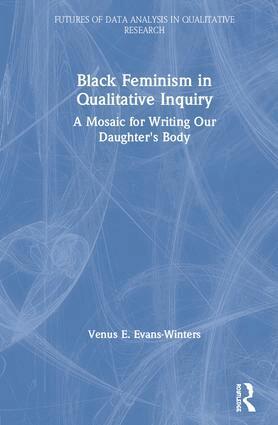
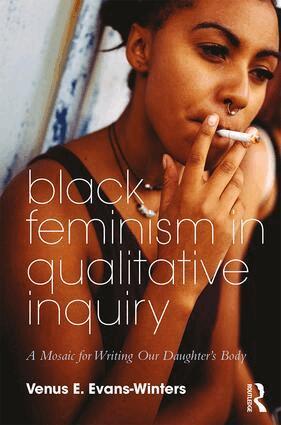
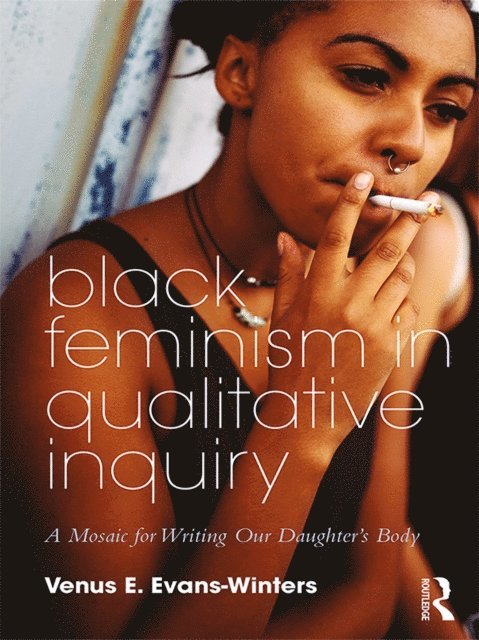
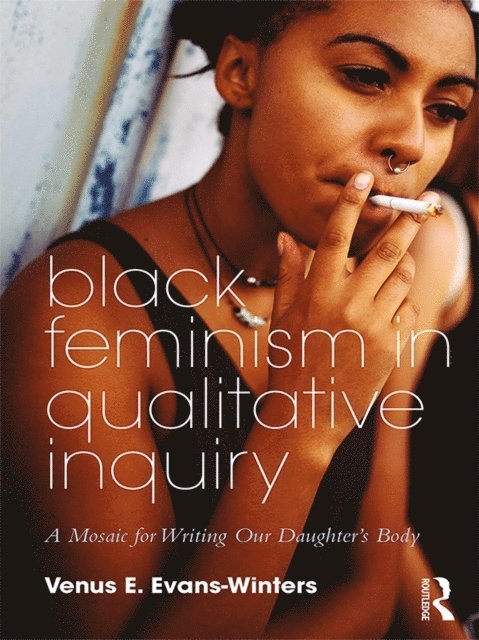
Black Feminism in Qualitative Inquiry
A Mosaic for Writing Our Daughter's Body
Inbunden, Engelska, 2019
2 113 kr
Skickas inom 10-15 vardagar
Recently, Black women have taken the world stage in national politics, popular culture, professional sports, and bringing attention to racial injustice in policing and the judicial system. However, rarely are Black women acknowledged and highlighted for their efforts to understand the social problems confronting our generation and those generations that came before us. In the post-civil rights era, research faculty and theoreticians must acknowledge the marginalization of Black women scholars’ voices in contemporary qualitative scholarship and debates. Black Feminism in Qualitative Inquiry: A Mosaic for Writing our Daughter's Body engages qualitative inquiry to center the issues and concerns of Black women as researcher(s) and the researched while simultaneously questioning the ostensible innocence of qualitative inquiry, including methods of data collection, processes of data analysis, and representations of human experiences and identities. The text centers "daughtering" as the onto-epistemological tool for approaches to Black feminist and critical race data analysis in qualitative inquiry. Advanced and novice researchers interested in decolonizing methodologies and liberatory tools of analysis will find the text useful for cultural, education, political, and racial critiques that center the intersectional identities and interpretations of Black women and girls and other people of color. Daughtering as a tool of analysis in Black feminist qualitative inquiry is our own cultural and spiritual way of being, doing, and performing decolonizing work.
578 kr
Skickas inom 10-15 vardagar
Recently, Black women have taken the world stage in national politics, popular culture, professional sports, and bringing attention to racial injustice in policing and the judicial system. However, rarely are Black women acknowledged and highlighted for their efforts to understand the social problems confronting our generation and those generations that came before us. In the post-civil rights era, research faculty and theoreticians must acknowledge the marginalization of Black women scholars’ voices in contemporary qualitative scholarship and debates. Black Feminism in Qualitative Inquiry: A Mosaic for Writing our Daughter's Body engages qualitative inquiry to center the issues and concerns of Black women as researcher(s) and the researched while simultaneously questioning the ostensible innocence of qualitative inquiry, including methods of data collection, processes of data analysis, and representations of human experiences and identities. The text centers "daughtering" as the onto-epistemological tool for approaches to Black feminist and critical race data analysis in qualitative inquiry. Advanced and novice researchers interested in decolonizing methodologies and liberatory tools of analysis will find the text useful for cultural, education, political, and racial critiques that center the intersectional identities and interpretations of Black women and girls and other people of color. Daughtering as a tool of analysis in Black feminist qualitative inquiry is our own cultural and spiritual way of being, doing, and performing decolonizing work.
468 kr
Skickas inom 7-10 vardagar
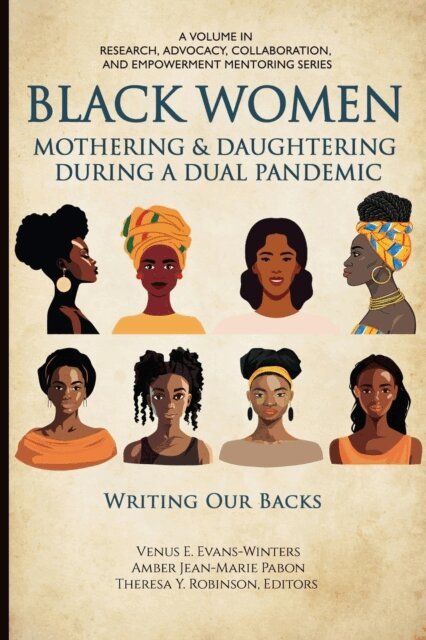
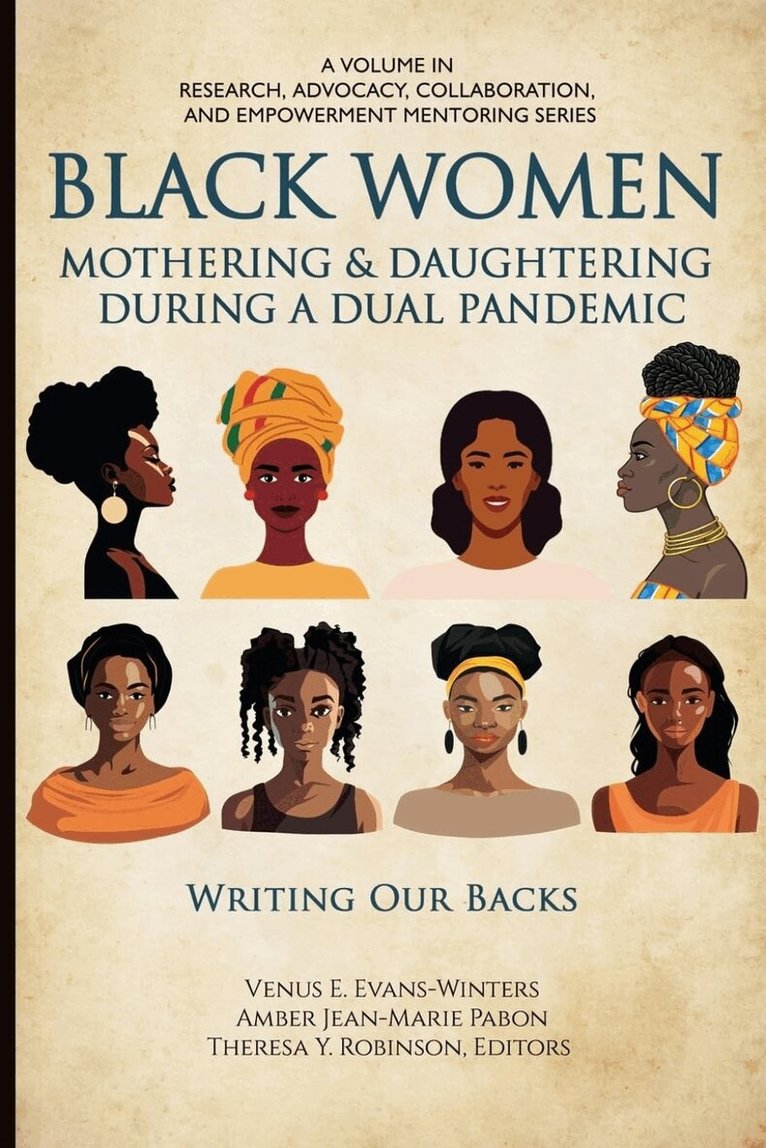
The contributors of this volume share with the scholarly community how they have learned to strive, resist, adapt, and re-conceptualize Black women's mental health and labor during the dual pandemics of white supremacy and COVID-19. This book is unique in that it calls for the contributing authors to draw upon and reflect on the use of sisterhood and a literacy circle to cope with an economic crisis, mass death, and racial battle fatigue during a worldwide pandemic. Specifically, the invited authors draw inspiration from Venus E. Evans-Winters' book Black Feminism in Qualitative Inquiry: A Mosaic for Writing Our Daughter's Body as an exemplar of research that both centers the issues and concerns of Black women scholar-practitioner-activists and presents a methodology consistent with Black feminist ways of knowing and expressions. Evans-Winters' theoretical and methodological writings are among the first works in research and gender studies that have successfully interwoven Black feminists' politics, spirituality, and Africanism with educational research and thought. Using constructed stories from the authors’ personal narratives, Black Women Mothering and Daughtering During a Dual Pandemic: Writing Our Backs addresses themes pertinent to Black women's lives, including our socialization and socio-emotional development, mother/daughter and other mother-daughter relationships, navigating the racial politics of schooling, friendships, survivorship, and grief using non-normative methodological concepts and practices.The authors explore concepts such as daughtering, politicking, mother speak, and cultural exchange while employing linguistic expressions such as prose, text messages, dialogue, and personal narrative—firmly planted in authentic Black womanist aesthetics. Furthermore, the authors highlight and demonstrate why and how they utilize reading and Black women's literary works to critically reflect, meaningfully write, heal, and do their work in times of peril (Morrison, 2019). More specifically, this book explores how the authors draw from Black women's cultural literacies in teaching, healing, mentoring, and activism. How are Black women's literary works as a body of knowledge used in healing spaces to marshal new or forgotten healing methodologies, cultural frame of references, and spiritual awakenings? The contributing authors address this question from multiple perspectives, such as education, social work, and psychology.Collectively, the authors advance Black women's mental wealth as a theoretical and methodological healing modality that meets their multiple identities as spiritual and cultural beings, educators, daughters, mothers, sisters, healers, and social activists. This is the first anthology to explore how Black women's literacy during a state of racial unrest and resistance alongside a global health pandemic shapes our cultural knowledge, ways of coping, and spiritual endeavors across varied-and often ambiguous contexts.
864 kr
Skickas inom 7-10 vardagar
The contributors of this volume share with the scholarly community how they have learned to strive, resist, adapt, and re-conceptualize Black women's mental health and labor during the dual pandemics of white supremacy and COVID-19. This book is unique in that it calls for the contributing authors to draw upon and reflect on the use of sisterhood and a literacy circle to cope with an economic crisis, mass death, and racial battle fatigue during a worldwide pandemic. Specifically, the invited authors draw inspiration from Venus E. Evans-Winters' book Black Feminism in Qualitative Inquiry: A Mosaic for Writing Our Daughter's Body as an exemplar of research that both centers the issues and concerns of Black women scholar-practitioner-activists and presents a methodology consistent with Black feminist ways of knowing and expressions. Evans-Winters' theoretical and methodological writings are among the first works in research and gender studies that have successfully interwoven Black feminists' politics, spirituality, and Africanism with educational research and thought. Using constructed stories from the authors’ personal narratives, Black Women Mothering and Daughtering During a Dual Pandemic: Writing Our Backs addresses themes pertinent to Black women's lives, including our socialization and socio-emotional development, mother/daughter and other mother-daughter relationships, navigating the racial politics of schooling, friendships, survivorship, and grief using non-normative methodological concepts and practices.The authors explore concepts such as daughtering, politicking, mother speak, and cultural exchange while employing linguistic expressions such as prose, text messages, dialogue, and personal narrative—firmly planted in authentic Black womanist aesthetics. Furthermore, the authors highlight and demonstrate why and how they utilize reading and Black women's literary works to critically reflect, meaningfully write, heal, and do their work in times of peril (Morrison, 2019). More specifically, this book explores how the authors draw from Black women's cultural literacies in teaching, healing, mentoring, and activism. How are Black women's literary works as a body of knowledge used in healing spaces to marshal new or forgotten healing methodologies, cultural frame of references, and spiritual awakenings? The contributing authors address this question from multiple perspectives, such as education, social work, and psychology.Collectively, the authors advance Black women's mental wealth as a theoretical and methodological healing modality that meets their multiple identities as spiritual and cultural beings, educators, daughters, mothers, sisters, healers, and social activists. This is the first anthology to explore how Black women's literacy during a state of racial unrest and resistance alongside a global health pandemic shapes our cultural knowledge, ways of coping, and spiritual endeavors across varied-and often ambiguous contexts.