Vera Mironova - Böcker
Visar alla böcker från författaren Vera Mironova. Handla med fri frakt och snabb leverans.
6 produkter
6 produkter
1 433 kr
Skickas inom 5-8 vardagar
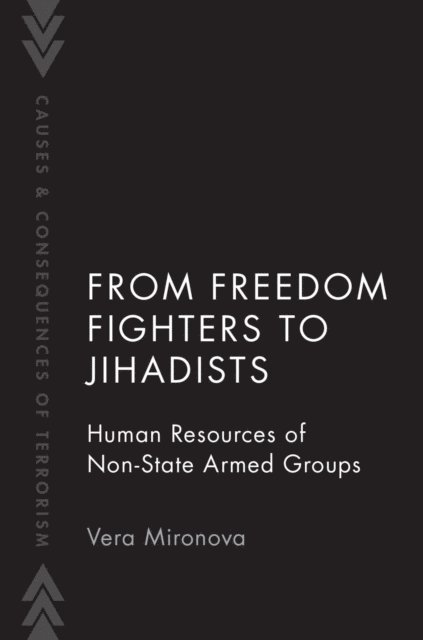
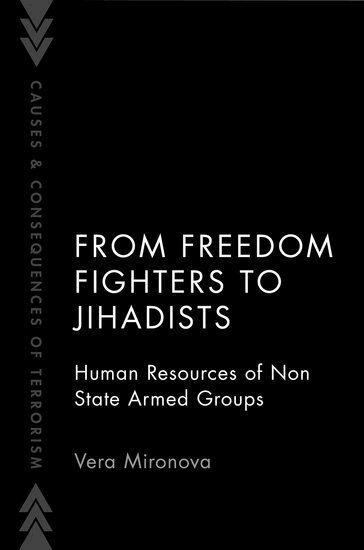
At the start of the Syrian conflict in 2011, thousands of pro-democracy rebel groups spontaneously formed to fight the Assad regime. Years later, the revolution was unrecognizable as rebel opposition forces had merged into three major groups: Jabhat al-Nusra, Ahrar al Sham, and the Islamic State in Iraq and Syria (ISIS). Why did these three groups rapidly increase in size and military strength while others simply disappeared? What is it about their organizational structure and their Islamist ideology that helped group manage their fighters so successfully?With these questions at the forefront, this book examines the internal organization of armed groups and, in particular, their human resources. Analyzing the growth of these groups through the prism of a labor market theory, this book shows that extreme Islamist groups were able to attract fighters away from more moderate groups because they had better internal organization, took better care of fighters both physically and monetarily, experienced less internal corruption, and effectively used their Islamist ideology to control recruits. With unparalleled access and extensive ethnographic research drawn from her interviews and her year embedded with Iraqi Special Operation forces, Mironova delves deep into the ideological and practical nexus of some of the most radical groups in the Middle East. This book brings together more than 600 survey-interviews with local civilians and fighters on the frontline in Syria and a dataset of human resource policies from 40 armed groups; it is an invaluable resource for anyone who wants insight into the on the ground functioning of rebel organizations.
482 kr
Skickas inom 5-8 vardagar
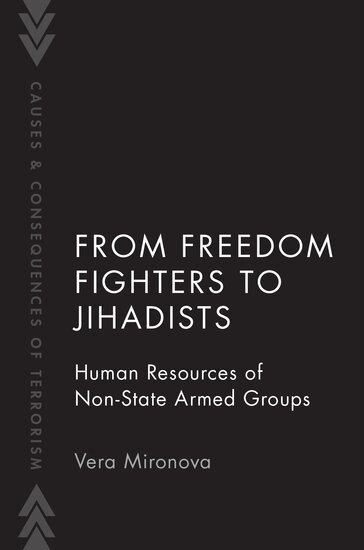
At the start of the Syrian conflict in 2011, thousands of pro-democracy rebel groups spontaneously formed to fight the Assad regime. Years later, the revolution was unrecognizable as rebel opposition forces had merged into three major groups: Jabhat al-Nusra, Ahrar al Sham, and the Islamic State in Iraq and Syria (ISIS). Why did these three groups rapidly increase in size and military strength while others simply disappeared? What is it about their organizational structure and their Islamist ideology that helped group manage their fighters so successfully?With these questions at the forefront, this book examines the internal organization of armed groups and, in particular, their human resources. Analyzing the growth of these groups through the prism of a labor market theory, this book shows that extreme Islamist groups were able to attract fighters away from more moderate groups because they had better internal organization, took better care of fighters both physically and monetarily, experienced less internal corruption, and effectively used their Islamist ideology to control recruits. With unparalleled access and extensive ethnographic research drawn from her interviews and her year embedded with Iraqi Special Operation forces, Mironova delves deep into the ideological and practical nexus of some of the most radical groups in the Middle East. This book brings together more than 600 survey-interviews with local civilians and fighters on the frontline in Syria and a dataset of human resource policies from 40 armed groups; it is an invaluable resource for anyone who wants insight into the on the ground functioning of rebel organizations.
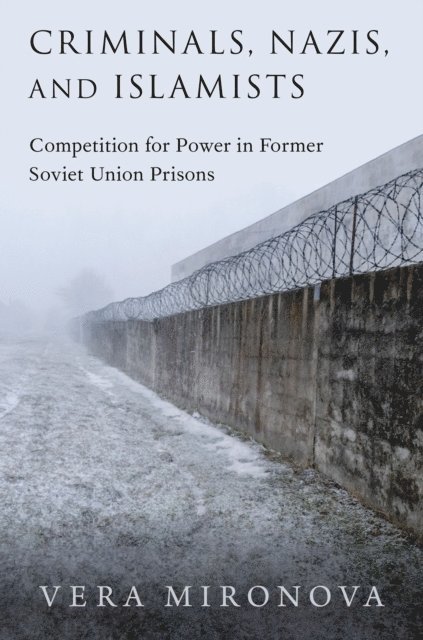
Criminals, Nazis, and Islamists
Competition for Power in Former Soviet Union Prisons
Inbunden, Engelska, 2023
929 kr
Skickas inom 7-10 vardagar
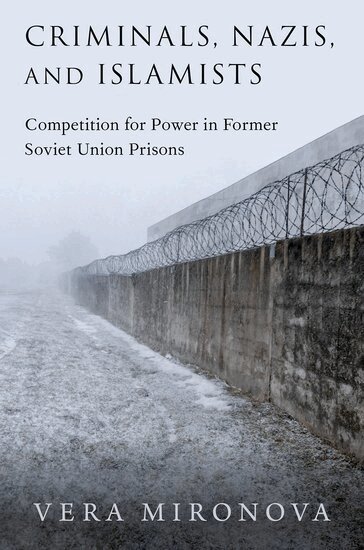
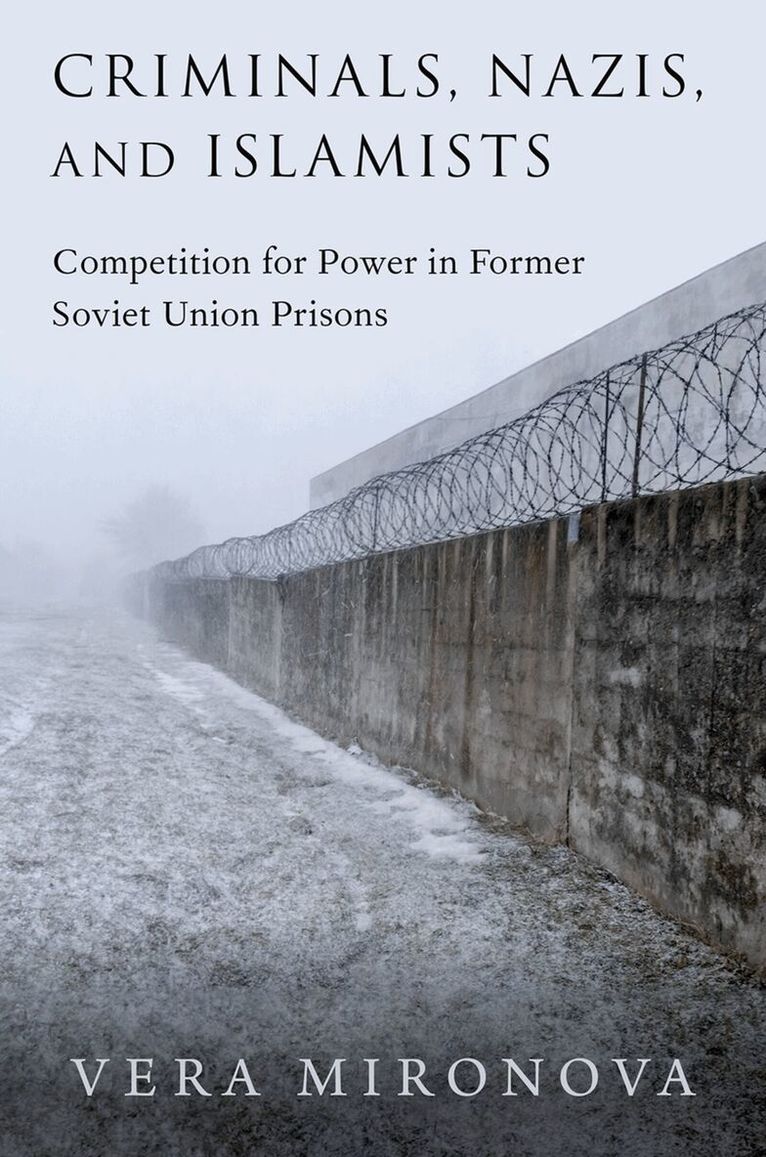
In Criminals, Nazis, and Islamists, Vera Mironova examines conflicts and cooperation between inmates in male prisons in the former Soviet Union. She begins by focusing on the earliest prisoner groups, in particular the Vory criminal organization, which began in the 1930s. The Vory were able to develop rules, norms, and unique criminal ideology to ensure their monopoly in prison internal governance. Not only did they establish control over inmates, the Vory also successfully stood up against prison authorities to make inmates life behind bars as comfortable as possible, and as a consequence ensured its own survival in power. Mironova also explains how the Vory uses different methods, from strikes to bloody riots, to put pressure on prison leadership.The fall of Soviet Union in 1990 saw an explosion of entrepreneurial criminal organizations, and the Vory started losing their grip on prisons. This book reviews how Islamists, Neo Nazis, and other major organizations behind bars across the former Soviet Union are currently challenging the Vory and what happens when they take power inside particular prisons and have to govern themselves. By focusing on the margins of Russian life, Mironova offers a unique perspective on the social transformations impacting both the USSR and the post-Soviet space from the 1930s to the Putin era.
Criminals, Nazis, and Islamists
Competition for Power in Former Soviet Union Prisons
Häftad, Engelska, 2023
282 kr
Skickas inom 5-8 vardagar
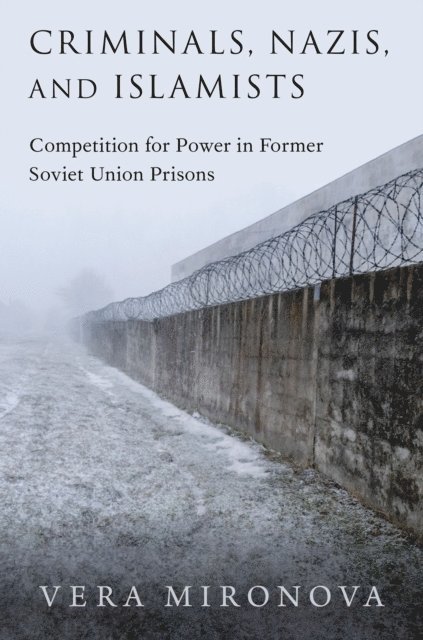
In Criminals, Nazis, and Islamists, Vera Mironova examines conflicts and cooperation between inmates in male prisons in the former Soviet Union. She begins by focusing on the earliest prisoner groups, in particular the Vory criminal organization, which began in the 1930s. The Vory were able to develop rules, norms, and unique criminal ideology to ensure their monopoly in prison internal governance. Not only did they establish control over inmates, the Vory also successfully stood up against prison authorities to make inmates life behind bars as comfortable as possible, and as a consequence ensured its own survival in power. Mironova also explains how the Vory uses different methods, from strikes to bloody riots, to put pressure on prison leadership.The fall of Soviet Union in 1990 saw an explosion of entrepreneurial criminal organizations, and the Vory started losing their grip on prisons. This book reviews how Islamists, Neo Nazis, and other major organizations behind bars across the former Soviet Union are currently challenging the Vory and what happens when they take power inside particular prisons and have to govern themselves. By focusing on the margins of Russian life, Mironova offers a unique perspective on the social transformations impacting both the USSR and the post-Soviet space from the 1930s to the Putin era.
2 025 kr
Skickas inom 3-6 vardagar
In 1991, war broke out in the Chechnya region of North Caucasus. By the early 2010s, people from the area had begun joining international terrorist groups en masse, with some militants rising to leadership positions in Jihadi groups. Despite the importance of this small region and the crucial role its inhabitants have played in major terrorist organizations, there is little known about the people involved and their activities after 2012.Conflict in the North Caucasus sheds light on the history of this war in North Caucasus, a conflict which has evolved into a security concern of international proportions. Over the course of five years, Vera Mironova conducted on-the-ground research among Chechen jihadists, who shared with her their ideologies, contemporary activities, and views of the events of the war. Mironova draws insights from this qualitative evidence to explain how fighters from North Caucasus ended up in the leadership of international Jihad, leaving readers with a more nuanced understanding of the far-reaching conflict and providing policymakers with the knowledge to make informed decisions about the region and activity there.
495 kr
Kommande
In 1991, war broke out in the Chechnya region of North Caucasus. By the early 2010s, people from the area had begun joining international terrorist groups en masse, with some militants rising to leadership positions in Jihadi groups. Despite the importance of this small region and the crucial role its inhabitants have played in major terrorist organizations, there is little known about the people involved and their activities after 2012.Conflict in the North Caucasus sheds light on the history of this war in North Caucasus, a conflict which has evolved into a security concern of international proportions. Over the course of five years, Vera Mironova conducted on-the-ground research among Chechen jihadists, who shared with her their ideologies, contemporary activities, and views of the events of the war. Mironova draws insights from this qualitative evidence to explain how fighters from North Caucasus ended up in the leadership of international Jihad, leaving readers with a more nuanced understanding of the far-reaching conflict and providing policymakers with the knowledge to make informed decisions about the region and activity there.