Verner D. Mitchell - Böcker
Visar alla böcker från författaren Verner D. Mitchell. Handla med fri frakt och snabb leverans.
10 produkter
10 produkter
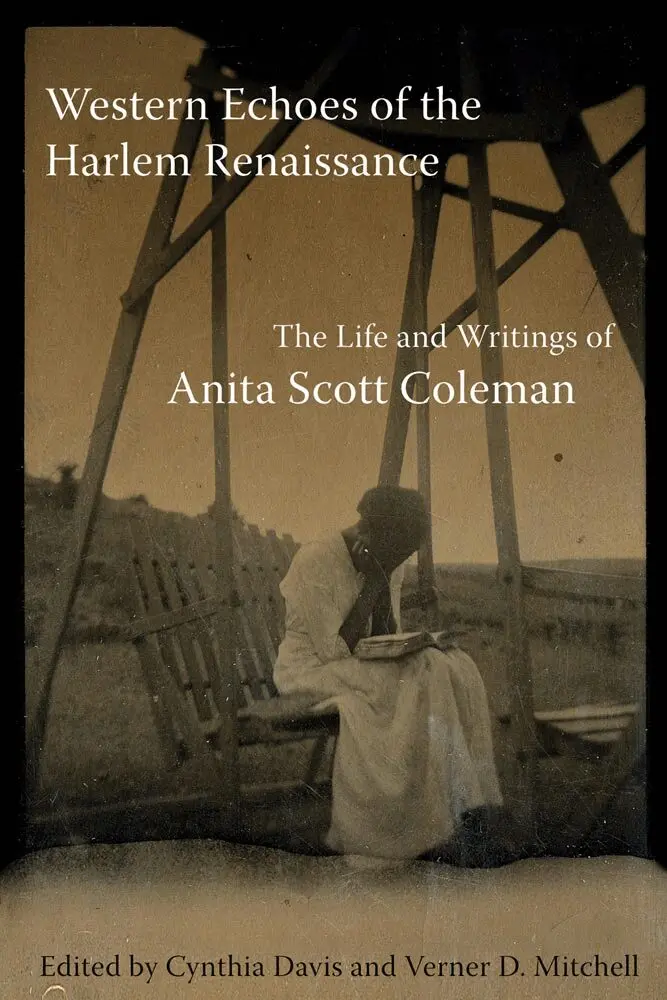
Western Echoes of the Harlem Renaissance
The Life and Writings of Anita Scott Coleman
Häftad, Engelska, 2008
247 kr
Skickas inom 10-15 vardagar
Recovers Coleman's life and literary legacyOne of the most distinctive and prolific writers of the Harlem Renaissance, Anita Scott Coleman (1890-1960) found popular and critical success in the flourishing African American press of the early twentieth century. Yet unlike many of her New York-based contemporaries, Coleman lived her life in the American West, first in New Mexico and later in California. Her work thus offers a rare view of African American life in that region.Broader in scope than any previous anthology of Coleman's writings, this volume collects the author's finest stories, essays, and poems, including many not published since they first appeared in African American newspapers during the 1920s, '30s, and '40's. Editors Cynthia Davis and Verner D. Mitchell introduce these writings with an in-depth biographical essay that places Coleman in the context of the Harlem Renaissance movement.The volume also features vintage family photographs, a detailed chronology, and a genealogical tree covering five generations of the Coleman family. Based on extensive research and written with the full cooperation of the Coleman family, Western Echoes of the Harlem Renaissance gives readers new understanding of this overlooked writer's life and literary accomplishments.
1 698 kr
Skickas inom 10-15 vardagar
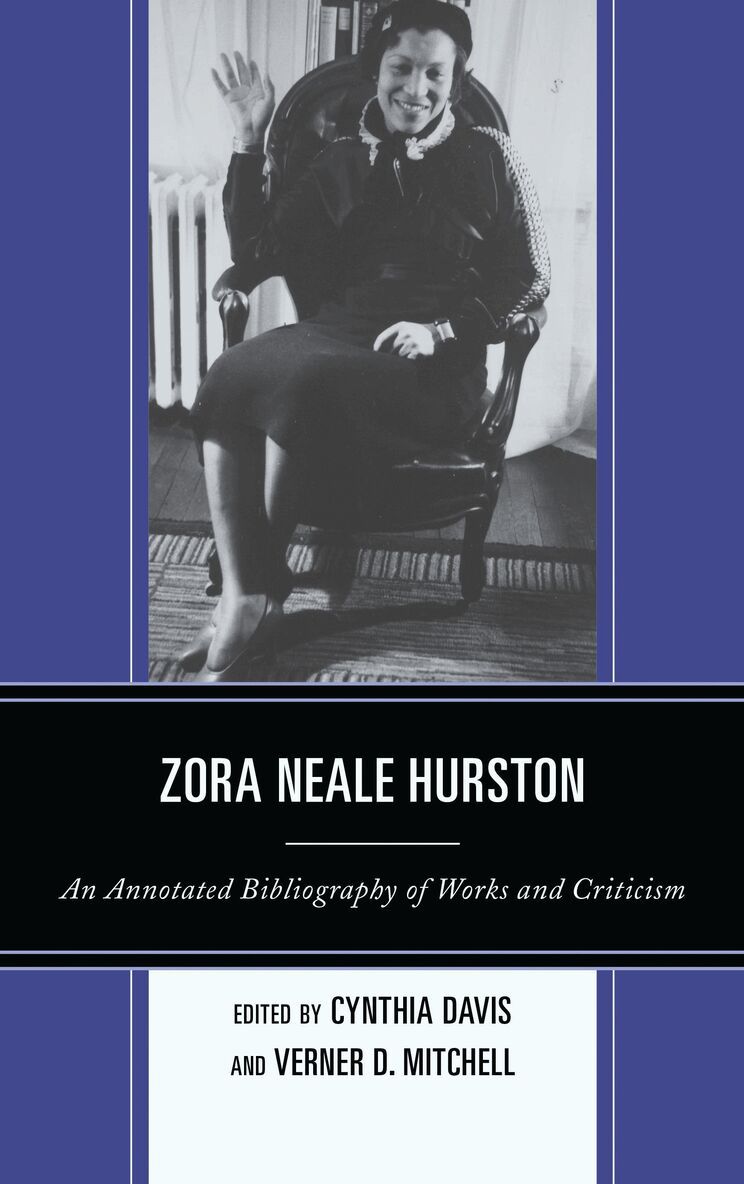
Zora Neale Hurston (1891-1960), the most prominent of the Harlem Renaissance women writers, was unique because her social and professional connections were not limited to literature but encompassed theatre, dance, film, anthropology, folklore, music, politics, high society, academia, and artistic bohemia. Hurston published four novels, three books of nonfiction, and dozens of short stories, plays, and essays. In addition, she won a long list of fellowships and prizes, including a Guggenheim and a Rosenwald. Yet by the 1950s, Hurston, like most of her Harlem Renaissance peers, had faded into oblivion. An essay by Alice Walker in the 1970s, however, spurred the revival of Hurston’s literary reputation, and her works, including her 1937 novel Their Eyes Were Watching God, have enjoyed an enduring popularity. Zora Neale Hurston: An Annotated Bibliography of Works and Criticism consists of reviews of critical interpretations of Hurston’s work. In addition to publication information, each selection is carefully crafted to capture the author’s thesis in a short, pithy, analytical framework.Also included are original essays by eminent Hurston scholars that contextualize the bibliographic entries. Meticulously researched but accessible, these essays focus on gaps in Hurston criticism and outline new directions for Hurston scholarship in the twenty-first century. Comprehensive and up-to-date, this volume contains analytical summaries of the most important critical writings on Zora Neale Hurston from the 1970s to the present. In addition, entries from difficult-to-locate sources, such as small academic presses or international journals, can be found here. Although intended as a bibliographic resource for graduate and undergraduate students, this volume is also aimed toward general readers interested in women’s literature, African American literature, American history, and popular culture. The book will also appeal to scholars and teachers studying twentieth-century American literature, as well as those specializing in anthropology, modernism, and African American studies, with a special focus on the women of the Harlem Renaissance.
1 106 kr
Skickas inom 10-15 vardagar
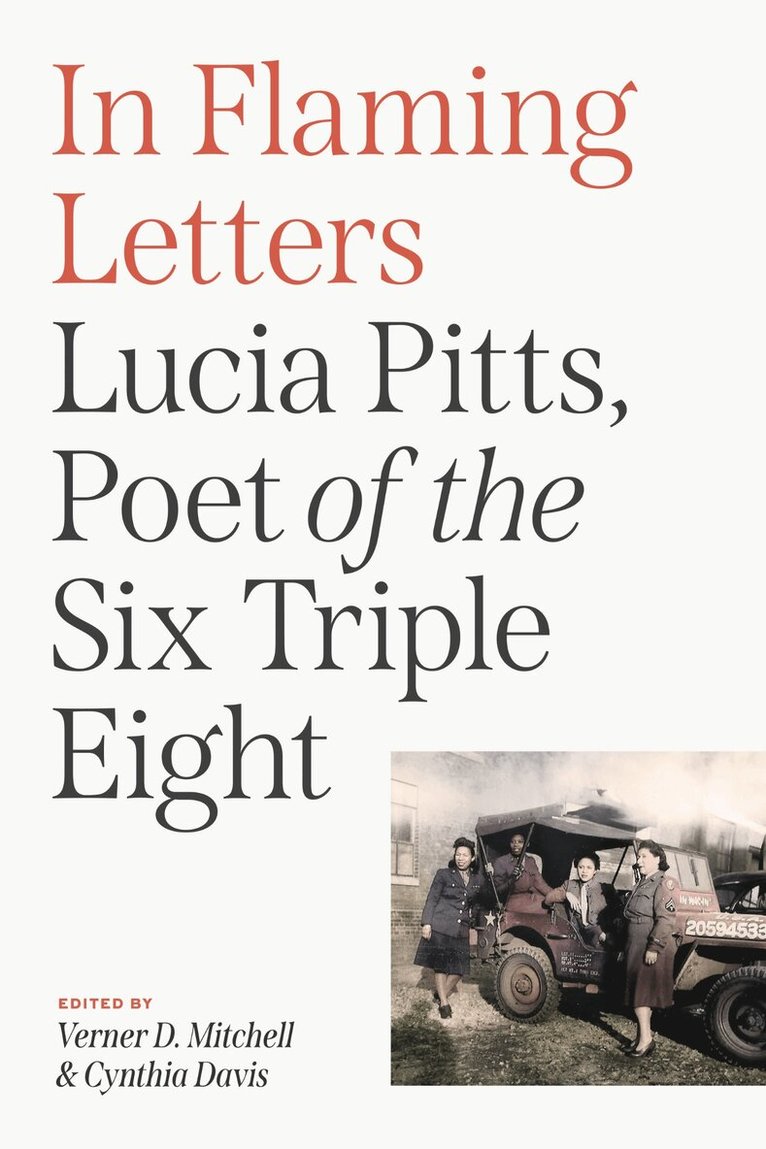
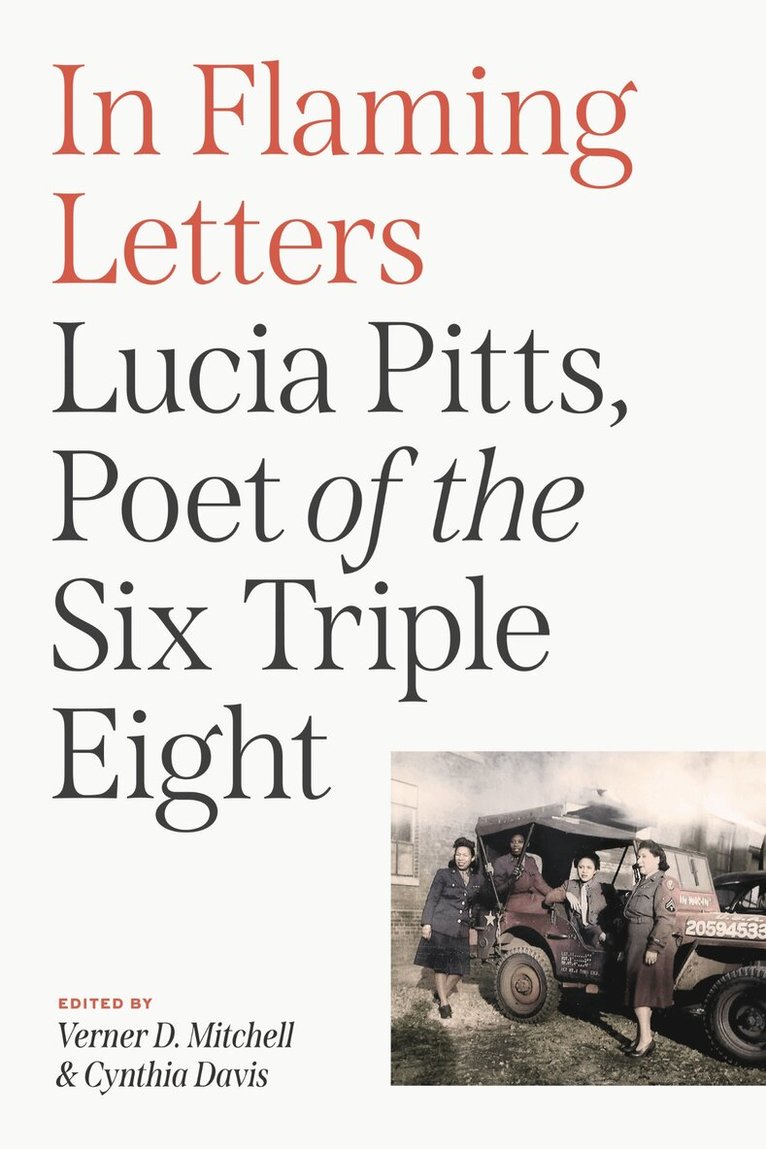
A treasury of poetry and prose from an unsung trailblazer of Black literature Lucia M. Pitts (1904-1973) was an African American writer and Army veteran whose story has never been told. Her poetry, including love lyrics of striking sensuality and honesty, was admired by Langston Hughes, Countee Cullen, and Dorothy West. Her work first appeared during the Harlem Renaissance, influenced by Harriet Monroe's Poetry magazine and blues singers Ma Rainey and Bessie Smith. A native of Chicago's Bronzeville, Pitts challenged discrimination and segregation throughout her remarkable life, both as a member of President Franklin Roosevelt's 'Black Cabinet' and as the first African American woman employed at the War Department. Then, in 1943, Pitts joined the 6888th Central Postal Directory Battalion, the Army's only all-Black, all-female battalion, which later received the Congressional Gold Medal. Pitts's own account of her service with the Six Triple Eight, however, has remained unpublished until now. This volume brings together a biography of Pitts, her complete military memoir, and one hundred of her finest poems.
298 kr
Skickas inom 10-15 vardagar
A treasury of poetry and prose from an unsung trailblazer of Black literature Lucia M. Pitts ( 1904-1973) was an African American writer and Army veteran whose story has never been told. Her poetry, including love lyrics of striking sensuality and honesty, was admired by Langston Hughes, Countee Cullen, and Dorothy West. Her work first appeared during the Harlem Renaissance, influenced by Harriet Monroe's Poetry magazine and blues singers Ma Rainey and Bessie Smith. A native of Chicago's Bronzeville, Pitts challenged discrimination and segregation throughout her remarkable life, both as a member of President Franklin Roosevelt's 'Black Cabinet' and as the first African American woman employed at the War Department. Then, in 1943, Pitts joined the 6888th Central Postal Directory Battalion, the Army's only all-Black, all-female battalion, which later received the Congressional Gold Medal. Pitts's own account of her service with the Six Triple Eight, however, has remained unpublished until now. This volume brings together a biography of Pitts, her complete military memoir, and one hundred of her finest poems.
1 626 kr
Skickas inom 10-15 vardagar
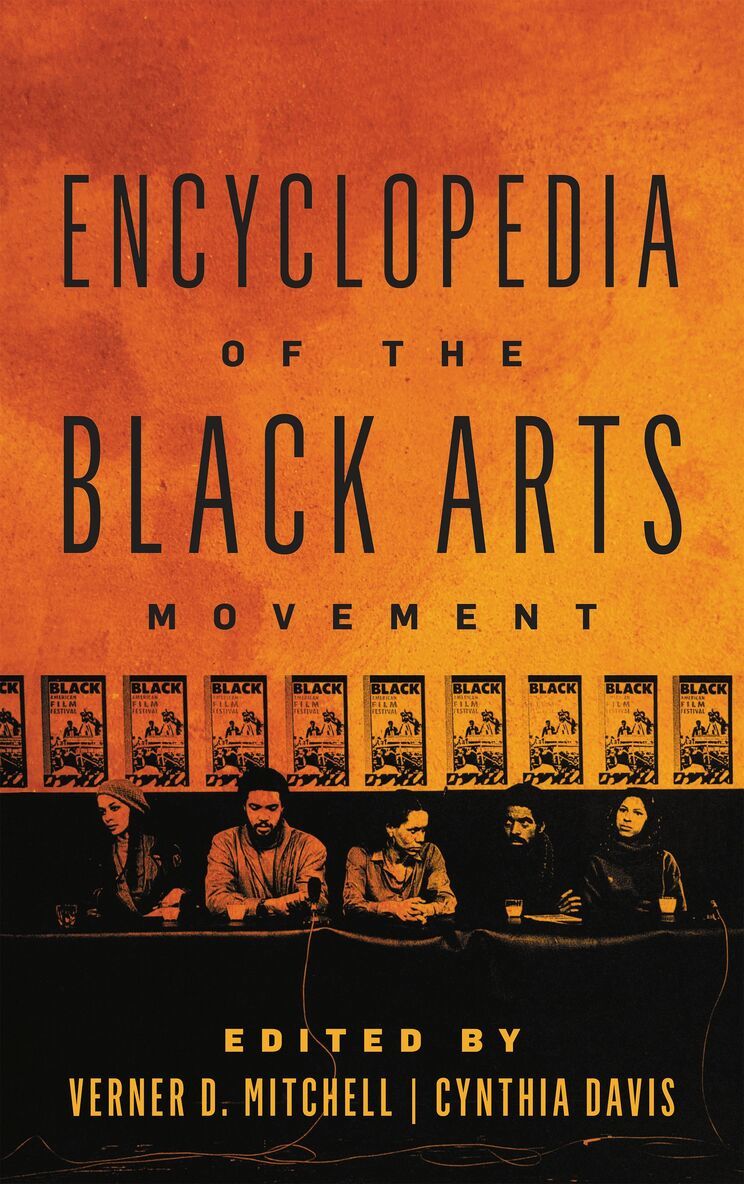
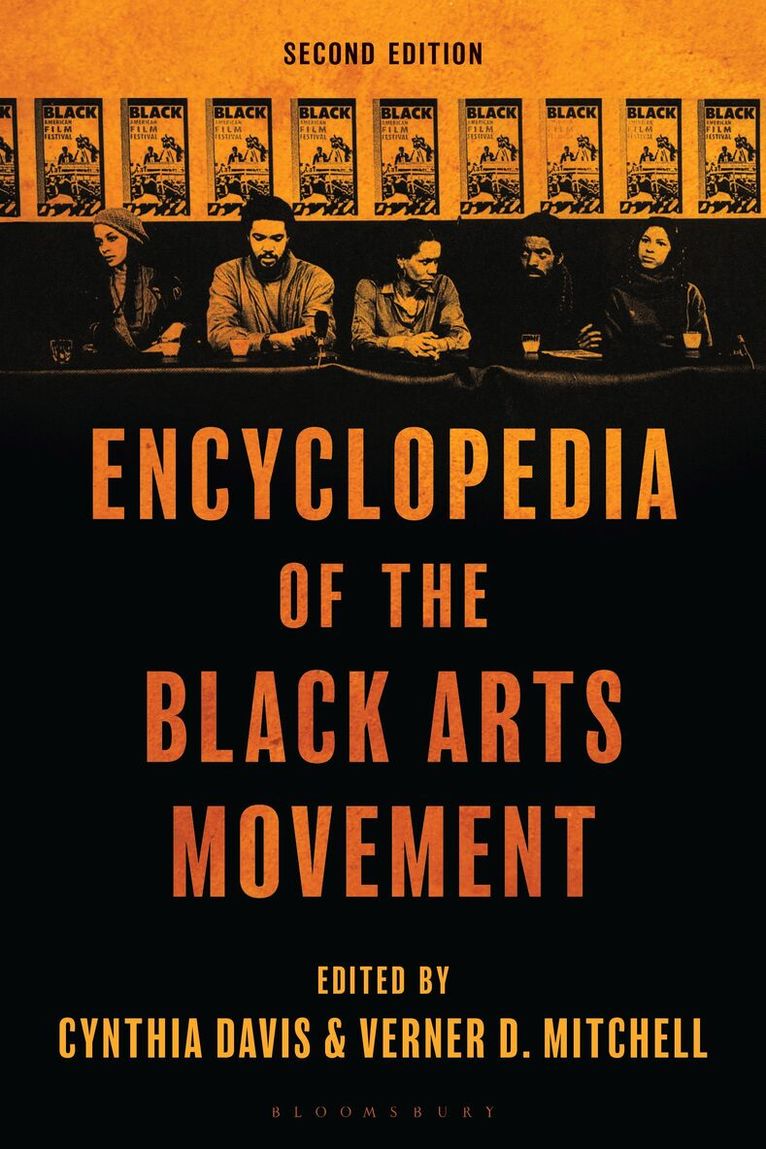
The Black Arts Movement (BAM) encompassed a group of artists, musicians, novelists, and playwrights whose work combined innovative approaches to literature, film, music, visual arts, and theatre. With a heightened consciousness of black agency and autonomy—along with the radical politics of the civil rights movement, the Black Muslims, and the Black Panthers—these figures represented a collective effort to defy the status quo of American life and culture. Between the late 1950s and the end of the 1970s, the movement produced some of America’s most original and controversial artists and intellectuals.In Encyclopedia of the Blacks Arts Movement, Verner D. Mitchell and Cynthia Davis have collected essays on the key figures of the movement, including Maya Angelou, James Baldwin, Amiri Baraka, Nikki Giovanni, Larry Neal, Sun Ra, Sonia Sanchez, Ntozake Shange, and Archie Shepp. Additional entries focus on Black Theatre magazine, the Negro Ensemble Company, lesser known individuals—including Kathleen Collins, Tom Dent, Bill Gunn, June Jordan, and Barbara Ann Teer—and groups, such as AfriCOBRA and the New York Umbra Poetry Workshop. The Black Arts Movement represented the most prolific expression of African American literature since the Harlem Renaissance of the 1920s. Featuring essays by contemporary scholars and rare photographs of BAM artists, Encyclopedia of the Blacks Arts Movement is an essential reference for students and scholars of twentieth-century American literature and African American cultural studies.
324 kr
Skickas inom 7-10 vardagar
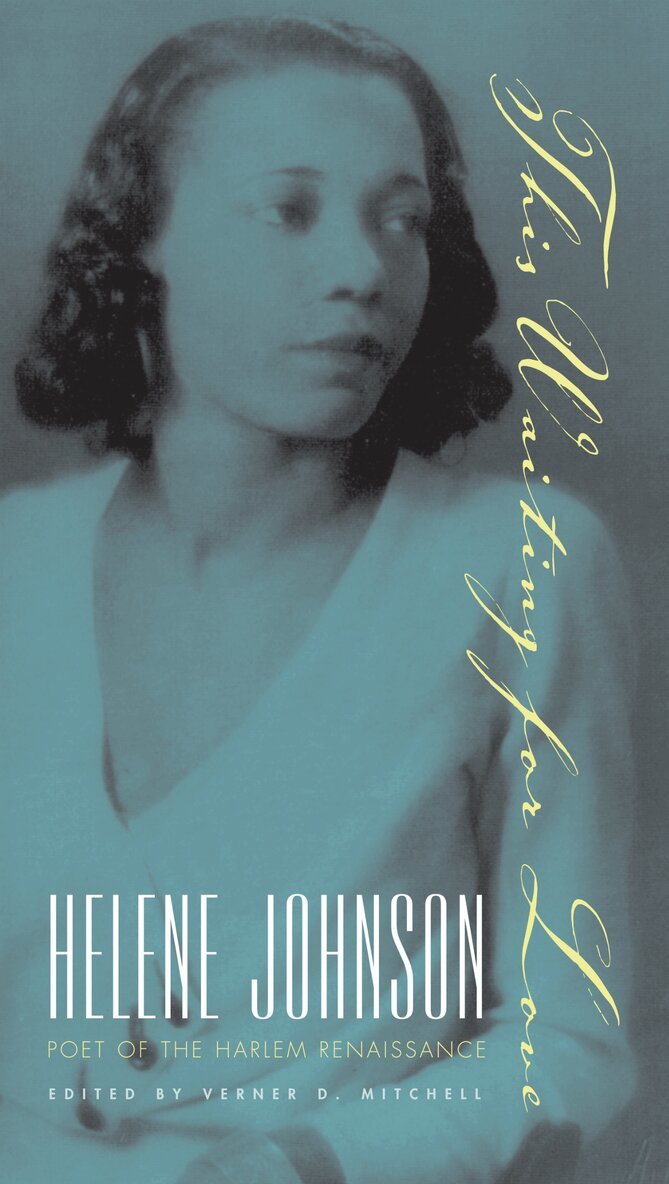
This volume brings together much of the poetry and a selection of correspondence by an enormously talented but underappreciated poet of the Harlem Renaissance. Cousin of novelist Dorothy West and friend of Zora Neale Hurston, Helene Johnson (1905-1995) first gained literary prominence when James Weldon Johnson and Robert Frost selected three of her poems for prizes in a 1926 competition. During the late 1920s and early 1930s, her poetry appeared in various small magazines. In 1933, she married, and two years later her last published poem appeared in ""Challenge"", the journal West had founded to revive the spirit of the Harlem Renaissance.
370 kr
Kommande
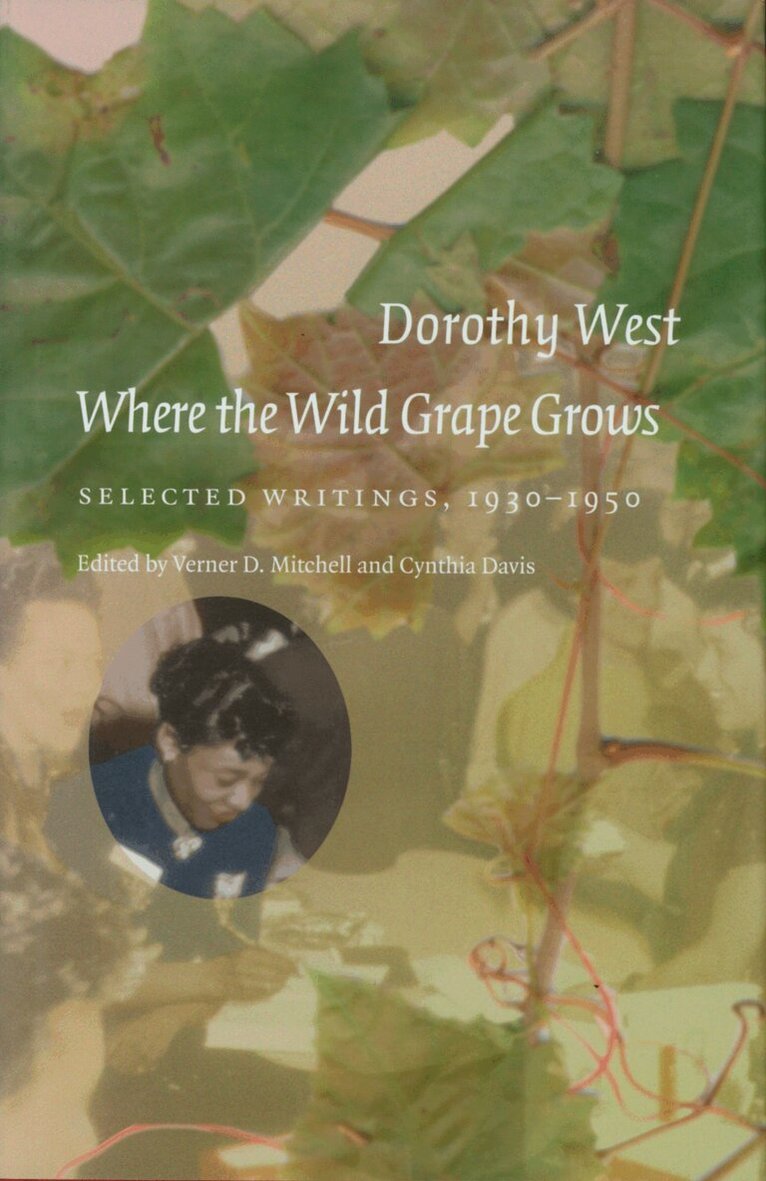
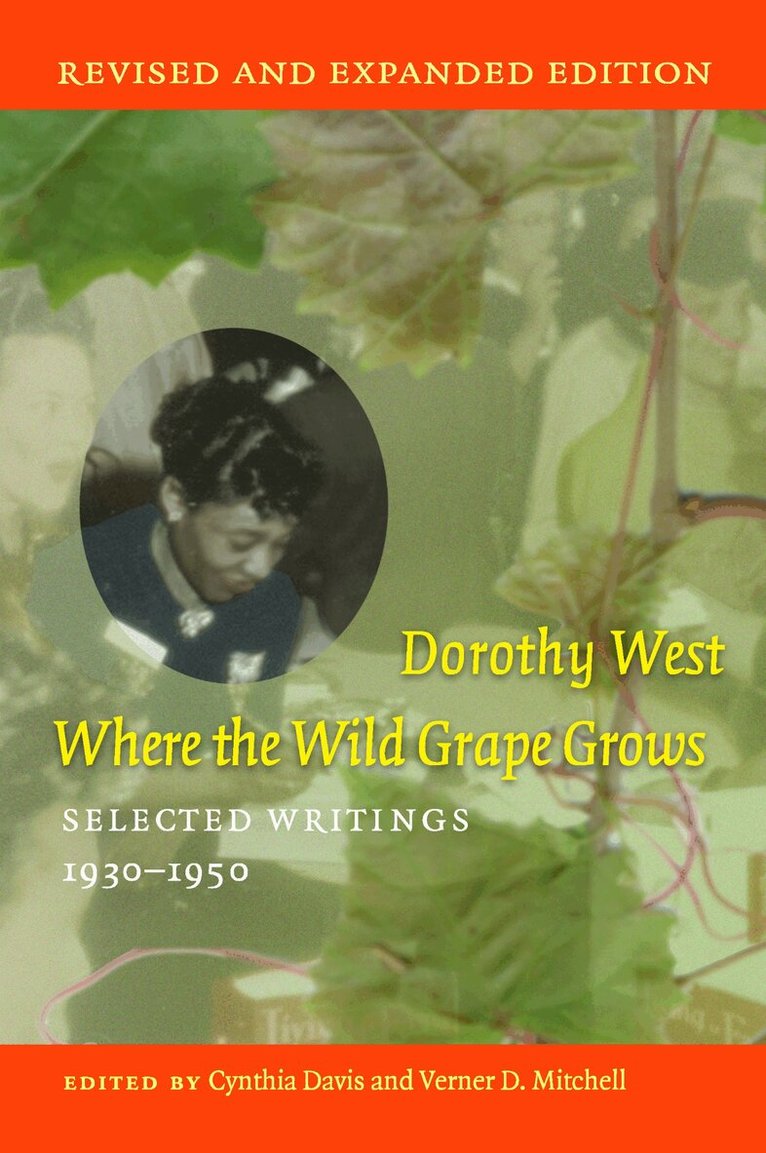
The first book-length study of Dorothy West, now with new writings and insights Originally published in 2005, WheretheWildGrapeGrows:SelectedWritings, 1930–1950 was the first book-length study of Dorothy West's work, providing a rich and insightful profile of one of the last surviving members of the Harlem Renaissance. Although West (1907–1998) is often remembered for her novels of Boston's African American community and her lifelong ties to Martha's Vineyard, her career was also shaped by her formative years in New York, where she moved among the era's most influential writers, artists, and political figures, including Langston Hughes, Zora Neale Hurston, Richard Wright, and many others. Cynthia Davis and Verner D. Mitchell document these early decades with care, recovering out-of-print, little-known, and unpublished works, alongside evocative family photographs, to illuminate West's distinctive voice and vision. This expanded second edition includes three important pieces not featured in the first edition: West's story "Cook," which foreshadows tropes of racial and gendered double consciousness and geographic mobility later developed in her novels; and her two Russian texts, "Room in Red Square" and "Russian Correspondence." This new edition situates West's writings within the larger history of African American artists' fascination with and ambivalence toward the U.S.S.R. The editors also extend their analysis beyond West's early life to consider her final three decades, a period of renewed creativity and recognition. With a revised, enhanced introduction and a richer selection of West's writings, this updated second edition is an indispensable resource for understanding the full scope of Dorothy West's life, art, and enduring legacy.
1 239 kr
Kommande
When Where the Wild Grape Grows was published in 2005 by the University of Massachusetts Press, it was the first book-length critical study of Dorothy West. Since then, the publication of more volumes on West and her circle testify to popular and academic interest in under-represented artists of the Harlem Renaissance, many of whom appeared first in West’s literary magazine, Challenge (1934-1937). Challenge included poems by West’s cousin Helene Johnson as well as by her friends Lucia Mae Pitts, Waring Cuney, Pauli Murray, Grace Walker, Mae Cowdery, Marcia Prendergast, and Bessie Calhoun Bird. West also published work by her romantic partner Marian Minus and by Juanita DeShields (the first Black Canadian graduate of McGill University) and the Trinidadian author Alfred Mendes. She included artwork by Mildred Jones and journalism by Eslanda Robeson and Dorothy Peterson. In addition to her editorial activities, West corresponded with important African American musicians including Maud Cuney Hare, Alberta Hunter, and Henry T. Burleigh, and with sculptors Augusta Savage and Richmond BarthÉ. Just as West mentored others, she was encouraged by such academic luminaries as Columbia Professors Blanche Colton Williams and Dorothy Scarborough, and by the controversial novelist Erskine Caldwell. The new Introduction to Wild Grape will include fresh research on these individuals, many of whom formed part of West’s social and artistic circle. Lucia Pitts, for example, was a poet who served in the famous WAC (Women’s Army Corps) 6888th Battalion. The work of Marian Minus and Mae Cowdery has received critical attention recently and they also merit closer investigation. The Boston writer and musicologist Maud Cuney Hare was an artistic mentor to West; her cousin Waring Cuney was a close friend: both will receive more attention in the paperback edition. The artist Mildred Jones accompanied West and twenty other young African Americans to Russia in 1932 as participants in an ultimately aborted propaganda film on race relations in America; Jones studied with the important Russian Modernist painter Aleksandr Deyneka. The original edition of Wild Grape cites two stories about West’s Russian experiences (penned under the pseudonym Mary Christopher in 1934), “Room in Red Square” and “Russian Correspondence,” but the volume does not include the actual stories. The stories are interesting because they shed light on West’s unrequited romance with Langston Hughes and her relationships with other members of the group, and they offer a unique perspective on daily life in the U.S.S.R. Both stories will be published in the new edition, along with a detailed discussion of new research about West’s visit to Russia. A third uncollected story, “Cook” (1934), written by West under the pseudonym Jane Isaac will also be included. This story is extremely important to West’s oeuvre and her artistic development; it includes characters, themes, tropes, and plot lines that she expanded and developed in her two novels, The Living Is Easy (1948) and The Wedding (1995). Since 2005, new material has been added to the West archive in Harvard’s Schlesinger Library. The section of Wild Grape devoted to West’s correspondence will include additional unpublished letters which underscore West’s dedication to African American art and culture. The book includes the Benson-West family tree in Appendix II. Several scholars have expressed appreciation for this information which has not been published elsewhere; the chart will be updated to include the birth of several of West’s descendants.
452 kr
Skickas inom 7-10 vardagar
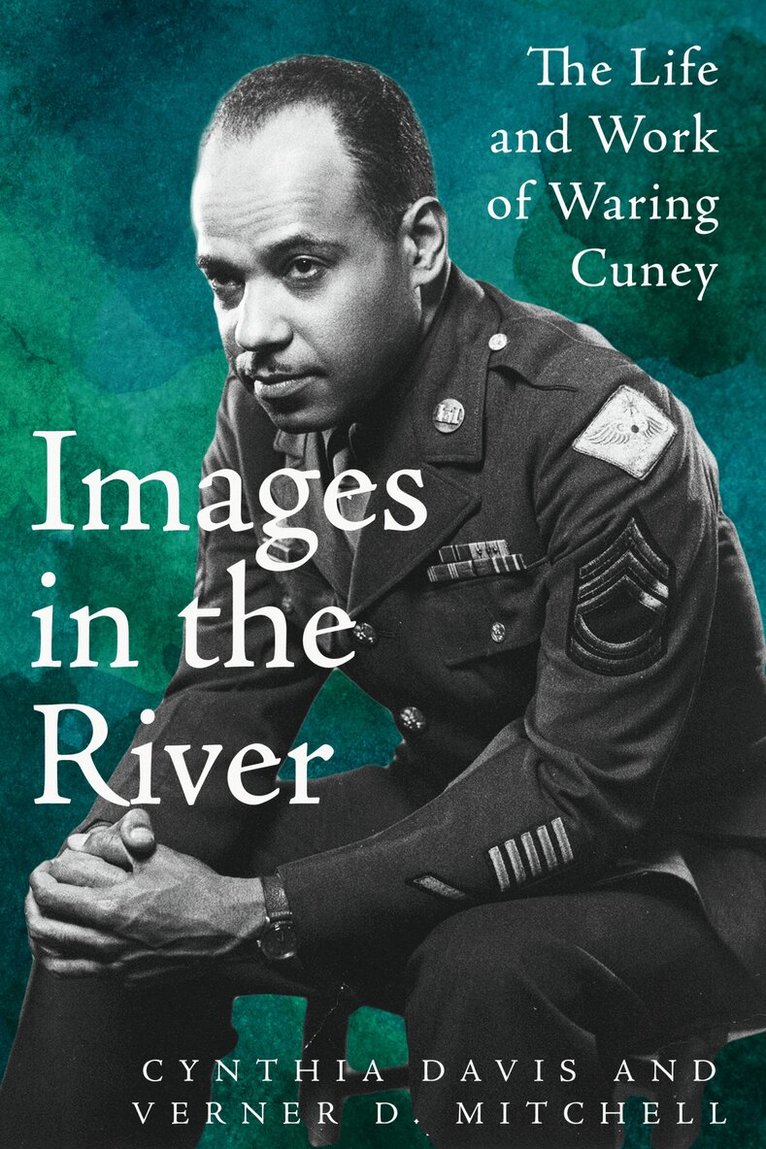
The poet William Waring Cuney (1906-1976) hails from an illustrious Afro-Texan family whose members include the charismatic politician Norris Wright Cuney (1846-1898) and his daughter, Maud Cuney Hare (1874-1936),the concert pianist and writer. Waring Cuney's maternal line, after whom he was named, was equally eminent.Cuney was born and raised in Washington D.C., just a few blocks from Howard University where three generations of his family studied. Despite his privileged upbringing among the city's Black elite, Cuney embraced his family's passionate commitment to racial uplift and civil rights; in exploring the relationship between African Americans and their environment, he was thus able to transmute into two books of poetry a broad cross section of African American life; his poems and songs explore the lives of jazz musicians, athletes, domestic and railway workers, women and children, blues singers, prisoners, sharecroppers, and soldiers. In addition, Cuney published in all the major Harlem Renaissance journals and anthologies alongside the luminaries of the period, many of whom were good friends.Through 100 of his best poems, many never collected or published, and a detailed biographical monograph, Images in the River: The Life and Work of Waring Cuney introduces readers to a newly recovered Harlem Renaissance poet, and to the history of a remarkable American family.
2 351 kr
Kommande
The Black Arts Movement combined innovative approaches to literature, film, music, visual arts, and theatre with a heightened consciousness of black agency and autonomy, along with the radical politics of the Civil Rights Movement, the Black Muslims, and the Black Panthers. Between the late 1950s and the end of the 1970s, the movement produced some of America’s most original and controversial artists and intellectuals, including Amiri Baraka, James Baldwin, Larry Neal, Maya Angelou, Nikki Giovanni, Sonia Sanchez, Ntozake Shange, June Jordan, Audre Lorde, John Coltrane, and Archie Shepp. Although the movement began in New York City, with the Umbra Poets Workshop and the Negro Ensemble Company on the Lower East Side, and Baraka’s Black Arts Repertory Theatre in Harlem, it quickly spread to Chicago, Detroit, and San Francisco. In Chicago, the movement was disseminated by Hoyt Fuller and John Johnson who edited and published Negro Digest (later Black World), an important venue for the new artists. Although all the creative arts were represented, the emphasis on spoken word poetry and jazz helped lay the groundwork for contemporary rap and hip-hop.An essential reference for students and scholars of 20th century American Literature and African American Cultural Studies, this volume compiles current scholarship on the Black Arts Movement. Encyclopedia of the Black Arts Movement includes essays on well-known artists and activists, as well as lesser-known groups and individuals, including Kathleen Collins, June Jordan, Bill Gunn, Mae Mallory, Chicago’s AfriCOBRA group, and the New York Umbra Poetry Workshop.