Vernon L. Provencal - Böcker
Visar alla böcker från författaren Vernon L. Provencal. Handla med fri frakt och snabb leverans.
6 produkter
6 produkter
1 698 kr
Skickas inom 10-15 vardagar
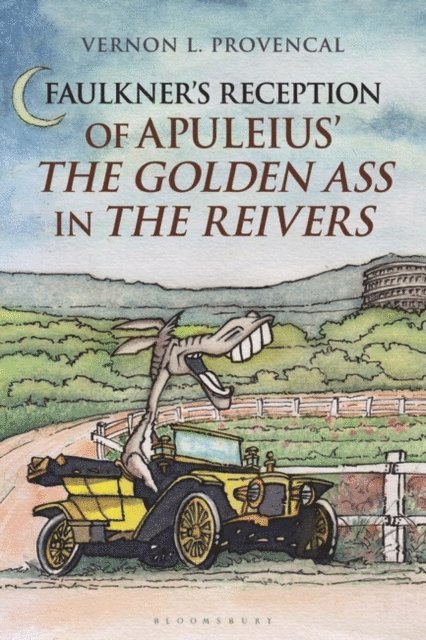
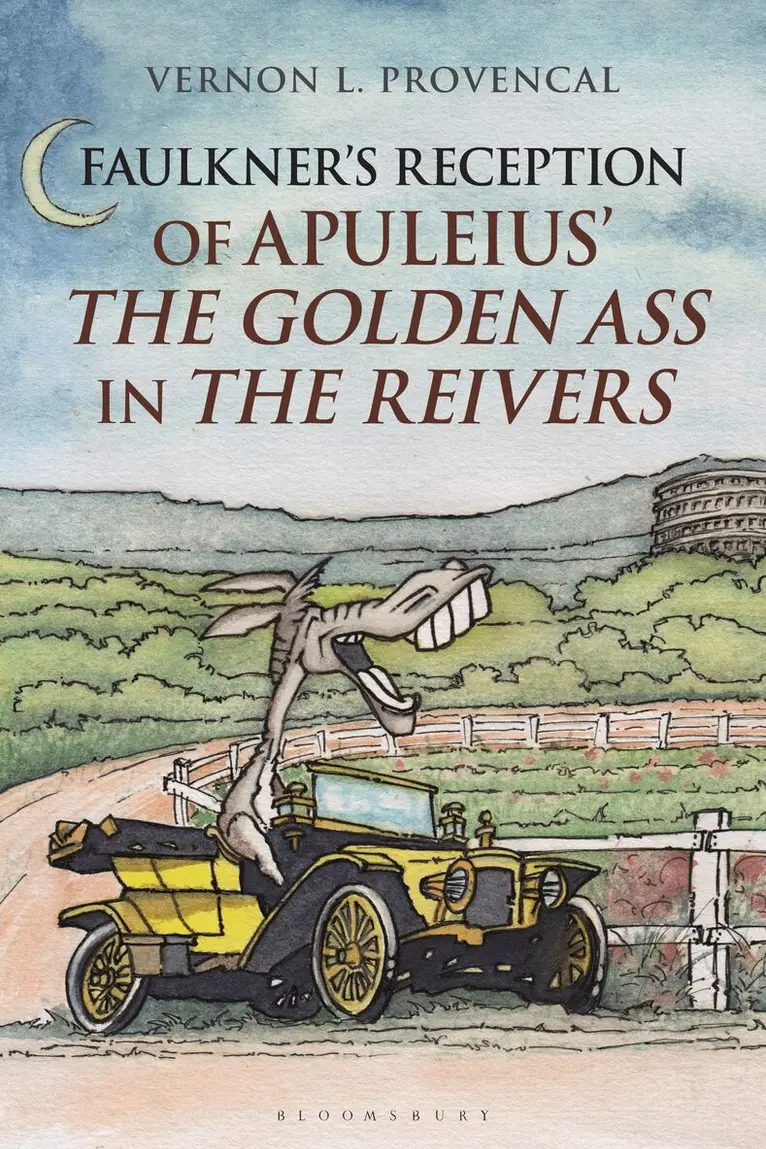
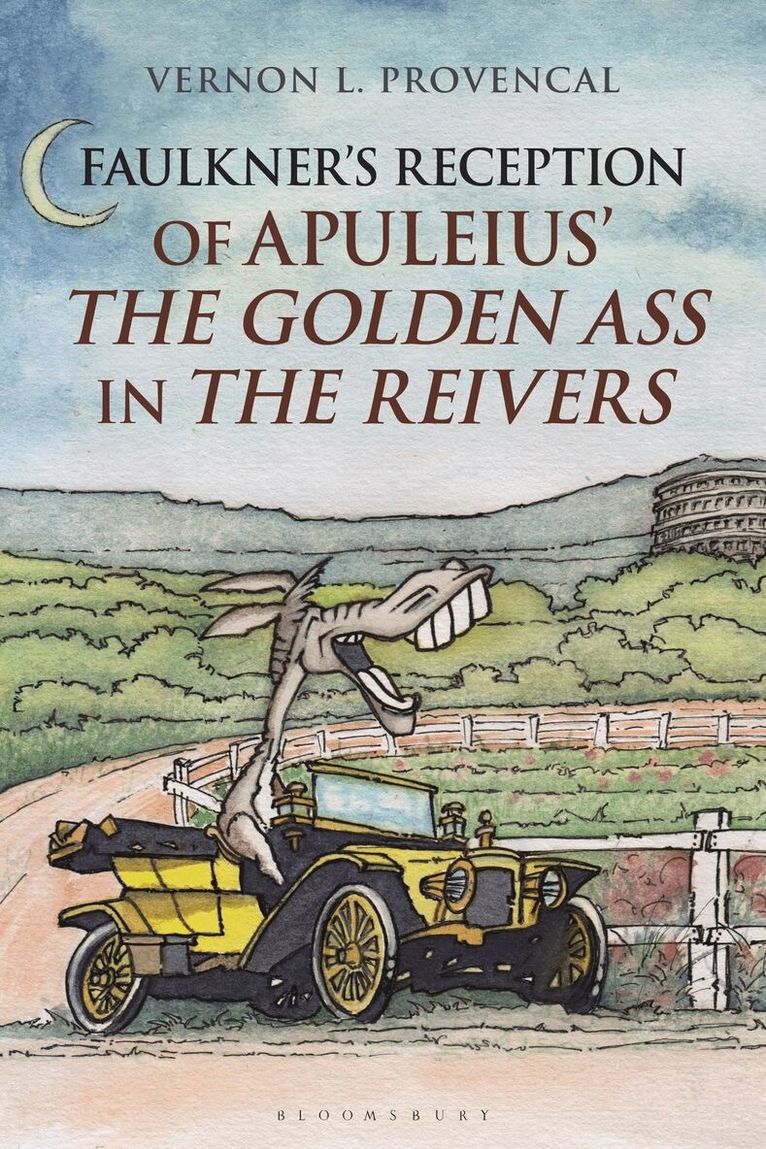
Faulkner’s final novel, The Reivers, has been gently dismissed by scholars and critics as no more than its subtitle claims, A Reminiscence. Although the new millennium has seen a new appreciation for Faulkner’s later novels, The Reivers is still perceived as a slightly fictionalized comic memoir romanticizing the early life of the author in the pre-civil rights American South. This volume takes this dismissal of The Reivers to task for failing to appreciate its employment of the Apuleian narrative of life-altering metamorphosis to offer, as his literary farewell, hope for humanity’s self-redemption.Vernon L. Provencal studies the reception of The Golden Ass in The Reivers as comic novels of moral katabasis (wilful descent into the lawless underworld) and providential anabasis (societal and spiritual redemption). As the independent basis of the reception study, The Reivers receives its first ever detailed reading, while The Golden Ass is read anew from the teleological perspective offered by the (undervalued) prophecy that in the end the comic hero would become the book itself.
544 kr
Skickas inom 10-15 vardagar
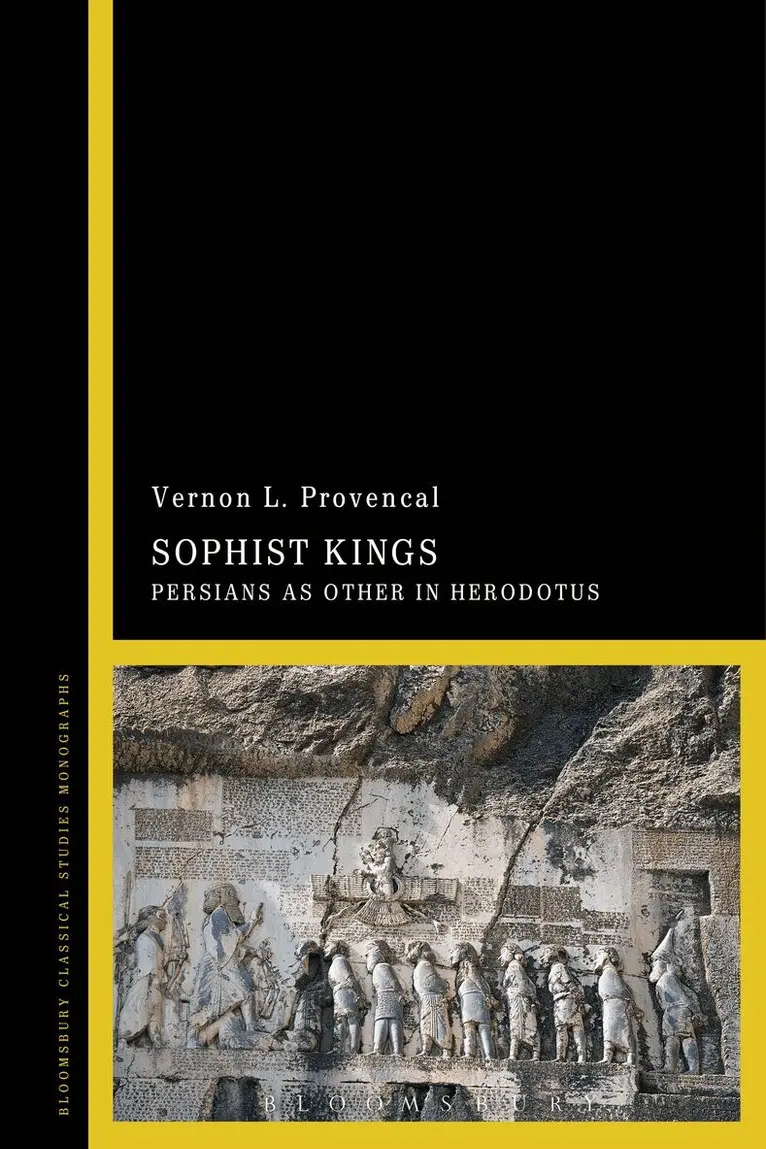
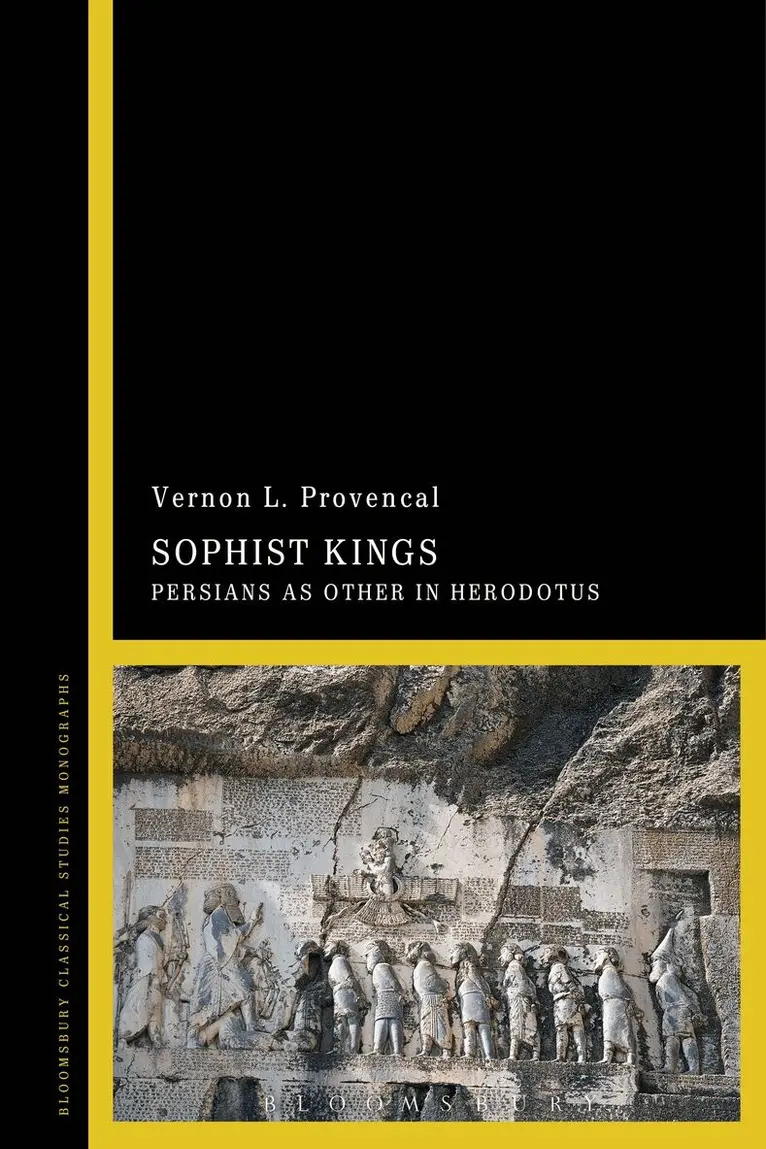
Sophist Kings: Persians as Other sets forth a reading of Herodotus’ Histories that highlights the consistency with which the Persians are depicted as sophists and Persian culture is infused with a sophistic ideology. The Persians as the Greek ‘other’ have a crucial role throughout Herodotus’ Histories, but their characterisation is far divorced from historical reality. Instead, from their first appearance at the beginning of the Histories, Herodotus presents the Persians as adept in the argumentation of Greek sophists active in mid-5th century Athens. Moreover, Herodotus’ construct of the Sophist King, in whom political reason serves human ambition, is used to explain the Achaemenid model of kingship whose rule is grounded in a theological knowledge of cosmic order and of divine justice as the political good.This original and in-depth study explores how the ideology which Herodotus ascribes to the Persians comes directly from fifth-century sophists whose arguments served to justify Athenian imperialism. The volume connects the ideological conflict between panhellenism and imperialism in Herodotus’ contemporary Greece to his representation of the past conflict between Greek freedom and Persian imperialism. Detecting a universal paradigm, Sophist Kings argues that Herodotus was suggesting the Athenians should regard their own empire as a betrayal of the common cause by which they led the Greeks to victory in the Persian wars.
499 kr
Skickas inom 10-15 vardagar
Faulkner’s final novel, The Reivers, has been gently dismissed by scholars and critics as no more than its subtitle claims, A Reminiscence. Although the new millennium has seen a new appreciation for Faulkner’s later novels, The Reivers is still perceived as a slightly fictionalized comic memoir romanticizing the early life of the author in the pre-civil rights American South. This volume takes this dismissal of The Reivers to task for failing to appreciate its employment of the Apuleian narrative of life-altering metamorphosis to offer, as his literary farewell, hope for humanity’s self-redemption.Vernon L. Provencal studies the reception of The Golden Ass in The Reivers as comic novels of moral katabasis (wilful descent into the lawless underworld) and providential anabasis (societal and spiritual redemption). As the independent basis of the reception study, The Reivers receives its first ever detailed reading, while The Golden Ass is read anew from the teleological perspective offered by the (undervalued) prophecy that in the end the comic hero would become the book itself.
Same-Sex Desire and Love in Greco-Roman Antiquity and in the Classical Tradition of the West
Inbunden, Engelska, 2006
1 247 kr
Tillfälligt slut
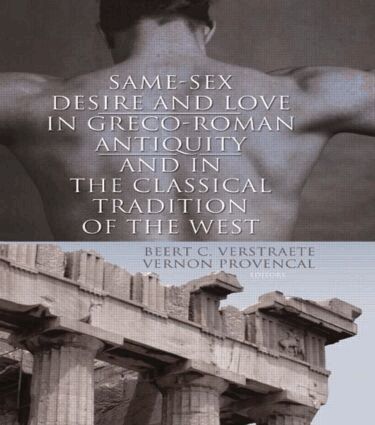
New and surprising insights into homoeroticism of times pastIn ancient times, the Greek god Eros personified both heterosexual and homosexual attractions. Same-Sex Desire and Love in Greco-Roman Antiquity and in Classical Tradition of the West explores the homosexual side of the vanished civilizations of Greece and Rome, and the resulting influence on the Classical tradition of the West. Respected scholars clearly present evidence that shows the extensive nature of homoeroticism and homosexuality in the Classical world. Iconography such as vase decoration and carved gemstones is presented in photographs, and the text includes an examination of a wide selection of literature of the times with an eye to opening new vistas for future study.Same-Sex Desire and Love in Greco-Roman Antiquity and in Classical Tradition of the West lays to rest the myths generally accepted as truth about Greco-Roman views on homosexuality and brings fresh insights to philological and historical scholarship. This book provides nuanced, humanistic discussions on the common phenomena of same-sex desire. Topics include Greek pederasty and its origins, the Greek female homoeroticism of Sappho, homosexuality in Greek and Roman art and literature, and the emergence of the gay liberation movement with the influence of discussions of Greek and Roman homosexuality in the twentieth century. The text is extensively referenced and includes helpful notation.Same-Sex Desire and Love in Greco-Roman Antiquity and in Classical Tradition of the West provides a comprehensive table of abbreviations, subject index, and index of names and terms. It discusses in detail:the integral role athletic nudity played in athlete-trainer pederasty the central role of pederasty in Greek history, politics, art, literature, and learning tracing the history of the Ganymede myth how the athletic culture of Sparta contributed to the spread of pederasty in Greece homosexuality in Boeotia in contrast to the rest of Greece the homoeroticism of Sappho dispelling generally accepted myths prevalent about Roman sexuality Roman visual representations of homosexuality as evidence of prevailing attitudes homoerotic connotations in literature and philosophy of the Italian Renaissance the effect of German classical philology on gay scholarship English Romantic poets and the importance of male love in their lives the Uranians’ use of allusions and themes from ancient Greece the building of intellectual community through gay print culturethrough the use of Greece and Rome as models and moreSame-Sex Desire and Love in Greco-Roman Antiquity and in Classical Tradition of the West is essential reading for Classicists, specialists in gender/sexuality studies, humanists interested in the classical tradition in Western culture, psychologists, and other social scientists in human sexuality.
Same-Sex Desire and Love in Greco-Roman Antiquity and in the Classical Tradition of the West
Häftad, Engelska, 2006
1 073 kr
Skickas inom 10-15 vardagar
New and surprising insights into homoeroticism of times pastIn ancient times, the Greek god Eros personified both heterosexual and homosexual attractions. Same-Sex Desire and Love in Greco-Roman Antiquity and in Classical Tradition of the West explores the homosexual side of the vanished civilizations of Greece and Rome, and the resulting influence on the Classical tradition of the West. Respected scholars clearly present evidence that shows the extensive nature of homoeroticism and homosexuality in the Classical world. Iconography such as vase decoration and carved gemstones is presented in photographs, and the text includes an examination of a wide selection of literature of the times with an eye to opening new vistas for future study.Same-Sex Desire and Love in Greco-Roman Antiquity and in Classical Tradition of the West lays to rest the myths generally accepted as truth about Greco-Roman views on homosexuality and brings fresh insights to philological and historical scholarship. This book provides nuanced, humanistic discussions on the common phenomena of same-sex desire. Topics include Greek pederasty and its origins, the Greek female homoeroticism of Sappho, homosexuality in Greek and Roman art and literature, and the emergence of the gay liberation movement with the influence of discussions of Greek and Roman homosexuality in the twentieth century. The text is extensively referenced and includes helpful notation.Same-Sex Desire and Love in Greco-Roman Antiquity and in Classical Tradition of the West provides a comprehensive table of abbreviations, subject index, and index of names and terms. It discusses in detail:the integral role athletic nudity played in athlete-trainer pederasty the central role of pederasty in Greek history, politics, art, literature, and learning tracing the history of the Ganymede myth how the athletic culture of Sparta contributed to the spread of pederasty in Greece homosexuality in Boeotia in contrast to the rest of Greece the homoeroticism of Sappho dispelling generally accepted myths prevalent about Roman sexuality Roman visual representations of homosexuality as evidence of prevailing attitudes homoerotic connotations in literature and philosophy of the Italian Renaissance the effect of German classical philology on gay scholarship English Romantic poets and the importance of male love in their lives the Uranians’ use of allusions and themes from ancient Greece the building of intellectual community through gay print culturethrough the use of Greece and Rome as models and moreSame-Sex Desire and Love in Greco-Roman Antiquity and in Classical Tradition of the West is essential reading for Classicists, specialists in gender/sexuality studies, humanists interested in the classical tradition in Western culture, psychologists, and other social scientists in human sexuality.
1 888 kr
Skickas inom 10-15 vardagar
Sophist Kings: Persians as Other sets forth a reading of Herodotus’ Histories that highlights the consistency with which the Persians are depicted as sophists and Persian culture is infused with a sophistic ideology. The Persians as the Greek ‘other’ have a crucial role throughout Herodotus’ Histories, but their characterisation is far divorced from historical reality. Instead, from their first appearance at the beginning of the Histories, Herodotus presents the Persians as adept in the argumentation of Greek sophists active in mid-5th century Athens. Moreover, Herodotus’ construct of the Sophist King, in whom political reason serves human ambition, is used to explain the Achaemenid model of kingship whose rule is grounded in a theological knowledge of cosmic order and of divine justice as the political good.This original and in-depth study explores how the ideology which Herodotus ascribes to the Persians comes directly from fifth-century sophists whose arguments served to justify Athenian imperialism. The volume connects the ideological conflict between panhellenism and imperialism in Herodotus’ contemporary Greece to his representation of the past conflict between Greek freedom and Persian imperialism. Detecting a universal paradigm, Sophist Kings argues that Herodotus was suggesting the Athenians should regard their own empire as a betrayal of the common cause by which they led the Greeks to victory in the Persian wars.