Vicki Hallett - Böcker
Visar alla böcker från författaren Vicki Hallett. Handla med fri frakt och snabb leverans.
3 produkter
3 produkter
223 kr
Skickas inom 3-6 vardagar
297 kr
Skickas inom 7-10 vardagar
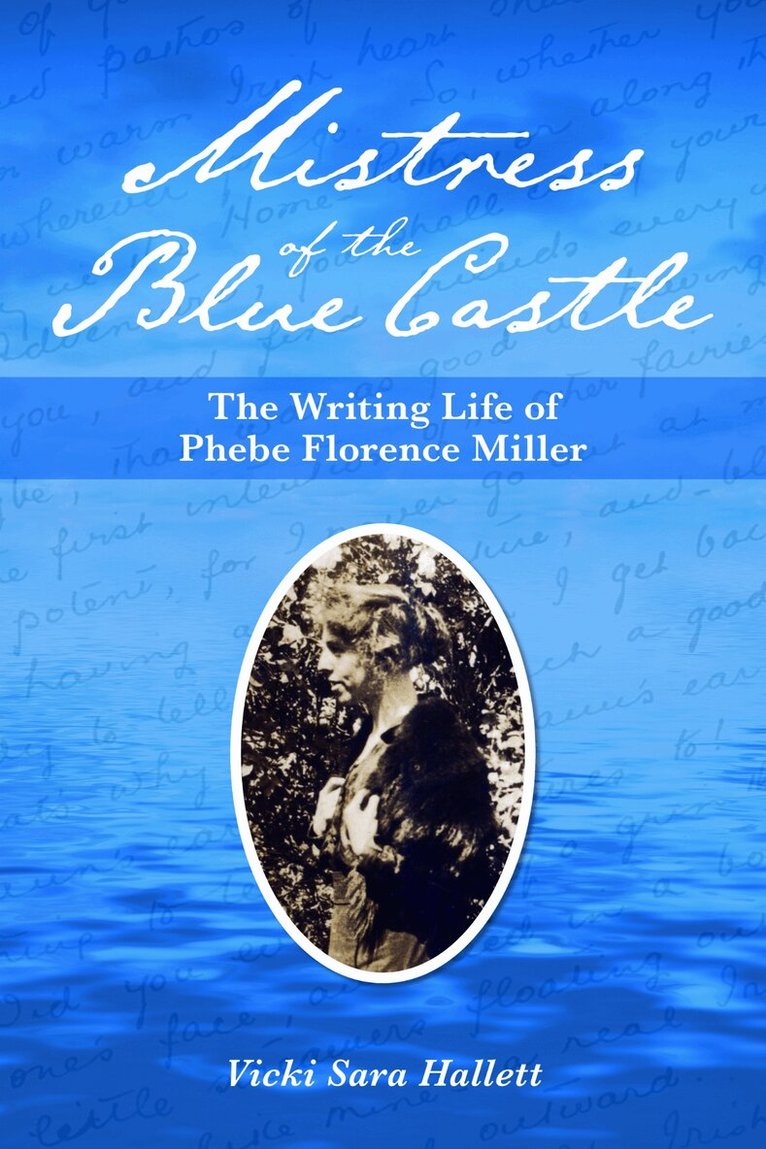
Phebe Florence Miller was a poet and postmistress who lived in Topsail, Newfoundland and Labrador from 1889–1979. Despite her success as a poetic voice in the 1920s and '30s, Miller is an obscure figure for today's readers. This book brings her life and her contributions to Newfoundland and Labrador culture back into focus through the lens of her most personal writing. Mistress of the Blue Castle: The Writing Life of Phebe Florence Miller is an evocative exploration of the ways that identity and place are created together through the diaries, journals, poems and letters that this mercurial artist left behind.
330 kr
Skickas inom 7-10 vardagar
Drawing on one of Newfoundland and Labrador's richest archival treasures, the letters written to J.R. Smallwood (in the Archives and Special Collections Division, QEII Library, Memorial University), Dear Mr. Smallwood considers the lives and stories of everyday Newfoundlanders and Labradorians as they navigated what was arguably the biggest political transition of their lifetimes: the entry of the former dominion of Newfoundland into confederation with Canada in 1949. With over 30 contributors, this collaborative project brings together archival materials, scholarly essays, autobiographical reflections, and poetic and visual responses to compliment existing narratives about Confederation. Dear Mr. Smallwood is based on extensive archival research; however, our interest does not lie with Confederation as an historical event. Rather, as life writing scholars, we are interested in the relationship between Confederation and life narrative. Drawing specifically on the thousands of letters written to Smallwood between 1948 and 1951, we consider how Newfoundlanders and Labradorians represented themselves and made meaning of their lives; that is, we focus on the stories they told about themselves and this rapidly changing place they called home. As unique expressions of people's hopes, dreams, discontents, and desires, the letters open a window onto Newfoundlanders and Labradorians as political agents. In their letters, these correspondents both articulated their current living situations and imagined their futures, looking for ways to improve their own lives, and those of their communities. Taken together, the letters are a vital – but until now, virtually untapped – source towards imagining a collective political autobiography of Newfoundland and Labrador.