Vicki Howard - Böcker
Visar alla böcker från författaren Vicki Howard. Handla med fri frakt och snabb leverans.
6 produkter
6 produkter
849 kr
Skickas inom 10-15 vardagar
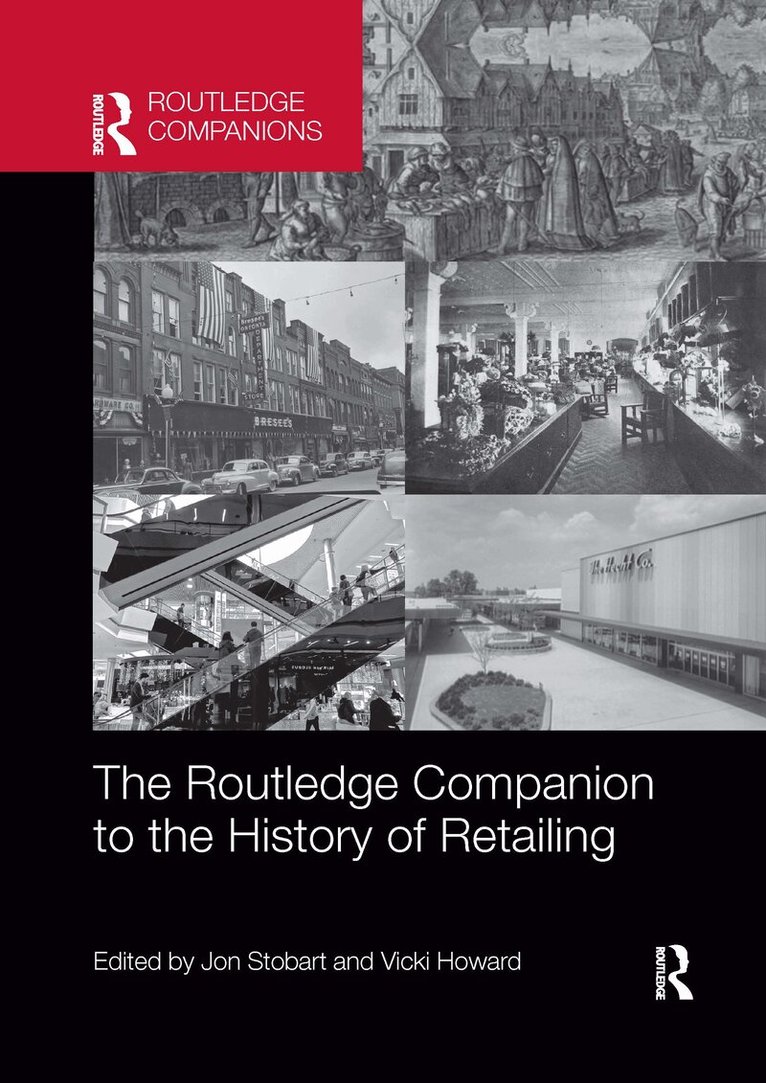
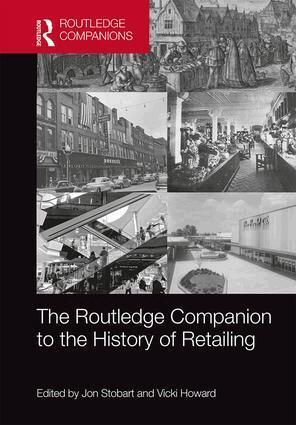
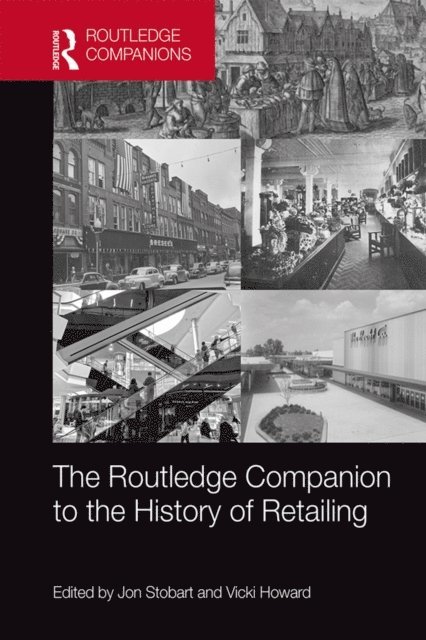
Retail history is a rich, cross-disciplinary field that demonstrates the centrality of retailing to many aspects of human experience, from the provisioning of everyday goods to the shaping of urban environments; from earning a living to the construction of identity. Over the last few decades, interest in the history of retail has increased greatly, spanning centuries, extending to all areas of the globe, and drawing on a range of disciplinary perspectives. By offering an up-to-date, comprehensive thematic, spatial and chronological coverage of the history of retailing, this Companion goes beyond traditional narratives that are too simplistic and Euro-centric and offers a vibrant survey of this field. It is divided into four broad sections: 1) Contexts, 2) Spaces and places, 3) People, processes and practices and 4) Geographical variations. Chapters are written in an analytical and synthetic manner, accessible to the general reader as well as challenging for specialists, and with an international perspective.This volume is an important resource to a wide range of readers, including marketing and management specialists, historians, geographers, economists, sociologists and urban planners.
325 kr
Skickas inom 10-15 vardagar
Named "Best of the Best from the University Presses" for 2007 by the American Library AssociationWeddings today are a $70-billion business, yet no one has explained how the industry has become such a significant component of the American economy. In Brides, Inc., Vicki Howard goes behind the scenes of the various firms involved-from jewelers to caterers-to explore the origins of the lavish American wedding, demonstrating the important role commercial interests have played in shaping traditions most of us take for granted.Howard reveals how many of our customs and wedding rituals were the product of sophisticated advertising campaigns, merchandising promotions, and entrepreneurial innovations. Tracing the rise of the wedding industry from the 1920s through the 1950s, the author explains that retailers, bridal consultants, etiquette writers, caterers, and many others invented traditions-from the diamond engagement ring and double-ring ceremony to the gift registry to the package-deal catered affair. These businesses and entrepreneurs, many of them women, transformed wedding culture and set the stage for today's multibillion-dollar industry.The wedding industry began to take shape between the 1920s and the 1950s. Bridal magazine editors and etiquette writers, jewelers, department store window display artists, bridal consultants, fashion designers, and caterers invented new consumer rites and promoted higher standards of wedding consumption. Claiming ties with "ancient customs" and various historical periods, the wedding industry promoted new goods and services as timeless and unchanging. It introduced new ring customs and wedding apparel fashions, and "modern" services, such as gift registries that rationalized gift customs, bridal salons that saved time and made wedding planning more efficient, and wedding packages that standardized ceremonies and reception celebrations.During World War II, the traditional white wedding grew even more prevalent as jewelers and bridal gown manufacturers successfully sought exemptions from wartime restrictions, linking the diamond engagement ring, the double-ring ceremony, and the formal white wedding gown with democracy and American prosperity. By the 1950s, the wedding industry had made the formal white wedding tradition a part of a new cult of marriage and the modern American Dream.Entertaining and informative, Brides, Inc. reveals the origins and development of this most exemplary American enterprise and brings the story up to the present with a discussion of such new phenomena as David's Bridal and the gay wedding industry.
375 kr
Skickas inom 7-10 vardagar
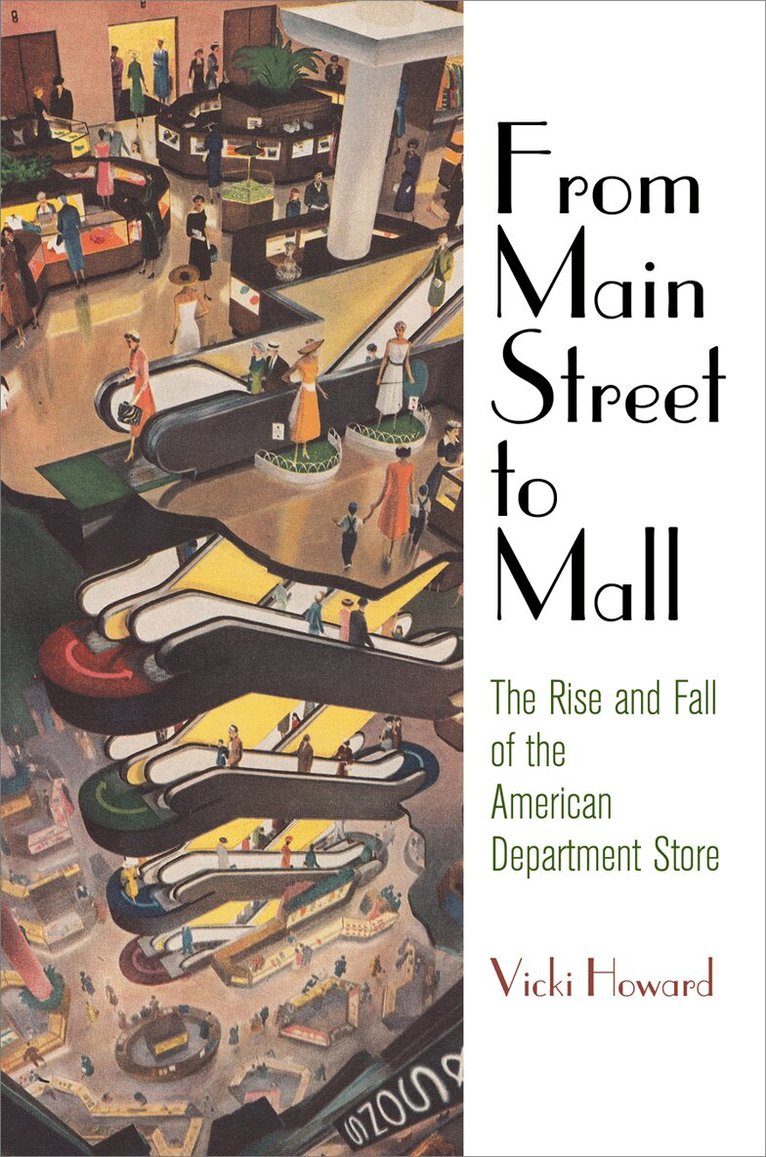
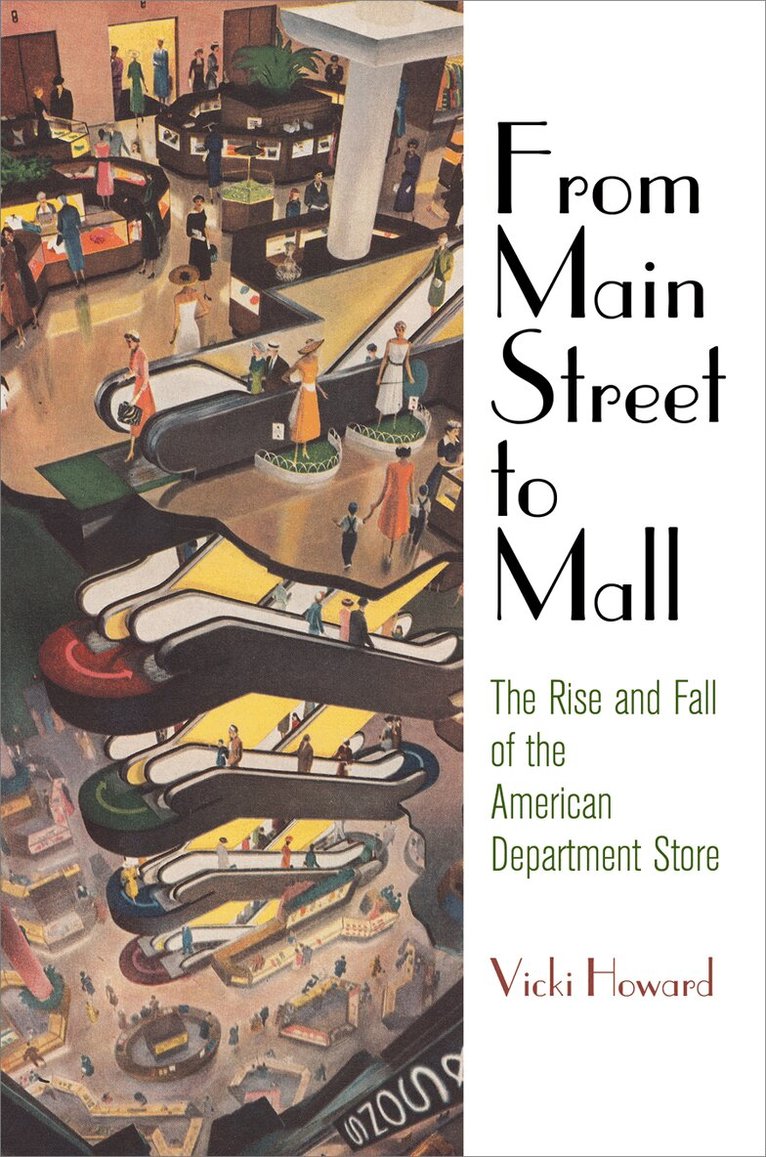
The geography of American retail has changed dramatically since the first luxurious department stores sprang up in nineteenth-century cities. Introducing light, color, and music to dry-goods emporia, these "palaces of consumption" transformed mere trade into occasions for pleasure and spectacle. Through the early twentieth century, department stores remained centers of social activity in local communities. But after World War II, suburban growth and the ubiquity of automobiles shifted the seat of economic prosperity to malls and shopping centers. The subsequent rise of discount big-box stores and electronic shopping accelerated the pace at which local department stores were shuttered or absorbed by national chains. But as the outpouring of nostalgia for lost downtown stores and historic shopping districts would indicate, these vibrant social institutions were intimately connected to American political, cultural, and economic identities.The first national study of the department store industry, From Main Street to Mall traces the changing economic and political contexts that transformed the American shopping experience in the twentieth century. With careful attention to small-town stores as well as glamorous landmarks such as Marshall Field's in Chicago and Wanamaker's in Philadelphia, historian Vicki Howard offers a comprehensive account of the uneven trajectory that brought about the loss of locally identified department store firms and the rise of national chains like Macy's and J. C. Penney. She draws on a wealth of primary source evidence to demonstrate how the decisions of consumers, government policy makers, and department store industry leaders culminated in today's Wal-Mart world. Richly illustrated with archival photographs of the nation's beloved downtown business centers, From Main Street to Mall shows that department stores were more than just places to shop.
956 kr
Skickas inom 3-6 vardagar
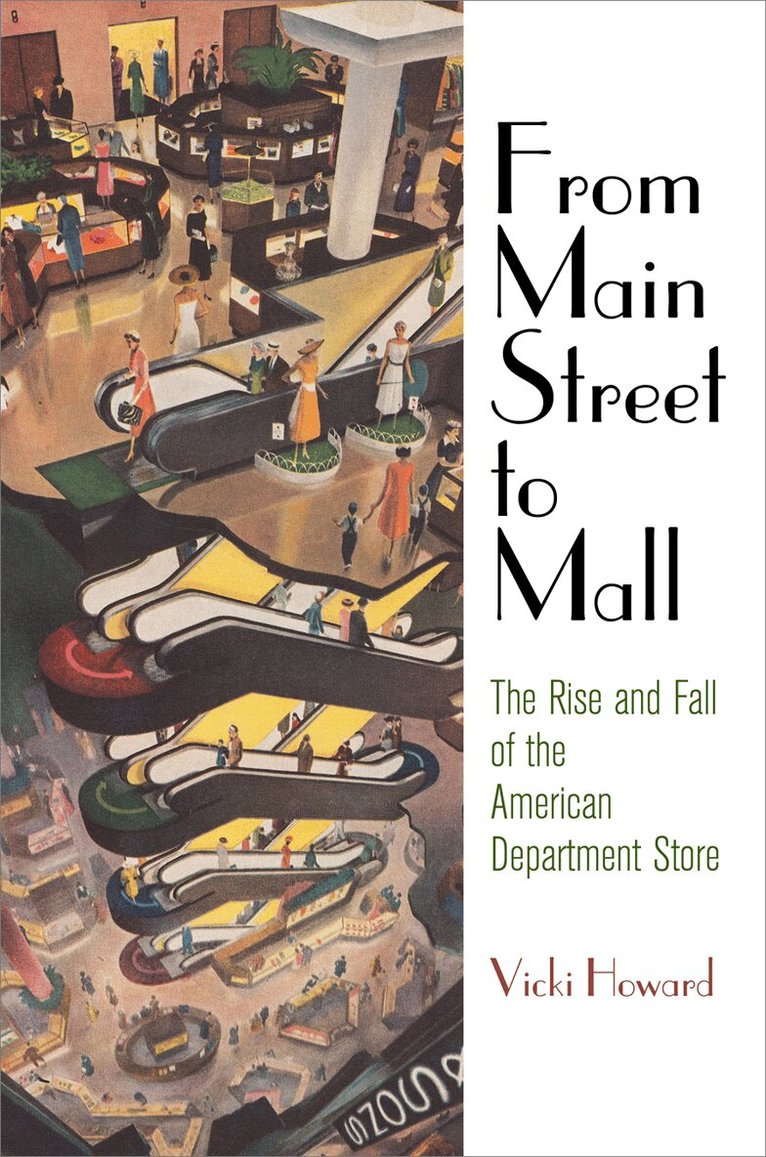
The geography of American retail has changed dramatically since the first luxurious department stores sprang up in nineteenth-century cities. Introducing light, color, and music to dry-goods emporia, these "palaces of consumption" transformed mere trade into occasions for pleasure and spectacle. Through the early twentieth century, department stores remained centers of social activity in local communities. But after World War II, suburban growth and the ubiquity of automobiles shifted the seat of economic prosperity to malls and shopping centers. The subsequent rise of discount big-box stores and electronic shopping accelerated the pace at which local department stores were shuttered or absorbed by national chains. But as the outpouring of nostalgia for lost downtown stores and historic shopping districts would indicate, these vibrant social institutions were intimately connected to American political, cultural, and economic identities.The first national study of the department store industry, From Main Street to Mall traces the changing economic and political contexts that transformed the American shopping experience in the twentieth century. With careful attention to small-town stores as well as glamorous landmarks such as Marshall Field's in Chicago and Wanamaker's in Philadelphia, historian Vicki Howard offers a comprehensive account of the uneven trajectory that brought about the loss of locally identified department store firms and the rise of national chains like Macy's and J. C. Penney. She draws on a wealth of primary source evidence to demonstrate how the decisions of consumers, government policy makers, and department store industry leaders culminated in today's Wal-Mart world. Richly illustrated with archival photographs of the nation's beloved downtown business centers, From Main Street to Mall shows that department stores were more than just places to shop.
3 256 kr
Skickas inom 10-15 vardagar
Retail history is a rich, cross-disciplinary field that demonstrates the centrality of retailing to many aspects of human experience, from the provisioning of everyday goods to the shaping of urban environments; from earning a living to the construction of identity. Over the last few decades, interest in the history of retail has increased greatly, spanning centuries, extending to all areas of the globe, and drawing on a range of disciplinary perspectives. By offering an up-to-date, comprehensive thematic, spatial and chronological coverage of the history of retailing, this Companion goes beyond traditional narratives that are too simplistic and Euro-centric and offers a vibrant survey of this field. It is divided into four broad sections: 1) Contexts, 2) Spaces and places, 3) People, processes and practices and 4) Geographical variations. Chapters are written in an analytical and synthetic manner, accessible to the general reader as well as challenging for specialists, and with an international perspective.This volume is an important resource to a wide range of readers, including marketing and management specialists, historians, geographers, economists, sociologists and urban planners.
448 kr
Kommande
A Cultural History of Shopping was a Library Journal Best in Reference selection for 2022.In the modern consumer age that emerged after the First World War, shopping became a ubiquitous cultural practice. Despite its apparent universality, the historicity and contingency of shopping should not be ignored: its meaning was always inextricably linked to the political, material and economic contexts within which it took place. Gendered female for the most part, shopping continued to evoke different cultural responses, embraced as liberatory by some, condemned as frivolous by others. Business decisions and public policies helped construct the frameworks within which new, often American-led, shopping cultures emerged, from downtown department stores to chain stores to suburban shopping malls. The digital revolution in shopping that began in the last decade of the 20th century has changed the face of cities and towns and led to the closure of many bricks-and-mortar stores but, as this volume explores, the shopper remains very much at the center of Western capitalist societies. A Cultural History of Shopping in the Modern Age presents an overview of the period with themes addressing practices and processes; spaces and places; shoppers and identities; luxury and everyday; home and family; visual and literary representations; reputation, trust and credit; and governance, regulation and the state.