Victor Albert - Böcker
Visar alla böcker från författaren Victor Albert. Handla med fri frakt och snabb leverans.
3 produkter
3 produkter
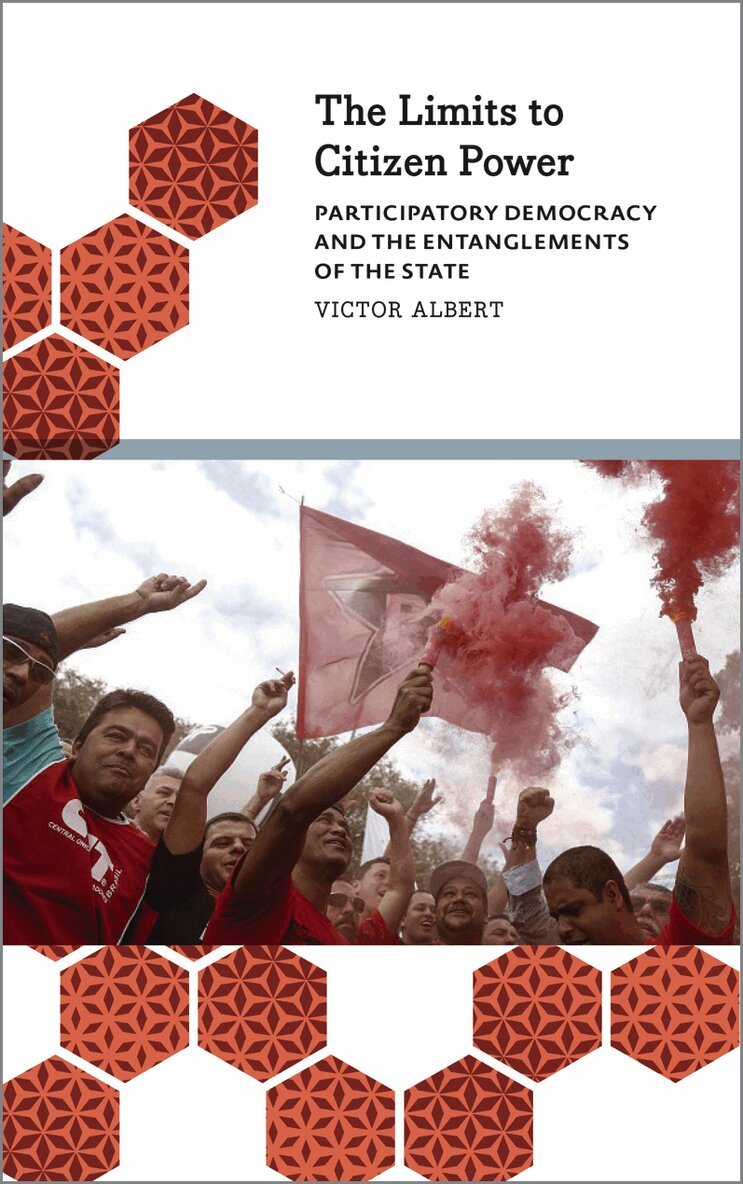
Limits to Citizen Power
Participatory Democracy and the Entanglements of the State
Inbunden, Engelska, 2016
868 kr
Skickas inom 7-10 vardagar
Can a political project exist outside of the power relations from which it is trying to emerge? In the twilight of Brazil’s twenty-one year military regime, a new union movement emerged in São Paulo’s industrial region, giving life to a new political party: the Workers’ Party. The electoral success enjoyed by the party enabled it to champion a whole raft of democratic reforms and Brazil is now celebrated as a laboratory for popular and participatory forms of government. However, through analysis of the trajectory of the Worker Party’s democratic experiment, the true challenge of embedding democracy inside existing state structures emerges. Drawing on long-term ethnographic research, Victor Albert provides a critical analysis of citizen participation in Santo André, in the region of Greater São Paulo where the Workers’ Party was founded, holding a microscope to the power relations between political appointees, public officials and local community activists. Albert also reveals how different social actors think and feel about citizen participation away from formal assemblies, and how some participants engage in what is a tenuous, and at times mutually distrustful, tactical and strategic relationship with political patrons.
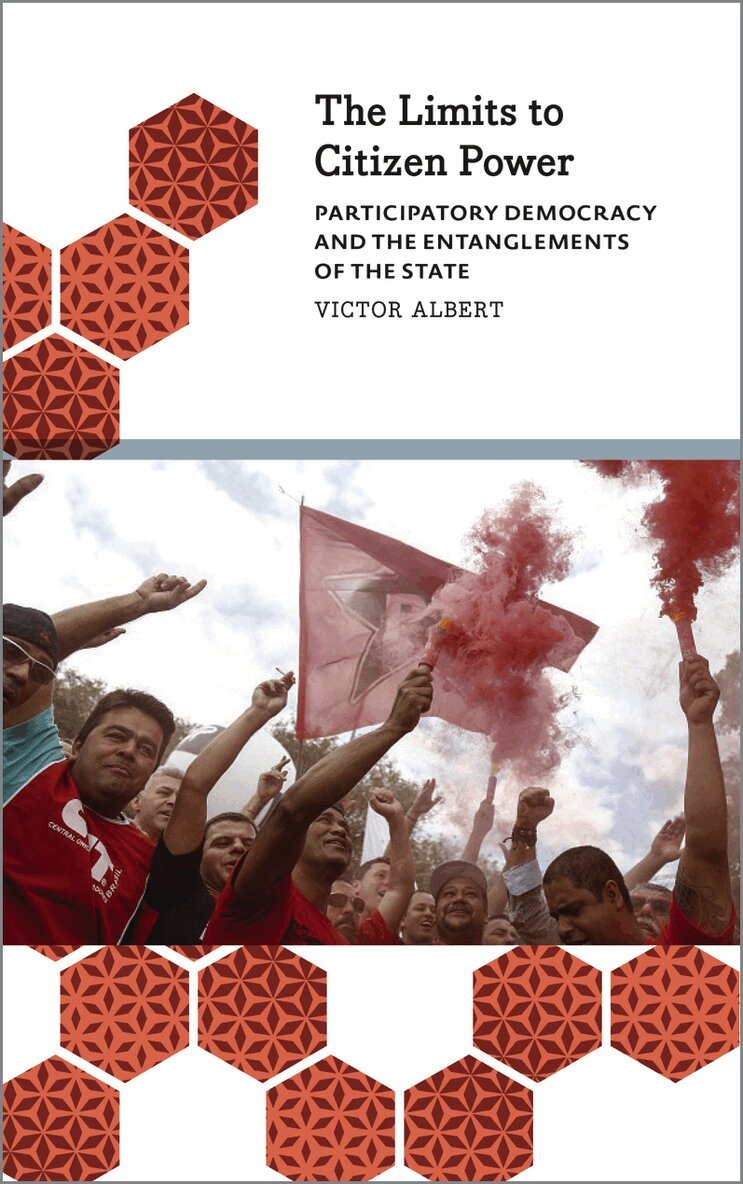
Limits to Citizen Power
Participatory Democracy and the Entanglements of the State
Häftad, Engelska, 2016
179 kr
Skickas inom 7-10 vardagar
Can a political project exist outside of the power relations from which it is trying to emerge? In the twilight of Brazil’s twenty-one year military regime, a new union movement emerged in São Paulo’s industrial region, giving life to a new political party: the Workers’ Party. The electoral success enjoyed by the party enabled it to champion a whole raft of democratic reforms and Brazil is now celebrated as a laboratory for popular and participatory forms of government. However, through analysis of the trajectory of the Worker Party’s democratic experiment, the true challenge of embedding democracy inside existing state structures emerges. Drawing on long-term ethnographic research, Victor Albert provides a critical analysis of citizen participation in Santo André, in the region of Greater São Paulo where the Workers’ Party was founded, holding a microscope to the power relations between political appointees, public officials and local community activists. Albert also reveals how different social actors think and feel about citizen participation away from formal assemblies, and how some participants engage in what is a tenuous, and at times mutually distrustful, tactical and strategic relationship with political patrons.
1 064 kr
Skickas inom 10-15 vardagar
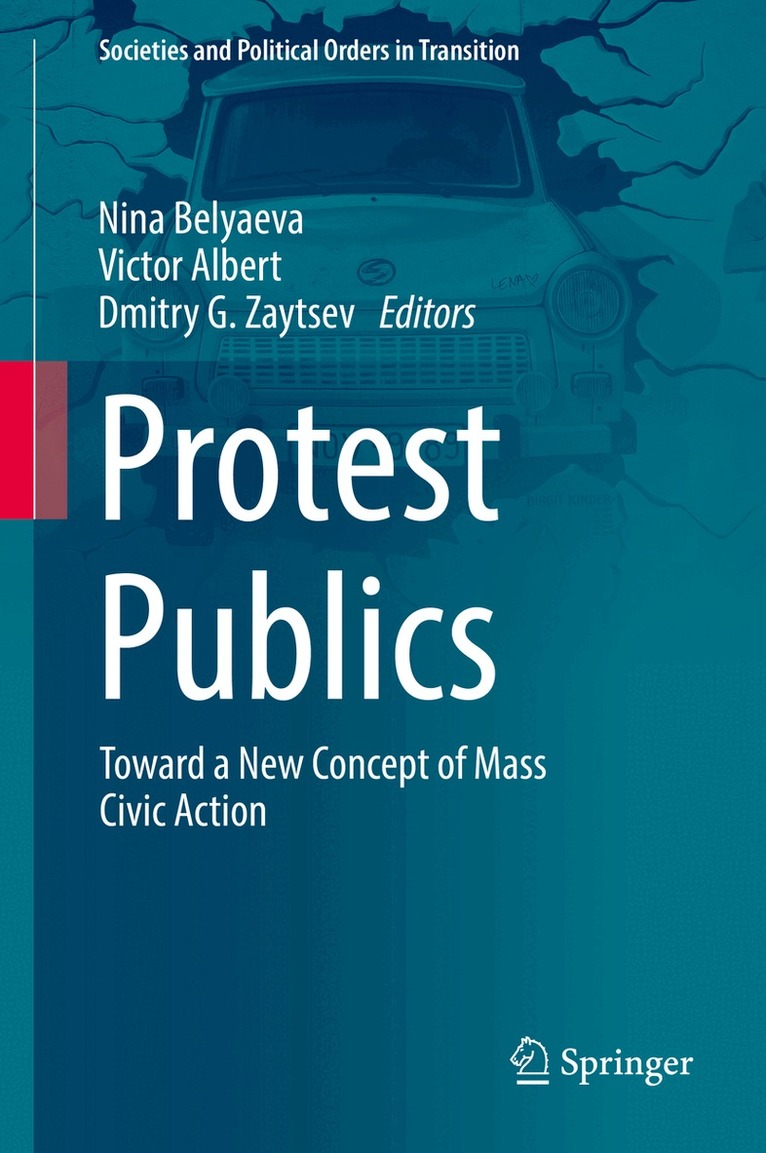
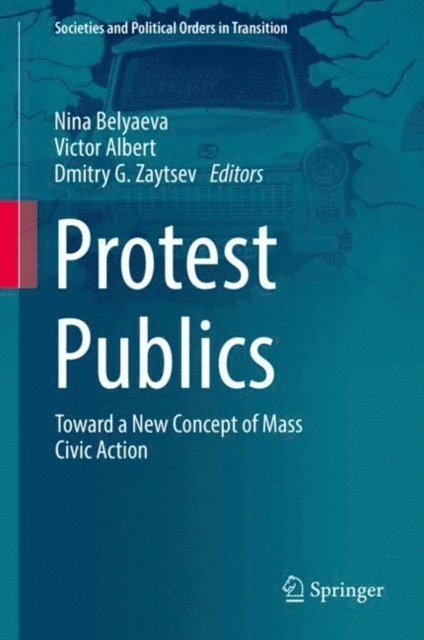
This book examines the waves of protest that broke out in the 2010s as the collective actions of self-organized publics. Drawing on theories of publics/counter-publics and developing an analytical framework that allows the comparison of different country cases, this volume explores the transformation from spontaneous demonstrations, driven by civic outrage against injustice to more institutionalized forms of protest. Presenting comparative research and case studies on e.g. the Portuguese Generation in Trouble, the Arab Spring in Northern Africa, or Occupy Wall Street in the USA, the authors explore how protest publics emerge and evolve in very different ways – from creating many small citizen groups focused on particular projects to more articulated political agendas for both state and society. These protest publics have provoked and legitimized concrete socio-political changes, altering the balance of power in specific political spaces, and in some cases generating profound moments of instability that can lead both to revolutions and to peaceful transformations of political institutions.The authors argue that this recent wave of protests is driven by a new type of social actor: self-organized publics. In some cases these protest publics can lead to democratic reform and redistributive policies, while in others they can produce destabilization, ethnic and nationalist populism, and authoritarianism. This book will help readers to better understand how seemingly spontaneous public events and protests evolve into meaningful, well-structured collective action and come to shape political processes in diverse regions of the globe.