Victor Asal – författare
1 316 kr
Skickas inom 5-8 vardagar
522 kr
Skickas inom 5-8 vardagar
1 863 kr
Skickas inom 3-6 vardagar
408 kr
Skickas inom 5-8 vardagar
559 kr
Skickas inom 10-15 vardagar
685 kr
Skickas inom 10-15 vardagar
2 151 kr
Skickas inom 10-15 vardagar
763 kr
Läs direkt efter köp
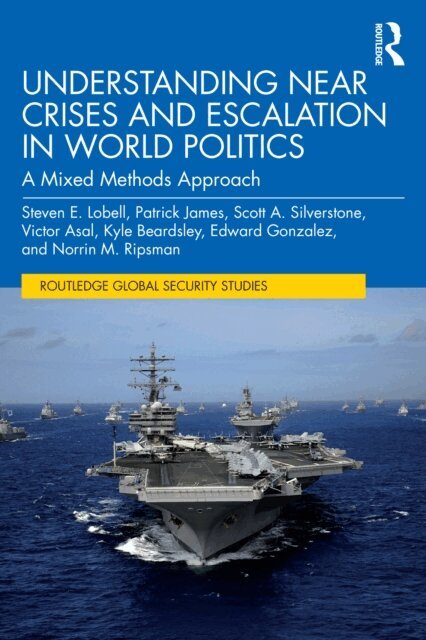
This book analyses the near crisis phase of conflict and escalation in world politics.
Time-sensitive disputes between states, and even with violent non-state actors, do not involve significant risk of military escalation, at least in the moment. Investigating how and why some near crises escalate, while others do not, requires an explanation of the different dynamics of international disputes and the policy tools that states and international institutions can employ. This volume examines cases such as Hezbollah’s 2006 cross-border raid, the 2015 Iranian Ballistic Missile Test, and the 1995 Norwegian Black Brant Missile Launch to reveal there is much to be learned about the full process of (de)-escalation once the near crisis stage is included, as well as from cases that did not escalate to crisis. Overall, this volume contributes toward higher levels of understanding about how and why some international conflicts escalate while others do not.
This book will be of much interest to students of security studies, conflict studies, foreign policy and International Relations.
763 kr
Läs direkt efter köp
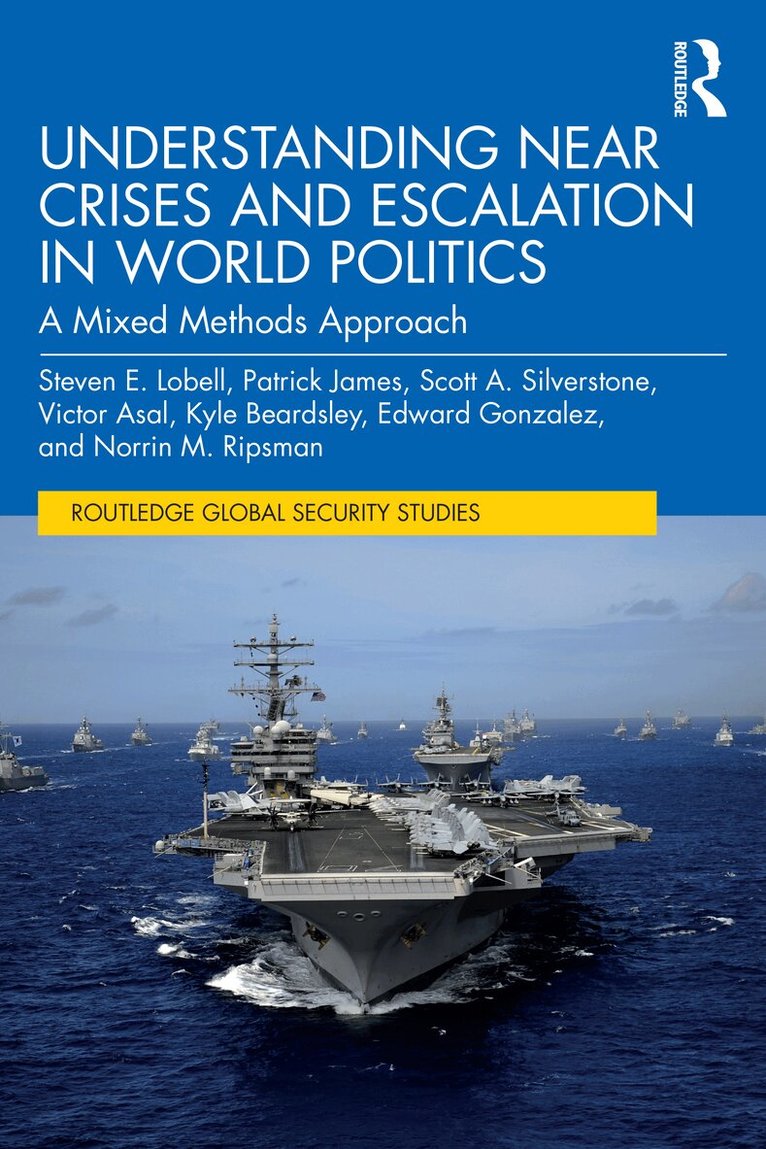
This book analyses the near crisis phase of conflict and escalation in world politics.
Time-sensitive disputes between states, and even with violent non-state actors, do not involve significant risk of military escalation, at least in the moment. Investigating how and why some near crises escalate, while others do not, requires an explanation of the different dynamics of international disputes and the policy tools that states and international institutions can employ. This volume examines cases such as Hezbollah’s 2006 cross-border raid, the 2015 Iranian Ballistic Missile Test, and the 1995 Norwegian Black Brant Missile Launch to reveal there is much to be learned about the full process of (de)-escalation once the near crisis stage is included, as well as from cases that did not escalate to crisis. Overall, this volume contributes toward higher levels of understanding about how and why some international conflicts escalate while others do not.
This book will be of much interest to students of security studies, conflict studies, foreign policy and International Relations.
657 kr
Skickas inom 10-15 vardagar
2 151 kr
Skickas inom 10-15 vardagar
795 kr
Läs direkt efter köp
This new book shows how international crises are dangerous episodes that can be destabilizing not only to the actors directly involved but also to the entire international system.
Recognizing the primacy of crises as defining moments in international relations, scholars and policy makers alike are increasingly concerned with identifying mechanisms for crisis prevention, management and resolution.
Mediating International Crises is the first comprehensive study into one such mechanism that has been used with increasing frequency in the 20th Century: mediation by a third party. This important research attempts to determine whether third party mediation is an effective means of alleviating or managing the turbulent and violent consequences of crises. The authors examine three approaches to mediation: facilitation communication between parties, formulating possible agreements and manipulating the parties through sanctions or rewards. They explore how these mediation approaches affect crisis outcomes through sanctions or rewards
The book begins with a thorough discussion of the theoretical literature on mediation, with particular attention paid to the important distinction between crisis management and conflict resolution. The authors then provide empirical analyses of instances of mediation in 20th century international crises, which is supplemented with data derived from simulated negotiation settings with human subjects.
795 kr
Läs direkt efter köp
This new book shows how international crises are dangerous episodes that can be destabilizing not only to the actors directly involved but also to the entire international system.
Recognizing the primacy of crises as defining moments in international relations, scholars and policy makers alike are increasingly concerned with identifying mechanisms for crisis prevention, management and resolution.
Mediating International Crises is the first comprehensive study into one such mechanism that has been used with increasing frequency in the 20th Century: mediation by a third party. This important research attempts to determine whether third party mediation is an effective means of alleviating or managing the turbulent and violent consequences of crises. The authors examine three approaches to mediation: facilitation communication between parties, formulating possible agreements and manipulating the parties through sanctions or rewards. They explore how these mediation approaches affect crisis outcomes through sanctions or rewards
The book begins with a thorough discussion of the theoretical literature on mediation, with particular attention paid to the important distinction between crisis management and conflict resolution. The authors then provide empirical analyses of instances of mediation in 20th century international crises, which is supplemented with data derived from simulated negotiation settings with human subjects.
1 109 kr
Skickas inom 5-8 vardagar
320 kr
Skickas inom 11-20 vardagar
562 kr
Skickas inom 10-15 vardagar