Victoria Avery - Böcker
Visar alla böcker från författaren Victoria Avery. Handla med fri frakt och snabb leverans.
3 produkter
3 produkter
2 668 kr
Skickas inom 7-10 vardagar
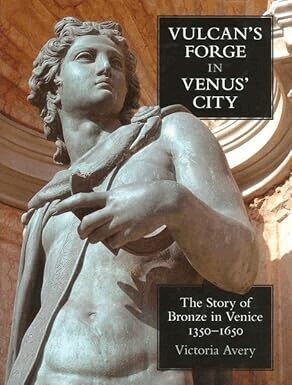
Between 1350 and 1650, a vast number of bronze objects, both large and small, decorative and functional, were produced in Venice for domestic consumption and for the export market. Whether unique works of art specifically commissioned from renowned sculptors by wealthy patrons, or low status artefacts mass-produced by founders for speculative sale in their shops, Venetian bronzes are distinguishable from those made at the same time in other centres by the great beauty and variety of their form, their rich ornamentation, and by their generally high quality.Based on a wealth of unpublished documents and newly available scientific data obtained during recent conservation projects, this book tells the story of bronze-its production, placement and purpose-in Venice through the objects themselves and the people who commissioned, made and owned them. It reveals the location and purpose of key independent foundries in the city centre, as well as the state-owned foundries at the Arsenal. It sheds light on the identities of the founders, their daily lives and workshop organisation, and tracks the rise and fall of the most important dynasties, their successful collaborations and fierce rivalries. The genesis and creation process of certain significant bronze masterpieces is discussed, together with a number of long-forgotten casting disasters and abortive commissions.The text and documentary appendix are enhanced by lavish illustrations, which include newly commissioned photographs of recently-restored works of art, and unpublished historical photographs.
1 021 kr
Skickas inom 7-10 vardagar
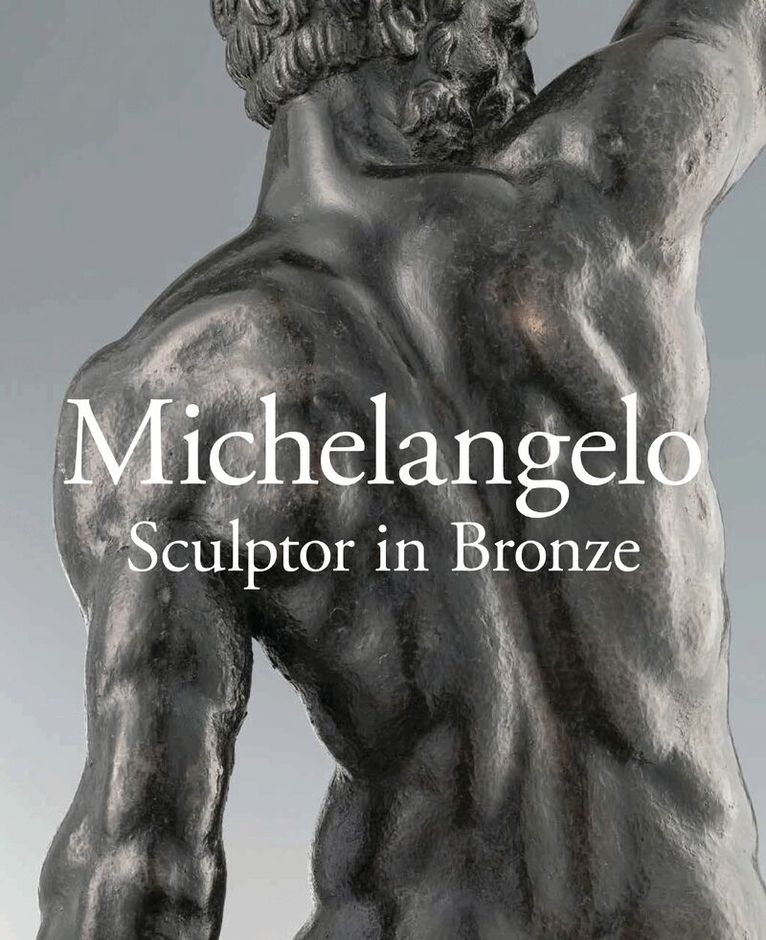
The first comprehensive interdisciplinary account of Michelangelo’s work as a sculptor in bronze.This book is the outcome of extensive original research undertaken over several years by academics at the University of Cambridge together with a team of international experts, directed by Dr Victoria Avery, a leading authority on the history, art and technology of bronze casting in Renaissance Italy.The catalyst for this innovative project was the attribution to Michelangelo of the Rothschild bronzes – two extraordinary bronze groups of nude men on fantastical panthers – prior to their display at the Fitzwilliam Museum in 2015. First proposed by the distinguished Michelangelo scholar Professor Paul Joannides and validated by the wide-ranging research published here, the attribution to Michelangelo has now gained widespread acceptance.As part of this pioneering project, Professor Peter Abrahams, the eminent clinical anatomist specialising in dissection, has carried out the first ever in-depth scientific analysis of the anatomy of Michelangelo’s nude figures. Abrahams’ findings have uncovered hitherto unrecognised features of Michelangelo’s unparalleled mastery of the structure and workings of the human body that give the gesture and the motion of his figures their unique expressive force.Enigmatic and visually-striking masterpieces, the Rothschild bronzes are the focus of this multi-authored, interdisciplinary volume that contains ground-breaking contributions by leading experts in the fields of art history, anatomy, conservation science, bronze casting and the history of collecting.
Del 273 - Proceedings of the British Academy
Pineapple from Domestication to Commodification
Re-presenting a Global Fruit
Inbunden, Engelska, 2025
1 679 kr
Skickas inom 7-10 vardagar
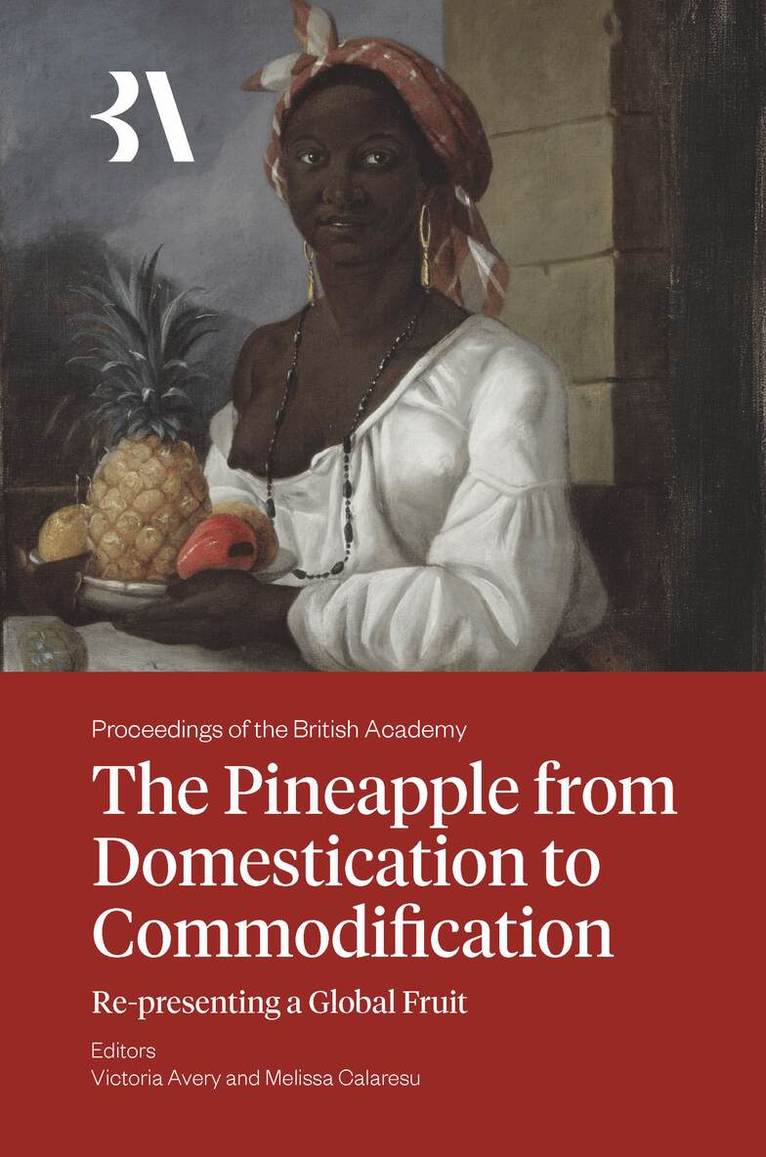
The pineapple’s ‘discovery’ by European colonisers in the late fifteenth century and its remarkable global trajectory – from an early modern object of rarity, desire, and horticultural innovation to a cheap, canned consumable and fair-trade logo today – is a story of modern globalisation. The Pineapple from Domestication to Commodification is a wide-ranging, interdisciplinary volume intended to provoke timely debate and generate radical rethinking of an overly familiar fruit with associations from luxury to kitsch. It deliberately problematizes the pineapple by investigating understudied tensions between its representational power and the historical and political contexts of its worldwide production and consumption. This connects the global and local at the heart of contemporary debates about the nature and origins of our food. It will have cross-disciplinary appeal for scholars of politics, economics, history, plant sciences, food, and material culture as well as for broader audiences interested in food, gardening, the environment, and visual arts.