Victoria Hallinan – författare
Visar alla böcker från författaren Victoria Hallinan. Handla med fri frakt och snabb leverans.
3 produkter
3 produkter
303 kr
Kommande
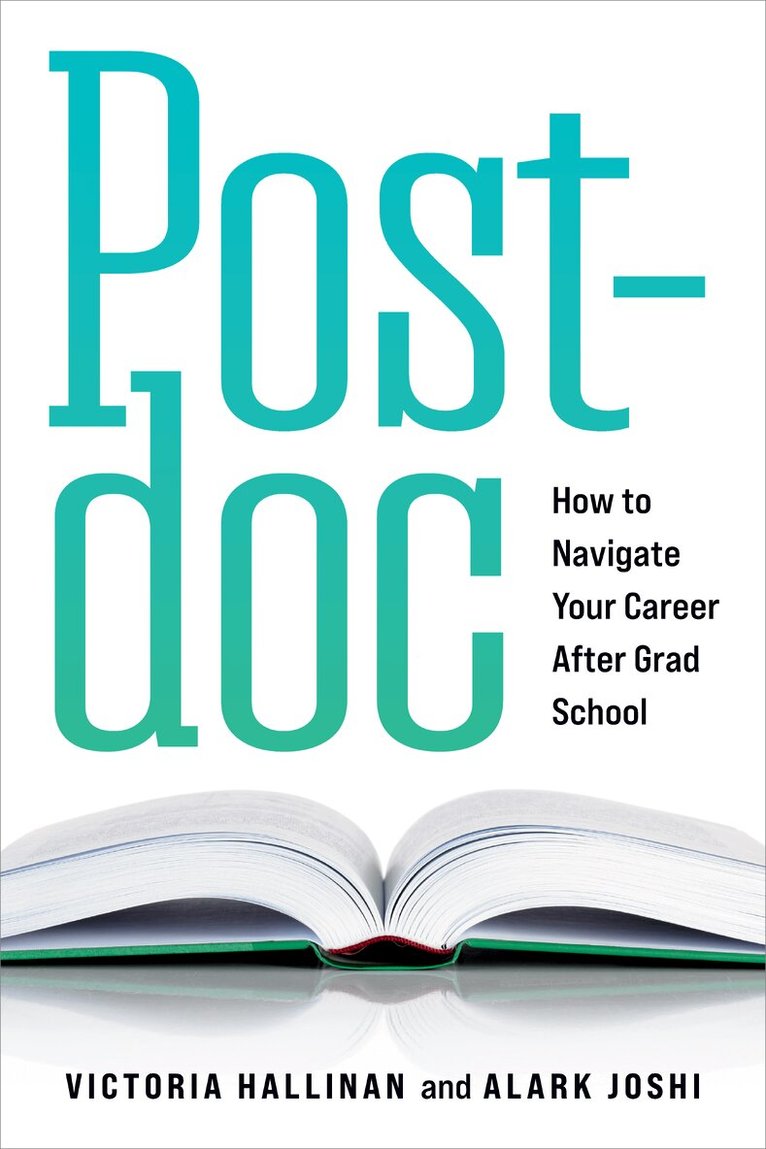
A practical guide to thriving as a postdoc and preparing for what comes next.Postdoctoral scholars are among the most productive researchers on campus, yet the postdoc role often comes with uncertainty, isolation, and uneven support. In Postdoc, Victoria Hallinan and Alark Joshi address the unspoken expectations that shape postdoctoral life and offer concrete strategies for turning a temporary position into a purposeful career stage.Hallinan and Joshi provide detailed guidance on setting goals, clarifying mentor expectations, developing a research agenda, pursuing grants, publishing strategically, and collaborating effectively. They confront difficult but common challenges head-on, including authorship disputes, compensation concerns, lab culture conflicts, burnout, and misconduct. Dedicated chapters walk readers through academic job searches—from preparing application materials to negotiating an offer—as well as industry and alternative academic careers, with practical advice on translating scholarly experience into new professional contexts. The book also looks beyond the postdoc itself, offering guidance for the first year as a faculty member and a comprehensive chapter for international scholars navigating visas, employment systems, taxes, housing, and cultural expectations in the United States. Interviews with postdocs, faculty, administrators, and industry professionals throughout provide lived perspectives and actionable insight.This essential guide also addresses the often-overlooked work of building community, networking, conducting informational interviews, joining professional associations, and cultivating relationships across departments. Postdoc equips scholars to advocate for themselves and move confidently toward their next role—inside or beyond the academy.
347 kr
Skickas inom 7-10 vardagar
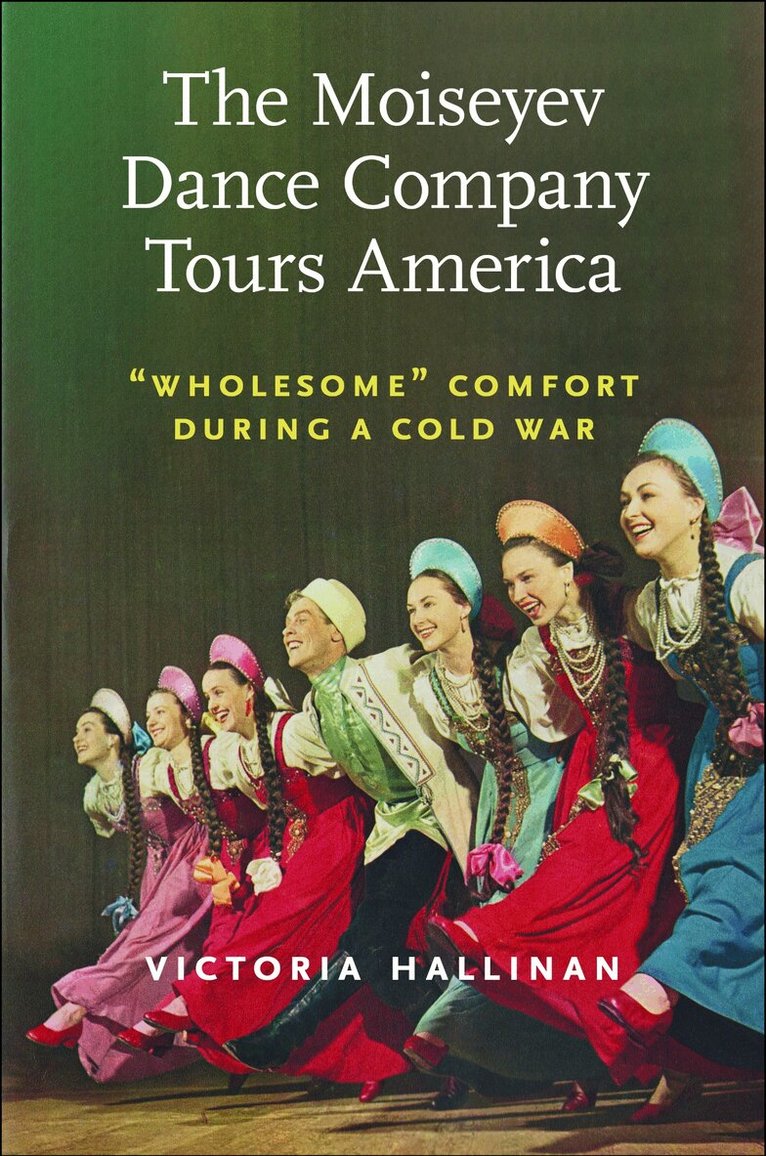
During the Cold War, dancers and musicians from the United States and the USSR were drawn into the battle for hearts and minds, crossing the Iron Curtain to prove their artistic and ideological prowess. After the passage of the Lacy-Zarubin Agreement, direct cultural exchange between the two superpowers opened up, and the Moiseyev Dance Company arrived in the United States in 1958. The first Soviet cultural representatives to tour America, this folk-dance troupe’s repertoire included dances from territories controlled or influenced by the USSR, including Uzbekistan, Crimea, and Poland. Drawing on contemporary personal and published accounts, Victoria Hallinan explores why the dancers garnered overwhelming acclaim during their multicity tour and Ed Sullivan Show appearance. The “boy-meets-girl” love stories of the dances, and their idealized view of multiple Soviet cultures living together in harmony, presented a comforting image of post–World War II gender norms and race relations for audiences. Americans saw the dancers—their supposed enemies—as humans rather than agents of communist contagion.
1 080 kr
Skickas inom 7-10 vardagar
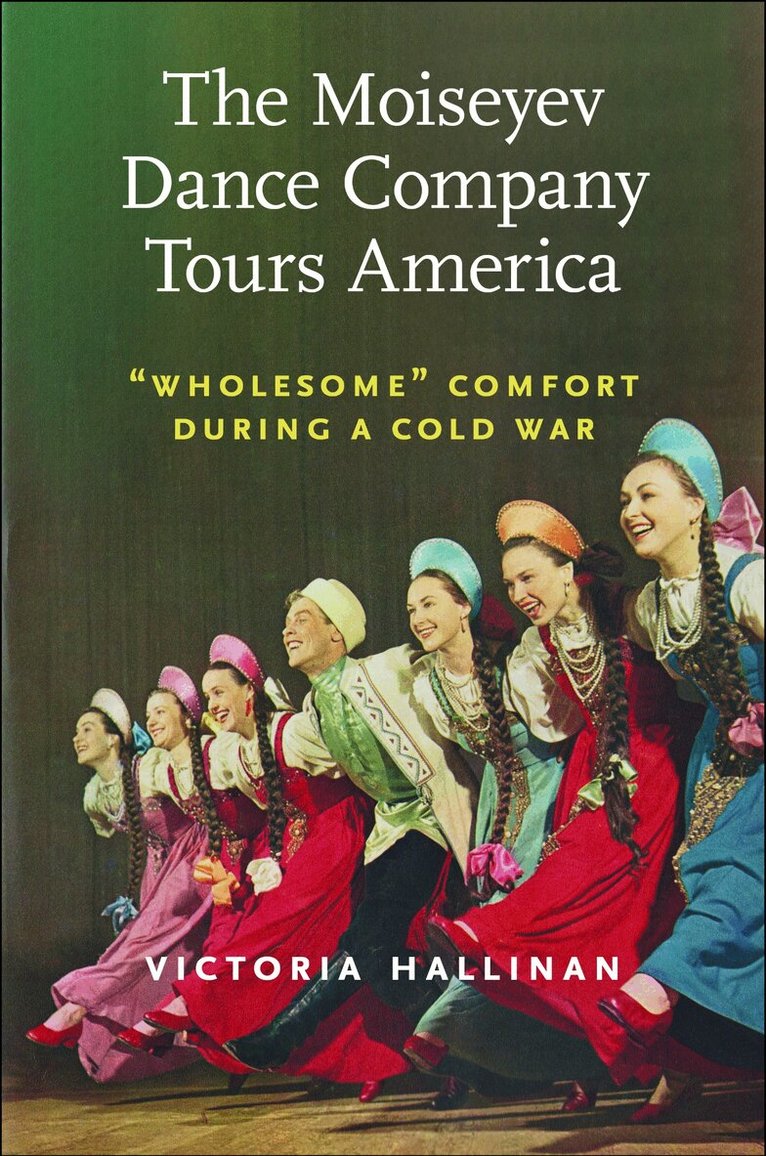
During the Cold War, dancers and musicians from the United States and the USSR were drawn into the battle for hearts and minds, crossing the Iron Curtain to prove their artistic and ideological prowess. After the passage of the Lacy-Zarubin Agreement, direct cultural exchange between the two superpowers opened up, and the Moiseyev Dance Company arrived in the United States in 1958. The first Soviet cultural representatives to tour America, this folk-dance troupe’s repertoire included dances from territories controlled or influenced by the USSR, including Uzbekistan, Crimea, and Poland. Drawing on contemporary personal and published accounts, Victoria Hallinan explores why the dancers garnered overwhelming acclaim during their multicity tour and Ed Sullivan Show appearance. The “boy-meets-girl” love stories of the dances, and their idealized view of multiple Soviet cultures living together in harmony, presented a comforting image of post–World War II gender norms and race relations for audiences. Americans saw the dancers—their supposed enemies—as humans rather than agents of communist contagion.